Fruit Charm Necklace Buying Guide: Enamel & Metals
Discover how to choose a high-quality fruit charm necklace. Learn about enamel types, chain gauges, metal grades, and pricing in our expert buying guide.

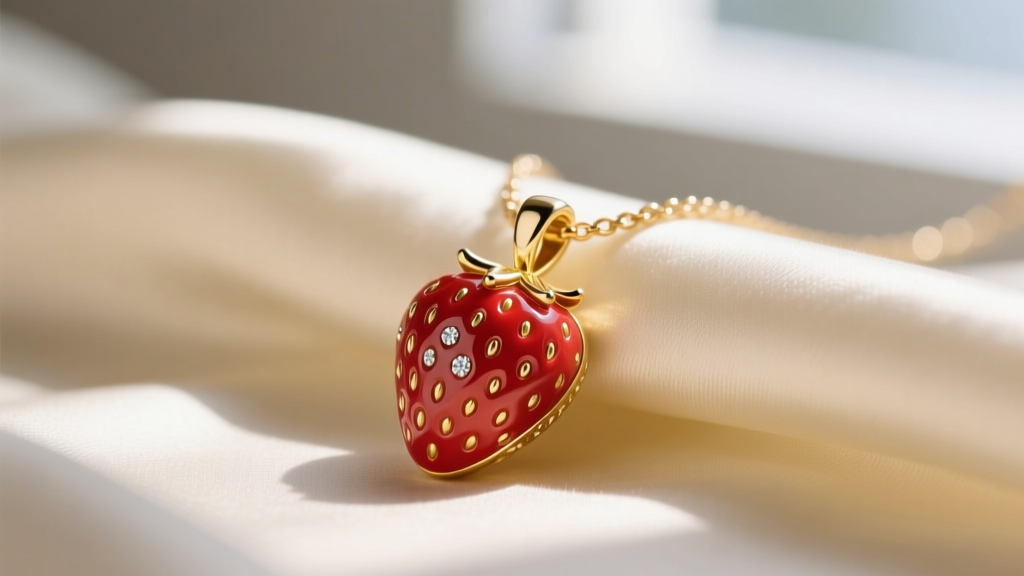
The Resurgence of Botanical & Fruit Jewelry in 2026
The fruit charm necklace has evolved far beyond the costume jewelry bins of the early 2000s. Today, botanical and fruit-inspired pendants are a staple in both high jewelry houses and independent artisan studios. Whether you are drawn to the playful nostalgia of a cherry pendant or the sophisticated elegance of a pomegranate motif, selecting a piece that will last requires a keen eye for material science and structural integrity. As a senior buyer, I see countless consumers overpay for poorly constructed charms that tarnish, chip, or break within months. This comprehensive buying guide will equip you with the exact specifications, material grades, and structural details you need to evaluate before purchasing your next fruit charm necklace.
Decoding Enamel: Cold vs. Vitreous vs. Guilloché
The most critical component of a premium fruit charm necklace is often the enamel work. Fruit motifs rely heavily on vibrant color blocking—think the deep red of a strawberry or the bright yellow of a lemon. However, not all color applications are created equal. Understanding the difference between enamel types will save you from buying a piece that degrades in sunlight.
Cold Enamel (Epoxy Resin)
Cold enamel is not actually enamel; it is a two-part epoxy resin poured into metal recesses and cured at room temperature. While it allows for bright, opaque colors and keeps the retail price low (typically under $50), it is highly susceptible to UV degradation. Prolonged sun exposure will cause white and yellow resins to yellow and become brittle within two to three years. If you are buying a fruit charm for daily outdoor wear, avoid cold enamel.
Vitreous Enamel (Fired Glass)
True vitreous enamel is finely ground glass fused to a metal base in a kiln at temperatures exceeding 1,400°F (760°C). This process creates a permanent, scratch-resistant bond that will not fade under UV light. According to the GIA Gem Encyclopedia, historical vitreous enamel pieces retain their brilliance for centuries. When inspecting a high-end fruit charm, look for a glass-like luster and a perfectly smooth transition where the enamel meets the metal cloisons (dividers).
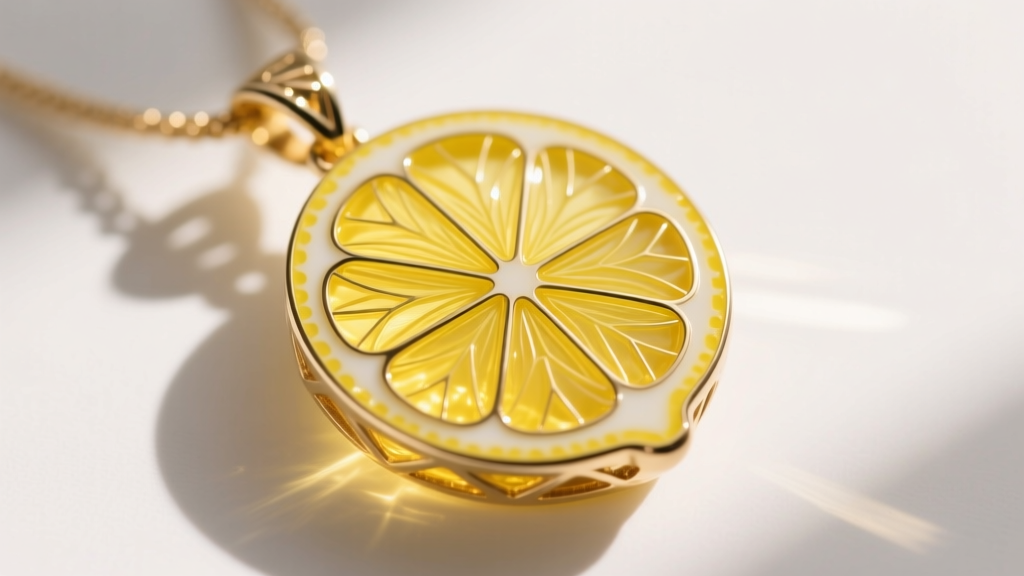
Guilloché Enamel
For the ultimate collector, Guilloché enamel represents the pinnacle of the craft. The metal base is first engine-turned with intricate geometric patterns, then covered with translucent vitreous enamel. The light catches the engraved metal beneath the glass, giving the fruit charm an unparalleled, three-dimensional depth. This technique is labor-intensive and usually reserved for solid 18k gold bases, pushing the price point well into the luxury tier.
Metal Matters: Choosing the Right Base for Your Charm
The base metal dictates the longevity, skin compatibility, and structural weight of your fruit charm necklace. The FTC Jewelry Guides strictly regulate how metals can be marketed, yet misleading terminology still plagues the market. Here is what you must look for on the hallmark stamp.
- 925 Sterling Silver: The baseline for quality jewelry. It is 92.5% pure silver and 7.5% alloy (usually copper) for strength. It will tarnish over time due to the copper content but is easily polished. Look for rhodium-plated sterling silver to delay tarnishing and provide a bright, white-gold-like finish.
- Gold Vermeil (Pronounced Ver-may): This is not standard gold plating. By FTC definition, vermeil must have a sterling silver base coated with a minimum of 2.5 microns of 10k, 14k, or 18k gold. Standard gold-plated brass uses less than 0.5 microns of gold and will rub off, exposing the brass underneath, which reacts with skin acidity to cause green staining and contact dermatitis.
- Solid 14k or 18k Gold: The only choice for heirloom-quality, waterproof, everyday wear. Solid gold will never flake or cause allergic reactions. 14k offers a slightly paler yellow and higher scratch resistance, while 18k provides a rich, warm hue that beautifully complements fruit motifs like peaches and apricots.
Chain Selection: Gauge, Length, and Clasp Hardware
A common failure point in charm necklaces is the chain snapping under the dynamic weight of the pendant. Fruit charms, especially those with solid metal cores or gemstone accents (like diamond-studded pomegranate seeds), can weigh between 3 to 8 grams. A delicate 0.5mm thread chain will inevitably break.
Optimal Chain Gauges for Charm Weight
| Charm Weight | Recommended Chain Style | Minimum Gauge (Thickness) |
|---|---|---|
| Under 3 grams | Cable or Wheat Chain | 0.8mm - 1.0mm |
| 3 to 6 grams | Box or Rope Chain | 1.2mm - 1.5mm |
| Over 6 grams | Curb or Figaro Chain | 1.8mm - 2.2mm |
Furthermore, inspect the jump ring—the small circular loop connecting the charm to the chain. On mass-produced necklaces, this ring is simply bent open, creating a weak point where the chain can slip through. Always look for a soldered jump ring on the charm, or have a local jeweler solder it shut for a few dollars. Additionally, ensure the clasp is a spring-loaded lobster claw (minimum 8mm in size) rather than a fragile spring ring, which is prone to internal spring failure.
Pricing Tiers: What You Should Actually Pay
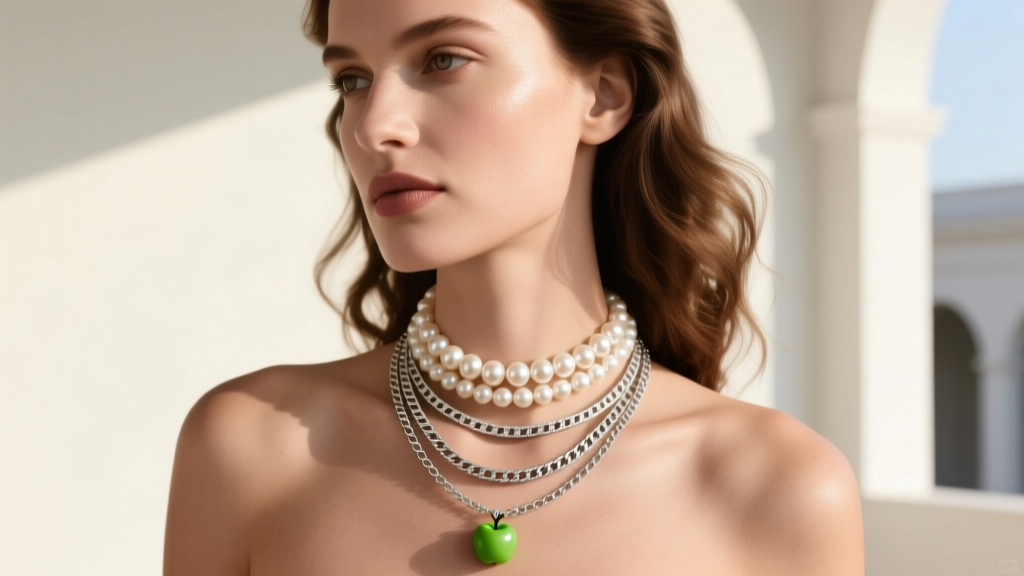
Understanding the intersection of metal weight, enamel technique, and brand markup is crucial for identifying fair market value. Use this pricing framework to evaluate your options in 2026.
| Tier | Materials & Construction | Expected Price Range |
|---|---|---|
| Fast Fashion | Brass base, gold flash plating, cold epoxy resin enamel. | $15 - $45 |
| Accessible Fine | 925 Sterling Silver, rhodium plating, cold enamel or simple vitreous. | $60 - $120 |
| Artisan / Premium | Heavy Gold Vermeil (3+ microns), vitreous enamel, soldered hardware. | $140 - $280 |
| High Jewelry | Solid 14k/18k Gold, Guilloché enamel, micro-pavé diamond accents. | $450 - $2,500+ |
Final Checklist Before You Buy
Before you finalize your purchase, run the fruit charm necklace through this quick structural and material audit:
- Check the Hallmark: Ensure the piece is stamped with 925, 14k, 18k, or a recognized maker’s mark. Avoid unmarked pieces.
- Test the Enamel: Run your fingernail lightly over the colored sections. If it feels raised above the metal dividers or has a plasticky texture, it is cold resin.
- Weigh the Charm: Ask the seller for the exact gram weight of the pendant to ensure you pair it with an appropriately gauged chain.
- Inspect the Bail: The bail (the loop the chain passes through) should be thick enough not to warp and should have a smooth interior so it doesn’t act like a saw against your chain links.
- Verify the Return Policy: Enamel can suffer from microscopic stress fractures during shipping. Ensure you have a 14-day inspection window to check for hairline cracks under bright light.
By prioritizing vitreous enamel, solid metals or heavy vermeil, and structurally sound chain hardware, your fruit charm necklace will transition from a fleeting trend into a timeless, durable staple in your jewelry collection.


