Gabriella Rose Necklace Deep Dive: Metals & Chain Specs
An expert technical analysis of the Gabriella Rose necklace, covering rose gold vermeil grades, chain tensile strength, and clasp durability.

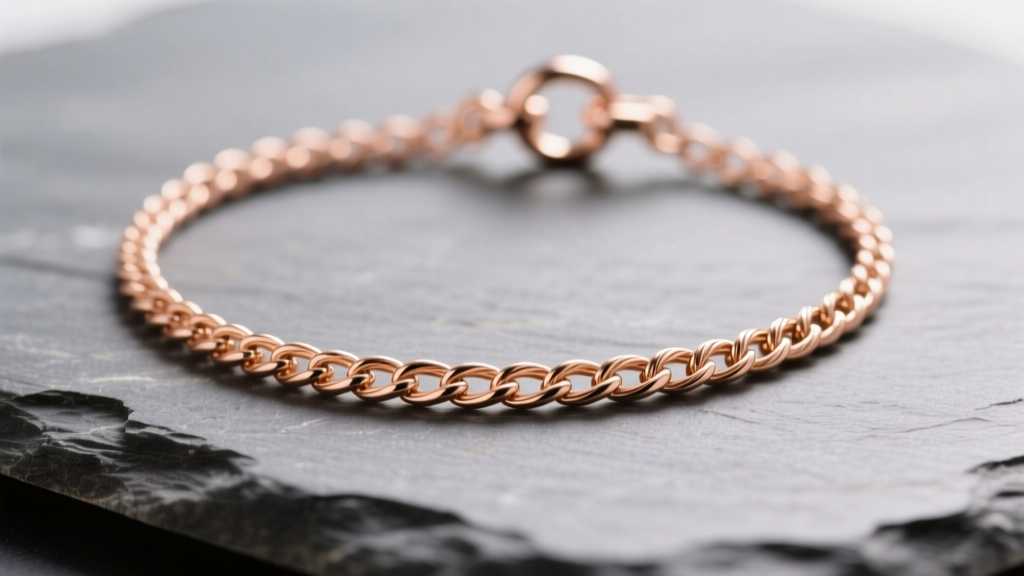
The Engineering Behind Delicate Jewelry
When evaluating fine jewelry, consumers often focus exclusively on aesthetics, overlooking the metallurgical and mechanical engineering that dictates a piece's longevity. The Gabriella Rose necklace collection has garnered significant attention for its delicate, vintage-inspired profiles and personalized motifs. However, beneath the romantic exterior lies a complex interplay of alloy compositions, electroplating thicknesses, and micro-welding techniques. As a domain expert, I am bypassing the standard marketing copy to provide a rigorous technical deep dive into the Gabriella Rose necklace line. We will dissect the exact material grades, chain link tensile strengths, and clasp mechanics that separate heirloom-quality craftsmanship from disposable fashion accessories.
Metallurgical Breakdown: Vermeil vs. Solid Alloys
The foundation of any Gabriella Rose necklace is its base metal and subsequent plating or alloying. The brand frequently utilizes both solid 14k gold and heavy gold vermeil. To understand the durability of these pieces, we must look at the Federal Trade Commission Jewelry Guides, which strictly define vermeil as a sterling silver base coated with gold of at least 10k fineness, with a minimum thickness of 2.5 microns. High-end iterations of the Gabriella Rose necklace often push this electroplating layer to 3.0 or even 5.0 microns, drastically improving the wear-resistance and delaying the inevitable galvanic corrosion that plagues thinner flash-plated alternatives.
The 14k vs 18k Rose Gold Dilemma
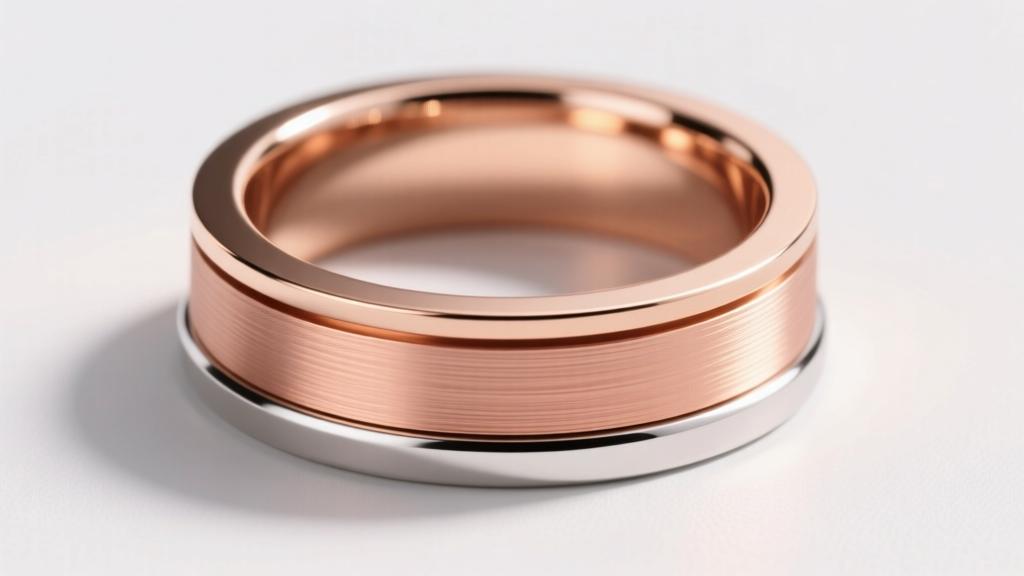
Rose gold is not a naturally occurring metal; it is an alloy created by blending pure yellow gold with copper and silver. The copper provides the signature pinkish-red hue, while silver acts as a stabilizer to prevent the alloy from becoming too brittle. According to the GIA Gold Quality Factors guidelines, the ratio of these metals fundamentally alters the physical properties of the necklace chain.
| Alloy Type | Gold Content | Copper / Silver Ratio | Vickers Hardness (HV) | Tarnish Resistance |
|---|---|---|---|---|
| 14k Rose Gold (Solid) | 58.3% | ~35% Cu / 6.7% Ag | 120 - 140 HV | High (Copper oxidation minimized by lower Cu %) |
| 18k Rose Gold (Solid) | 75.0% | ~22% Cu / 3% Ag | 90 - 110 HV | Very High (Higher pure gold content) |
| 18k Rose Gold Vermeil | 75.0% (Plating) | ~22% Cu / 3% Ag | 85 - 105 HV (Surface) | Moderate (Subject to plating wear-through) |
For the ultra-fine cable chains characteristic of the Gabriella Rose necklace, 14k solid rose gold is mechanically superior. Its higher Vickers hardness (HV) means the micro-links are significantly more resistant to stretching and deformation under tensile stress compared to the softer 18k variants. However, if you are purchasing a vermeil piece, the 18k rose gold plating offers a richer, more saturated copper tint that closely mimics vintage Victorian-era jewelry.
Chain Architecture: Cable, Rolo, and Paperclip Links
The structural integrity of a delicate necklace relies entirely on its chain architecture and the gauge of the wire used to form the links. The Gabriella Rose necklace primarily features micro-cable and rolo chains, typically ranging from 0.8mm to 1.2mm in outer diameter. While these dimensions contribute to the brand's signature ethereal look, they introduce specific mechanical vulnerabilities.
Tensile Strength and Micro-Welding
In mass-market jewelry, chain links are often simply bent into shape and left open, relying on the tension of the metal to stay closed. Under a mere 2 to 3 pounds of tensile force, these unsoldered links will pull apart. The authentic Gabriella Rose necklace utilizes laser micro-welding or traditional soldering at the seam of every individual link. This process fuses the metal at a molecular level, increasing the chain's breaking point to approximately 8 to 12 pounds of force, depending on the specific wire gauge.
'In micro-chain manufacturing, the heat-affected zone during laser welding must be strictly controlled. Excessive heat will anneal the surrounding sterling silver or gold alloy, creating a soft spot that becomes the primary failure point under stress.' — Master Jeweler Bench Notes
When inspecting your Gabriella Rose necklace, use a 10x jeweler's loupe to examine the link seams. A properly welded seam will appear as a smooth, continuous bead of metal without any dark oxidation pits or microscopic gaps, which are indicative of poor flux application during the soldering process.
Clasp Mechanics: Lobster vs. Spring Ring Fail Rates
The clasp is statistically the most common point of failure in any necklace. The Gabriella Rose necklace typically employs either a 5mm spring ring or a 7mm lobster clasp, depending on the weight of the pendant.
While spring rings offer a more delicate, unobtrusive profile that aligns with the brand's aesthetic, they suffer from inherent mechanical flaws. The internal spring mechanism is usually made of hardened steel. If moisture breaches the tiny seam of the gold or silver casing, the steel spring will rust, causing the clasp to seize in the open or closed position. Furthermore, the microscopic lever used to retract the spring is prone to snapping if subjected to lateral torque.
- Spring Ring (5mm): Ideal for chains under 1.0mm. Average lifespan before mechanical failure: 2-4 years with daily wear. Failure mode: Internal spring corrosion or lever snap.
- Lobster Clasp (7mm): Recommended for chains over 1.2mm or pendants exceeding 3 grams. Average lifespan: 5-8+ years. Failure mode: Trigger spring fatigue.
- Magnetic Clasp (Aftermarket upgrade): Neodymium core with a 12-pound pull force. Eliminates mechanical moving parts entirely, though it adds bulk to the neckline.
For long-term durability, Jewelers of America recommends upgrading delicate spring rings to a solid-cast lobster clasp, which utilizes a thicker, more robust internal spring and a wider trigger mechanism that distributes lateral force more evenly.
Gemstone Setting Techniques in the Gabriella Rose Line
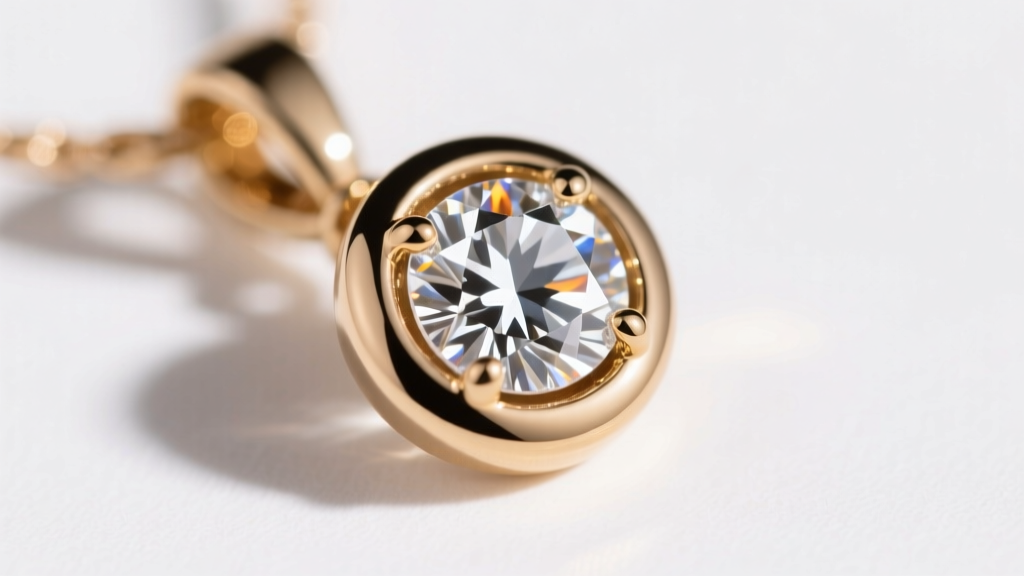
Many Gabriella Rose necklaces feature subtle diamond or gemstone accents, typically ranging from 0.05ct to 0.15ct. The setting technique used to secure these stones is critical for preventing loss. The brand predominantly utilizes micro-bezel and flush (gypsy) settings rather than traditional micro-prong settings.
Micro-prong settings, while maximizing light return, require incredibly thin metal claws (often less than 0.4mm thick). In a delicate necklace that is subject to daily friction against clothing and skin, these micro-prongs are highly susceptible to snagging and bending, leading to stone loss. Conversely, the micro-bezel settings found in the Gabriella Rose necklace feature a continuous rim of metal burnished flush against the gemstone's girdle. This not only protects the stone's fragile edges from impact but also reduces the profile of the setting, allowing the pendant to glide smoothly against the skin without catching on fabrics.
Final Verdict: Price-to-Durability Ratio
From a purely technical standpoint, the Gabriella Rose necklace represents a highly optimized balance between delicate visual weight and structural engineering. By adhering to strict FTC vermeil thickness standards, utilizing laser-welded micro-links, and favoring protective bezel settings over vulnerable prongs, the brand ensures its pieces survive the rigors of daily wear. For buyers seeking the romantic aesthetic of rose gold without the immediate depreciation and mechanical fragility of fast-fashion alternatives, understanding these underlying metallurgical and architectural specifications is the key to making an informed, enduring investment.


