Best Metals For A Garden State Necklace: Material Guide
Discover the best metals and materials for a garden state necklace. Compare casting properties, detail retention, and durability for botanical jewelry.

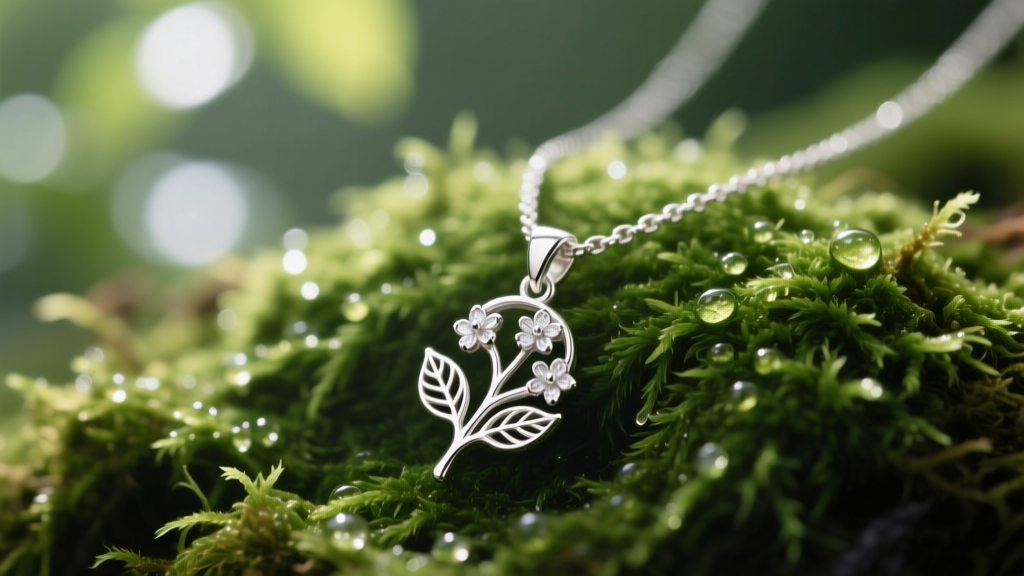
The term garden state necklace has evolved far beyond a simple geographic nod to New Jersey. In the artisan jewelry community, it represents a highly specific niche of botanical jewelry: pendants and chains that capture the intricate, organic structures of local flora, such as the common blue violet (Viola sororia), wild ferns, and delicate garden leaves. Crafting these nature-inspired pieces requires a deep understanding of metallurgy. The microscopic veins of a leaf or the fragile stamen of a flower demand materials and casting techniques that prioritize extreme detail retention over sheer mass.
Whether you are a collector of botanical jewelry or an artisan looking to refine your casting process, choosing the right metal is the difference between a muddy, indistinct pendant and a breathtaking replica of nature. In this guide, we break down the material properties, casting behaviors, and finishing techniques required to create the perfect garden state necklace.
The Anatomy of a Garden State Necklace
A true garden state necklace relies on organic asymmetry. Unlike geometric or minimalist pendants, botanical pieces feature deep undercuts, fragile edges, and complex surface textures. The primary challenge for jewelers is capturing these details without compromising the structural integrity of the metal. The most common methods for achieving this are electroforming and lost-wax casting. Each method interacts differently with various metal alloys, dictating the final weight, durability, and price point of the necklace.
Material Showdown: Capturing Botanical Details
Not all precious metals are created equal when it comes to replicating the delicate cellular structure of plant life. Here is how the most common jewelry metals perform in botanical applications.
Fine Silver (99.9%) & Electroforming
For real-leaf electroforming, fine silver is the undisputed champion. Electroforming involves depositing metal ions onto a conductive surface (like a real leaf coated in copper paint) via an electrolytic bath. Because fine silver is 99.9% pure, it lacks the copper alloys found in sterling silver, resulting in a slower, more controlled crystalline buildup. This allows the metal to capture 1:1 microscopic details, including the stomata and cellular ridges of a violet leaf. However, fine silver is exceptionally soft (Vickers hardness of ~25 HV), meaning large, heavy electroformed pendants can bend if snagged.
Sterling Silver (92.5%) & Lost-Wax Casting
When jewelers use the lost-wax method to cast botanical molds, sterling silver is the industry standard. Melting at approximately 1,640°F (893°C), sterling silver flows beautifully into intricate investment molds. However, artisans must account for a shrinkage rate of 1.5% to 2.0% as the metal cools. While this slight reduction is negligible for a ring band, it can soften the razor-sharp edges of a cast fern frond. To combat this, master casters use specialized dental-grade investment powders that expand slightly to offset the silver's shrinkage.
Bronze and Brass: The Earthy Alternatives
For a more rustic, earthy garden state necklace, bronze (typically 90% copper, 10% tin) and brass (67% copper, 33% zinc) are exceptional choices. Bronze has a slightly higher melting point and a thicker viscosity when molten, which can sometimes lead to minor porosity in ultra-thin leaf edges. However, its natural tendency to oxidize and develop a rich, dark patina is highly desirable for botanical jewelry. By applying a liver of sulfur solution and then lightly polishing the high points, artisans can create a stark contrast that makes the deep veins of a botanical pendant pop.
The Lost-Wax Casting Process for Flora Pendants
Creating a high-end garden state necklace via lost-wax casting is a meticulous process. The jeweler first creates a master model—either by hand-carving wax or 3D printing a high-resolution resin cast of a real plant. This model is encased in a plaster-like investment material and placed in a kiln. The burnout cycle typically peaks at 1,350°F to 1,400°F, turning the wax to ash and leaving a perfect negative cavity.
According to casting guidelines from industry suppliers like Rio Grande, the flask must be cast at the exact right temperature. If the metal is too cool, it will freeze before reaching the microscopic tips of a leaf mold, resulting in 'incomplete fill.' If it is too hot, the investment mold can break down, causing a rough, sandy surface texture on the silver that ruins the delicate botanical illusion.
Comparison Chart: Detail Retention & Tarnish Resistance
When selecting the metal for your garden state necklace, you must balance detail retention with everyday wearability and maintenance. Use the table below to compare the most popular botanical jewelry materials.
| Material | Casting Method | Detail Retention | Tarnish Resistance | Avg. Pendant Price Range |
|---|---|---|---|---|
| Fine Silver (99.9%) | Electroforming | Exceptional (Microscopic) | Moderate | $65 - $140 |
| Sterling Silver (92.5%) | Lost-Wax | High (Slight Shrinkage) | Low (Requires Rhodium) | $80 - $250 |
| Solid 14k Yellow Gold | Lost-Wax | High | Excellent | $450 - $900+ |
| Jeweler's Bronze | Lost-Wax | Medium-High | Very Low (Patina desired) | $40 - $95 |
| Enamel over Copper | Die-Struck/Cast | Low (Fills in details) | High (Glass coating) | $35 - $80 |
Chain Pairing: Matching Gauges to Organic Pendants
A garden state necklace is only as cohesive as its chain. Botanical pendants are visually 'heavy' due to their intricate textures, even if they are physically lightweight. Pairing a delicate, 0.5mm cable chain with a large, textured silver violet pendant will result in a visually unbalanced piece and put undue stress on the chain links.
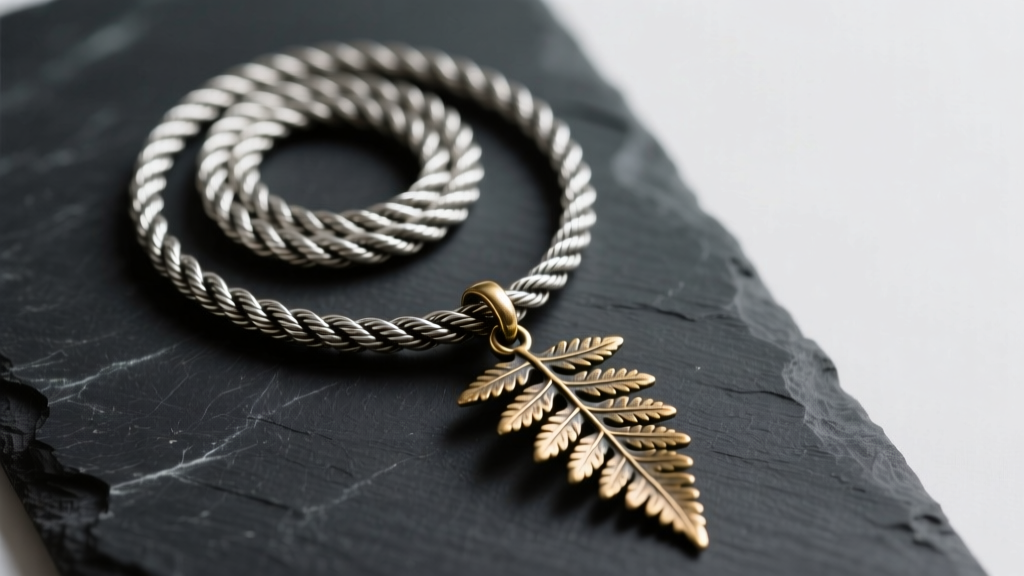
- Rope Chains (1.2mm - 1.8mm): The twisted texture of a rope chain mimics the organic, twisting vines of a garden. It is the premier choice for heavy bronze or solid gold botanical pendants.
- Box Chains (1.0mm - 1.5mm): Offer a modern, geometric contrast to the wild, organic shapes of a leaf pendant. Excellent for polished sterling silver pieces.
- Wheat Chains (1.5mm - 2.0mm): The braided, woven look of a wheat chain pairs beautifully with electroformed fine silver, echoing the natural patterns found in wheat stalks and tall garden grasses.
Care and Patina Management for Cast Botanicals
The deep crevices that make a garden state necklace beautiful are also traps for moisture, skin oils, and environmental sulfur. Sterling silver botanical pendants will tarnish rapidly in these deep veins, turning black and making the piece look dirty rather than artistic.
To manage this, professional jewelers use a technique called selective antiquing. By intentionally submerging the pendant in a diluted liver of sulfur (potassium sulfide) bath, the jeweler forces the deep veins to oxidize to a dark, uniform black. They then use a polishing cloth or a mild abrasive pad to remove the oxidation only from the high, flat surfaces of the leaf. This not only protects the deep crevices from unpredictable, patchy tarnishing but also dramatically enhances the 3D relief of the botanical design. For daily maintenance, store your necklace in an anti-tarnish ziplock bag with a silica gel packet to prevent moisture-induced corrosion, especially if you live in a humid, coastal climate.
Final Thoughts on Botanical Metallurgy
Selecting the right material for a garden state necklace requires a compromise between microscopic fidelity and structural durability. If you prioritize the exact, 1:1 replication of a delicate garden violet, fine silver electroforming is your best path. If you need a durable, everyday piece that can withstand the rigors of daily wear while maintaining an organic aesthetic, a heavily oxidized sterling silver or bronze lost-wax casting will serve you beautifully. By understanding the metallurgical properties of these alloys, you can choose a piece of botanical jewelry that will bloom for a lifetime.


