How to Make a String Necklace: Durability and Care Guide
Learn how to make a string necklace that lasts. Expert tips on cord selection, secure knotting, sealing adhesives, and material-specific cleaning.

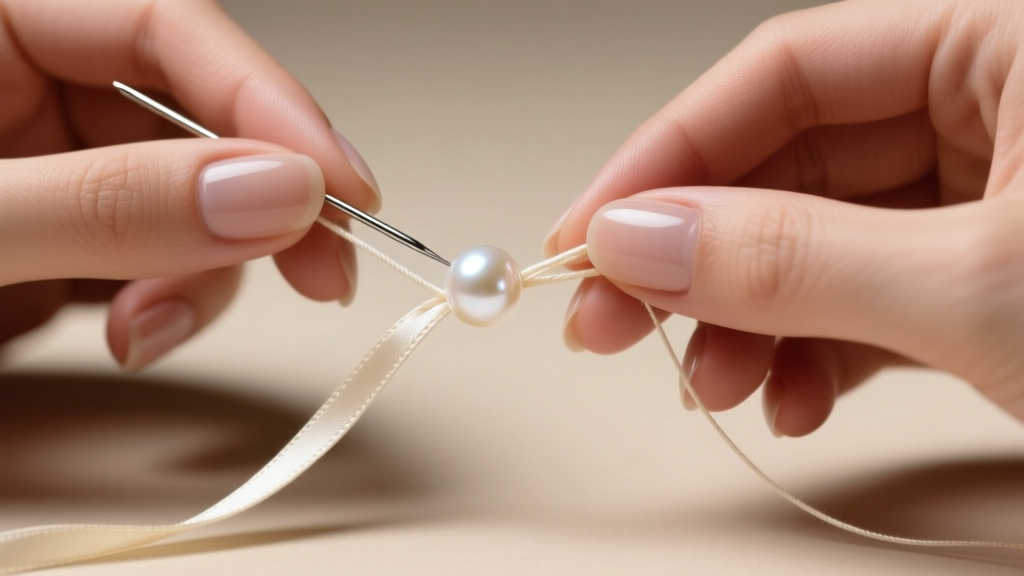
String necklaces offer an organic, lightweight, and highly customizable alternative to traditional metal chains. However, learning how to make a string necklace that withstands daily wear requires a deep understanding of material science, knot mechanics, and long-term maintenance. A poorly constructed or improperly cared-for cord can snap, stretch, or degrade, risking the loss of valuable pendants and gemstones. This comprehensive guide covers the exact specifications for cord selection, structural knotting, and material-specific cleaning protocols to ensure your handmade pieces endure.
The Foundation: Choosing the Right Cord for Longevity
The lifespan of a string necklace is dictated entirely by its core material. As of 2026, the market offers highly specialized cords, each with distinct tensile strengths and environmental vulnerabilities.
Griffin 100% Natural Silk
Silk is the undisputed gold standard for pearl knotting and delicate gemstones. It is available in precise metric sizes, from #0 (0.30mm) for seed pearls to #16 (1.05mm) for heavy amber or turquoise beads. Silk is a protein fiber, meaning it is highly susceptible to acidic sweat, perfumes, and prolonged moisture. While it offers a beautiful drape, it requires the most stringent maintenance.
Nylon and Polyester (Chinese Knotting Cord)
For heavy stone pendants or daily-wear chokers, synthetic cords are superior. Nylon cords (typically measured in 0.5mm to 2.0mm diameters) offer immense tensile strength and are entirely waterproof. They do not stretch when wet and resist UV degradation, making them ideal for active lifestyles.
Leather and Waxed Cotton
Leather provides a rustic, masculine aesthetic but is highly porous. It absorbs skin oils and environmental humidity, which can lead to dry rot if not conditioned. Waxed cotton repels light moisture but can trap sebum against the fibers, leading to localized stiffening and eventual snapping.
How to Make a String Necklace: Secure Knotting & Sealing
When figuring out how to make a string necklace securely, the knot is your primary failure point. Standard overhand knots slip under variable tension. Instead, professional jewelers rely on friction-heavy knots and chemical sealants.

The Surgeon's Knot
The Surgeon's Knot is essential for joining two ends of a cord or securing a clasp loop. It is essentially a square knot with an extra twist in the first throw, which provides crucial friction to hold the knot in place while you tie the second half-hitch. According to the experts at Animated Knots by Grog, this extra wrap prevents the knot from loosening under load before the final lock is set.
Chemical Sealing Protocols
Never use cyanoacrylate (Super Glue) on nylon or silk. Cyanoacrylate cures into a hard, brittle plastic that can crack and slice through the cord fibers over time. Instead, use G-S Hypo Cement. This jeweler's adhesive remains flexible after curing and wicks deep into the cord fibers via capillary action. Apply a micro-drop using a 0.5mm precision needle tip, allowing it to cure for 24 hours before wearing.
Pro Tip: If you are finishing a necklace with a metal clasp, always thread the cord through a wire guardian (also known as French wire or gimp). This tiny, horseshoe-shaped metal finding prevents the metal clasp ring from sawing through your string cord over months of friction.
Routine Care and Cleaning Protocols by Material
Cleaning a string necklace is not a one-size-fits-all process. Submerging the wrong material in water can destroy the structural integrity of the piece. Below is a decision matrix for maintaining your cords.
| Cord Material | Routine Cleaning (Weekly) | Deep Cleaning (Bi-Annually) | Strictly Avoid |
|---|---|---|---|
| Silk | Wipe with a dry, lint-free microfiber cloth. | Spot clean only with a barely damp cloth and mild castile soap. | Submersion, ultrasonic cleaners, harsh chemicals, perfumes. |
| Nylon | Rinse under lukewarm tap water. | Soak in warm water with a drop of Dawn dish soap; scrub gently with a baby toothbrush. | Bleach, extreme heat (can melt synthetic fibers). |
| Leather | Wipe with a dry horsehair brush to remove dust and dead skin. | Clean with saddle soap, then apply a micro-layer of Lexol or mink oil conditioner. | Water submersion, alcohol-based cleaners, direct sunlight. |
| Waxed Cotton | Wipe with a slightly damp cloth. | Use a mild soap solution; re-wax with beeswax cord conditioner if it looks dry. | Hot water (strips the protective wax coating). |
Special Considerations for Pearls on Silk
If your string necklace features pearls, the cleaning protocol must account for both the gemstone and the cord. The Gemological Institute of America (GIA) emphasizes that pearls are highly sensitive to acids and dry environments. Never use commercial jewelry dips on a pearl necklace, as the chemicals will dissolve the nacre and simultaneously rot the silk thread. Always apply perfumes and hairsprays before putting on a silk and pearl necklace.
Troubleshooting Common String Necklace Failures
Even with meticulous construction, environmental factors can cause wear. Here is how to diagnose and fix common issues:
- Fraying at the Clasp: This is almost always caused by metal-on-cord abrasion. Fix: Cut the cord, add a sterling silver or gold-filled wire guardian, and re-tie using a Surgeon's knot.
- Visible Stretching (Gaping between beads): Silk can stretch up to 10% when exposed to moisture and the weight of beads. Fix: The necklace must be completely re-strung. To prevent this, always pre-stretch silk cord by hanging a light weight on it for 24 hours before knotting.
- Stiff, Discolored Leather: Caused by the absorption of sweat and environmental pollutants. Fix: Clean with saddle soap to strip the old oils, let it dry naturally away from heat, and massage in a dedicated leather conditioner to restore suppleness.
Storage Best Practices to Prevent Degradation
How you store your string necklaces is just as critical as how you clean them. Gravity and climate are the enemies of organic and semi-organic fibers.
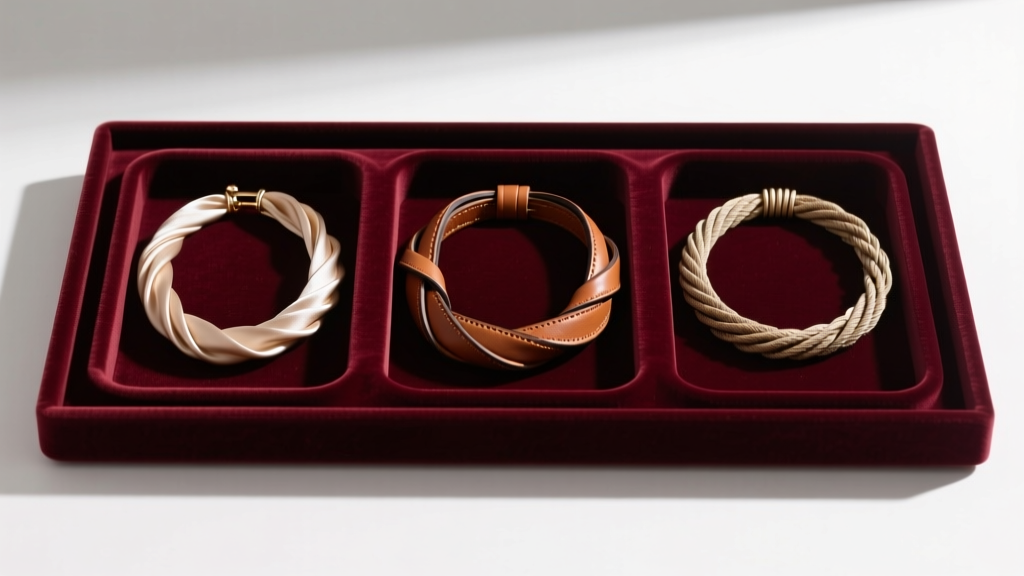
Never hang heavy stone pendants on silk or leather cords for long-term storage. The constant downward pull of gravity will cause permanent micro-tears in the fibers, leading to sudden, catastrophic snapping. Instead, coil your necklaces into a 3-inch to 4-inch diameter circle. Store them flat in a velvet-lined jewelry tray or a soft pouch.
For leather and waxed cotton, climate control is essential. Store these pieces in an environment with roughly 40% to 50% relative humidity. If the air is too dry, the leather will crack; if it is too humid, mold can develop within the porous fibers. By mastering these construction and care techniques, you ensure that the string necklaces you create will remain beautiful, secure, and wearable for decades.


