Gem Pendant Necklace Buying Guide: What to Look For
Discover what to look for in a gem pendant necklace. Our expert buying guide covers Mohs hardness, chain gauges, setting types, and real pricing.

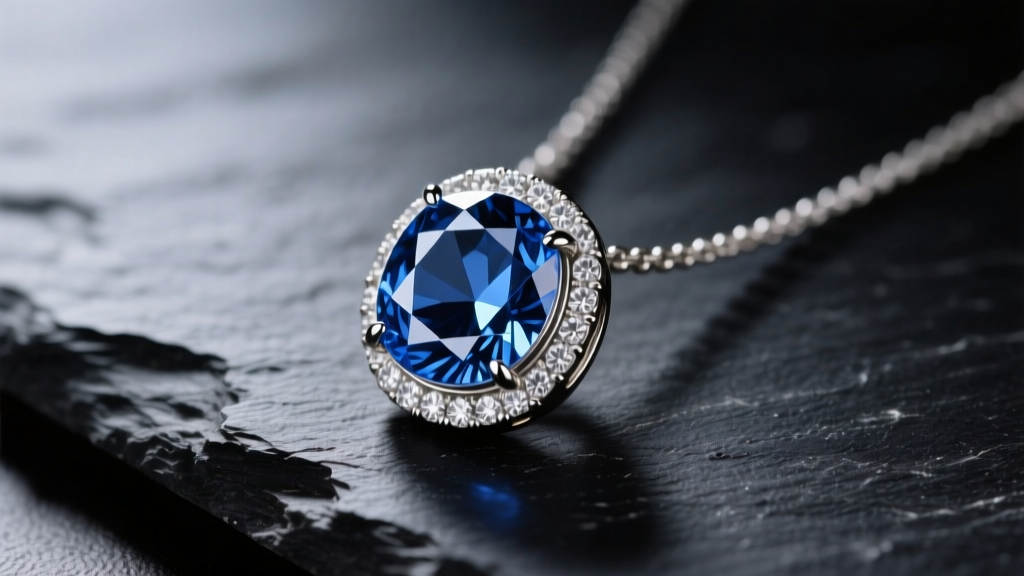
Purchasing a high-quality gem pendant necklace requires looking far beyond the initial sparkle. As we navigate the 2026 jewelry market, buyers are presented with an overwhelming array of lab-grown alternatives, ethically sourced natural stones, and varied metallurgical settings. Whether you are investing in a daily-wear sapphire or a delicate opal for occasional use, understanding the intersection of lapidary science and jewelry engineering is critical. This comprehensive buying guide breaks down the exact specifications, material grades, and structural nuances you must evaluate before adding a gemstone pendant to your collection.
Decoding Gemstone Durability: The Mohs Scale & Daily Wear
The most common mistake buyers make is assuming all gemstones can withstand the rigors of daily wear. The Gemological Institute of America (GIA) utilizes the Mohs scale of mineral hardness to rank a stone's resistance to scratching. However, hardness is only one part of the durability equation; you must also consider tenacity (resistance to breaking) and cleavage (the tendency to split along structural planes).
- Corundum (Ruby & Sapphire): Ranking at a 9 on the Mohs scale, these are the ultimate choices for an everyday gem pendant necklace. They lack true cleavage, meaning they are highly resistant to chipping.
- Beryl (Emerald & Morganite): Ranking between 7.5 and 8, beryl is reasonably hard but notoriously brittle. Emeralds almost always contain surface-reaching inclusions (jardin) that compromise their structural integrity.
- Quartz (Amethyst, Citrine, Tourmaline): Sitting at a 7, quartz is susceptible to scratching from household dust (which contains silica, also a 7). These are best reserved for occasional wear or protected settings.
- Opal & Pearl: Ranging from 2.5 to 6.5, these organic and water-bearing stones require meticulous care and should never be worn in the shower or during physical activity.
Expert Insight: Never buy an emerald gem pendant necklace with a thin girdle. Emeralds are Type III clarity stones; a thin edge will almost certainly chip upon impact with a hard surface like a marble countertop.
Setting Styles That Protect Your Gemstone
The metalwork securing your stone dictates its lifespan. When evaluating a gem pendant necklace, inspect the setting under magnification or request high-resolution macro photography from the jeweler.
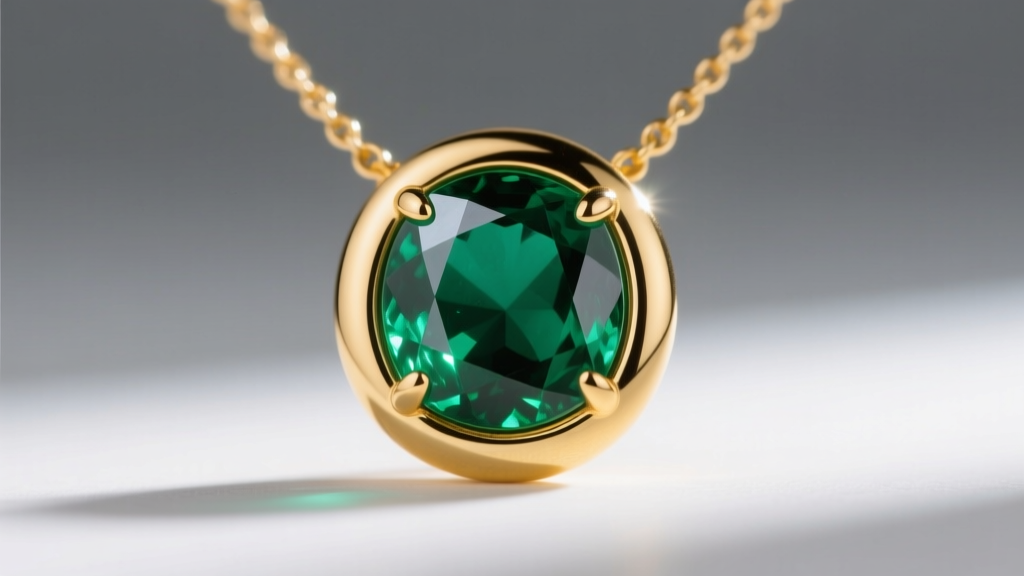
The Bezel Setting
A full bezel setting wraps a continuous rim of metal (typically 1.0mm to 1.5mm thick) entirely around the gemstone's girdle. This is the gold standard for protecting fragile stones like opals, emeralds, and tanzanite. While it reduces the amount of light entering the pavilion by roughly 10%, the trade-off in structural security is invaluable for pendants, which are prone to swinging and striking surfaces.
The Prong Setting
Prong settings maximize light return but leave the gemstone's edges exposed. If you opt for a prong-set gem pendant necklace, ensure the prongs are at least 1.2mm in wire thickness. For stones with pointed edges (like pear or marquise cuts), always demand V-prongs, which cup the fragile tips in a protective metal triangle rather than gripping them with a single, high-stress point.
Chain Selection: Gauge, Length, and Clasp Mechanics
A heavy gemstone pendant paired with a weak chain is a recipe for catastrophic loss. The chain must be engineered to support the pendant's specific gram weight without suffering from link distortion or clasp failure.
- Pendant Weight under 3 grams: A 0.8mm to 1.0mm cable or rolo chain is sufficient.
- Pendant Weight 3 to 8 grams: Upgrade to a 1.2mm to 1.5mm box or wheat chain. These interlocking geometric patterns distribute tensile stress evenly across the links.
- Pendant Weight over 8 grams: Require a minimum 2.0mm gauge chain, ideally in a forged rope or solid curb style.
Equally important is the bail—the loop connecting the pendant to the chain. Ensure the bail has an inner diameter of at least 3.0mm to accommodate standard chains without causing friction wear on the metal. Furthermore, avoid spring ring clasps for any pendant exceeding 4 grams; their internal springs weaken over time. Always opt for a 12mm or 15mm lobster clasp, which features a more robust internal mechanism and a heavier trigger spring.
The 2026 Pricing Matrix: What You Should Actually Pay
Pricing in the gemstone market fluctuates based on origin, treatment, and whether the stone is natural or lab-grown. Below is a benchmark table to help you evaluate if a retailer's asking price aligns with current market realities for fine jewelry.
| Gemstone Type | Typical Carat Weight | Metal Setting | Estimated Price Range (USD) | Daily Wear Rating |
|---|---|---|---|---|
| Lab-Grown Sapphire | 1.50 ct | 14k Yellow Gold | $350 - $550 | Excellent (Mohs 9) |
| Natural Amethyst | 3.00 ct | Sterling Silver | $80 - $150 | Moderate (Mohs 7) |
| Natural Emerald (Oiled) | 1.20 ct | 18k White Gold | $800 - $1,500 | Poor/Fair (Mohs 7.5) |
| Australian Solid Opal | 2.00 ct | 14k Rose Gold | $600 - $1,200+ | Poor (Mohs 5.5) |
| Lab-Grown Diamond | 1.00 ct | Platinum | $700 - $1,100 | Excellent (Mohs 10) |
When comparing prices, always factor in the metal weight. A 14k gold setting containing 4 grams of gold holds intrinsic scrap value that a lightweight, 1-gram stamped setting lacks, justifying a higher initial premium.
Spotting Synthetics, Imitations, and Treatments
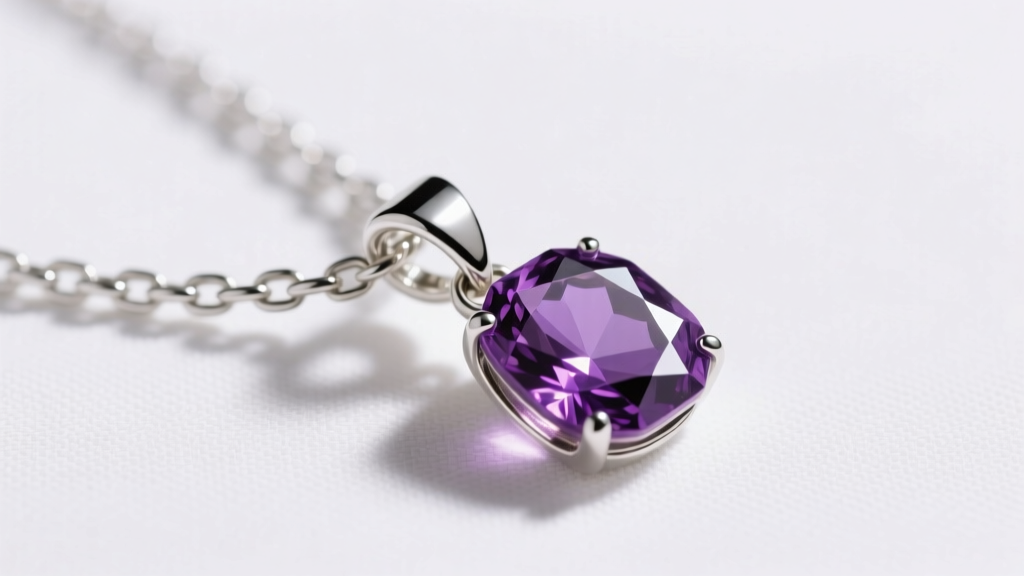
Transparency is paramount when buying a gem pendant necklace. According to the Federal Trade Commission (FTC) Jewelry Guides, sellers are legally required to disclose treatments that affect the value or durability of a stone. Here is what you need to look for in the product specifications:
- Heat Treatment: Widely accepted for rubies and sapphires. It permanently enhances color and clarity without compromising durability. No special care is required.
- Fracture Filling (Oiling/Resin): Standard for emeralds, but the filling can melt or be dissolved by ultrasonic cleaners, hot water, or harsh chemicals. The seller must explicitly state 'clarity enhanced' or 'oiled'.
- Lattice Diffusion: A treatment primarily used on sapphires where foreign elements are introduced at high heat to change the color. This drastically lowers the stone's value compared to unheated or simply heated stones and must be disclosed.
- Doublets and Triplets: Common in opals, where a thin slice of precious opal is glued to a glass or quartz cap to mimic a solid stone. These are highly susceptible to water damage, which will dissolve the adhesive and turn the stone cloudy.
Final Pre-Purchase Checklist
Before finalizing your checkout, run through this quick diagnostic checklist to ensure you are investing in a structurally sound and fairly priced piece:
- Verify the Mohs Rating: Is the stone hard enough for your intended wear schedule?
- Inspect the Girdle: Is the edge of the gemstone sufficiently thick to resist chipping?
- Evaluate the Setting: Are fragile points protected by V-prongs or a bezel?
- Check Chain Gauge: Is the chain thickness rated for the pendant's exact gram weight?
- Read the Disclosures: Have all clarity enhancements, lab-grown origins, and assembly methods (like doublets) been clearly stated?
By prioritizing structural engineering and material transparency over sheer carat size, you will secure a gem pendant necklace that remains brilliant, intact, and beautiful for decades to come.


