Designing a Custom Necklace for Mom: Troubleshooting 5 Pitfalls
Avoid common pitfalls when designing a custom necklace for mom. Learn how to troubleshoot metal allergies, chain breakage, and engraving errors.

The Emotional Weight (and Technical Risk) of Custom Jewelry
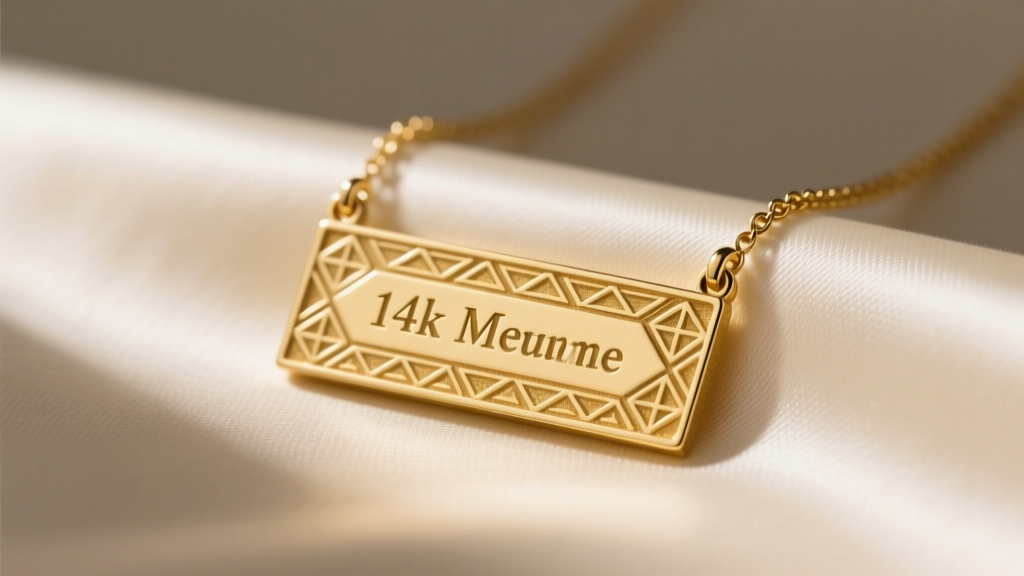
Designing a custom necklace for mom is a deeply personal endeavor. Whether you are commemorating a milestone birthday, celebrating the birth of a new grandchild, or simply honoring her role in your life, custom jewelry carries immense emotional weight. However, the bespoke jewelry process is fraught with technical pitfalls that can turn a sentimental gift into a frustrating disappointment. From hidden metal allergies to structural chain failures, the difference between an heirloom and a broken trinket lies in the metallurgical and mechanical details.
As a senior jewelry analyst, I frequently see custom pieces fail not because of poor design concepts, but due to a lack of understanding regarding material science and daily wear mechanics. In 2026, consumers have more customization options than ever, but this accessibility requires a more rigorous approach to quality control. This guide will troubleshoot the five most common points of failure when ordering a custom necklace for mom, providing actionable specifications to ensure your gift lasts a lifetime.
Pitfall 1: Metal Allergies and Skin Reactions
The most frequent complaint I encounter with custom pendants is contact dermatitis. Moms often wear their necklaces 24/7, exposing the metal to sweat, perfumes, lotions, and shower water. If your custom necklace for mom features white gold, you must understand the hidden nickel problem.
The Nickel Problem and Hypoallergenic Alternatives
Standard 14k and 18k white gold alloys rely on nickel or palladium to bleach the yellow hue of pure gold. Nickel is a notorious allergen. While white gold is typically plated with rhodium to create a bright white finish and act as a barrier, this plating wears off within 6 to 18 months of daily wear, exposing the reactive nickel alloy beneath. According to the Federal Trade Commission Jewelry Guides, there is no strict legal threshold for the term 'hypoallergenic,' making it a marketing term rather than a metallurgical guarantee.
The Troubleshooting Fix: If your mother has sensitive skin, bypass white gold entirely. Opt for 950 Platinum (95% pure platinum, naturally white, and inherently hypoallergenic) or 18k Palladium White Gold (which uses palladium instead of nickel as the bleaching agent). For a budget-friendly alternative, specify 316L Surgical Stainless Steel, which contains virtually no free nickel and resists tarnish exceptionally well.
Pitfall 2: Chain Breakage and Clasp Failures
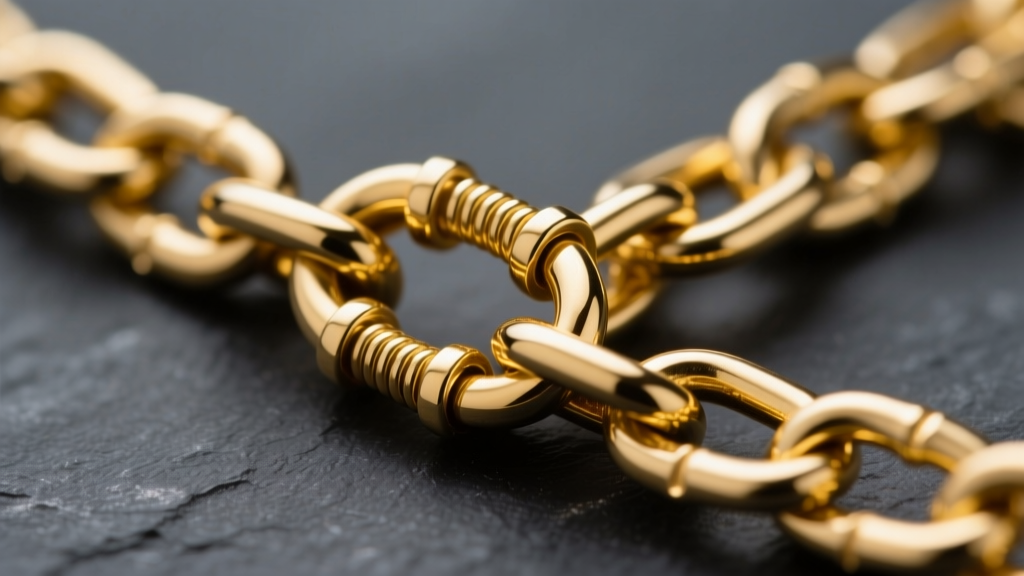
A custom pendant is only as secure as the chain holding it. Moms are active; they pull sweaters over their heads, carry grandchildren, and navigate busy households. Delicate, trendy chains often fail under this mechanical stress. Furthermore, the clasp is the single weakest point of any necklace.
Matching Chain Architecture to Daily Wear
Snake chains and herringbone chains, while visually striking, are structurally compromised for daily wear. Their interlocking, flush links cannot bend independently, meaning a single kink permanently weakens the chain's tensile strength, leading to inevitable snapping. Box chains, though durable, feature sharp internal corners that catch and break fine hair.
The Troubleshooting Fix: Mandate a Rolo or Cable chain with a minimum thickness of 1.2mm to 1.5mm. These styles feature independently moving, uniformly shaped links that distribute tension evenly and resist kinking. Always upgrade the clasp from a standard spring-ring (which relies on a weak internal coil and tiny soldered jump ring) to a solid lobster claw clasp with a soldered, seamless jump ring.
| Chain Style | Durability Score | Snag/Kink Risk | Best Use Case |
|---|---|---|---|
| Rolo (1.5mm) | 5/5 | Very Low | Heavy pendants, 24/7 daily wear |
| Cable (1.2mm) | 4/5 | Low | Lightweight custom nameplates |
| Box (1.0mm) | 3/5 | Medium (Hair snag) | Geometric pendants, occasional wear |
| Snake (1.5mm) | 1/5 | High (Kinking) | Display only, no pendants |
| Herringbone | 1/5 | Extreme | Layering only, high maintenance |
Pitfall 3: Engraving Legibility and Font Disasters
When personalizing a custom necklace for mom with names, dates, or coordinates, the engraving method and font choice dictate the piece's longevity. A common mistake is selecting an intricate, thin serif font that looks beautiful on a computer screen but becomes an illegible blur when scaled down to a 15mm pendant.
Laser vs. Rotary Engraving Depth
As of 2026, fiber laser engraving is the industry standard for custom jewelry. Lasers offer microscopic precision, but they only alter the surface color or remove a fraction of a millimeter of metal. Rotary (diamond drag) engraving physically carves into the metal. While rotary offers deeper grooves that hold enamel or patina, it requires a wider surface area and thicker metal gauge to prevent warping.
The Troubleshooting Fix: For pendants smaller than 20mm in diameter, strictly use sans-serif or block fonts (like Helvetica or Futura) with a minimum character height of 1.5mm. If you are engraving coordinates or long messages on the back of a locket, request deep fiber laser engraving followed by a dark antiquing polish to create high contrast, ensuring the text remains readable even as the surrounding metal develops a natural patina over the decades.
Pitfall 4: Birthstone Setting Failures
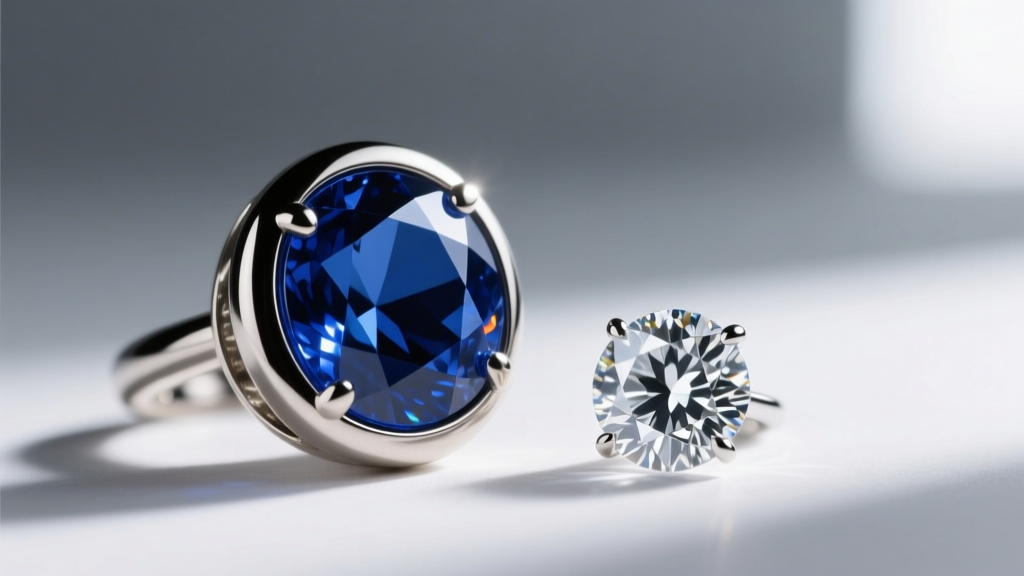
Incorporating children's birthstones is a classic motif for a custom necklace for mom. However, gemstone loss is a rampant issue in custom jewelry, primarily driven by improper setting selection and a misunderstanding of the Mohs hardness scale.
Prong vs. Bezel Settings for Active Lifestyles
Prong settings (using 4 or 6 metal claws) maximize light return and make stones appear larger. However, prongs catch on knitwear, seatbelts, and towels. Over time, the metal fatigues, the prongs lift, and the stone falls out. Furthermore, if you are using soft stones like Opal (Mohs 5.5-6.5), Pearl (Mohs 2.5-4.5), or Turquoise (Mohs 5-6), prong pressure during the setting process can crack the stone, and daily knocks will chip the exposed girdle.
The Troubleshooting Fix: For a mother's daily-wear necklace, always specify a bezel setting. A bezel setting surrounds the entire circumference of the gemstone with a continuous rim of metal, protecting the fragile girdle from impact and eliminating snag points. The Gemological Institute of America (GIA) notes that while bezels slightly reduce brilliance, they increase structural security exponentially. For stones below a 7 on the Mohs scale, a bezel is not just a recommendation; it is a mandatory requirement for survival.
Pitfall 5: Incorrect Chain Length and Neckline Clashes
A beautifully crafted pendant will sit in a jewelry box if the chain length clashes with the wearer's wardrobe and anatomy. Custom necklaces are often ordered in a standard 18-inch length without considering the recipient's specific proportions or style preferences.
'The most common return we see for custom pendants isn't due to a flaw in the metalwork, but because the 16-inch choker length the client chose ends up hiding beneath the collar of their mother's preferred blouses and crew-neck sweaters.'
— Master Bench Jeweler, Jewelers of America Member
The Neckline Matrix
To troubleshoot length issues, analyze your mother's existing wardrobe. If she favors high necklines, turtlenecks, or button-down shirts, an 18-inch or 20-inch chain is required so the pendant rests visibly on the fabric. If she prefers V-necks, scoop necks, or open collars, a 16-inch to 17-inch chain will sit perfectly in the clavicle hollow, framing the face without getting lost in the clothing folds.
The Troubleshooting Fix: When in doubt, order the custom necklace with an 18-inch chain featuring a 2-inch extender. This provides a versatile 18-to-20-inch range, allowing the pendant to adapt to seasonal wardrobe changes and ensuring it always sits at the optimal focal point.
Final Pre-Order Troubleshooting Checklist
Before you finalize the design and submit your payment, run your specifications through this final quality-control checklist to guarantee your custom necklace for mom meets heirloom standards:
- Hallmark Verification: Ensure the CAD design includes a stamped quality mark (e.g., '14K', '950Pt') and the maker's mark on the back of the pendant or the clasp tag.
- Bail Proportion: Check that the pendant's bail (the loop connecting it to the chain) is at least 1.5x wider than the chain's thickness to prevent metal-on-metal friction and premature wear.
- Proofreading: Have three different people verify the spelling of names, dates, and coordinates in the digital proof. Custom pieces are generally non-refundable.
- Edge Finishing: Specify 'milgrain' or 'tumbled' edges if the pendant has sharp geometric corners to prevent the metal from scratching her skin.
By approaching the design process with a technical, problem-solving mindset, you elevate your gift from a simple accessory to a flawlessly engineered, deeply meaningful heirloom that your mother will wear with pride for decades to come.


