The Beginner's Guide to Buying a Genuine Coral Heishi Necklace
Discover how to choose, style, and care for a genuine coral heishi necklace. Learn about bead grades, dye detection, and pricing in our beginner guide.

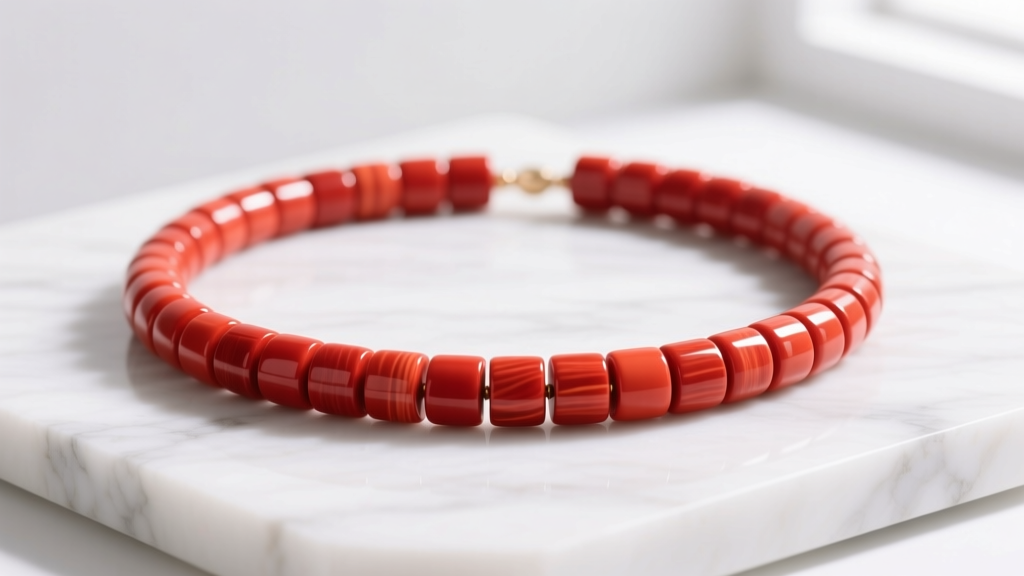
When building a versatile, culturally rich jewelry collection, few pieces offer the vibrant warmth and historical depth of a coral heishi necklace. For beginners, the world of coral jewelry can feel like a minefield of synthetic imitations, heavily dyed substitutes, and confusing terminology. Whether you are drawn to the deep, oxblood reds of Mediterranean coral or the soft, peachy hues of Angel Skin varieties, understanding what you are buying is crucial. This comprehensive guide will walk you through the origins, material grades, authentication techniques, and proper care required to invest in a genuine coral heishi necklace with absolute confidence.
What Exactly Is a Coral Heishi Necklace?
The term "heishi" (pronounced hee-shee) originates from the Kewa Pueblo (formerly Santo Domingo) people of New Mexico. Historically, the word translates to "shell" and referred to hand-rolled, disc-shaped beads made from turquoise, lapis lazuli, and ocean shells. Today, the jewelry industry uses the term "heishi" to describe any bead that is cut into flat discs, saucers, or short, uniform tubes that sit flush against one another when strung.
A coral heishi necklace features these meticulously shaped coral beads. Because coral is an organic gemstone—primarily composed of calcium carbonate in the form of aragonite—it requires immense skill to cut into uniform heishi shapes without fracturing the material. High-quality coral heishi beads feature incredibly tight tolerances, with drill holes typically ranging from 0.8mm to 1.2mm, allowing the strand to drape with the fluidity of liquid silk.
Genuine vs. Dyed: How to Spot the Difference
The most common trap for first-time buyers is purchasing dyed bamboo coral masquerading as precious red coral. According to the Federal Trade Commission's Jewelry Guides, any gemstone that has been artificially colored must be disclosed as "dyed." However, many mass-market retailers fail to provide this transparency.
The Bamboo Coral Substitution
Bamboo coral (Keratoisis) is a porous, deep-sea coral that is naturally grey or chalky white. Because its internal structure resembles a sponge, it absorbs dyes readily. Manufacturers bleach it, inject it with red or pink epoxy dyes, and sometimes coat it in a polymer resin to mimic the waxy luster of genuine precious coral. While bamboo coral is a legitimate organic material, it lacks the density, rarity, and value of true precious coral.
Three At-Home Authentication Tests
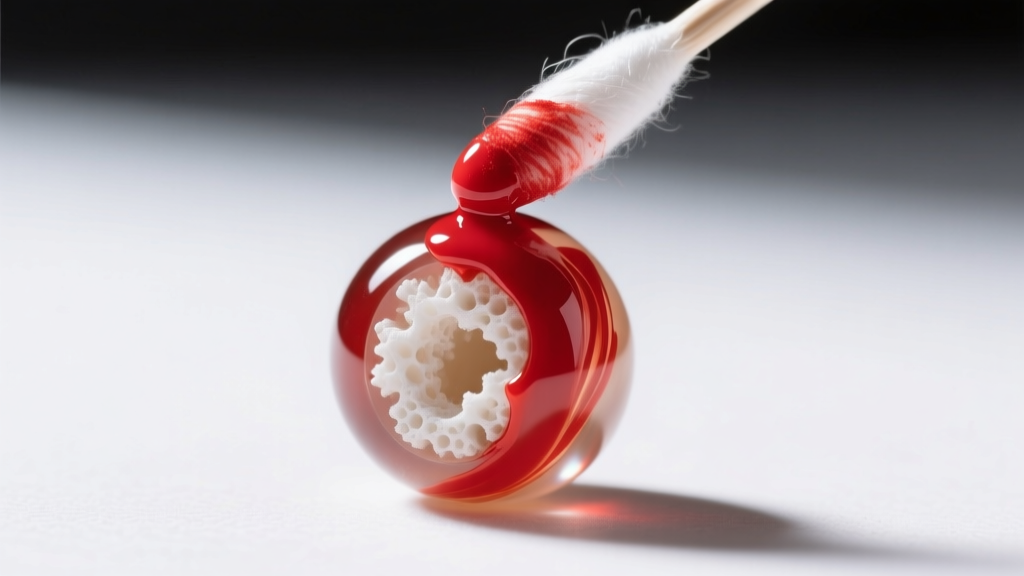
- The Acetone Test: Dampen a cotton swab with pure acetone (nail polish remover) and rub it firmly against an inconspicuous bead. If the swab turns red or pink, the coral is dyed. Genuine, untreated precious coral will not bleed color.
- The Drill Hole Inspection: Use a jeweler's loupe (10x magnification) to examine the drill holes. In dyed bamboo coral, you will often see a concentration of dark dye pooling inside the porous holes, while the core may appear stark white if chipped.
- The Hot Pin Test (Proceed with Caution): Heating a needle until it is red hot and touching it to an inconspicuous area will melt polymer-stabilized coral or plastic imitations, releasing a chemical smell. Genuine coral will not melt, though it may emit a faint scent similar to burning calcium or bone.
Understanding Coral Species and Market Pricing
The Gemological Institute of America (GIA) categorizes precious coral into several distinct species, each with unique color profiles and market values. When shopping for a coral heishi necklace, the species dictates the price point far more than the bead size.
| Coral Type | Scientific Name | Color Profile | Estimated Price (18-inch Strand) |
|---|---|---|---|
| Dyed Bamboo Coral | Keratoisis spp. | Bright, uniform red (dyed) | $30 - $80 |
| Mediterranean Red | Corallium rubrum | Deep oxblood to tomato red | $800 - $3,500+ |
| Ceralto / Deep Sea | Corallium elatius | Rich crimson with white cores | $400 - $1,500 |
| Angel Skin | Corallium elatius (variant) | Pale, translucent peach/pink | $1,200 - $5,000+ |
Note: Prices fluctuate based on bead diameter, uniformity of color, and international CITES trade restrictions on organic marine species.
Sizing Guide: Bead Diameter and Strand Length
Heishi beads are measured by their diameter (width) rather than their length. The diameter you choose dramatically alters the visual weight of the necklace and how it pairs with different necklines.
| Bead Diameter | Visual Weight | Best Neckline Pairings | Ideal Strand Length |
|---|---|---|---|
| 2mm - 3mm | Delicate, subtle | V-necks, scoop necks, layered chains | 16" - 18" (Choker/Princess) |
| 4mm - 5mm | Medium, versatile | Button-down shirts, boat necks | 18" - 20" (Princess) |
| 6mm - 8mm | Bold, statement | Crew necks, off-the-shoulder, solid tees | 20" - 24" (Matinee) |
For a beginner, a 4mm bead diameter on an 18-inch strand offers the most versatility, allowing the necklace to transition seamlessly from daytime office wear to evening dinners.
Essential Care and Maintenance Rules
Coral is remarkably soft, ranking between 3.5 and 4.0 on the Mohs hardness scale. This makes it highly susceptible to scratching, chemical erosion, and thermal shock. To preserve the polish and structural integrity of your coral heishi necklace, adhere to the following maintenance framework:
The Golden Rule of Organic Gems: Always put your coral necklace on after applying cosmetics, perfumes, and hairspray, and take it off before showering or swimming.
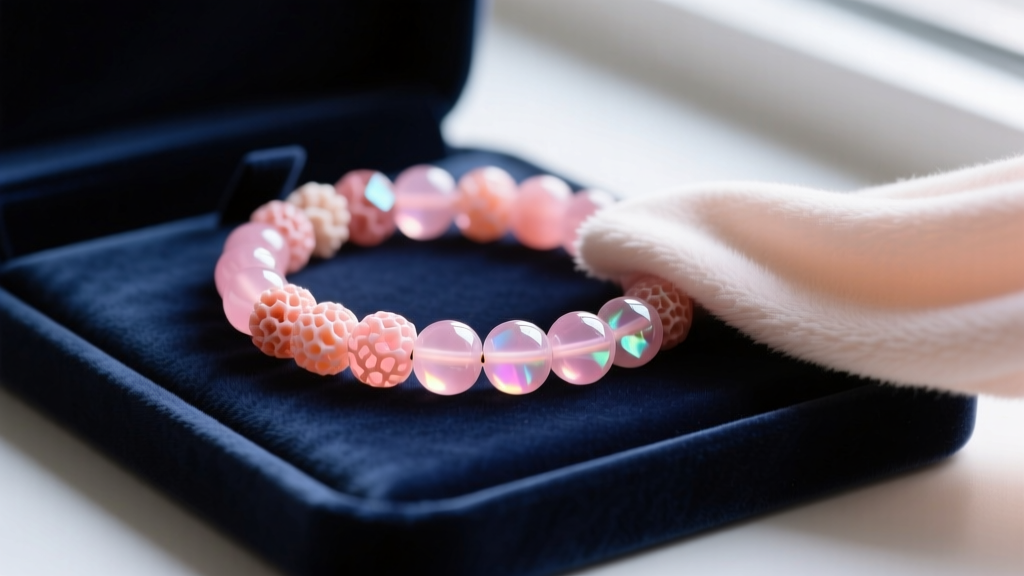
- Avoid Acids: Because coral is calcium carbonate, it will dissolve or etch when exposed to acids. This includes vinegar, lemon juice, and even the natural lactic acid in human sweat. Wipe your necklace with a soft, damp microfiber cloth immediately after wearing it on a hot day.
- Never Use Ultrasonic Cleaners: The high-frequency vibrations and harsh chemical baths used in ultrasonic jewelry cleaners will fracture the internal structure of heishi beads and strip away their natural waxy luster.
- Restringing Protocol: Heishi beads have flat edges that can act like tiny blades against traditional silk thread over time. Ensure your necklace is strung on a high-quality, nylon-coated stainless steel beading wire (such as 0.015-inch Accu-Flex) or a heavy-duty synthetic nylon. Plan to have the strand professionally restrung every 3 to 5 years, depending on wear frequency.
Styling Your Coral Heishi Necklace
The matte to semi-gloss finish of coral heishi provides a beautiful textural contrast when layered with metallic chains. For a modern, bohemian aesthetic, layer a 16-inch, 2mm red coral heishi choker with an 18-inch 14k yellow gold paperclip chain and a 20-inch gold pendant necklace. The warmth of the yellow gold amplifies the organic red tones of the coral.
When wearing bold, 6mm+ heishi strands, let the necklace be the focal point of your outfit. Pair it with neutral tones—crisp white linens, navy blues, or charcoal greys. Avoid wearing coral against highly patterned fabrics, as the intricate beadwork will become visually lost. Furthermore, store your coral heishi necklace flat or hanging in a soft pouch; never toss it into a jewelry box where harder gemstones like diamonds or sapphires can scratch its delicate surface.
Final Thoughts for First-Time Buyers
Investing in a genuine coral heishi necklace is an investment in both natural artistry and lapidary heritage. By prioritizing untreated, precious coral species over dyed alternatives, and by strictly following organic gemstone care protocols, your necklace will retain its vibrant color and structural integrity for generations. Always request a certificate of authenticity or a detailed invoice from reputable dealers specifying the exact coral species and any treatments applied, ensuring your first step into the world of coral jewelry is a confident and rewarding one.


