Authentic Necklace in German Styles: Care & Cleaning Guide
Discover how to care for traditional European heirlooms. Learn the term for necklace in German, identify hallmarks, and master cleaning techniques.

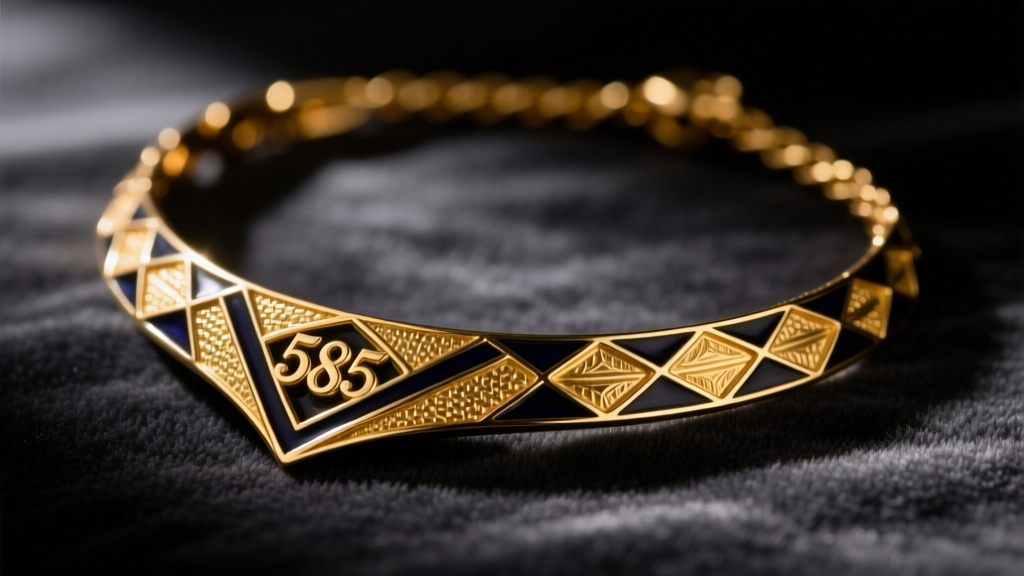
If you are browsing antique markets in Munich or Berlin and want to ask for a necklace in German, the word you need is Halskette. However, knowing the terminology is only the first step when acquiring authentic European heritage jewelry. German and Central European antique necklaces are renowned for their exceptional craftsmanship, featuring intricate Black Forest enamel work, Baltic amber, and marcasite set in coin silver. These pieces are not just accessories; they are historical artifacts that require highly specific, material-conscious maintenance to preserve their structural integrity and patina.
In this comprehensive guide, we move beyond generic jewelry cleaning advice. We will decode traditional German hallmarks, explore the chemical vulnerabilities of European heritage materials, and provide a masterclass in preserving your Halskette for future generations.
Identifying Authentic German and European Hallmarks
Before applying any cleaning solution, you must identify the exact metal composition of your vintage piece. Unlike the US karat system, Germany utilizes a strict decimal hallmarking system known as Punzierung. Understanding these stamps prevents catastrophic cleaning errors, such as stripping gold wash from a vermeil piece.
The Decimal Standard and Historical Marks
- 333 (8K Gold): Common in vintage German jewelry. It contains 33.3% pure gold and is highly prone to tarnishing due to the high copper/silver alloy content. Requires frequent, gentle polishing.
- 585 (14K Gold): The standard for mid-century German gold necklaces. Excellent durability and tarnish resistance.
- 800 & 835 Silver: Frequently used in traditional Bavarian and Black Forest silver jewelry. These alloys contain more copper than 925 sterling, making them highly susceptible to dark, heavy oxidation (tarnish) when exposed to sulfur in the air.
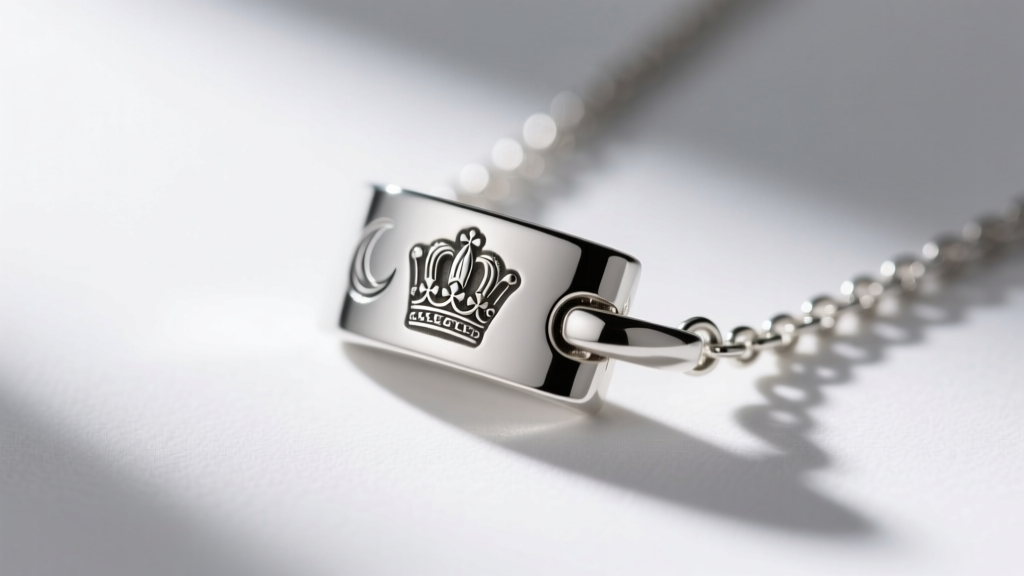
- The Reichsstempel: If your antique necklace features a crown and a moon (for silver) or a crown and a sun (for gold), it bears the historic German imperial hallmark mandated from 1888 onwards. These pieces often feature porous, aged settings that trap modern cleaning chemicals, requiring specialized care.
Material-Specific Care for Traditional European Pieces
Heritage necklaces often combine metals with organic or fragile gemstones. A one-size-fits-all ultrasonic cleaner will destroy these pieces in seconds. Here is how to approach the most common materials found in German antique jewelry.
Baltic Amber (Bernstein)
Baltic amber is fossilized tree resin, not a mineral. With a Mohs hardness of just 2 to 2.5, it is softer than a copper coin and highly sensitive to thermal shock and chemicals. Never use steam cleaners, ultrasonic machines, or alcohol-based solutions on amber, as these will cause the surface to craze (develop microscopic cracks) and turn opaque.
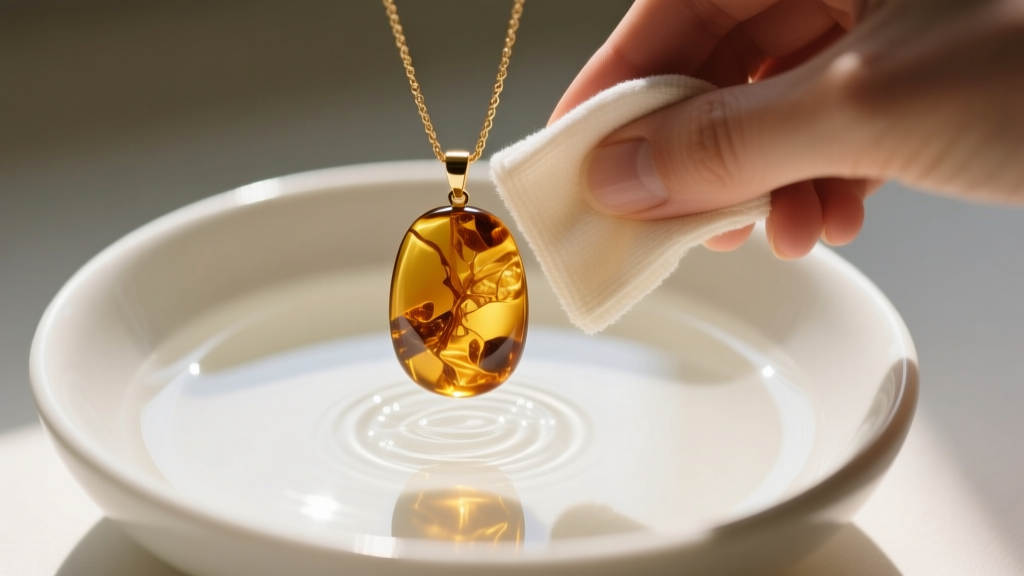
The Safe Method: Wipe the amber gently with a soft, lint-free microfiber cloth slightly dampened with lukewarm water and a drop of pH-neutral baby soap. Dry immediately. According to the Gemological Institute of America (GIA), amber should never be left to soak, as prolonged water exposure can weaken the internal structure of treated or pressed amber.
Marcasite and Coin Silver
Marcasite jewelry, highly popular in Art Deco and mid-century German designs, does not actually contain the mineral marcasite. It is faceted pyrite (iron sulfide) set into oxidized silver. This composition presents a severe cleaning hazard. If water or liquid silver dip penetrates the setting, the iron sulfide reacts, expanding and shattering the pyrite stones or causing the silver prongs to rust from the inside out.
The Safe Method: Never submerge marcasite jewelry. Use a dry, untreated silver polishing cloth to gently buff the exposed silver areas. Avoid jeweler's rouge or abrasive pastes, which can scratch the pyrite and dislodge the fragile tension settings. For stubborn tarnish in the crevices, use a dry, soft-bristled makeup brush to gently sweep the recesses.
Black Forest Enamel and Vitreous Glazes
Traditional Black Forest jewelry often features vitreous enamel fused to a metal base. While enamel is essentially glass and highly resistant to chemicals, it is extremely vulnerable to thermal shock and physical impact. Dropping an enameled necklace on a hard surface, or exposing it to sudden temperature changes (like moving from a cold exterior to a hot ultrasonic bath), will cause the glaze to fracture and pop off the metal base.
The Safe Method: Clean enameled sections with a soft cotton swab dipped in mild soapy water. Avoid ammonia-based cleaners, which can degrade the metallic foil backing sometimes used beneath transparent enamel layers.
The Ultimate Cleaning Toolkit for Heritage Necklaces
Discard harsh commercial dips. A professional conservation approach requires a curated toolkit tailored to the specific vulnerabilities of antique materials.
| Material | Safe Cleaning Agent | Agents to Avoid (Danger Zone) | Tool Recommendation |
|---|---|---|---|
| 800/835 Silver | Mild dish soap, specialized silver foam | Acidic silver dips, baking soda paste | Untreated microfiber, soft horsehair brush |
| Baltic Amber | Lukewarm water, pH-neutral soap | Alcohol, acetone, ultrasonic, steam | Damp lint-free cloth, immediate drying |
| Marcasite (Pyrite) | None (Dry cleaning only) | Water, liquid dips, steam, ultrasonic | Dry polishing cloth, soft dry brush |
| 585 Gold / Enamel | Warm water, drop of ammonia (gold only) | Thermal shock, abrasive pastes | Cotton swabs, soft bristle brush |
Proper Storage: Preventing Oxidation and Scratches
How you store your Halskette is just as critical as how you clean it. High-copper alloys like 333 gold and 800 silver will rapidly oxidize when exposed to ambient humidity and airborne sulfur compounds.
The Anti-Tarnish Protocol
- Individual Enclosures: Never store multiple heritage necklaces in the same compartment. The friction between pieces will scratch soft amber and enamel, while the varying metal alloys can cause galvanic corrosion if they touch in a humid environment.
- Activated Charcoal & Pacific Cloth: Line your jewelry box drawers with anti-tarnish cloth (such as Pacific Silvercloth), which is embedded with microscopic silver particles that absorb sulfur gases before they reach your necklace.
- Silica Gel Packs: Place a few silica gel desiccant packets in your storage area to keep relative humidity below 40%, drastically slowing the oxidation process of 800 and 835 silver pieces.
For more detailed insights on preventing silver sulfide formation, refer to the Silver Institute's comprehensive care guidelines.
When to Seek a Professional Goldsmith (Goldschmied)
While routine maintenance can be performed at home, certain structural issues require the expertise of a professional Goldschmied (goldsmith). Attempting DIY repairs on antique European jewelry often results in irreversible devaluation.
- Clasp Failure: Antique barrel clasps and push-pull mechanisms often suffer from internal spring fatigue. A professional can laser-weld or replace the internal mechanism without damaging the historic exterior patina.
- Marcasite Stone Loss: Because marcasite is typically set using tiny, hand-carved beads of silver rather than modern prongs, replacing a lost stone requires a master setter to re-bead the oxidized silver without polishing away the surrounding dark antiquing.
- Enamel Restoration: If a piece of Black Forest enamel has chipped, do not attempt to fill it with resin. A specialist in vitreous enamel restoration can re-fire the piece using historically accurate glass powders.
Owning a piece of traditional German jewelry is an exercise in historical preservation. By understanding the unique linguistic, material, and chemical properties of your Halskette, you ensure that these masterpieces of European craftsmanship remain vibrant and intact for decades to come.


