2026 Gift Guide: Choosing the Right Clasp on Pearl Necklace
Discover the ultimate 2026 gift guide for pearl jewelry. Learn how to choose the perfect clasp on pearl necklace styles for every occasion.

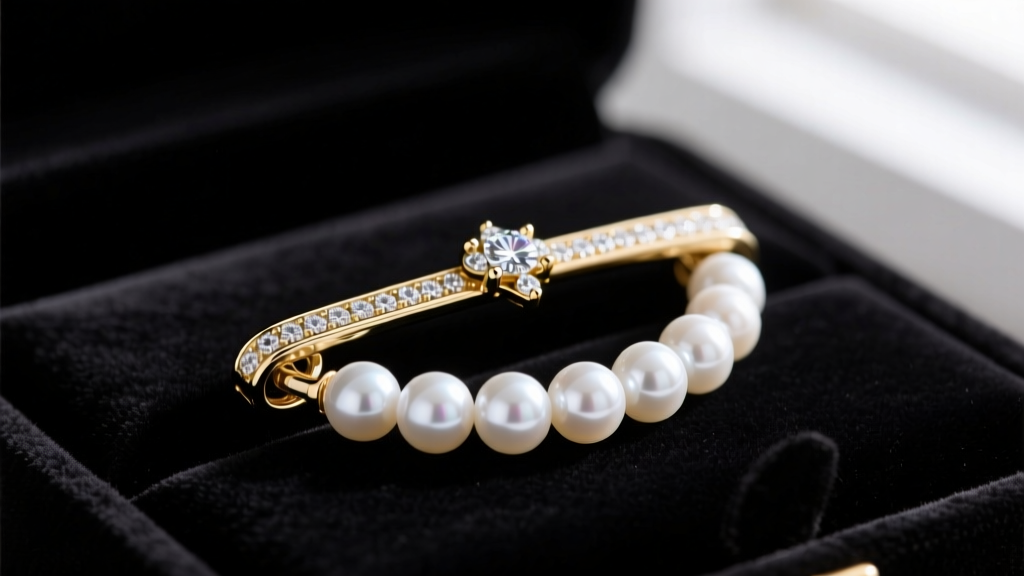
The Hidden Hero of Pearl Gifting: Why Hardware Matters
Gifting a strand of pearls is a timeless gesture, symbolizing elegance, wisdom, and enduring affection. Whether you are shopping for a bridal party, a milestone anniversary, or a graduation gift, the luster and overtone of the nacre usually take center stage. However, jewelry experts know that the true mark of a high-quality, secure strand lies in its hardware. Specifically, the clasp on pearl necklace designs dictates both the security of your financial investment and the wearer's daily comfort. A $5,000 strand of South Sea pearls is only as secure as the $40 mechanism holding it together.
In this 2026 gift guide, we move beyond basic pearl grading to explore the critical mechanics of necklace findings. By matching the right clasp type to the recipient's lifestyle, age, and the specific occasion, you elevate your gift from a beautiful accessory to a thoughtfully engineered heirloom.
The Anatomy of Pearl Necklace Security
Before selecting a clasp, it is vital to understand how the hardware interacts with the necklace strand. Unlike chain necklaces, pearl necklaces are typically strung on pure silk thread. Silk is organic, stretches over time, and is highly susceptible to friction. According to the Gemological Institute of America (GIA), proper pearl care and structural integrity begin at the connection points.
The Importance of French Wire (Gimp)
A premium pearl necklace will never have the silk thread loop directly through the metal jump ring of the clasp. The friction of metal against silk will eventually saw through the thread, leading to catastrophic failure and lost pearls. High-end jewelers use a 'French wire' or 'gimp'—a tiny, coiled metal spring (usually 14k gold or sterling silver)—that acts as a protective sleeve over the silk at the clasp connection. When inspecting a potential gift, always check for this coiled wire guard. If the silk touches the metal directly, walk away.
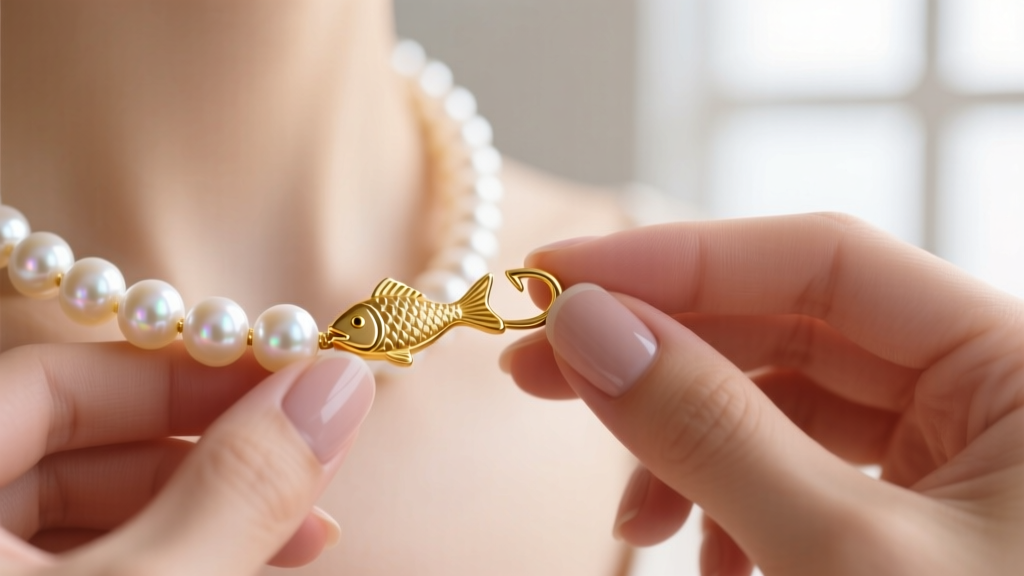
Occasion Matching: Which Clasp for Which Event?
Different occasions call for different aesthetics and security levels. Below is a structured decision matrix to help you match the clasp to the gifting scenario.
| Gifting Occasion | Recommended Clasp Type | Ideal Pearl Match | Est. Hardware Value (2026) |
|---|---|---|---|
| Bridal / Wedding | Diamond-Set Box Clasp with Figure-8 Safety | Akoya or White South Sea | $450 - $2,500+ |
| Milestone Anniversary | 18k Gold Fishhook or Pearl-Inlay Box | Tahitian or Hanadama Akoya | $150 - $600 |
| Graduation / Everyday | Lobster Claw with Wire Guard | White or Peach Freshwater | $35 - $90 |
| Matriarch / Elderly | Neodymium Magnetic with Silicone Guard | Edison or Baroque Freshwater | $60 - $180 |
Bridal and High-Stakes Gifting: The Box Clasp
For weddings and major anniversaries, the box clasp (also known as a tongue-and-groove clasp) is the gold standard. A folded piece of metal (the tongue) is compressed and pushed into a decorative box until it clicks into place. For high-value strands, this clasp must feature a 'figure-8 safety catch'—a secondary wire loop that locks over a small peg on the opposite side of the box. This ensures that if the primary tongue mechanism fails or is accidentally depressed, the necklace remains securely around the neck.
Accessibility and Age: Gifting to Older Generations
One of the most common mistakes in jewelry gifting is ignoring the recipient's physical dexterity. Traditional lobster claws and tiny fishhook clasps require fine motor skills, sharp fingernails, and good eyesight. For recipients suffering from arthritis, neuropathy, or general age-related stiffness, a difficult clasp turns a beautiful gift into a source of frustration, leaving the pearls sitting in a jewelry box.
The Magnetic Clasp Revolution
Modern magnetic clasps utilize N52-grade neodymium magnets, providing a surprisingly strong hold that snaps together effortlessly. However, magnets can slide apart if subjected to lateral (shearing) force. When gifting a magnetic clasp on pearl necklace designs, ensure the hardware includes a silicone safety sleeve or a secondary locking barrel that twists over the magnetic connection. This provides the ease of use required by arthritic hands while maintaining the security needed for heavy, multi-strand pearl necklaces.
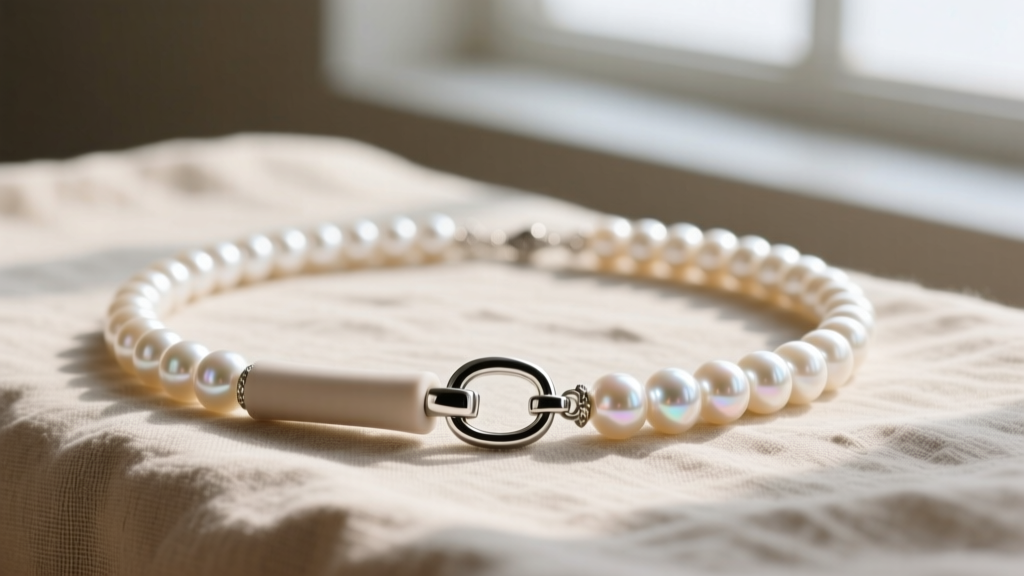
Material Grades and Pricing for Clasp Hardware
The metal composition of the clasp affects both longevity and pearl health. Here is what you need to know about material grades in the current market:
- 14k Yellow or White Gold: The industry standard for fine pearl strands. It offers the perfect balance of precious metal value and structural rigidity. The alloy mix ensures the 'tongue' of a box clasp retains its spring tension over decades of use.
- 18k Gold: Softer and richer in color, often used in luxury European brands. While beautiful, the softer metal means the spring mechanism in a fishhook or box clasp may need professional re-tensioning by a jeweler every 5 to 7 years.
- Sterling Silver: Common in affordable freshwater pearl strands. Warning: Silver oxidizes and tarnishes. If the tarnish transfers to the porous nacre of the adjacent pearls, it can cause permanent discoloration. If gifting silver hardware, ensure it is heavily rhodium-plated and advise the recipient to store the necklace with anti-tarnish strips, as recommended by Jewelers of America.
- Palladium or Platinum: Exceptional for heavy, multi-strand South Sea or Tahitian pearl necklaces. These dense metals withstand heavy pulling forces without warping, though they command a premium price, often adding $300+ to the base cost of the strand.
Expert Troubleshooting: Preventing Clasp Failure
Even the finest clasp will fail if the necklace is poorly strung. When evaluating a pearl necklace for purchase, check the 'slack' near the clasp. The last two inches of silk near the jump ring should have a microscopic amount of flexibility. If the silk is strung drum-tight against the metal, the natural movement of the wearer's neck will create immense shear stress on the thread, leading to a snap right at the clasp connection.
Additionally, inspect the jump ring itself. A high-quality clasp on pearl necklace hardware will feature a soldered jump ring (a ring where the ends are fused shut with laser or torch). An unsoldered, split jump ring can easily be pulled open if the necklace is snagged on clothing, resulting in the immediate loss of the entire strand.
The Final Gift Presentation
When presenting a pearl necklace, take a moment to demonstrate the clasp mechanism to the recipient. Show them how to engage the figure-8 safety, or how to properly align the magnetic sleeves. By highlighting the engineering and security of the hardware, you communicate a level of care and attention to detail that goes far beyond the jewelry box. In 2026, true luxury lies not just in the beauty of the pearls, but in the seamless, secure, and thoughtful design of every component that holds them together.


