Gift Guide: How to Clean Necklace Silver & Match Occasions
Discover the perfect silver necklace for any occasion and learn exactly how to clean necklace silver gifts to keep them brilliant for decades.

The Gifter's Dilemma: Why Silver Care Matters
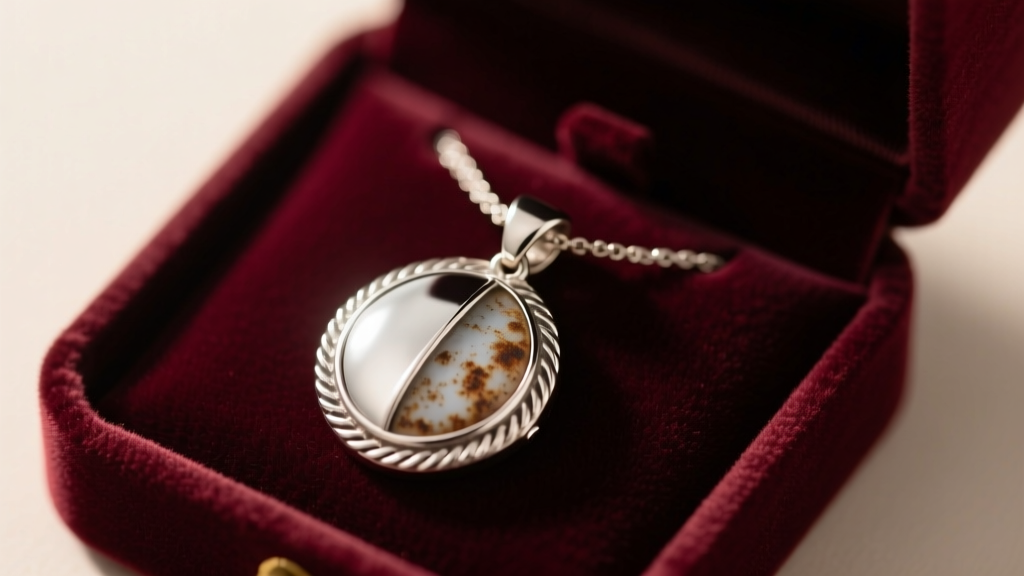
Gifting a silver necklace is a timeless gesture, whether you are celebrating a milestone anniversary, a high school graduation, or a significant holiday. Silver carries a luminous, moonlit elegance that pairs beautifully with every skin tone and wardrobe. However, the brilliance of a freshly unboxed silver chain or pendant can fade if the recipient does not know how to maintain it. As a thoughtful gifter in 2026, your responsibility extends beyond selecting a beautiful piece; it includes equipping your loved one with the knowledge and tools to preserve it.
When recipients notice their jewelry darkening, they frequently search for how to clean necklace silver pieces without damaging delicate clasps or gemstone settings. Tarnish is not a sign of poor quality; it is a natural chemical reaction. By understanding the metallurgy of silver and matching the right alloy to the right occasion, you can select a gift that remains stunning for generations. This comprehensive guide bridges the gap between occasion-based gifting and expert-level silver maintenance.
Occasion Matching: Choosing the Right Silver Alloy
Not all silver is created equal. The market offers several variations of silver, each with distinct properties, price points, and tarnish resistance levels. Selecting the correct alloy ensures your gift aligns with the recipient's lifestyle and the formality of the occasion.
| Silver Alloy | Composition | Tarnish Resistance | Best Gifting Occasion |
|---|---|---|---|
| .925 Sterling Silver | 92.5% Silver, 7.5% Copper | Low (Requires regular care) | Anniversaries, Vintage-style Pendants |
| Argentium Silver | 93.5% Silver, Germanium | High (Highly tarnish-resistant) | Graduations, Everyday Wear Chains |
| Rhodium-Plated .925 | .925 Base coated in Rhodium | Very High (Platinum-like finish) | Weddings, High-End Luxury Gifts |
| Fine Silver (.999) | 99.9% Pure Silver | Medium (Too soft for chains) | Artisan Bezels, Delicate Lockets |
Anniversaries and Romantic Milestones
For romantic occasions, a classic .925 sterling silver pendant featuring an intricate design or a meaningful gemstone is ideal. The traditional copper alloy gives the metal enough tensile strength to hold detailed engravings and secure prong settings. Because .925 sterling is prone to tarnishing, it is best gifted alongside a premium care kit, which we will detail later in this guide.
Graduations and Everyday Wear
If the recipient plans to wear the necklace daily—perhaps to the office or while running errands—Argentium silver is the superior choice. According to The Silver Institute, the addition of germanium in Argentium silver dramatically slows the oxidation process, making it up to seven times more tarnish-resistant than traditional sterling. It is the ultimate 'wear and forget' metal for busy graduates.
The Chemistry of Tarnish: What You Are Actually Cleaning
To effectively teach someone how to clean necklace silver, you must first understand what tarnish actually is. Tarnish is not dirt, and it is not the silver itself degrading. It is a surface layer of silver sulfide (Ag2S) that forms when the copper or other base metals in the alloy react with sulfur compounds in the environment.
Sulfur is ubiquitous. It is present in the air, in human sweat, in cosmetics, and even in certain foods like eggs and onions. When silver is exposed to these elements, a microscopic layer of yellowish sulfide forms, which eventually thickens and turns brown, and finally black. Understanding this chemistry is crucial because it dictates which cleaning methods will safely remove the sulfide layer without stripping away the underlying precious metal.
Step-by-Step: How to Clean Necklace Silver Safely
There is no single 'best' way to clean silver; the method depends entirely on the severity of the tarnish and the presence of gemstones. Here are the expert-approved techniques.
Method 1: The Dry Polish (For Light Tarnish & Gemstones)
For necklaces with light yellowing or those featuring delicate gemstones, mechanical removal is the safest approach. Avoid liquid dips, which can seep into porous stones. Instead, use a treated polishing cloth, such as the industry-standard Sunshine Polishing Cloths. These cloths are impregnated with micro-abrasives and anti-tarnish agents that gently buff away silver sulfide while leaving a protective polymer coating behind.
Technique: Rub the chain or pendant gently in a back-and-forth motion. Never use a circular rubbing motion, as this can highlight microscopic scratches in the metal. For intricate chain links like box chains or wheat chains, fold the cloth and pull the chain back and forth through the fold to clean the interior crevices.
Method 2: The Electrochemical Bath (For Heavy Tarnish on Plain Chains)
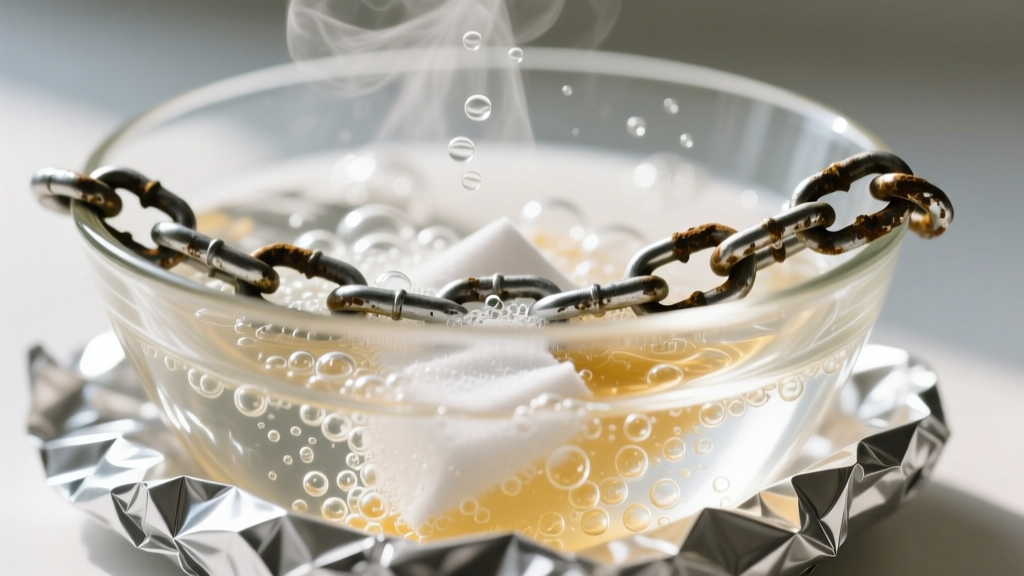
For heavily blackened, plain silver chains without gemstones, an electrochemical reduction bath is a miracle worker. This method reverses the chemical reaction, converting silver sulfide back into pure silver without removing any metal mass.
- Line a glass or ceramic bowl with aluminum foil, shiny side up.
- Place the tarnished silver necklace directly on the foil. The silver must physically touch the aluminum.
- Sprinkle two tablespoons of baking soda over the jewelry.
- Pour boiling water into the bowl until the necklace is fully submerged. You will immediately smell a rotten egg odor—this is the sulfur releasing from the silver and bonding to the aluminum.
- Let it sit for 3 to 5 minutes, then remove with wooden tongs, rinse thoroughly in distilled water, and pat dry with a microfiber cloth.
Expert Warning: Never use the electrochemical bath on oxidized silver (jewelry with intentionally blackened crevices for contrast) or on necklaces set with pearls, opals, turquoise, or emeralds. The boiling water and alkaline environment will fracture soft stones and dissolve pearl nacre.
Gemstone-Specific Silver Cleaning Protocols
A silver necklace is rarely just silver; it is often the canvas for spectacular gemstones. When researching how to clean necklace silver settings, the gemstone's Mohs hardness and porosity must dictate your cleaning method.
- Diamonds, Sapphires, and Rubies (Mohs 9-10): These hard, non-porous stones can withstand a soak in warm water with a few drops of mild, phosphate-free dish soap. Use a soft-bristled baby toothbrush to gently clean behind the pavilion (the bottom of the stone) where skin oils accumulate.
- Opals and Turquoise (Mohs 5-6, Highly Porous): These stones are incredibly sensitive to chemicals and sudden temperature changes. Never submerge them. Clean the silver around them using a dry cotton swab or a barely damp microfiber cloth, avoiding the stone entirely.
- Pearls (Mohs 2.5, Organic): Pearls are easily dissolved by acids and damaged by alkalines. Always put pearls on after applying cosmetics and perfumes. Wipe the silver chain with a damp cloth, but never let water pool around the pearl drill holes, as this can rot the silk thread inside.
What to Avoid: Common Cleaning Mistakes That Ruin Gifts
Well-meaning recipients often resort to household hacks that cause irreversible micro-damage to silver jewelry. According to the Tiffany & Co. Care Guide, abrasive materials are the enemy of high-polish finishes. Ensure your gift recipient avoids the following:
- Toothpaste: Toothpaste contains hydrated silica and calcium carbonate, which are far harder than silver. Scrubbing with toothpaste will leave a dull, scratched, matte finish on a mirror-polished pendant.
- Bleach and Chlorine: Chlorine reacts violently with silver and copper, causing rapid, deep tarnishing and structural brittleness. Remind recipients to remove their necklaces before entering a swimming pool.
- Ultrasonic Cleaners: While excellent for plain diamond rings, the high-frequency vibrations in ultrasonic cleaners can shatter emeralds, fracture opals, and loosen the adhesive in foil-backed vintage pendants.
The Ultimate Silver Necklace Gift Presentation Kit
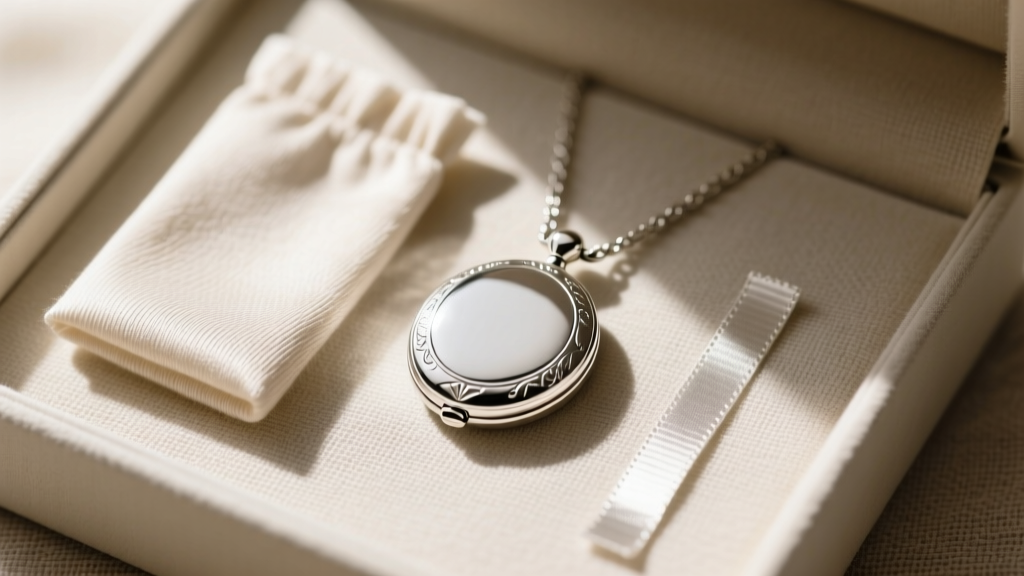
Elevate your gifting experience by presenting the necklace with a bespoke care kit. This not only adds immense value to the gift but also saves the recipient from having to search for how to clean necklace silver items using improper methods. Assemble the following components in a secondary, smaller linen pouch or drawer beneath the main jewelry box:
- Treated Polishing Cloth: A branded, high-quality cloth like those from Connoisseurs or Sunshine.
- 3M Anti-Tarnish Strips: These small, unobtrusive paper strips absorb airborne sulfur compounds. They can protect silver in an enclosed jewelry box for up to 12 months.
- Pacific Silvercloth Storage Bag: Unlike standard plastic ziplocks (which can trap moisture and accelerate tarnish if not sealed perfectly), Pacific Silvercloth is embedded with microscopic silver particles that act as a sacrificial shield, absorbing tarnish-causing gases before they reach the necklace.
- A Care Card: A beautifully printed, heavy-stock card summarizing the do's and don'ts of silver care, specifically tailored to the gemstone you selected.
Conclusion
A silver necklace is more than a fleeting accessory; it is an enduring symbol of affection and memory. By carefully matching the silver alloy to the recipient's lifestyle and proactively providing the tools and knowledge for proper maintenance, you ensure your gift remains as radiant as the day it was unboxed. Whether you opt for the low-maintenance brilliance of Argentium or the classic romance of traditional .925 sterling, understanding the science of silver care transforms a simple present into a lifelong heirloom.


