2026 Gift Guide: Choosing the Perfect Necklace Bead for Any Occasion
Discover the ultimate 2026 gift guide for beaded necklaces. Learn how to match necklace bead materials, sizes, and stringing to any occasion perfectly.
The Anatomy of a Perfect Beaded Necklace Gift
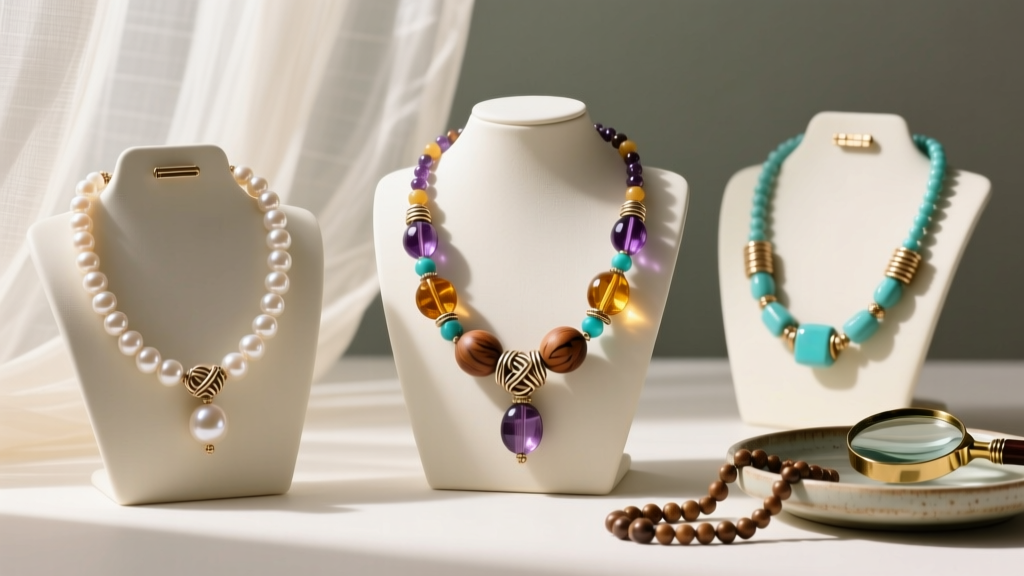
Gifting jewelry is a deeply personal endeavor, and in 2026, the shift toward artisanal, meaningful, and highly customized pieces has made the beaded necklace a standout choice for discerning gift-givers. Unlike mass-produced cast pendants, a carefully curated strand of beads offers a tactile, rhythmic beauty that speaks to the wearer's individual style. However, selecting the right necklace bead requires more than just picking a favorite color. It demands an understanding of material hardness, hole sizing, stringing mechanics, and the subtle semiotics of gemstone lore.
Whether you are shopping for a milestone anniversary, a high school graduation, or a casual holiday exchange, the anatomy of the bead dictates its longevity and appropriateness. A porous turquoise bead, for instance, requires vastly different care and stringing than a faceted quartz bead. This guide breaks down the exact specifications, material grades, and structural requirements to ensure your beaded necklace gift is both beautiful and structurally sound for years to come.
Occasion-Matching Matrix: Which Necklace Bead Fits Best?
To streamline your gifting process, we have mapped specific occasions to their ideal bead materials, sizing parameters, and structural requirements. Use this matrix as your foundational decision-making framework.
| Occasion | Ideal Necklace Bead Material | Size & Shape | Stringing Method | Est. Price Range |
|---|---|---|---|---|
| Milestone Anniversary | Faceted Gemstone (Sapphire, Ruby) | 6mm-8mm Faceted Round | 0.019" 49-strand wire | $250 - $800+ |
| Wedding / Bridal | Akoya or South Sea Cultured Pearl | 7mm-9mm Perfect Round | Griffin Size 6 Silk (knotted) | $300 - $1,500+ |
| Graduation | High-Grade Freshwater Pearl or Lapis | 8mm-10mm Potato/Oval | 0.018" wire or knotted silk | $120 - $400 |
| Birthday / Casual | Artisan Lampwork Glass or Enamel | 12mm-16mm Focal/Barrel | 0.024" heavy-duty wire | $60 - $180 |
| Everyday / Boho | Matte Onyx, Wood, or Seed Beads | 4mm-6mm Rondelle/Tube | 0.015" wire or nylon thread | $40 - $120 |
Deep Dive: Material Grades & Sizing for Gifting
The term "bead" encompasses a massive spectrum of materials. To gift with confidence, you must understand the Mohs hardness scale and the structural integrity of the materials you are selecting.
Gemstone & Crystal Beads (Anniversaries & Milestones)
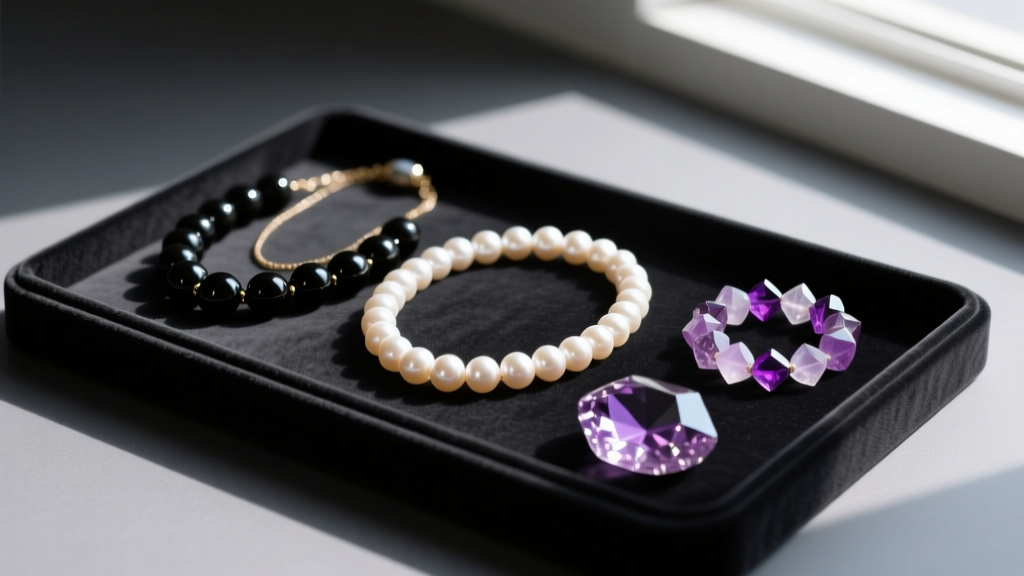
For high-wear occasions like anniversaries, durability is paramount. Gemstones with a Mohs hardness of 7 or higher—such as faceted garnet, amethyst, or sapphire—are ideal because they resist scratching from everyday environmental dust (which contains quartz particles at a 7). Pro-Tip: Always check the drill hole of faceted gemstone beads. Poorly reamed holes leave microscopic glass-like shards inside the channel that will slice through beading wire over time. High-end suppliers use diamond-tipped reamers to ensure a smooth, polished channel.
Cultured Pearl Beads (Weddings & Graduations)
Pearls are the ultimate symbol of elegance, but they are organic and relatively soft (Mohs 2.5-4.5). When gifting pearls, nacre thickness is the most critical metric. According to the Gemological Institute of America (GIA), high-quality Akoya pearls should possess a nacre thickness of at least 0.4mm, while Tahitian pearls require a minimum of 0.8mm to prevent peeling. Avoid "shell pearl" beads (which are just coated glass) unless explicitly stated as a budget-friendly alternative.
Artisan Glass & Lampwork Beads (Birthdays & Holidays)
Lampwork beads offer incredible artistry, featuring intricate floral or abstract patterns encased in clear glass. The critical factor here is annealing. Properly annealed glass beads are cooled slowly in a kiln to relieve internal thermal stress. If a lampwork bead is not kiln-annealed, it can spontaneously shatter from minor temperature changes or the tension of the stringing wire. Always purchase artisan glass from verified kiln-workers.
The Hidden Hardware: Stringing & Knotting Techniques
A necklace bead is only as strong as the material threading through it. Gifting a beautiful strand of $500 lapis lazuli beads strung on cheap nylon thread is a recipe for a heartbreaking breakage. Here is how the professionals ensure longevity:
- 49-Strand Stainless Steel Wire (Soft Flex): The industry standard for gemstone and glass beads. The Soft Flex Company recommends a 0.019-inch diameter for most standard 1mm bead holes, providing a drape that mimics thread while offering the tensile strength of steel.
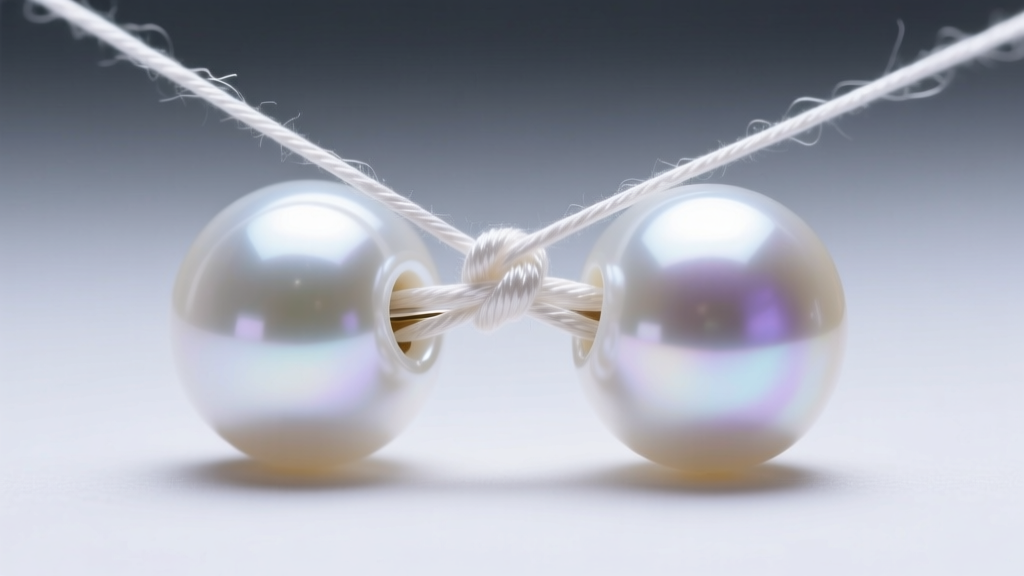
- 100% Silk Thread (Griffin): Mandatory for high-end pearls and amber. Silk degrades over time, which is why pearls must be individually knotted. The knot serves two purposes: it prevents bead-on-bead friction (which destroys nacre) and ensures that if the strand breaks, you only lose one bead instead of the entire necklace.
- French Wire (Bullion): A tiny coiled spring of precious metal placed over the silk thread at the clasp connection. This prevents the metal clasp from sawing through the delicate silk thread during wear.
Expert Insight: Never gift a heavy focal bead (over 30 grams) on a delicate chain or thin silk thread. The center of gravity will cause the strand to stretch, warp, and eventually snap. Heavy focal beads require a 0.024-inch beading wire and reinforced crimp beads.
Troubleshooting Common Beaded Necklace Failures
Even the most expensive necklace bead can fail if the construction is flawed. If you are evaluating a piece for purchase or inspecting a custom commission, watch out for these three critical failure modes:
1. The "Crimp Slip" Failure
Crimp beads are tiny metal tubes crushed onto the wire to secure the clasp. If the jeweler uses a cheap flat-nose plier instead of a specialized micro-crimping tool, the crimp will fold unevenly, creating a sharp edge that weakens the wire and a weak grip that allows the clasp to slip off. Always look for rounded, folded crimps or crimp covers that mimic seamless metal beads.
2. Wire Fatigue at the Clasp
When beading wire loops directly through a metal jump ring, the repeated bending of putting the necklace on and taking it off causes metal fatigue, eventually snapping the wire. High-quality necklaces use a "wire guardian" (or French wire protector)—a tiny horseshoe-shaped metal finding that shields the wire from direct friction against the clasp.
3. Bead Hole Abrasion
As mentioned earlier, natural stone beads like turquoise or jasper can have sharp, unpolished drill holes. If the bead moves along the wire, it acts like a tiny saw. To combat this, master stringers use microscopic "bead bumpers" (tiny silicone O-rings) or ensure every stone bead is diamond-reamed before stringing.
Final Gifting Checklist for 2026
Before wrapping your beaded necklace gift, run through this quick quality assurance checklist to guarantee a premium presentation and lasting wear:
- Drape Test: Hold the necklace by the clasp in a U-shape. Does it kink or stick out at odd angles? A well-strung necklace with appropriate wire thickness will drape in a smooth, fluid curve.
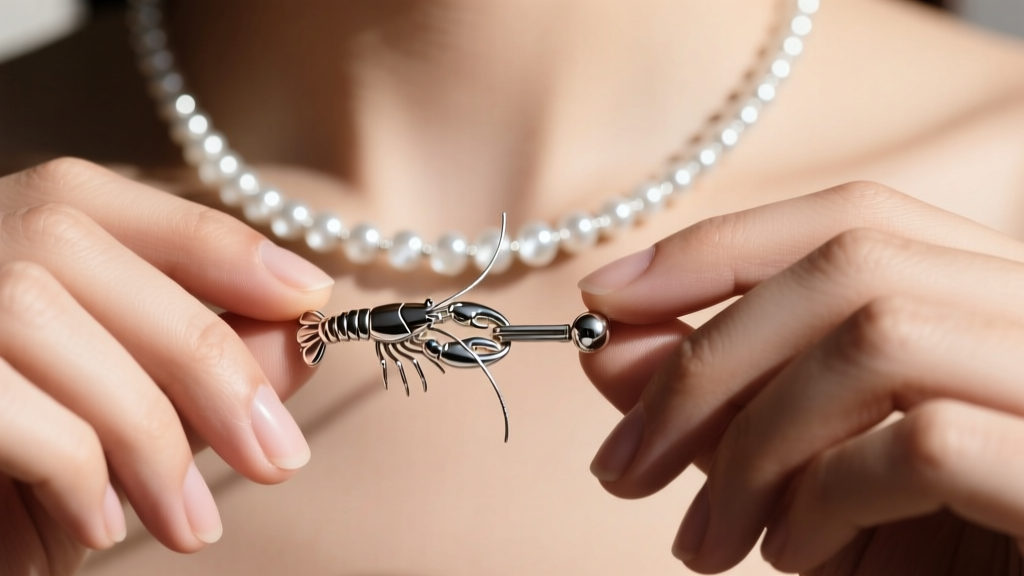
- Clasp Proportion: The clasp should be proportional to the bead size. A heavy 10mm stone bead necklace requires a sturdy lobster clasp or a custom artisan toggle; a tiny spring ring will fail under the weight.
- Care Card Inclusion: Always include a care card. Remind the recipient that porous beads (opal, pearl, turquoise) must be kept away from perfumes, lotions, and ultrasonic cleaners.
By paying attention to the exact specifications of the necklace bead—from the Mohs hardness of the stone to the gauge of the stringing wire—you elevate your gift from a simple accessory to a masterfully engineered heirloom. In 2026, true luxury lies in these hidden details.


