The Beginner's Guide to Buying a Green Leaf Necklace
Discover how to choose, style, and care for a green leaf necklace. Learn about gemstones, enamel, chain lengths, and neckline pairings in our guide.

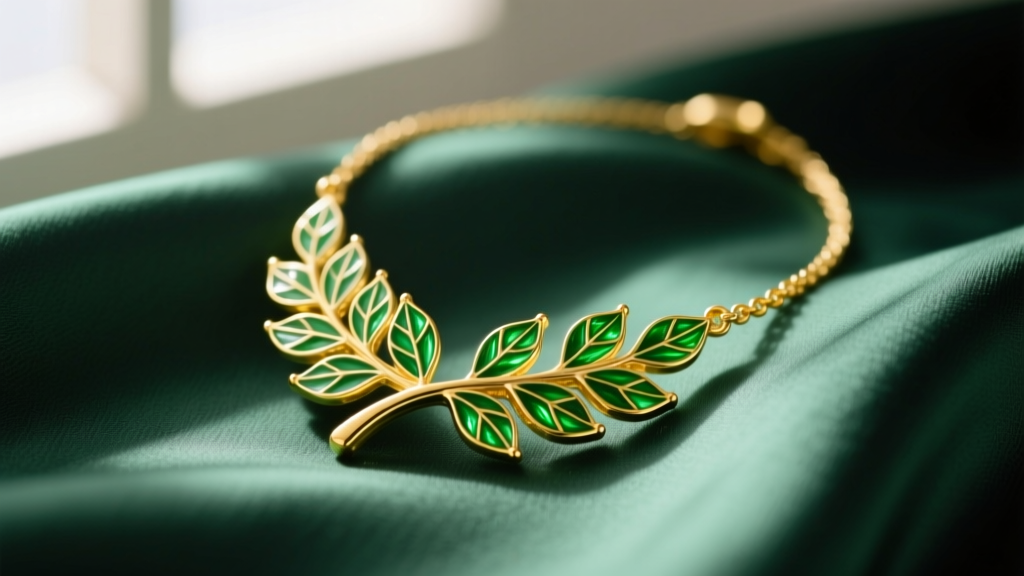
Botanical jewelry has maintained a steady presence in fashion for centuries, but the modern green leaf necklace represents a unique intersection of natural inspiration and refined metallurgy. For beginners stepping into the world of nature-inspired fine jewelry, the sheer variety of materials, chain gauges, and styling options can be overwhelming. Whether you are drawn to the deep, opaque bands of malachite, the brilliant sparkle of a tsavorite garnet, or the glass-like finish of vitreous enamel, choosing the right piece requires a basic understanding of jewelry craftsmanship.
This comprehensive guide will walk you through the essential details of selecting, proportioning, and maintaining a green leaf necklace, ensuring your investment remains as vibrant as the foliage it mimics.
Decoding Materials: What is Your Green Leaf Made Of?
The visual impact and long-term durability of your necklace depend entirely on the materials used to create the leaf motif. Here is a breakdown of the most common mediums used in botanical jewelry.
1. Malachite: The Opaque Classic
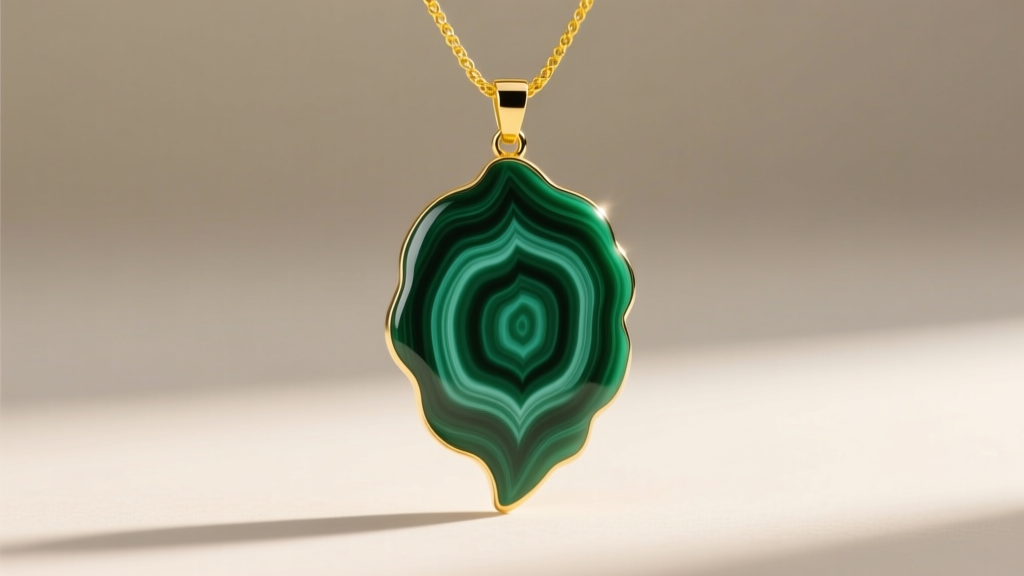
Malachite is a copper carbonate hydroxide mineral prized for its striking, concentric green banding. Because it ranks at a mere 3.5 to 4.0 on the Mohs hardness scale, malachite is highly susceptible to scratching and chemical damage. A high-quality green leaf necklace featuring malachite will typically utilize a bezel setting rather than prongs, protecting the stone's vulnerable edges. Expect to pay between $80 and $250 for a solid sterling silver or 14k gold-filled malachite leaf pendant.
2. Tsavorite Garnet: The Brilliant Contender
For those who prefer sparkle over opacity, tsavorite is a premium choice. This calcium aluminum silicate garnet derives its vivid green hue from trace amounts of chromium and vanadium. According to the Gemological Institute of America (GIA), tsavorite boasts a high refractive index and a durability of 7.0 to 7.5 on the Mohs scale, making it excellent for everyday wear. Because tsavorite is rarely heat-treated, its color is entirely natural. Fine jewelry pieces featuring a tsavorite-paved leaf motif generally start around $800 and can exceed $3,000 depending on carat weight.
3. Peridot: The Accessible Gem
Peridot offers a lighter, yellowish-green alternative. Ranking at 6.5 to 7.0 on the Mohs scale, it is reasonably durable but can suffer from stress fractures if subjected to extreme temperature changes. The GIA's Peridot Guide notes that high-quality peridot is eye-clean, meaning a well-crafted leaf pendant should feature stones free of visible dark inclusions. Peridot leaf necklaces are highly accessible, often ranging from $150 to $400 in solid 14k gold settings.
4. Vitreous vs. Cold Enamel
Enamel allows for hyper-realistic color gradients on a metal leaf. Vitreous enamel is finely ground glass fused to metal at temperatures exceeding 1400°F, resulting in a durable, scratch-resistant, and luminous finish. Cold enamel (epoxy resin) is cured at room temperature; it is cheaper and more impact-resistant but will yellow and scratch over time. Always opt for vitreous enamel for heirloom-quality botanical pieces.
Chain Lengths and Leaf Proportions
A common beginner mistake is pairing a massive statement leaf with a delicate chain, or choking a large pendant on a short chain. The scale of the leaf must harmonize with both the chain gauge and the wearer's neckline.
| Chain Length | Ideal Leaf Size | Chain Gauge & Type | Best Neckline Pairing |
|---|---|---|---|
| 16" (Choker) | 10mm - 15mm (Small) | 0.8mm - 1.0mm Cable | Crew necks, Boatnecks |
| 18" (Princess) | 15mm - 25mm (Medium) | 1.0mm - 1.2mm Rope/Box | V-necks, Scoop necks |
| 20" - 24" (Matinee) | 30mm+ (Statement) | 1.5mm - 2.0mm Curb/Rope | Turtlenecks, Open collars |
Pro-Tip on Clasps: If your green leaf pendant weighs more than 5 grams, avoid standard spring-ring clasps. Upgrade to a lobster claw clasp, which offers a much stronger internal spring mechanism and prevents accidental unclasping.
How to Style a Green Leaf Necklace for Every Occasion
Styling botanical jewelry is all about balancing the organic nature of the motif with your wardrobe's structure.
The Office: Subtle and Structured
For professional environments, opt for an 18-inch 14k yellow gold chain featuring a small, geometric leaf outline (sans gemstones) or a single, bezel-set peridot. This provides a subtle nod to nature without overwhelming a tailored blazer or a crisp button-down shirt. Yellow gold complements the warmth of green stones beautifully, creating a cohesive, polished look.
Evening Wear: Layering and Texture
Botanical motifs excel in layered configurations. To create depth, pair a 16-inch delicate enamel green leaf choker with a 20-inch matte-finished gold chain featuring a larger, textured leaf pendant. The contrast between the glossy enamel and the brushed metal creates a sophisticated, multi-dimensional aesthetic perfect for evening events.

Casual Weekends: The Bohemian Balance
For relaxed settings, a longer matinee-length malachite leaf necklace worn over a simple white linen tunic or a neutral knit sweater allows the stone's natural banding to take center stage. The matte texture of linen and cotton pairs exceptionally well with the organic, earthy vibe of opaque green stones.
Care and Maintenance: Keeping the Foliage Fresh
Proper maintenance is critical, especially when dealing with porous stones and specialized finishes. The Jewelers of America recommends tailoring your cleaning routine to the specific materials in your jewelry.
- Malachite & Peridot: Never use ultrasonic or steam cleaners. The high-frequency vibrations can shatter peridot along stress fractures, and the heat/chemicals will strip the polish right off a malachite leaf. Clean only with a damp, lint-free microfiber cloth.
- Tsavorite & Diamonds: These are durable enough for ultrasonic cleaning, but a simple soak in warm water with a drop of mild dish soap, followed by a gentle scrub with a baby toothbrush, is usually sufficient to restore brilliance.
- Vitreous Enamel: While scratch-resistant, enamel can chip if struck against a hard surface. Avoid wearing enamel leaf necklaces during high-impact activities. Clean with a soft cloth and avoid harsh chemical dips that can oxidize the underlying metal and cause the enamel to pop off.
- Chain Care: Lotions and perfumes can build up in the links of delicate 0.9mm rope chains, causing them to look dull and feel stiff. Wipe your chain down with a dry polishing cloth after every wear to prevent sebum and cosmetic buildup.
By understanding the material science behind your jewelry and respecting the proportions of your wardrobe, your green leaf necklace will remain a versatile, timeless staple in your collection for years to come.


