Gifting Diamonds: Lessons From The Necklace by Guy de Maupassant
Avoid the tragic mistakes of The Necklace by Guy de Maupassant with our expert guide to gifting, authenticating, and insuring diamond pendants.

The Ultimate Cautionary Tale in Jewelry Gifting
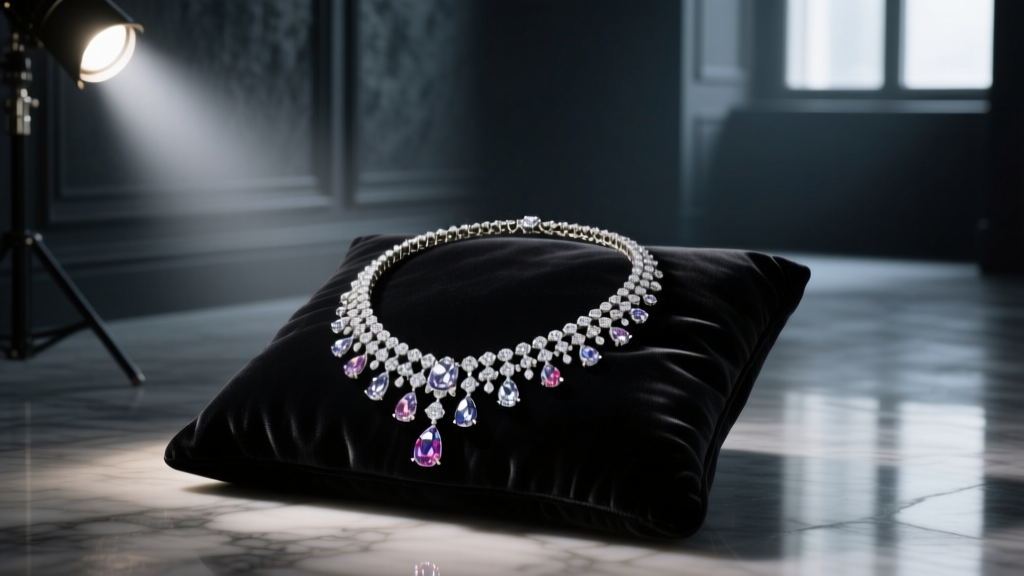
In Guy de Maupassant’s classic 1884 short story, The Necklace (La Parure), Mathilde Loisel borrows what she believes to be a priceless diamond necklace from her wealthy friend, Madame Forestier, to attend a high-society gala. After losing the piece, Mathilde and her husband plunge themselves into a decade of crushing poverty to replace it with a genuine diamond riviere costing 36,000 francs. The story’s devastating final twist? The original borrowed necklace was merely "paste" (leaded glass costume jewelry) worth only 500 francs.
While modern buyers in 2026 aren't typically replacing lost borrowed jewelry with life-ruining debt, the core themes of Maupassant’s masterpiece remain highly relevant to today’s jewelry gift guides. The lines between natural diamonds, lab-grown diamonds, and high-end simulants have never been more blurred. Gifting a necklace for a milestone occasion requires a deep understanding of material value, transparent communication, and proper insurance. Here is how to navigate the modern diamond pendant market without falling victim to a "Mathilde Loisel" financial tragedy.
Paste vs. Lab-Grown vs. Natural: A Material Breakdown
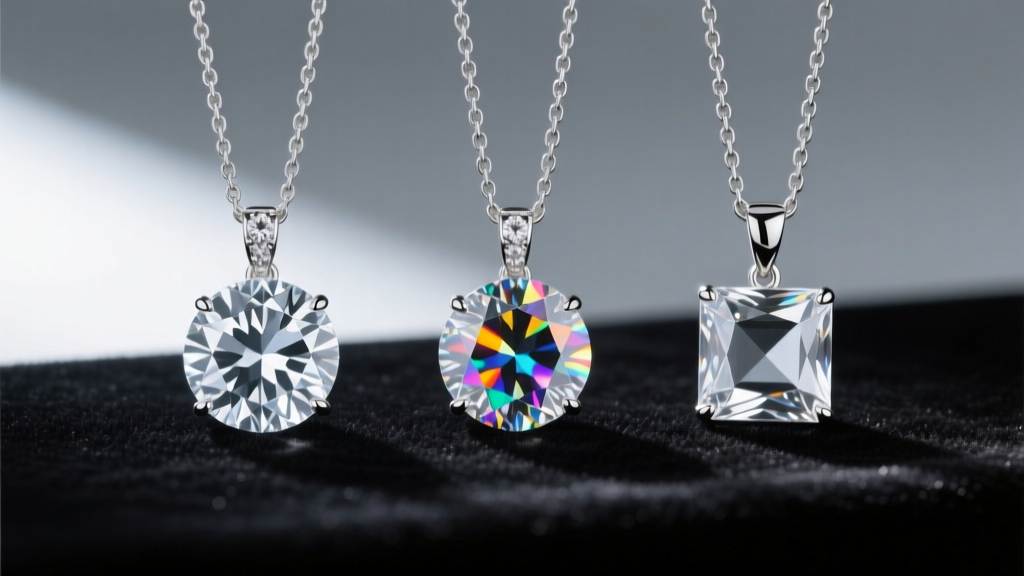
In the 19th century, "paste" referred to strass—a high-lead-content glass cut to mimic the brilliance of diamonds. Today, the market is dominated by three distinct categories that can easily fool the untrained eye: Cubic Zirconia (CZ), Moissanite, and Lab-Grown Diamonds. Understanding the gemological differences is critical when selecting a pendant for a significant occasion.
| Material | Mohs Hardness | Refractive Index (Brilliance) | Avg. Price per Carat (2026) | Best Occasion |
|---|---|---|---|---|
| Natural Diamond | 10 | 2.42 | $5,000 - $12,000+ | Heirloom Gifting, Major Anniversaries |
| Lab-Grown Diamond | 10 | 2.42 | $600 - $1,500 | Engagements, Milestone Birthdays |
| Moissanite | 9.25 | 2.65 - 2.69 (High Fire) | $300 - $600 | Everyday Luxury, Travel Alternatives |
| Cubic Zirconia (CZ) | 8.0 - 8.5 | 2.15 - 2.18 | $10 - $30 | Fashion Jewelry, Temporary Event Wear |
According to the Gemological Institute of America (GIA), simulants like CZ and Moissanite possess entirely different chemical and optical properties from diamonds. Moissanite, for instance, is doubly refractive and exhibits a "disco ball" fire effect that gives it away to a trained gemologist. Lab-grown diamonds, however, are chemically, physically, and optically identical to mined diamonds. The danger in modern gifting lies in a partner assuming a lab-grown or moissanite pendant is a natural diamond, leading to severe disappointment upon eventual appraisal.
Occasion Matching: When to Borrow, When to Buy, and When to Insure
Matching the necklace to the occasion is just as important as the material itself. Mathilde Loisel’s fatal flaw was borrowing an unauthenticated, uninsured piece for a high-risk environment. Here is a modern framework for occasion matching.
The Black-Tie Gala: The Case for Renting
If you are attending a one-off red-carpet event or a high-society gala, purchasing a $50,000 natural diamond riviere is often financially impractical. Instead of borrowing from a friend (the Maupassant mistake), utilize luxury jewelry rental services or borrow directly from a high-end local jeweler who provides a temporary insurance rider. This ensures you are wearing genuine, high-value pieces with zero liability if the clasp fails on the dance floor.
The Milestone Anniversary: Buying with Transparency
For a 10th or 20th anniversary, a diamond solitaire pendant is a classic choice. If your budget dictates a lab-grown diamond, you must disclose this to the recipient. Presenting a lab-grown diamond in a natural diamond box without a grading report is a modern ethical faux pas. Always gift the piece alongside its IGI or GIA laboratory report, which clearly states the diamond's origin.
The Immediate Next Step: Specialized Insurance
Most homeowners or renters insurance policies have strict sub-limits for jewelry (often capping out at $1,500 per item). If you gift a $4,000 diamond pendant, it is entirely unprotected under a standard policy. According to Jewelers Mutual, scheduling the necklace as a separate rider or utilizing a specialized jewelry insurance policy ensures coverage for "mysterious disappearance"—the exact scenario that ruined the Loisels.
How to Authenticate a Diamond Pendant Before Gifting
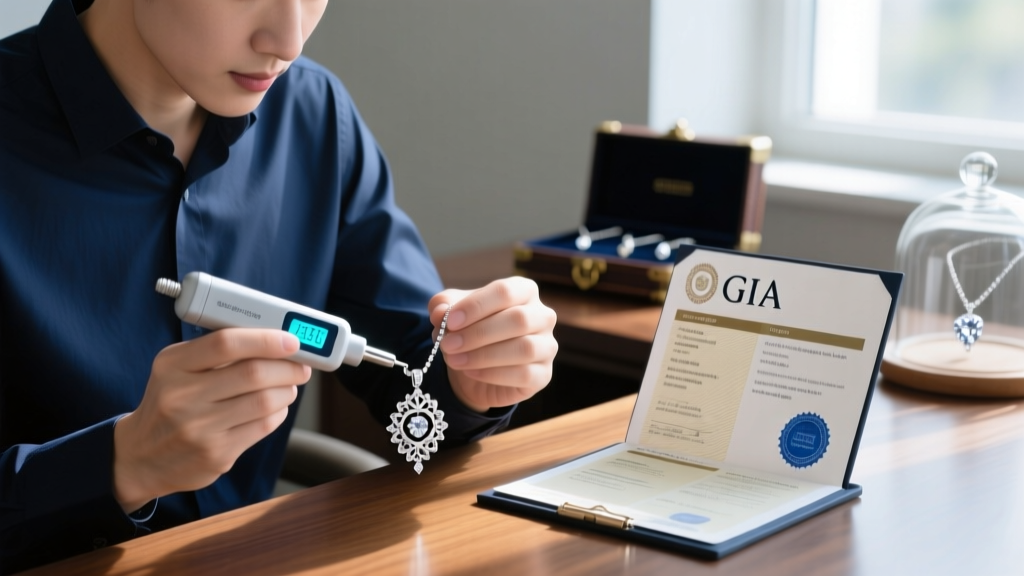
If you are purchasing a vintage or estate diamond pendant for a gift, you must verify its authenticity before handing it over. Relying on a jeweler's word or a faded, decades-old receipt is not enough.
- Thermal Conductivity Testing: Diamonds are exceptional heat conductors. A standard electronic diamond tester will beep and light up when touching a natural or lab-grown diamond, but will remain silent on CZ or glass paste.
- Electrical Conductivity (The Moissanite Trap): Early thermal testers were fooled by moissanite. Modern dual-testers check for electrical conductivity; moissanite conducts electricity slightly, while diamonds do not.
- Loupe Inspection for Inclusions: Using a 10x triplet loupe, look for natural carbon inclusions or "feathers" (internal fractures). A completely flawless stone under 10x magnification in a vintage setting is highly suspicious and likely a simulant.
- UV Fluorescence: About 30% of natural diamonds exhibit a blue glow under ultraviolet light. While not a definitive test on its own, strong blue fluorescence in an antique setting can be a good indicator of natural origin.
The Modern Gifting Framework: Presentation and Provenance
The tragedy of The Necklace by Guy de Maupassant was rooted in vanity, assumption, and a lack of communication. Madame Forestier never clarified the true nature of her paste jewelry, and Mathilde never asked, assuming wealth based on the owner's social status.
In 2026, the most romantic and respectful way to gift a diamond necklace is with absolute transparency. If you are gifting a high-end moissanite piece because you prefer its optical fire and ethical footprint, explain that choice. If you are gifting a lab-grown diamond to maximize carat size within your budget, celebrate that financial prudence. Always include the grading dossier, a professional appraisal for insurance purposes, and a care guide for maintaining the specific metal and gemstone. By replacing assumptions with education, you ensure that the jewelry you gift remains a symbol of love, rather than a catalyst for a decade of regret.


