The Ultimate 2026 Guide to Gifting Stack Necklaces
Discover how to gift stack necklaces for every occasion in 2026. Learn layering rules, material grades, and curated sets for birthdays and anniversaries.

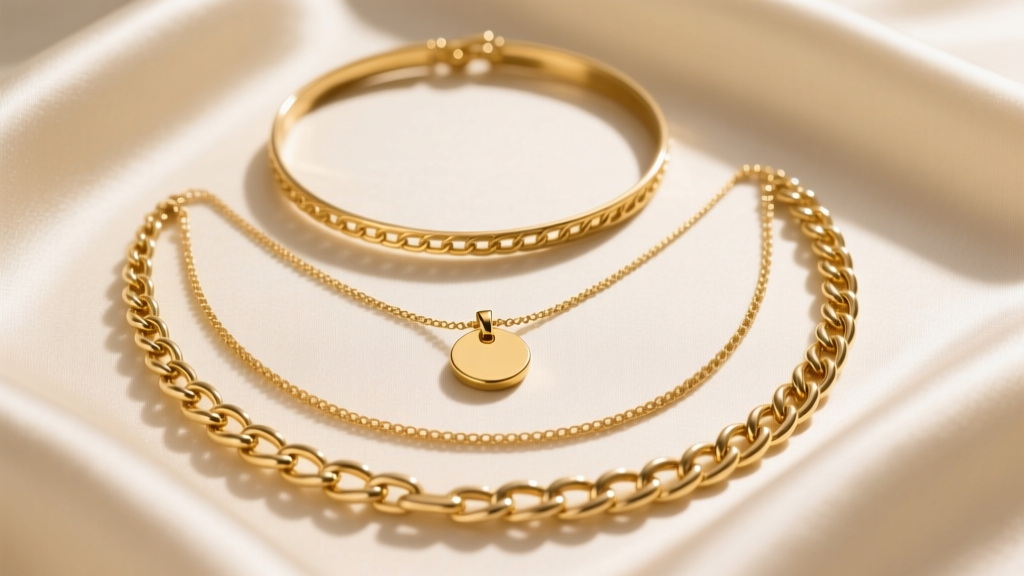
Gifting jewelry is an inherently intimate gesture, but gifting stack necklaces requires a blend of aesthetic intuition and technical precision. In 2026, the layered necklace trend has evolved beyond simply throwing three delicate chains together. Today’s discerning recipients expect intentional curation, balanced weight distribution, and high-quality metallurgy that withstands daily wear. Whether you are shopping for a milestone anniversary, a college graduation, or a significant birthday, understanding the mechanics of a perfect stack will elevate your gift from a simple accessory to a curated, wearable art piece.
The Anatomy of a Perfect Necklace Stack Gift
A well-constructed stack relies on the 'Rule of Two'—a minimum two-inch gap between each layer to prevent tangling and ensure each piece catches the light independently. When building a stack to gift, you must consider three distinct zones:
- The Base Layer (14 to 15 inches): This sits snugly at the base of the neck or collarbone. It should be the lightest and most delicate chain, typically a 0.9mm to 1.1mm cable or box chain. It acts as an anchor without competing for visual dominance.
- The Focal Layer (16 to 18 inches): This is the centerpiece of the stack, resting just below the collarbone. This layer should feature a pendant, a birthstone, or a slightly heavier chain link (1.5mm to 2.0mm). This is where you invest the most in gemstone quality or personalized engraving.
- The Matinee Layer (20 to 22 inches): The longest layer drapes over the chest, providing depth and elongating the neckline. A textured chain, such as a Figaro or a beaded chain, works exceptionally well here to add visual weight to the bottom of the stack.
Occasion Matching Matrix: Which Stack to Gift When?
Not all occasions call for the same metallurgical investment or stylistic approach. Use this 2026 occasion matrix to match the recipient’s profile with the appropriate stack configuration and budget.
| Occasion | Recipient Profile | Ideal Chain Mix & Materials | Estimated Budget (2026) |
|---|---|---|---|
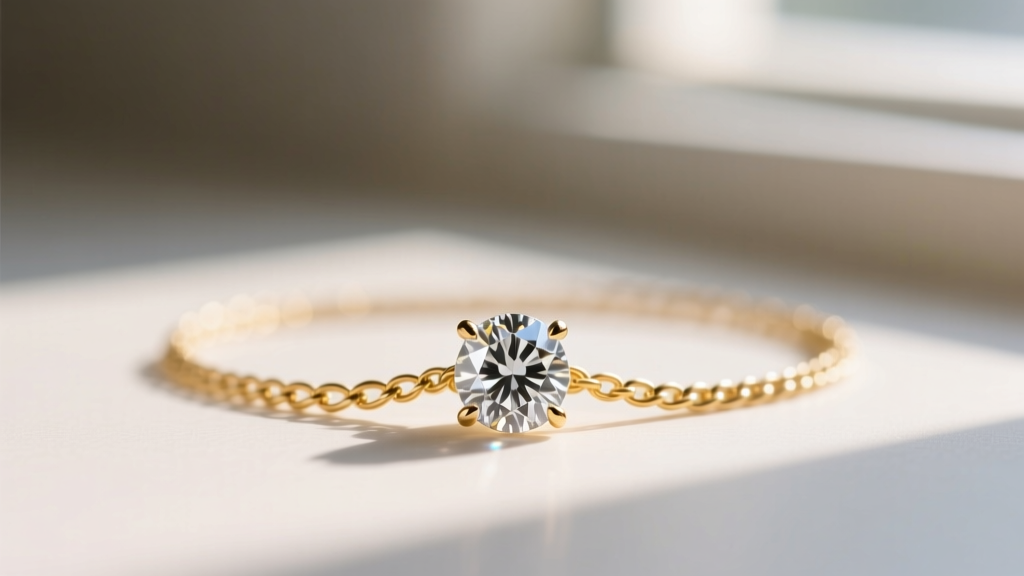
| Milestone Anniversary | Classic, values longevity and luxury | 14k or 18k Solid Gold; Diamond solitaire focal pendant mixed with a 2mm Rolo chain. | $800 - $2,500+ |
| College Graduation | Trend-conscious, entering the professional world | 14k Gold-Filled; Initial pendant on a 16-inch cable chain layered with an 18-inch Figaro. | $150 - $350 |
| First Valentine’s Day | Romantic, appreciates subtle sentimentality | Sterling Silver or Vermeil; Tiny heart or birthstone charm on a delicate 15-inch box chain. | $80 - $200 |
| Push Present / New Mother | Sentimental, needs durable, low-maintenance jewelry | 14k Solid Yellow Gold; Custom children's initial pendants on varying lengths of sturdy Cable chains. | $600 - $1,500 |
Material Grades & Durability: Beyond the Display Case
When gifting stack necklaces, the material dictates the lifespan of the gift. The friction between layered chains accelerates wear and tear, making material choice critical. According to the Gemological Institute of America (GIA), understanding the difference between gold plating, vermeil, and gold-filled is essential for making an informed purchase.
Solid Gold (14k vs. 18k)
For a gift meant to last a lifetime, solid gold is the only option. 14k gold (58.5% pure gold) is the industry standard for everyday layered necklaces because its alloy composition provides superior tensile strength, resisting the stretching and snapping that can occur when chains rub together. 18k gold (75% pure gold) offers a richer, warmer yellow hue but is softer and more prone to micro-scratches from constant friction in a stack.
Gold-Filled vs. Gold Vermeil
If solid gold is outside the budget, you must choose between gold-filled and vermeil. Gold-filled (specifically 1/20 14k GF) involves mechanically bonding a thick layer of solid gold to a brass core. It contains up to 100 times more gold than standard plating and can withstand the friction of a daily-wear stack for 10 to 30 years. Gold Vermeil is a heavy gold plating (minimum 2.5 microns) over sterling silver. While beautiful, the friction from stacked layers will eventually wear through the vermeil coating, exposing the silver beneath within 1 to 3 years of daily wear.
The Clasp & Chain Link Matrix
The chain link type dictates how the necklace drapes and how it interacts with other layers. When building a stack, never use three identical chain links. Mixing textures prevents the chains from catching on one another.
- Cable Chain: Uniform, oval links. Best for the delicate base layer or as a backdrop for a lightweight pendant.
- Rolo Chain: Symmetrical, round links with a flat surface. Excellent for the focal layer; it reflects light beautifully and has a satisfying, substantial drape.
- Figaro Chain: A pattern of two or three small circular links followed by one elongated oval link. Adds a vintage, textured element perfect for the longest matinee layer.
- Box Chain: Square links connected to form a smooth, continuous tube. Highly durable and resistant to kinking, making it ideal for holding heavier gemstone pendants.
Troubleshooting the Tangle: The Physics of Layering
The most common complaint regarding stack necklaces is tangling. Chains tangle due to a combination of friction, similar center-of-mass weights, and matching link sizes. When two chains have identical link dimensions (e.g., two 1.2mm cable chains), the links act like tiny gears, interlocking and knotting with every movement the wearer makes.
To engineer an anti-tangle stack, you must vary the physical properties of each layer:
- Vary the Link Size: Pair a micro 0.9mm chain with a chunky 3.0mm chain. The disparity in link size makes physical interlocking impossible.
- Vary the Weight: Ensure the bottom layer is physically heavier than the top layer. Gravity will keep the heavier chain pulled taut against the chest, while the lighter chain rests above it.
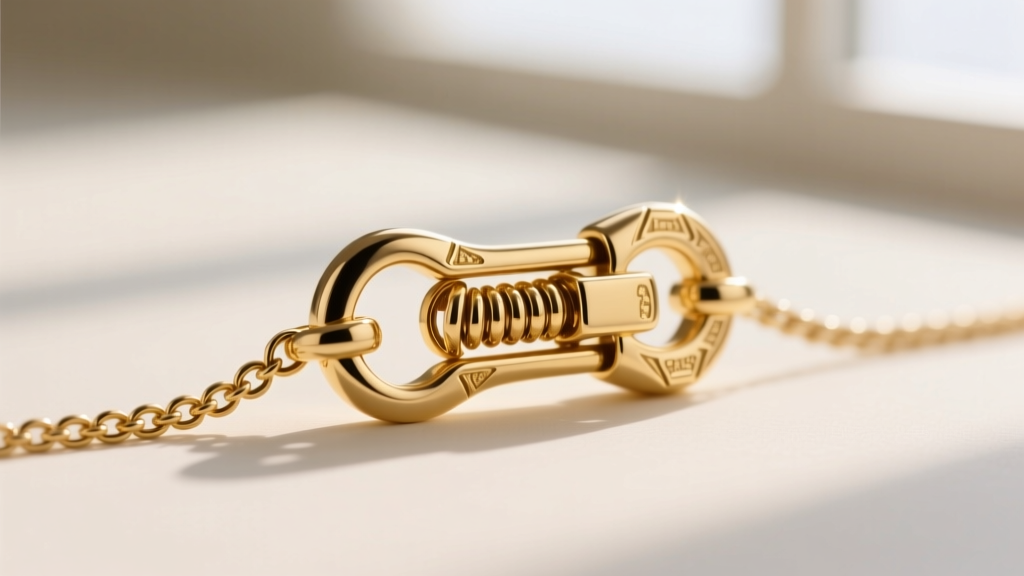
- Use a Multi-Strand Clasp: For the ultimate tangle-free experience, gift a stack that utilizes a specialized layered clasp. These single lobster-clasp mechanisms feature three distinct jump rings, locking the chains into parallel tracks at the nape of the neck, completely eliminating back-of-the-neck tangling.
Presentation & Packaging for Layered Sets
How you present stack necklaces is just as important as the jewelry itself. Handing someone a tangled ball of chains in a standard hinged ring box diminishes the luxury experience. According to gifting standards highlighted by Jewelers of America, presentation should protect the integrity of the piece.
Instead of a traditional box, present your stack in a multi-tier suede jewelry roll or a custom-flocked travel case with individual hook fasteners. This not only provides a premium unboxing experience but also gives the recipient the proper storage infrastructure to maintain the stack when traveling. If you must use a traditional box, use small, transparent silicone jewelry separators or anti-tarnish tissue paper to weave between the layers, keeping them physically separated until the moment they are worn.
By mastering the spacing, metallurgy, and physics of layered jewelry, you transform a simple gift into a highly engineered, deeply personal staple that the recipient will wear every single day.


