The Gnome Necklace Trend: 2026 Whimsical Jewelry Style Guide
Discover the 2026 gnome necklace trend. Explore material grades, layering techniques, and styling tips for whimsical forestcore and mythical jewelry.

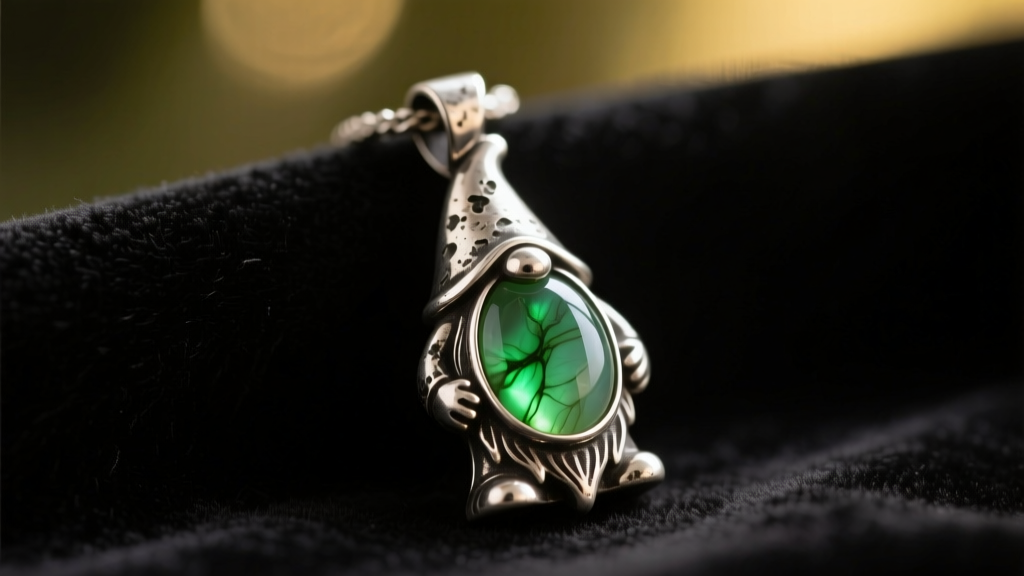
The Shift to Mythical Maximalism
For the past half-decade, the jewelry industry has been dominated by the understated elegance of "quiet luxury" and minimalist gold hoops. However, as we navigate 2026, a distinct counter-movement has taken root: Mythical Maximalism. At the forefront of this whimsical, narrative-driven aesthetic is the humble gnome necklace. No longer relegated to garden ornaments or novelty gifts, the gnome motif has been elevated by independent artisans and high-end jewelers alike into a symbol of earthiness, protection, and artisanal rebellion.
According to Vogue's 2026 Trend Report, the resurgence of "dark cottagecore" and "forestcore" has driven a 40% year-over-year increase in searches for folklore-inspired jewelry. Consumers are craving pieces with a story, and the gnome—rooted in Scandinavian tomte legends and alchemical associations with buried earth treasures—offers a rich symbolic canvas. But how do you integrate a fantasy motif into a sophisticated, modern wardrobe without crossing into costume territory? The secret lies in understanding metallurgy, precise layering math, and intentional styling.
Material Breakdown: What Makes a High-Quality Gnome Pendant?
The market is currently flooded with cheap, mass-produced alloy gnomes that tarnish within weeks. To invest in a piece that aligns with the 2026 fine jewelry ethos, you must scrutinize the material grades and finishing techniques. The best artisan gnomes rely on deep relief casting and specialized oxidation to highlight the intricate textures of the gnome’s beard, hat, and facial features.
| Material Grade | Finishing Technique | Durability & Wear | Price Range |
|---|---|---|---|
| Oxidized 925 Sterling Silver | Liver of sulfur patina, hand-polished high points | Excellent. Patina deepens over time, enhancing crevices. | $85 - $250 |
| 14k/18k Gold Vermeil | Minimum 2.5 microns of gold over a silver base | Good. Requires careful maintenance to prevent gold wear on high-relief areas. | $150 - $400 |
| Solid Bronze / Brass | Raw cast or lightly sealed | Fair. Prone to verdigris and skin discoloration if unsealed. | $45 - $120 |
| Plique-à-jour Enamel | Translucent enamel fired in silver cells (no backing) | Fragile. High-end artistry, strictly for occasional wear. | $800 - $3,000+ |
When shopping for an oxidized silver gnome pendant, look for descriptions that mention "hand-brushed" or "selective polishing." This ensures the recessed areas (like the folds of the gnome's tunic) remain dark, while the raised areas (the nose, the tip of the hat) catch the light. Avoid pieces described merely as "gunmetal plated," as this is often a superficial rhodium or ruthenium flash that will rub off on the high points within months.
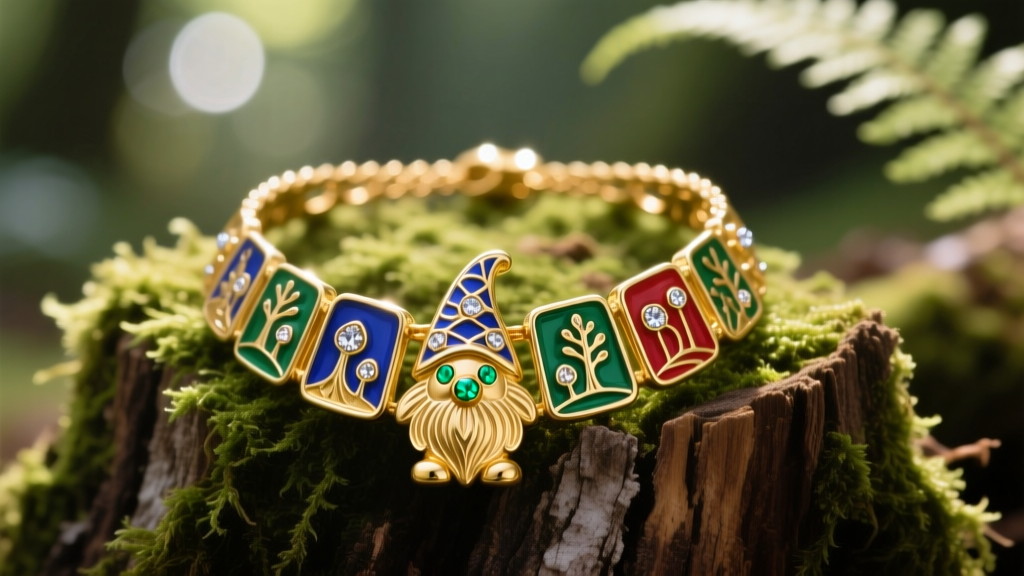
Gemological Accents: Inlays and Stone Selection
The 2026 iteration of the gnome necklace heavily features earth-toned, natural inclusions. According to the Gemological Institute of America (GIA), consumer preference has shifted heavily toward "imperfection-positive" gems that mimic the natural forest floor.
- Moss Agate (Mohs 6.5-7): The undisputed champion of the gnome pendant. Its dendritic inclusions look like tiny ferns trapped in the stone, perfectly matching the woodland theme. Ensure the agate is bezel-set; prong settings on irregular cabochons often lead to stone loss.
- Dendritic Opal (Mohs 5.5-6.5): Offers a softer, milky white background with dark, fern-like manganese inclusions. Highly porous, so it must be kept away from perfumes and lotions.
- Raw Emerald Chips (Mohs 7.5-8): Used in high-end "forestcore" pieces to represent the gnome’s affinity for buried treasure. The natural fissures in raw emeralds make them vulnerable to ultrasonic cleaners.
Styling Frameworks: The Mathematics of Layering
Wearing a gnome necklace as a solitary piece on a bare chest can sometimes feel too literal or costumey. The most sophisticated way to wear this trend in 2026 is through asymmetrical, multi-texture layering. By surrounding the whimsical pendant with grounded, minimalist chains, you anchor the piece in contemporary fashion.
The 16-18-24 Layering Formula
For a balanced neckline that works with everything from oversized linen button-downs to deep V-neck cashmere sweaters, utilize this precise chain hierarchy:
- The Anchor (16 inches): A 1.5mm oxidized silver cable chain worn close to the collarbone. This provides a subtle, dark framing line.
- The Hero (18 to 20 inches): Your gnome pendant, suspended on a 2.5mm Rolo chain. The heavier Rolo links contrast beautifully with the delicate cable chain above, and the 2-inch drop ensures the pendant sits perfectly on the sternum without tangling.
- The Lariat (24+ inches): A long, whisper-thin (0.8mm) box chain ending in a raw, unpolished crystal point or a simple silver lasso loop. This draws the eye vertically, elongating the neck and balancing the visual weight of the gnome.
"The key to wearing narrative jewelry like the gnome motif is juxtaposition. Pair the intricate, earthy fantasy of the pendant with sharp, modern tailoring—a structured blazer or a crisp poplin shirt. The tension between the mythological and the architectural is what makes the 2026 styling so compelling." — Elara Vance, Senior Accessories Editor
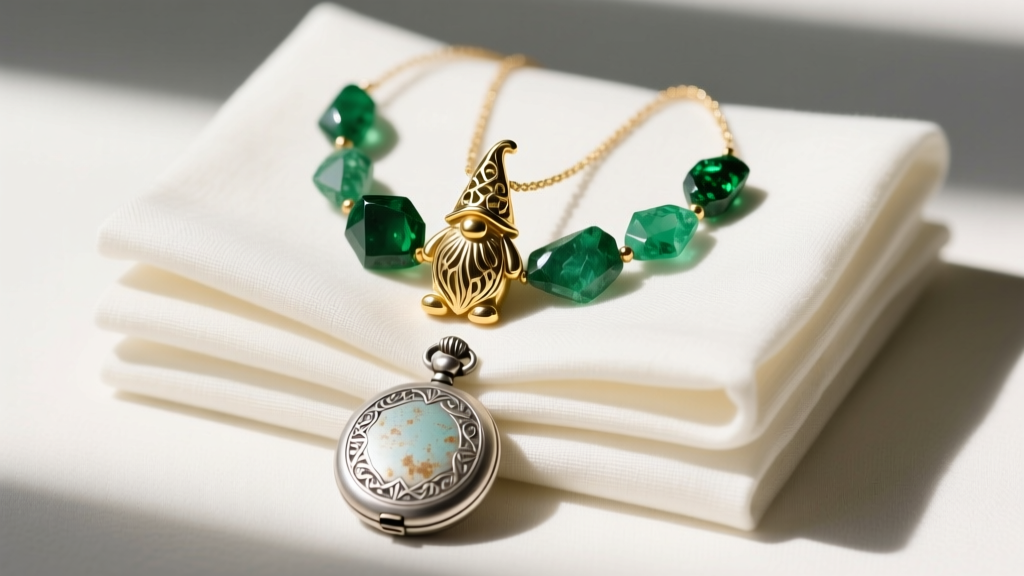
Market Tiers: Where to Source Authentic Artisan Pieces
As Harper's Bazaar recently noted, the democratization of fantasy jewelry has led to a bifurcated market. Knowing where to look ensures you are paying for actual craftsmanship rather than novelty markup.
1. The Indie Artisan Tier (Etsy & Direct-to-Consumer)
This is the sweet spot for the gnome necklace trend. Look for independent casters who use the lost-wax casting method. These artisans often carve the original gnome master out of jeweler's wax, allowing for microscopic details like individual beard hairs and woven hat textures. Expect to pay between $120 and $280 for solid 925 silver pieces featuring genuine moss agate cabochons. Always verify that the seller provides the exact gram weight of the pendant; a high-quality, solid-cast gnome pendant should weigh between 8 and 15 grams.
2. The Fine Jewelry Tier (Boutique Designers)
For those with a higher budget, niche fine jewelers are incorporating the gnome into their "secret garden" collections. These pieces utilize 18k recycled gold, champlevé enamel for the clothing, and micro-pavé tsavorite garnets for the eyes. Prices in this tier range from $1,500 to $4,500. These are heirloom-quality investments that transcend fleeting trends through sheer material value and horological-level finishing.
Care and Maintenance for Textured Pendants
Gnome pendants are inherently high-relief, meaning they feature deep undercuts, crevices, and textured surfaces that trap skin oils, dust, and cosmetic residues. Improper cleaning can ruin the intentional oxidation or shatter delicate enamel work.
- Ditch the Ultrasonic Cleaner: Never place an oxidized gnome pendant or an enamel piece into an ultrasonic cleaner. The high-frequency vibrations will strip the liver of sulfur patina from the recessed areas, leaving the piece looking flat and gray. It will also fracture moss agate inclusions and shatter plique-à-jour enamel.
- The Horsehair Brush Method: To clean crevices, mix a few drops of pH-neutral dish soap in lukewarm water. Use a soft-bristled horsehair detailing brush (not a hard toothbrush, which will scratch silver and gold) to gently agitate the dirt out of the gnome’s beard and hat folds.
- Targeted Polishing: If the high points of the pendant lose their luster, use a dry, untreated microfiber cloth to buff only the raised areas. Avoid liquid silver dips, as they will strip all oxidation and ruin the three-dimensional contrast of the design.
- Storage: Store your pendant in an anti-tarnish flannel pouch. If the piece features raw emerald or dendritic opal inlays, keep it away from extreme temperature fluctuations, which can cause the stones to craze or crack inside their bezels.
Final Thoughts on the 2026 Folklore Revival
The gnome necklace is far more than a fleeting internet micro-trend; it is a symptom of a broader cultural desire for grounding, storytelling, and connection to the natural world in an increasingly digital age. By focusing on superior metallurgy, intentional gemstone inlays, and mathematically precise layering, you can elevate this mythical motif into a cornerstone of your everyday jewelry wardrobe. Whether you opt for a heavy, oxidized silver guardian resting on your sternum or a delicate gold-and-enamel tomte layered with vintage lockets, the key is to wear the folklore with unapologetic sophistication.


