Gold Basketball Necklace Materials: Solid, Plated & Vermeil Compared
Compare solid, vermeil, and plated options for your gold basketball necklace. Learn which karat and chain style survives sweat and daily court wear.

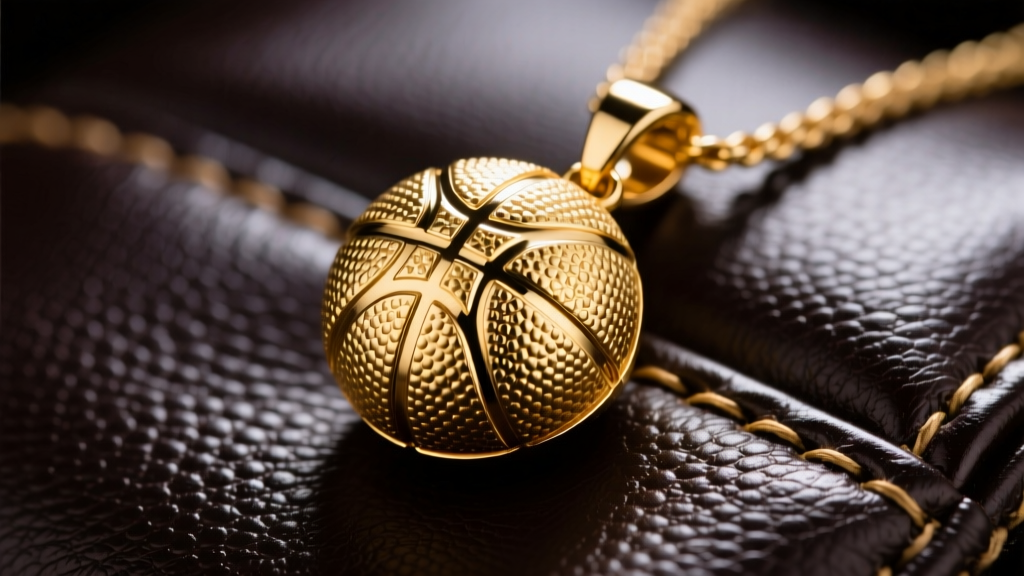
The Cultural and Physical Weight of the Gold Basketball Necklace
The gold basketball necklace has transcended its origins as a simple piece of sports memorabilia to become a cornerstone of streetwear, hip-hop fashion, and athletic culture. Whether you are celebrating a championship, honoring your love for the game, or simply making a bold style statement, the material you choose dictates the lifespan of the piece. In 2026, the market is flooded with options ranging from $50 hollow-plated pendants to $5,000 solid 14k diamond-encrusted centerpieces. But when a pendant is subjected to the friction of a cotton t-shirt, the impact of a moving body, and the corrosive nature of human sweat, material science matters just as much as aesthetics.
As experts at Jewel Style Radar, we break down the metallurgical properties, chain mechanics, and long-term durability of the most common materials used in basketball-themed jewelry. This guide will help you invest in a piece that survives both the court and the club.
Material Breakdown: Solid Gold, Vermeil, Plated, and PVD
Not all gold is created equal. The term "gold" in jewelry can refer to a solid alloy, a microscopic surface layer, or a high-tech vapor coating. Understanding these differences is critical when buying a sports pendant that will face rigorous wear.
1. Solid Gold (10k and 14k): The Court-Ready Standard
For a piece of jewelry meant to be worn during physical activity or daily streetwear rotation, solid gold is the undisputed king. However, pure 24k gold is far too soft (Vickers hardness of ~25) and will easily dent if a basketball pendant swings against your chest. Instead, jewelers use alloyed gold.
- 10k Gold (41.7% Pure): With a Vickers hardness of roughly 135-150, 10k gold is exceptionally durable. It contains higher amounts of copper, zinc, and silver, making it highly resistant to bending and scratching. It is the most practical choice for athletes who refuse to take their chains off.
- 14k Gold (58.5% Pure): Sitting around 120-130 on the Vickers scale, 14k offers a richer, warmer yellow hue while maintaining excellent structural integrity. According to the Gemological Institute of America (GIA), 14k remains the global standard for fine jewelry that balances color purity with everyday durability.
2. Gold Vermeil vs. Standard Plating
If solid gold is outside your budget, you will encounter vermeil and standard plating. The Federal Trade Commission (FTC) strictly defines these terms, yet many fast-fashion brands blur the lines.
- Gold Vermeil: This requires a sterling silver (.925) base coated with a minimum of 2.5 microns of gold (usually 14k or 18k). It is hypoallergenic and offers a premium look, but the gold layer will eventually wear thin on the high-friction "seams" of a basketball pendant.
- Gold Plated: Typically featuring a brass or copper base with a gold layer of less than 0.5 microns. Plated basketball necklaces are prone to rapid oxidation. Once the microscopic gold layer rubs off, the copper base reacts with sweat, leaving a green residue on your skin and chest.
3. PVD-Coated Stainless Steel: The Modern Alternative
Physical Vapor Deposition (PVD) has revolutionized affordable sports jewelry. By bonding gold titanium nitride to a surgical stainless steel base in a vacuum chamber, manufacturers create a surface that is entirely sweat-proof and hypoallergenic. While it lacks the intrinsic melt-value and prestige of solid gold, a PVD basketball necklace is virtually indestructible in gym environments.
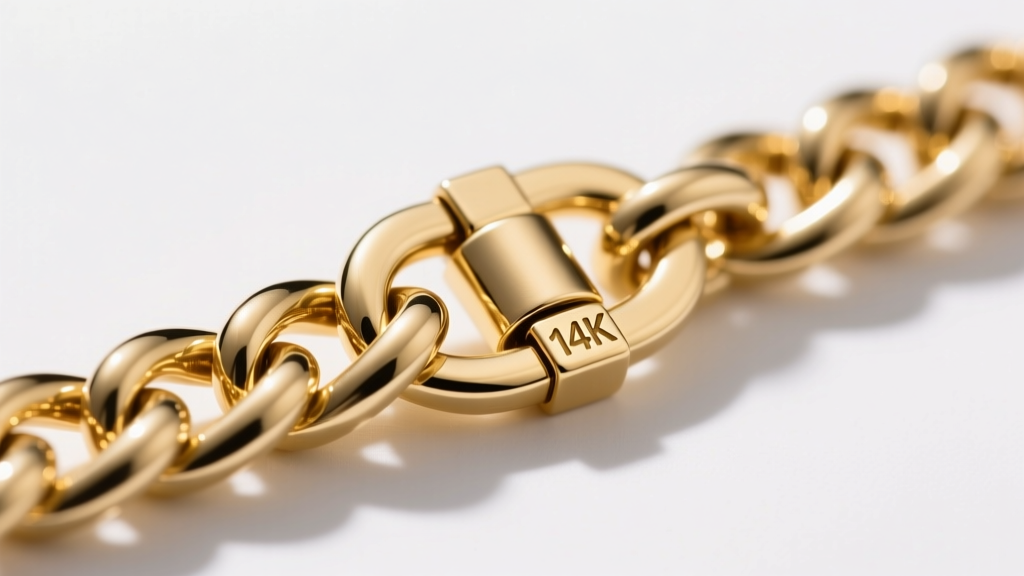
2026 Material Comparison Chart
Use this matrix to determine which material aligns with your lifestyle, budget, and maintenance tolerance.
| Material Type | Base Metal | Gold Layer / Purity | Sweat Resistance | Estimated Price Range (1" Pendant) |
|---|---|---|---|---|
| Solid 10k Gold | N/A (Solid Alloy) | 41.7% Pure Gold | Excellent (Tarnish-resistant) | $450 - $800 |
| Solid 14k Gold | N/A (Solid Alloy) | 58.5% Pure Gold | Excellent (Requires occasional polish) | $700 - $1,500+ |
| Gold Vermeil | Sterling Silver | ≥ 2.5 Microns | Poor (Degrades with lactic acid) | $120 - $250 |
| Gold Plated | Brass / Copper | < 0.5 Microns | Very Poor (Causes skin oxidation) | $30 - $80 |
| PVD Gold Steel | 316L Stainless | Titanium Nitride Vapor | Superior (Impervious to sweat) | $60 - $150 |
Chain Gauge and Bail Mechanics for Heavy Pendants
A common failure point in sports jewelry is not the pendant itself, but the chain and bail (the loop connecting the pendant to the chain). A solid cast, 25mm 14k gold basketball pendant typically weighs between 15 and 22 grams. If you are upgrading to a diamond-paved basketball, the weight can exceed 30 grams due to the dense metal backing required for stone setting.
Manufacturers often use electroforming to create large, lightweight hollow gold basketballs. While this saves on gold weight and cost, a single hard impact against a doorframe or gym equipment can dent the thin shell irreparably. Solid cast pendants, crafted via lost-wax casting, are heavier but completely immune to crushing.
Selecting the Right Chain
Do not pair a heavy basketball pendant with a delicate cable or rope chain. The concentrated weight will pull on the soldered links, causing them to unravel or snap. Instead, opt for structural chains:
- Cuban Link (4mm - 6mm): The flat, interlocking links distribute weight evenly and lay flat against the collarbone, preventing the pendant from flipping upside down.
- Franco Chain (3mm - 5mm): Woven in a continuous four-sided box pattern, Franco chains offer immense tensile strength and easily glide through standard pendant bails.
The Bail and Clasp
Ensure the pendant's bail is cast solid, not hollow. A hollow bail will quickly wear through from the friction of the chain rubbing against it. Furthermore, avoid spring-ring clasps for heavy pendants; the internal spring mechanism is a known failure point. Always use a heavy-duty lobster clasp or a custom box clasp with a safety latch.
Sweat, Oxidation, and Court-Side Maintenance
Human sweat is a complex chemical cocktail containing water, salts, urea, and lactic acid, with a pH typically ranging from 4 to 6. This mild acidity is the enemy of jewelry alloys.
"The copper and zinc alloys used to strengthen 10k and 14k gold are susceptible to microscopic oxidation when exposed to prolonged lactic acid. While the gold itself will never tarnish, the alloy metals can leave a dark residue on the skin if the chain is never cleaned."
Step-by-Step Cleaning Protocol
- Post-Game Rinse: If you wear your solid gold basketball necklace during a workout or game, rinse it under lukewarm tap water immediately afterward to neutralize the salts and acids.
- Monthly Deep Clean: Mix a few drops of mild dish soap (free of harsh degreasers) in warm water. Use an extra-soft baby toothbrush to gently scrub the deep grooves and "seams" of the basketball texture, where dead skin cells and lotion accumulate.
- Drying: Pat dry with a microfiber cloth. Never use paper towels, as the wood fibers can cause micro-scratches on high-polish gold surfaces.
- Ultrasonic Warning: While ultrasonic cleaners are excellent for solid gold, never place gold vermeil or diamond-set pendants in an ultrasonic bath. The high-frequency vibrations can strip thin plating and loosen pavé stone adhesives. If you opt for an 'iced out' basketball pendant, ensure the diamonds are prong-set into solid gold rather than glued into a silver base, as the thermal expansion rates of different metals will cause stones to pop out over time.
Final Verdict: Investing in Your Legacy
A gold basketball necklace is a deeply personal artifact. If you are buying a piece to commemorate a senior year championship or a lifelong love for the sport, bypass the plated options and invest in solid 14k gold paired with a robust Franco or Cuban chain. The upfront cost is significantly higher, but the metallurgical stability ensures that the pendant will outlast your playing days, becoming a timeless heirloom rather than a tarnished relic in a drawer.


