How to Choose the Perfect Gold Belly Necklace: 2026 Buying Guide
Discover how to choose the perfect gold belly necklace. Our 2026 buying guide covers chain lengths, karat weights, clasp types, and styling tips.

The Anatomy of the Gold Belly Necklace
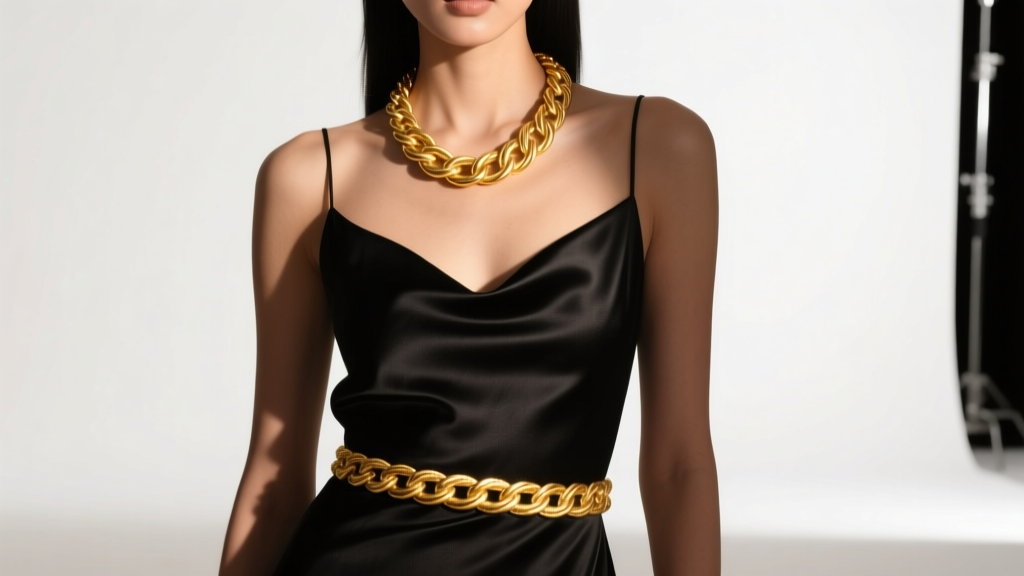
In the evolving landscape of 2026 jewelry trends, the gold belly necklace has transitioned from a niche festival accessory to a sophisticated layering staple. Unlike standard necklaces that rest on the collarbone or sternum, a belly necklace—often referred to as an extra-long opera chain, a lariat, or a torso body chain—measures anywhere from 28 to 36 inches. This extended length allows the chain to drape elegantly over the torso, terminating at the midriff or hip. However, the increased length introduces unique structural challenges. The additional mass and the kinetic swing of a long chain place significantly higher tensile stress on the clasps, jump rings, and individual links. Choosing the right piece requires a deep understanding of metallurgy, chain mechanics, and proportional styling.
Chain Lengths & Proportional Drape
The term "belly necklace" encompasses a range of lengths, each interacting differently with the body's natural contours and various garment silhouettes. Selecting the correct drop is crucial for achieving the desired aesthetic without compromising comfort.
- 28 to 30 Inches (High Belly / Solar Plexus): This length rests just above the navel. It is ideal for wearing over high-waisted trousers or tucked-in silk blouses, creating a subtle, elongated V-shape that draws the eye downward.
- 32 to 34 Inches (Mid to Low Belly): The most versatile and popular range. It rests directly on or just below the navel, making it perfect for open-front cardigans, deep-V wrap dresses, or resort wear where the midriff is partially exposed.
- 36+ Inches (Hip / Lariat Style): Often designed without a traditional clasp, these lariats or body chains drape down to the hips and can be wrapped or knotted. They offer a bohemian, fluid movement but require careful management to prevent catching on belts or hardware.
Metal Purity: 14K vs. 18K vs. Vermeil
When investing in a long-span chain, the alloy composition dictates the structural integrity of the piece. Pure 24K gold is far too malleable for a belly necklace; the weight of the chain alone would cause it to stretch and deform over time. According to the Gemological Institute of America (GIA), alloying gold with metals like copper, silver, and zinc increases its yield strength.
| Metal Type | Gold Purity | Tensile Strength | Best Use Case for Long Chains | Approx. Price Range (32") |
|---|---|---|---|---|
| 14K Solid Gold | 58.5% | High | Everyday wear, heavy pendants, active lifestyles | $450 - $850 |
| 18K Solid Gold | 75.0% | Medium | Occasional wear, luxury layering, rich color priority | $800 - $1,500+ |
| Gold Vermeil | 2.5μm over Silver | Low (Prone to wear) | Budget fashion, seasonal trends, low-friction wear | $90 - $200 |
For a gold belly necklace, 14K gold is the superior choice. The higher percentage of alloy metals provides the necessary rigidity to resist stretching and link distortion, which is critical when a 32-inch chain is subjected to the friction of clothing and the pull of gravity.
Chain Links & Tangling: Surviving the Torso
Not all chain weaves are created equal, especially when they must navigate the curves of the torso. A belly necklace is highly susceptible to tangling and kinking due to its length and the body's movement.
The Best Link Styles
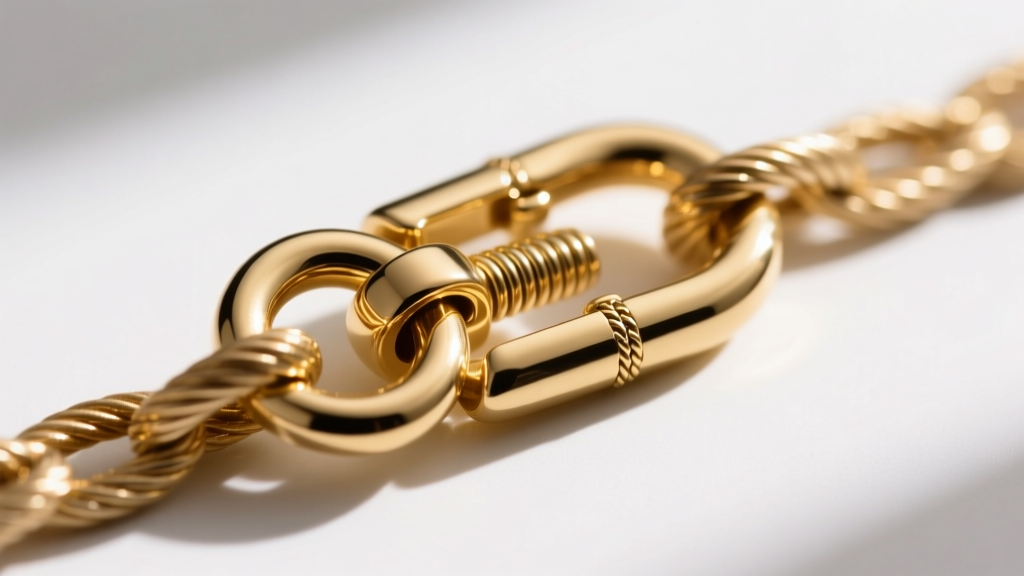
Rope Chains and Box Chains are the gold standards for extra-long necklaces. Rope chains feature twisted links that mimic a helix, offering exceptional durability and a natural resistance to tangling. Box chains, composed of square, interlocking links, lay flat against the skin and are virtually snag-free. Both styles can easily withstand the bending and folding that occurs when sitting or leaning.
Styles to Avoid
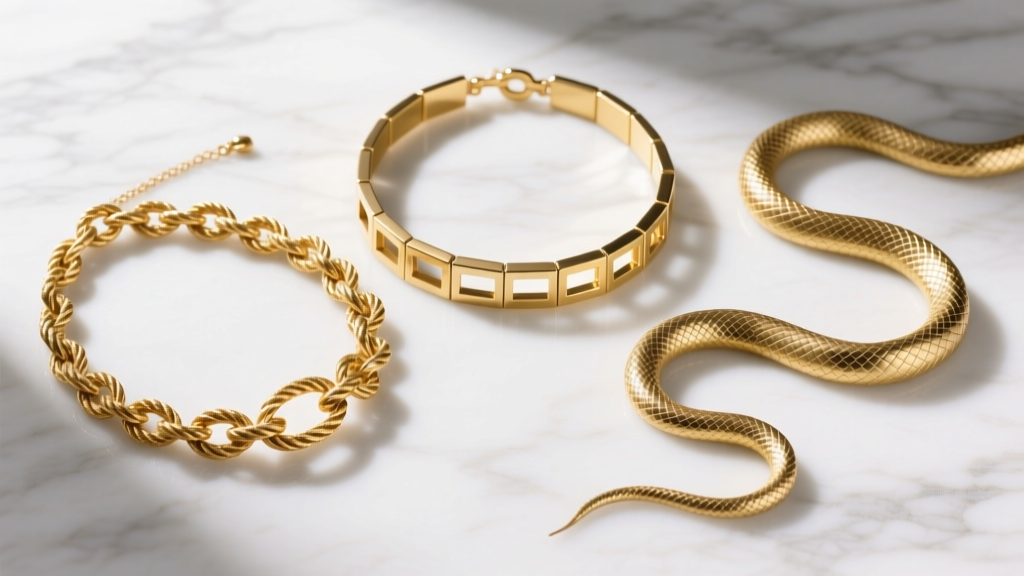
Avoid Snake Chains and Omega Chains for belly lengths. Snake chains consist of tightly packed, smooth metal rings that form a flexible tube. While beautiful, they have a strict bending radius. If a snake chain is bent past a 45-degree angle—which happens inevitably when draped over the stomach and compressed by sitting—it will permanently kink, ruining the structural integrity of the necklace.
Clasp Mechanics for Extra-Long Chains
The clasp is the most common point of failure on any necklace, but the risk multiplies with a gold belly necklace. A standard 16-inch choker weighs roughly 3 to 5 grams. A 32-inch, 3mm rope chain can weigh upwards of 15 to 20 grams. This additional mass generates kinetic momentum when the wearer moves, placing sudden, sharp tension on the clasp mechanism.
Spring Ring Clasps: These are inadequate for belly necklaces. The tiny internal spring and thin lever are rated for minimal tension and will easily snap or deform under the dynamic load of a heavy, swinging chain.
Lobster Clasps: A medium-to-large lobster clasp is mandatory. Ensure the jump ring connecting the clasp to the chain is soldered (fused shut with heat) rather than just pinched closed. An unsoldered jump ring will slowly pry open under the weight of the chain, leading to a lost necklace. For chains exceeding 4mm in thickness, a Toggle Clasp or a Magnetic Locking Clasp provides the most secure and user-friendly fastening experience.
Pricing, Sizing, and Where to Invest
In 2026, the market for long-form gold chains is segmented by manufacturing technique. Hollow-core chains (often electroformed) offer a thick, bold look at a fraction of the weight and cost, but they are highly susceptible to crushing and cannot be easily repaired if dented. Always opt for solid or semi-solid links for a belly necklace, as the torso is a high-impact zone where jewelry is prone to being pressed against tables, steering wheels, and furniture.
Brands like Mejuri and Catbird offer excellent entry-level 14K solid gold opera chains in the $400–$600 range, typically featuring durable cable or rolo links. For heritage-quality, heavy-weight rope chains that serve as standalone statement pieces, specialized chain manufacturers and legacy jewelers will price 32-inch solid 14K pieces between $900 and $1,800, dictated heavily by the daily spot price of gold and the gram weight of the piece.
Care, Maintenance, and Storage Framework
Proper maintenance is non-negotiable for preserving the lifespan of a long gold chain. The Jewelers of America recommends specific protocols for storing extended-length jewelry to prevent catastrophic tangling.
- Vertical Storage: Never toss a 32-inch chain into a jewelry box. It will inevitably knot upon itself. Always hang belly necklaces vertically on a multi-tiered jewelry stand or a padded hook. Gravity will keep the links aligned and tension-free.
- Friction Management: Gold is a relatively soft metal. Wearing a long chain over rough fabrics like sequins, heavy wool, or garments with exposed metal zippers will act like sandpaper, slowly wearing down the individual links over time. Stick to silk, cotton, and smooth synthetics.
- Chemical Exposure: Because belly necklaces rest close to the body's core, they are exposed to higher levels of perspiration and body oils, especially in warmer climates. Wipe the chain down with a microfiber cloth after extended wear to prevent the buildup of sebum and cosmetic lotions, which can dull the gold's luster and accumulate in the crevices of rope and box links.
By prioritizing 14K solid gold, selecting a tangle-resistant link structure like a rope or box weave, and insisting on a soldered lobster clasp, you ensure your gold belly necklace remains a resilient, striking element of your wardrobe for years to come.


