Shield Maiden Necklace Materials: Bronze, Silver, and Steel
Discover the best metals for your shield maiden necklace. We compare bronze, sterling silver, and surgical steel for durability, patina, and skin safety.

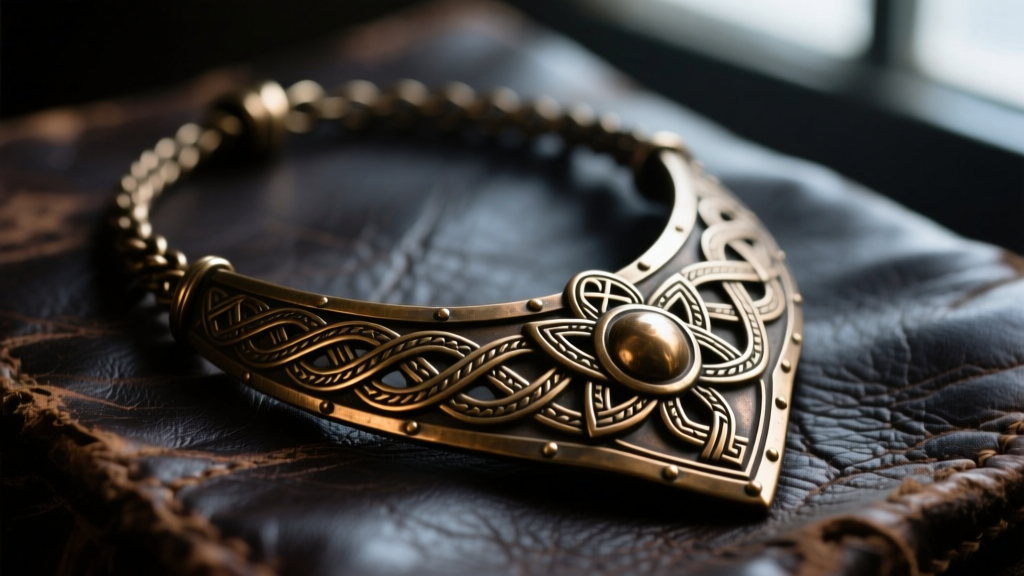
The Legacy of the Shield Maiden: Why Material Matters
The shield maiden necklace has evolved from a niche historical reenactment accessory into a staple of alternative and heritage fashion. Characterized by bold, heavy pendants featuring Norse knotwork, Valknut motifs, runic inscriptions, and literal shield shapes, these pieces demand rigorous metallurgical integrity. Unlike delicate, lightweight chains, a true shield maiden pendant often weighs between 15 and 40 grams. This substantial mass places continuous kinetic stress on the chain, the bail, and the metal structure itself. When selecting a shield maiden necklace, understanding the material properties—ranging from Vickers hardness to galvanic reactivity—is critical to ensuring the piece survives daily wear without warping, snapping, or causing contact dermatitis.
According to historical jewelry archives at the British Museum, Viking Age artisans primarily utilized bronze, silver, and iron. Today, modern metallurgy offers refined versions of these historical metals, alongside advanced alloys like surgical steel. Below, we break down the exact material grades, failure modes, and maintenance requirements for the top three metals used in contemporary shield maiden jewelry.
Metallurgical Breakdown: Comparing the Top 3 Alloys
1. Historical Bronze (CuSn8 and CuSn12)
Bronze is the most historically authentic choice for a shield maiden necklace, offering a warm, earthen aesthetic that connects directly to Scandinavian antiquity. However, not all bronze is created equal. Jewelers typically use either CuSn8 (8% tin) or CuSn12 (12% tin). CuSn12 is vastly superior for intricate lost-wax casting, as the higher tin content increases the alloy's Vickers Hardness (HV) to approximately 150 HV, allowing for sharper, more defined runic engravings.
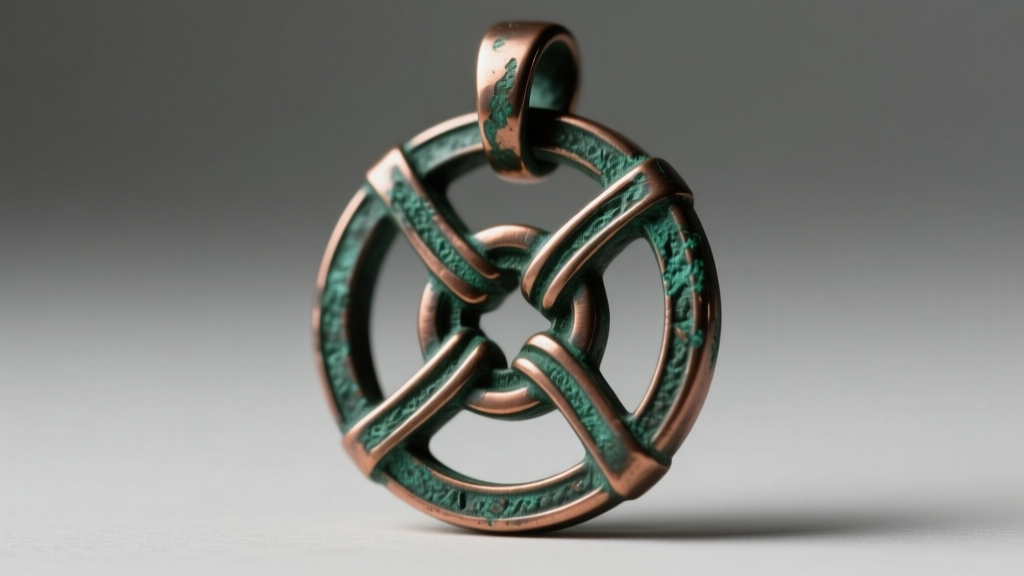
Patina and Skin Reactivity: Bronze is highly reactive to human sebum and environmental humidity. Over time, the copper in the alloy oxidizes, creating a dark, rich patina that many enthusiasts desire. However, this same reaction can leave a harmless green or black residue on the skin of the wearer. To mitigate this without sacrificing the antique look, look for pendants sealed with a micro-crystalline wax (like Renaissance Wax) rather than polyurethane, which chips and flakes under friction.
2. Sterling Silver (925) vs. Argentium (935)
Sterling silver (92.5% silver, 7.5% copper) is the premier choice for those seeking a bright, precious metal finish. With a Vickers Hardness of roughly 65 HV in its annealed state, sterling silver is highly ductile but relatively soft. This presents a specific structural vulnerability for heavy shield pendants: bail fatigue. If the loop (bail) connecting a 30-gram shield pendant to the chain is stamped from thin 20-gauge sheet metal, the continuous swinging motion will eventually cause metal fatigue, leading to a catastrophic snap.
The Argentium Advantage: For a low-maintenance alternative, seek out Argentium silver (935). By replacing a portion of the copper alloy with germanium, Argentium forms a transparent, self-healing germanium dioxide layer on the surface. This makes the shield maiden necklace highly resistant to the sulfur-induced tarnishing that plagues standard 925 silver, keeping the intricate knotwork bright without the need for constant chemical polishing.
3. 316L Surgical Stainless Steel
For the modern warrior prioritizing indestructibility and hypoallergenic properties, 316L surgical stainless steel is the ultimate utilitarian choice. The 'L' denotes low carbon, while the addition of 2-3% molybdenum drastically increases resistance to chloride pitting—meaning it will not rust or corrode, even if worn in the ocean or during intense, sweat-heavy workouts.
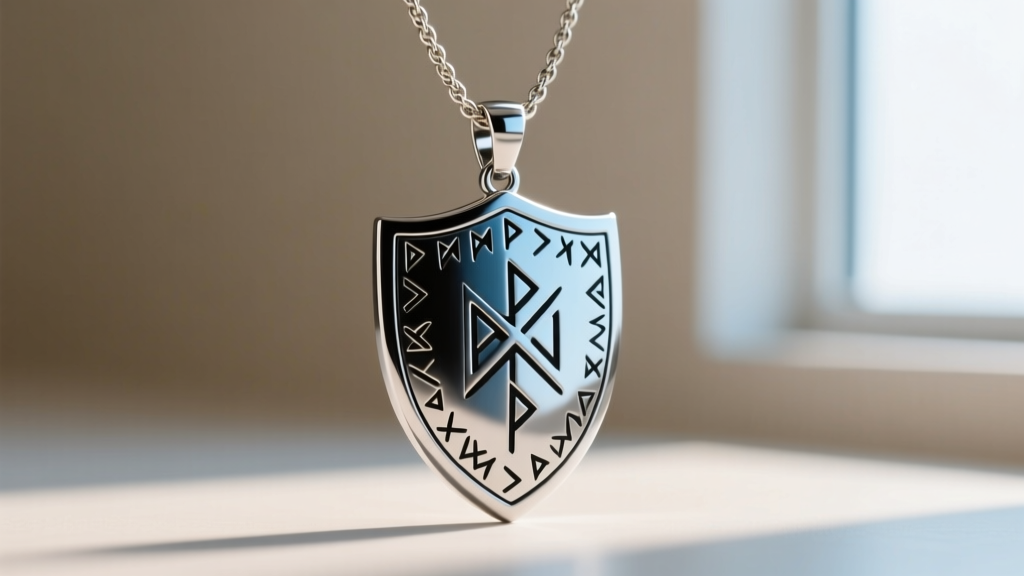
Manufacturing Constraints: With a Vickers Hardness exceeding 220 HV, 316L steel is exceptionally difficult to work with using traditional hand-stamping or carving techniques. Consequently, steel shield maiden necklaces often rely on CNC machining or deep laser engraving. While this results in razor-sharp, permanent lines that will never wear away, the overall aesthetic tends to look more 'machined' and modern compared to the organic, hand-finished feel of cast bronze or silver.
Material Properties & Failure Modes Comparison Chart
| Material Grade | Hardness (HV) | Tarnish / Oxidation Rate | Common Failure Mode | Avg. Price Range |
|---|---|---|---|---|
| CuSn12 Bronze | ~150 | High (Develops Patina) | Pitting if exposed to chlorides | $45 - $120 |
| 925 Sterling Silver | ~65 | Moderate (Sulfur Tarnish) | Bail fatigue / Warping | $90 - $250 |
| 935 Argentium | ~75 | Very Low | Thermal shock during resizing | $130 - $300 |
| 316L Steel | ~220 | Negligible | Chain clasp spring failure | $30 - $85 |
Chain Selection: Matching the Pendant Weight
A common mistake when buying a shield maiden necklace is pairing a heavy, 40mm diameter pendant with an inadequate chain. The structural integrity of the necklace relies heavily on the chain's gauge and weave. According to jewelry manufacturing standards outlined by the Gemological Institute of America (GIA), the chain must be rated to withstand at least three times the static weight of the pendant to account for kinetic shock (e.g., bending over quickly).
- For Pendants 10g - 20g: A 2.5mm to 3.0mm Wheat (Spiga) chain is ideal. Wheat chains feature interlocking, directional links that distribute weight evenly and resist kinking.
- For Pendants 20g - 40g: Upgrade to a 4.0mm to 5.0mm Cuban or Curb link chain. Avoid Rope chains for heavy shields; the twisted, soldered links of a rope chain create microscopic stress fractures over time when subjected to heavy, swinging pendulum weights.
- Clasp Mechanics: Never use a standard spring-ring clasp for a heavy shield pendant. The internal copper spring will eventually corrode or slip. Always opt for a heavy-duty Lobster Claw or a mechanical Toggle clasp forged from the same metal as the chain to prevent galvanic corrosion.
Care and Patina Management
Maintaining your shield maiden necklace requires material-specific protocols. Using the wrong chemical cleaner can permanently ruin the finish or damage inlaid stones.
- Bronze: If you wish to strip away dark oxidation and restore the bright gold-like shine, create a paste of lemon juice and baking soda, apply for 60 seconds, and rinse thoroughly. Never use commercial silver dips on bronze, as the harsh thiourea chemicals will cause irreversible micro-pitting.
- Sterling Silver: Use a treated jeweler's cloth impregnated with mild abrasives and anti-tarnish agents. Avoid liquid silver cleaners on pieces with intentional 'oxidized' (blackened) recesses, as the liquid will strip the contrast from the knotwork.
- 316L Steel: Simply wash with warm water and a drop of mild dish soap. Use a soft-bristled toothbrush to clear out sebum and dead skin cells from deep laser-engraved runes. Steel requires no chemical polishing.
Final Verdict: Which Metal Suits Your Battle?
The ideal metal for your shield maiden necklace depends entirely on your lifestyle and aesthetic preferences. If you value historical authenticity and appreciate a piece of jewelry that evolves and records your personal history through a living patina, CuSn12 Bronze is unmatched. If you prefer a traditional, high-value precious metal and are willing to invest in a piece with a heavy, structurally sound 10-gauge bail, Argentium Silver offers brilliant, low-maintenance luxury. Finally, if you demand a rugged, waterproof, and completely hypoallergenic piece that can survive the gym, the ocean, and decades of daily abuse, 316L Surgical Steel is your ultimate armor.


