Gold Bezel Necklace Buying Guide: Karats, Stones & Fit
Discover what to look for in a gold bezel necklace. Our expert buying guide covers karat weights, gemstone cuts, bezel types, and pricing for 2026.

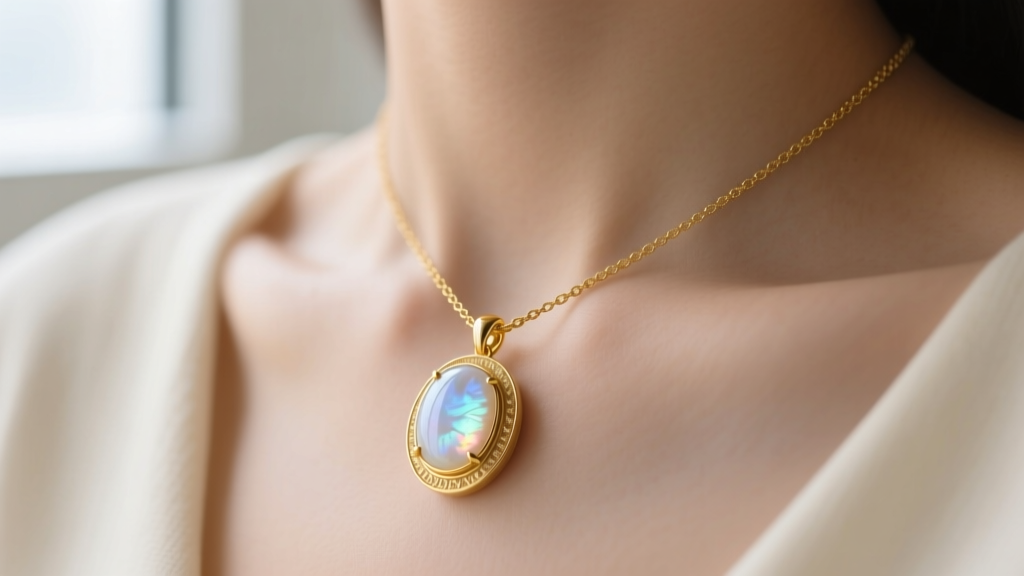
The Anatomy of a Bezel Setting: Why It Dominates Daily Wear
When navigating the 2026 fine jewelry market, the gold bezel necklace remains the undisputed champion of secure, everyday elegance. Unlike traditional prong settings that leave a gemstone’s girdle exposed and prone to snagging on knitwear, a bezel setting utilizes a continuous rim of metal that encircles the entire perimeter of the stone. This metal wall is burnished—pushed and smoothed by a jeweler’s tool—flush against the gem, locking it in place. For active lifestyles, this architectural approach to jewelry design is non-negotiable. According to the Gemological Institute of America (GIA), bezel settings offer the highest level of impact protection for vulnerable gemstones, effectively eliminating the risk of chipping from lateral blows.
However, not all bezels are created equal. The quality of a gold bezel necklace hinges on three critical factors: the metallurgical properties of the gold karat used, the precision of the burnishing technique, and the geometric pairing of the bezel style with the specific gemstone cut. This comprehensive buying guide will dissect these variables, ensuring you invest in a piece that is both structurally sound and aesthetically impeccable.
Gold Karat Metallurgy: 14k vs. 18k vs. 22k
The structural integrity of a bezel setting is directly tied to the Vickers Hardness Number (VHN) of the gold alloy. Pure 24k gold is far too malleable to hold a gemstone securely; it requires alloying metals like copper, silver, and zinc to achieve the necessary tensile strength.
14k Gold (58.5% Pure Gold)
With a VHN ranging from 130 to 150, 14k gold is the workhorse of bezel settings. Its superior hardness allows jewelers to create ultra-thin bezel walls (typically 0.4mm to 0.6mm thick). This thin profile maximizes the visible surface area of the gemstone while maintaining an ironclad grip. For tension-heavy designs or ultra-minimalist pendants, 14k gold is the optimal choice.
18k Gold (75% Pure Gold)
Prized for its rich, buttery color and hypoallergenic properties, 18k gold has a lower VHN of roughly 90 to 110. Because it is softer, an 18k gold bezel must be milled thicker (0.8mm to 1.2mm) to prevent the metal from pulling away from the stone during daily wear. If you are purchasing an 18k gold bezel necklace, inspect the rim: if the metal wall is paper-thin, it is a structural liability that will eventually warp.
22k Gold (91.6% Pure Gold)
While 22k gold offers a deeply saturated, historic yellow hue, its VHN drops below 70. It is generally unsuited for secure bezel settings unless the bezel wall is exceptionally thick (1.5mm+) or reinforced with an internal structural armature. Jewelers of America frequently advises consumers to reserve 22k gold for solid bands or cast pieces rather than intricate stone-setting applications.
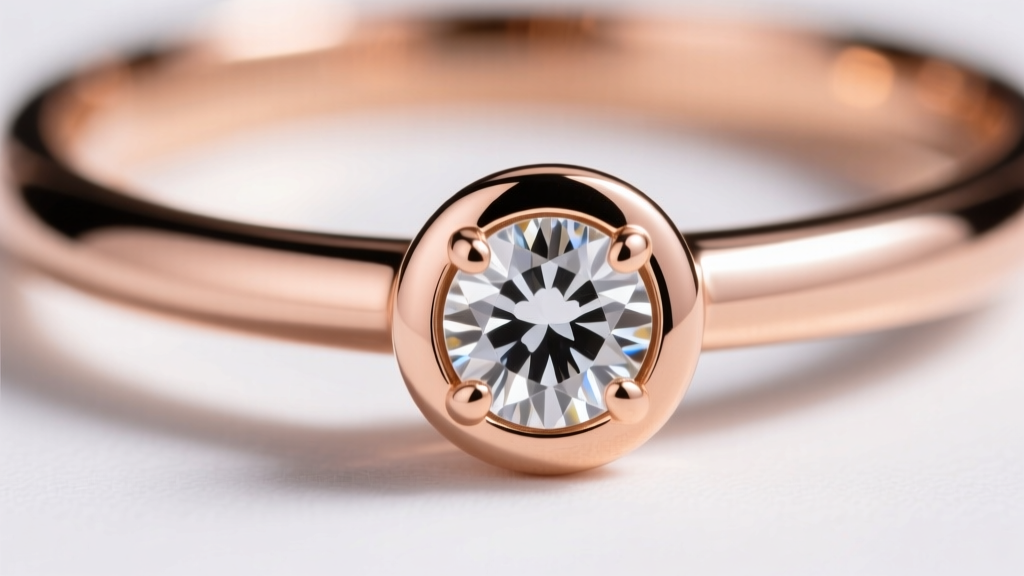
Decoding Bezel Styles: Full, Half, and Scalloped
The visual weight and light performance of your necklace will change drastically depending on the bezel style you choose. Use the framework below to match the setting to your lifestyle and aesthetic preferences.
| Bezel Type | Security Level | Light Return | Best Gemstone Pairings |
|---|---|---|---|
| Full Bezel | Maximum | Moderate (Blocks edge light) | Cabochons (Opal, Moonstone, Turquoise), Emeralds |
| Half Bezel | High | Excellent (Opens two sides) | Faceted Diamonds, Sapphires, Spinels |
| Scalloped / Milled | High | Moderate to High | Vintage-cut Diamonds, Pearls, Cameos |
Pro Tip: If you are purchasing a diamond pendant and want maximum brilliance, opt for a half-bezel setting. By leaving the east and west sides of the stone open, light can enter and exit the pavilion unobstructed, compensating for the light blocked by the metal rim.
Gemstone Geometry: Cabochons vs. Faceted Stones
The cut of the gemstone dictates the necessary depth and style of the gold bezel. This is where many mass-market manufacturers cut corners, leading to premature stone loss.
Cabochon Cuts (The Dome)
Gemstones like moonstone, opal, and turquoise are cut en cabochon, featuring a smooth, domed top and a flat or slightly convex base. These stones rank between 5.5 and 6.5 on the Mohs hardness scale, making their curved girdles highly susceptible to chipping. A full bezel is mandatory here. Furthermore, the bezel wall must be tall enough to grip the stone just below the apex of the dome's curve. If the metal only grips the very bottom edge, the stone will pop out under pressure.
Faceted Cuts (The Brilliance)
Faceted stones rely on precise angles to reflect light. When setting a round brilliant or oval faceted stone in a full bezel, the metal rim will inevitably cover a portion of the crown and table edge, slightly reducing the stone's perceived carat weight. To counteract this, look for "knife-edge" bezels, where the interior lip of the gold is tapered to a fine point, minimizing the metal footprint on the gem's surface.
Open-Back vs. Closed-Back Bezels: The Hygiene Factor
One of the most overlooked aspects of buying a gold bezel necklace is the backing of the pendant. This structural decision impacts both the longevity of the gemstone and the ease of maintenance.
- Closed-Back Bezels: A solid sheet of gold seals the back of the pendant. This is crucial for porous or fragile stones like opals, turquoise, and lapis lazuli, as it prevents lotions, perfumes, and dead skin cells from accumulating behind the stone and dulling its color. High-end closed-back bezels will include a tiny 1mm "breather hole" to prevent air pressure changes from cracking the stone.
- Open-Back Bezels: The back of the stone is exposed to the skin. This is ideal for diamonds, sapphires, and rubies, as it allows you to easily clean the pavilion (the bottom of the stone) with a soft brush and mild soap, ensuring maximum light refraction.
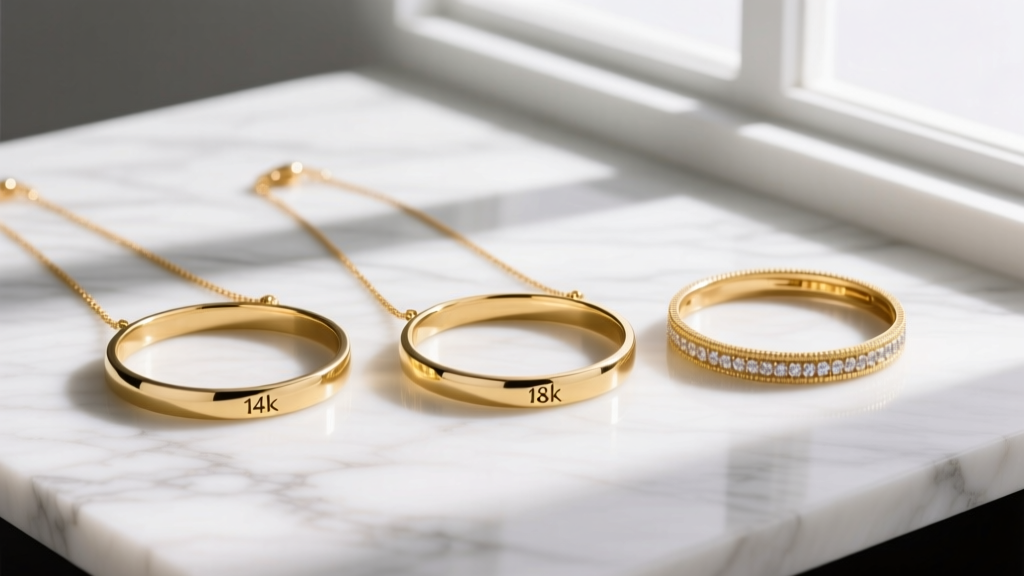
Chain Proportions and Clasp Mechanics
A gold bezel pendant is only as good as the chain that supports it. In 2026, the trend leans toward proportional harmony: the chain's width should not exceed the thickness of the pendant's bail (the loop connecting the pendant to the chain).
For delicate bezel pendants (under 10mm in diameter), a 14k or 18k gold cable chain or box chain ranging from 0.9mm to 1.2mm in thickness provides the perfect balance of tensile strength and visual subtlety. Avoid snake chains; their tightly interlocked links are prone to kinking and can trap hair and lint, which is difficult to clean.
Always verify the clasp mechanism. A standard spring ring clasp is acceptable for chains under 2 grams, but for heavier gold bezel lockets or large gemstone pendants, insist on a lobster claw clasp. Lobster clasps feature a stronger internal spring and a wider gate, drastically reducing the risk of accidental unclasping.
2026 Pricing Tiers & Market Value
Understanding the pricing landscape prevents overpaying for subpar craftsmanship. While gold spot prices fluctuate, the retail cost of a gold bezel necklace is heavily weighted toward the labor-intensive burnishing process and the gemstone quality.
- Entry-Level ($250 - $600): 14k gold, lab-grown diamonds (0.10ct - 0.25ct) or semi-precious cabochons (amethyst, garnet). Often machine-stamped bezels with minimal hand-finishing.
- Mid-Tier ($600 - $1,800): 14k or 18k gold, natural or high-grade lab-grown diamonds (0.30ct - 0.75ct), or premium opals. Features hand-burnished bezels, open-back designs, and solid lobster clasps.
- Investment / Fine ($1,800 - $5,000+): 18k gold, natural earth-mined diamonds or rare colored gemstones (e.g., Paraíba tourmaline, unheated sapphires). Custom-milled knife-edge bezels, seamless chain integration, and premium brand provenance.
The Quality Control Checklist
Before finalizing your purchase, whether in a boutique or online, run the pendant through this rigorous quality control checklist:
- The Snag Test: Run a piece of silk fabric or a cotton swab over the bezel rim. If it catches, the burnishing is incomplete, and the metal will eventually tear your clothing and wear down.
- The Gap Inspection: Use a 10x jeweler's loupe to inspect where the gold meets the gemstone. There should be zero visible light gaps. Any gap indicates poor seating, which will allow moisture and debris to compromise the stone over time.
- The Bail Weld: Check the jump ring or bail connecting the pendant to the chain. It should be laser-welded or soldered completely shut. An open jump ring will inevitably pull apart under the weight of a gold bezel pendant.
By prioritizing metallurgical hardness, precise geometric pairings, and meticulous burnishing, you will secure a gold bezel necklace that is not only a stunning focal point but a resilient heirloom capable of withstanding the rigors of daily wear.


