Gold Fox Necklace Metals: Solid, Vermeil, and Plated Compared
Compare solid, vermeil, and plated metals for your gold fox necklace. Learn about karats, durability, and pricing for animal pendants.

The Appeal and Anatomy of the Fox Motif
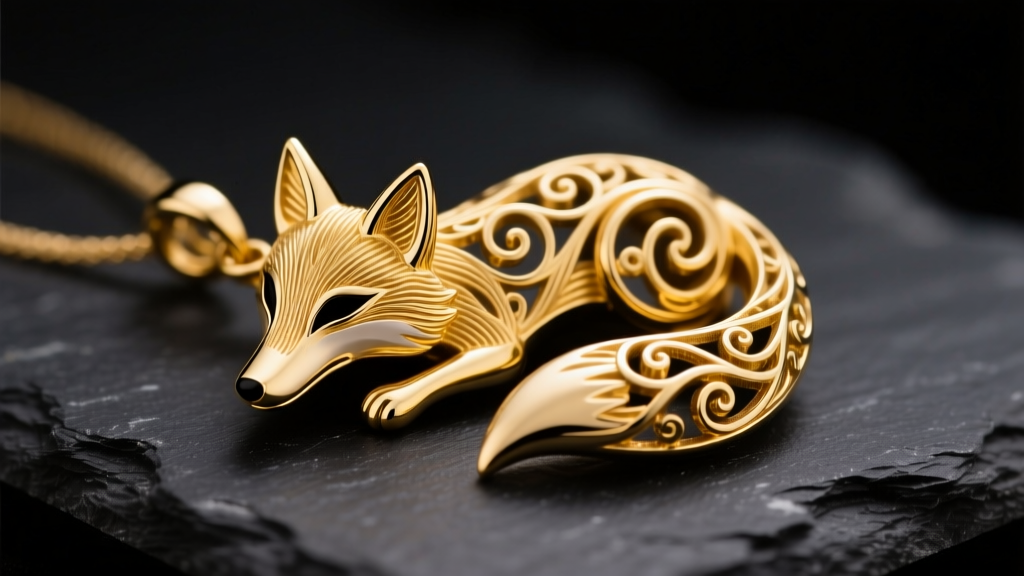
The fox has long been a symbol of cleverness, adaptability, and a deep connection to the natural world. In jewelry design, a gold fox necklace captures these traits through intricate silhouettes, featuring pointed ears, slender snouts, and sweeping, bushy tails. However, the aesthetic appeal of these animal pendants is only half the equation. The true longevity, skin compatibility, and structural integrity of a fox charm depend entirely on the metallurgical properties of the gold used to craft it.
Unlike simple geometric pendants, a fox motif presents unique structural challenges. The ears and the tip of the tail are thin, protruding elements that are highly susceptible to bending, snapping, or catching on clothing. When evaluating a gold fox necklace, understanding the material composition is critical to ensuring the piece survives daily wear without losing its delicate details. This guide breaks down the specific properties of solid gold, gold vermeil, gold-filled, and flash-plated alternatives to help you make an informed investment.
Solid Gold: Karats, Hardness, and Casting Details
For heirloom-quality animal jewelry, solid gold remains the undisputed standard. According to the Gemological Institute of America (GIA), pure 24-karat gold is too soft for intricate jewelry, possessing a Vickers hardness of roughly 25 HV. To create a durable fox pendant, gold must be alloyed with metals like copper, silver, and zinc. The karat system dictates the ratio of pure gold to these strengthening alloys.
14k Solid Gold: The Structural Sweet Spot
Comprising 58.5% pure gold, 14k gold is the most popular choice for detailed fox pendants. The higher alloy content increases the Vickers hardness to approximately 120-140 HV. This rigidity is essential for maintaining the sharp points of the fox's ears and the delicate curve of the tail. Furthermore, 14k yellow gold, alloyed with a balanced mix of copper and silver, flows exceptionally well during the lost-wax casting process, allowing jewelers to capture micro-textures like individual fur strands or whiskers without porosity issues.
18k Solid Gold: Rich Color but Softer Edges
With 75% pure gold, 18k gold offers a deeper, richer yellow hue that mimics the natural warmth of a red fox's coat. However, its Vickers hardness drops to around 90-110 HV. While it is excellent for smooth, polished fox silhouettes, it is more prone to micro-scratches and edge wear on high-friction areas, such as the snout or the bail loop. An 18k gold fox necklace is best suited for occasional wear or designs that avoid extremely thin, protruding extremities.
The Mid-Tier Contenders: Vermeil and Gold-Filled
For buyers seeking the look of solid gold without the premium price tag, vermeil and gold-filled options offer viable alternatives, provided they meet strict regulatory standards. The Federal Trade Commission (FTC) Jewelry Guides clearly define what qualifies as vermeil or gold-filled, protecting consumers from deceptive marketing.
Gold Vermeil: The Sterling Standard
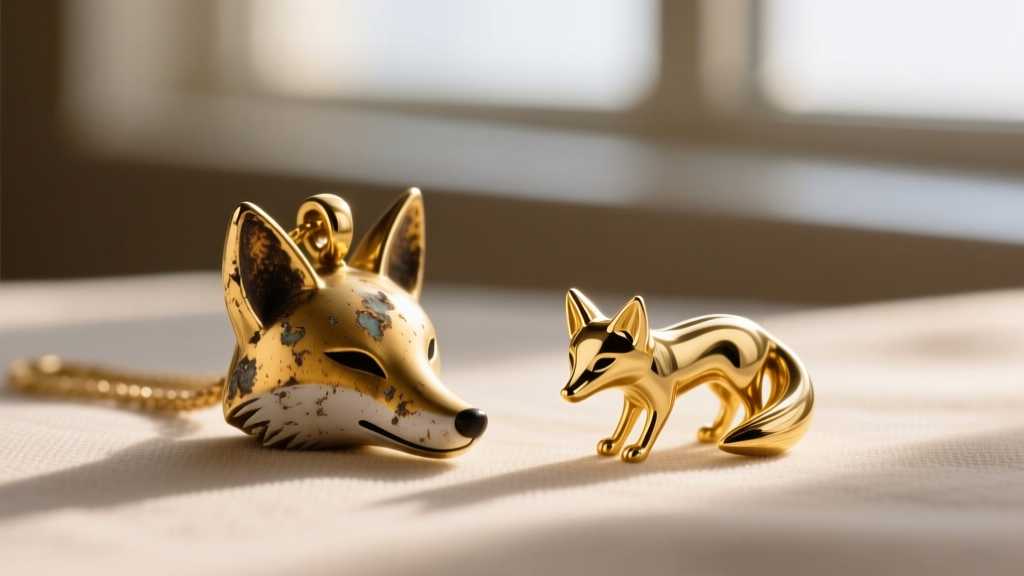
Gold vermeil (pronounced ver-may) requires a base of solid sterling silver (92.5% silver) that has been electrolytically plated with gold. To be legally classified as vermeil in the United States, the gold layer must be at least 10k purity and a minimum of 2.5 microns thick. A gold vermeil fox necklace is an excellent choice for those with sensitive skin, as the sterling silver core is generally hypoallergenic. However, because the fox's tail and ears experience more friction against the skin and clothing, the 2.5-micron gold layer will eventually wear away in those high-contact zones, revealing the silver beneath.
Gold-Filled: Mechanical Bonding
Gold-filled jewelry is created by mechanically bonding a thick sheet of solid gold (usually 12k or 14k) to a brass core using heat and pressure. By law, the gold layer must constitute at least 1/20th (5%) of the total weight of the item. Gold-filled sheets are typically rolled and stamped, meaning they are better suited for flat, 2D fox silhouettes rather than deeply sculpted, 3D cast figures. A gold-filled fox charm will outlast vermeil by years, but the brass core can cause green skin discoloration if the gold layer is ever compromised by a deep scratch.
Material Comparison Matrix
When shopping for a gold fox necklace, use this matrix to compare the expected lifespan, material properties, and approximate pricing for a standard 3-gram to 5-gram pendant.
| Material Type | Base Metal | Gold Layer / Purity | Durability & Failure Modes | Estimated Price (3-5g) |
|---|---|---|---|---|
| 14k Solid Gold | N/A (Homogeneous) | 58.5% Pure Gold | High. Resists snapping; can be polished indefinitely. | $250 - $450 |
| 18k Solid Gold | N/A (Homogeneous) | 75.0% Pure Gold | Medium-High. Prone to surface scratching on ears/snout. | $350 - $600 |
| Gold Vermeil | Sterling Silver | ≥ 2.5 microns (10k+) | Medium. Gold wears off on high-friction edges over 1-3 years. | $70 - $140 |
| Gold-Filled | Jeweler's Brass | 1/20th weight (12k/14k) | High for flat stamps. Cannot be cast into deep 3D shapes. | $45 - $90 |
| Flash Plated | Brass / Copper | < 0.5 microns | Low. Tarnishes quickly; brass causes skin discoloration. | $15 - $35 |
Enamel, Gemstones, and Fox Eyes
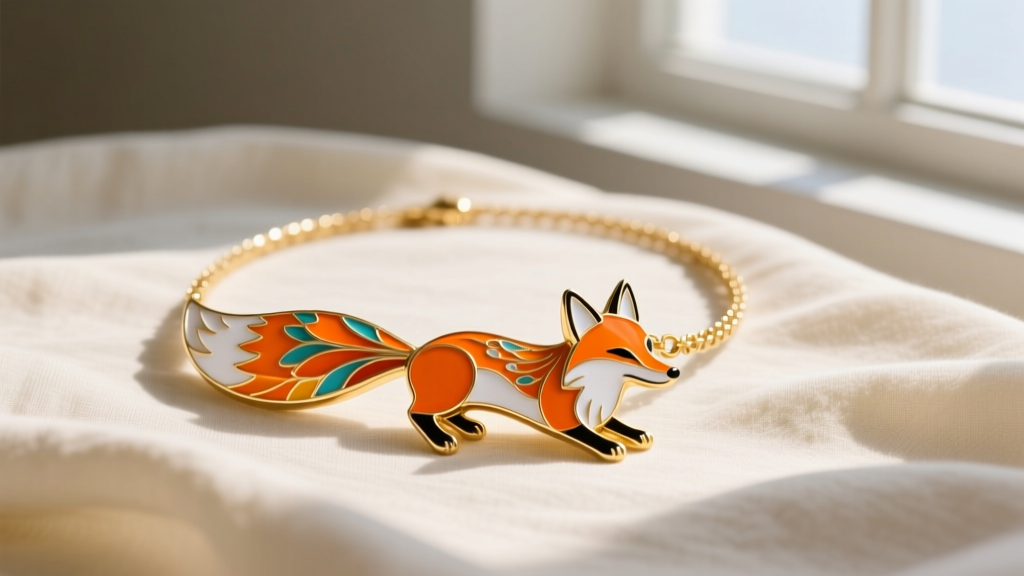
Many premium gold fox necklaces incorporate vitreous enamel or gemstones to bring the animal to life. The choice of base metal directly impacts the success of these embellishments. Champlevé or cloisonné enamel requires firing glass powder at temperatures exceeding 1,400°F (760°C). Solid gold and sterling silver (the core of vermeil) have melting points high enough to withstand this kiln process. Brass, however, has a lower melting point and can warp or release zinc fumes during enameling, making it unsuitable for high-end enameled fox tails.
When it comes to gemstone accents, the fox's eyes are frequently set with faceted black spinel, tsavorite garnet, or diamonds. In solid gold pendants, these stones are secured using prong or bezel settings that are integrated into the cast. In plated or vermeil pieces, stones are often glued into pre-cast cavities. Over time, the adhesive can degrade due to body heat and moisture, leading to lost 'eyes.' Always inspect the setting mechanism; mechanical bezels in solid gold are vastly superior to adhesive settings in plated metals.
Chain Pairings and Bail Friction
The pendant is only one half of the necklace. The chain you pair with your gold fox pendant must match the metal's durability and the pendant's weight. A solid 14k gold fox pendant weighing 4 grams requires a chain that can support the load without stretching. Avoid thin, hollow chains or delicate 0.8mm thread chains.
Instead, opt for a 1.2mm to 1.5mm solid cable, rolo, or figaro chain. The rolo chain, with its uniform, interlocking round links, provides excellent tensile strength and resists kinking. Additionally, pay attention to the bail—the loop at the top of the fox's head or back that threads the chain. If you are buying a vermeil pendant, ensure the inside of the bail is lined with a durable material or reinforced, as the constant sawing motion of the chain will wear through a 2.5-micron gold layer in a matter of months.
Final Thoughts on Material Selection
Choosing the right gold fox necklace requires balancing your budget with your expectations for longevity. If you desire a deeply sculpted, 3D fox with intricate fur textures and protruding ears, 14k solid gold is the only material that guarantees structural integrity and lifelong wearability. For flat, stamped silhouettes or budget-conscious gifting, gold-filled and high-quality vermeil offer beautiful aesthetics, provided you understand their eventual wear patterns and care requirements. By prioritizing metallurgical properties over mere appearance, you ensure your fox pendant remains a clever, enduring companion for years to come.


