Choosing the Perfect Gold Love Necklace: A Metal Guide
Discover how to choose the perfect gold love necklace by comparing karats, alloys, and chain durability for lifelong daily wear.

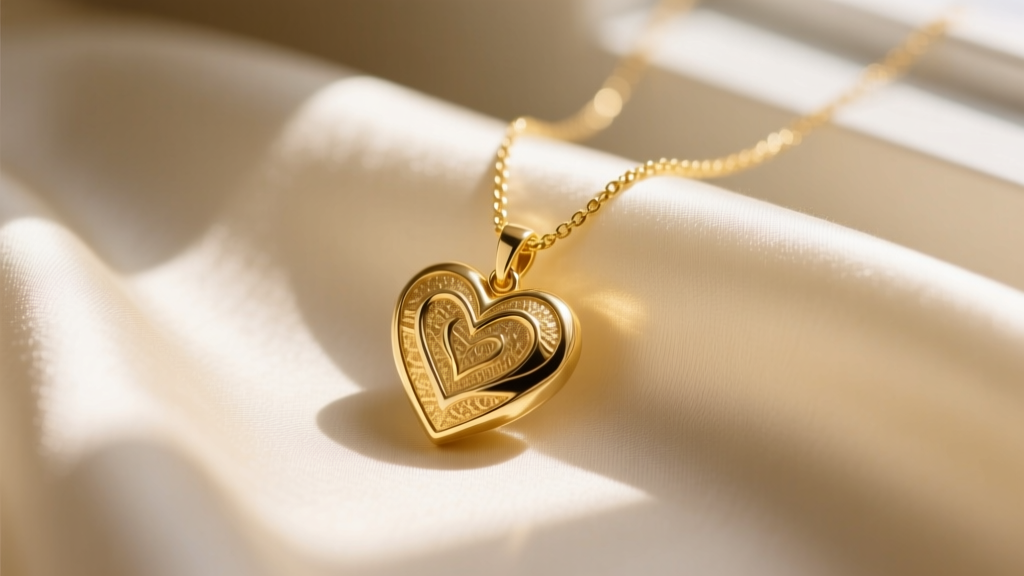
The Anatomy of a Gold Love Necklace
A gold love necklace is more than just an accessory; it is a sentimental anchor, often worn daily as a reminder of a profound bond. Because these pieces are subjected to the rigors of everyday life—friction against clothing, exposure to cosmetics, and the natural oils of the skin—the material composition is the single most critical factor in its longevity. In 2026, the market is saturated with terms like 'gold vermeil,' 'gold-filled,' and '18k solid,' making it imperative for buyers to understand the metallurgy behind the romance. Choosing the wrong alloy or plating thickness can result in a tarnished, broken, or skin-irritating piece within months.
Solid Gold vs. Plated Alternatives
Before examining karats, we must distinguish between solid gold and plated alternatives. The Federal Trade Commission Jewelry Guides strictly regulate how these terms are used in the United States.
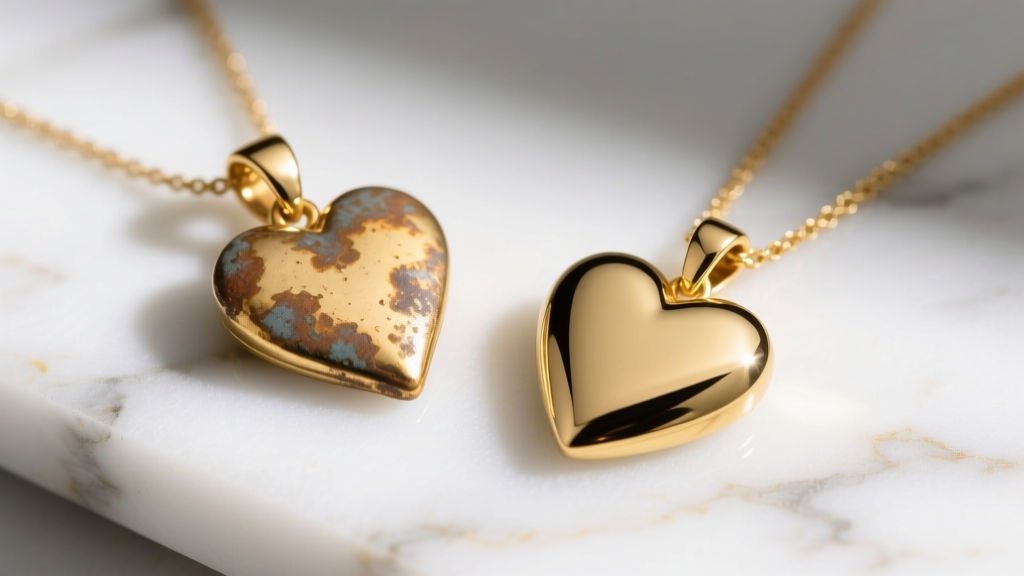
- Gold Plated: A microscopic layer of gold (often less than 0.175 microns) electroplated over a base metal like brass. A gold plated love necklace will typically wear through to the base metal within 6 to 12 months of daily wear.
- Gold Vermeil: A step up in quality, vermeil requires a base of sterling silver (.925) plated with at least 2.5 microns of gold. While beautiful, the gold layer will eventually wear off at high-friction points, such as the bail where the pendant rubs against the chain.
- Solid Gold: An alloy where gold is mixed with other metals throughout the entire piece. It will never flake, peel, or expose a different metal underneath, making it the only viable choice for a generational love necklace.
Karat Breakdown: Purity vs. Durability
The karat (k) system measures the proportion of pure gold in an alloy, with 24k being 100% pure. However, pure gold is incredibly soft. According to the Gemological Institute of America (GIA), alloying gold is necessary to increase its hardness and alter its color. Here is how different karats perform in a daily-wear pendant.
10K and 14K Gold: The Durability Champions
14K gold (58.3% pure gold) is the undisputed workhorse of the American jewelry market. With a Vickers Hardness (HV) rating of approximately 140-160, a 14k gold love necklace can withstand the pulling, tugging, and accidental snags of an active lifestyle. 10K gold (41.7% pure) is even harder but contains a higher percentage of alloy metals like copper, zinc, and sometimes nickel. This higher alloy content increases the risk of oxidation (tarnishing) and contact dermatitis for those with metal sensitivities.
18K Gold: The Luxury Standard
Comprising 75% pure gold, 18K gold offers a richer, warmer yellow hue and a higher intrinsic value. Its Vickers Hardness sits around 120-135 HV. While slightly softer than 14K, 18K is highly resistant to tarnish and is generally hypoallergenic. For a love necklace featuring a secure, bezel-set diamond or a solid, cast heart pendant, 18K provides the perfect balance of luxury and structural integrity.
22K and 24K Gold: Heirloom Purity (and Pitfalls)
22K (91.6%) and 24K (99.9%) gold are exceptionally soft. A 24K gold love necklace will easily dent, scratch, and deform if caught on a sweater. Furthermore, delicate chain links in 24K gold can stretch and snap under the weight of a pendant. These purities are best reserved for occasional-wear ceremonial jewelry rather than daily sentimental pieces.
Material Comparison Chart
The table below provides a quick-reference framework for evaluating gold materials based on physical properties and estimated market pricing.
| Karat | Gold Content | Vickers Hardness (HV) | Tarnish Risk | Best Use Case |
|---|---|---|---|---|
| 10K | 41.7% | ~170 | High | Budget-friendly, high-impact rings |
| 14K | 58.3% | ~150 | Low | Active daily wear, delicate chains |
| 18K | 75.0% | ~130 | Very Low | Luxury pendants, hypoallergenic needs |
| 22K | 91.6% | ~60 | None | Thick, rigid bangles, investment pieces |
| 24K | 99.9% | ~25 | None | Ceremonial wear, display items |
The Metallurgy of Color: Yellow, White, and Rose
The color of your gold love necklace is dictated by its alloy metals, which also dictate its maintenance requirements.
- Yellow Gold: Alloyed with silver and copper. It requires the least maintenance, as scratches blend into the natural color of the metal.
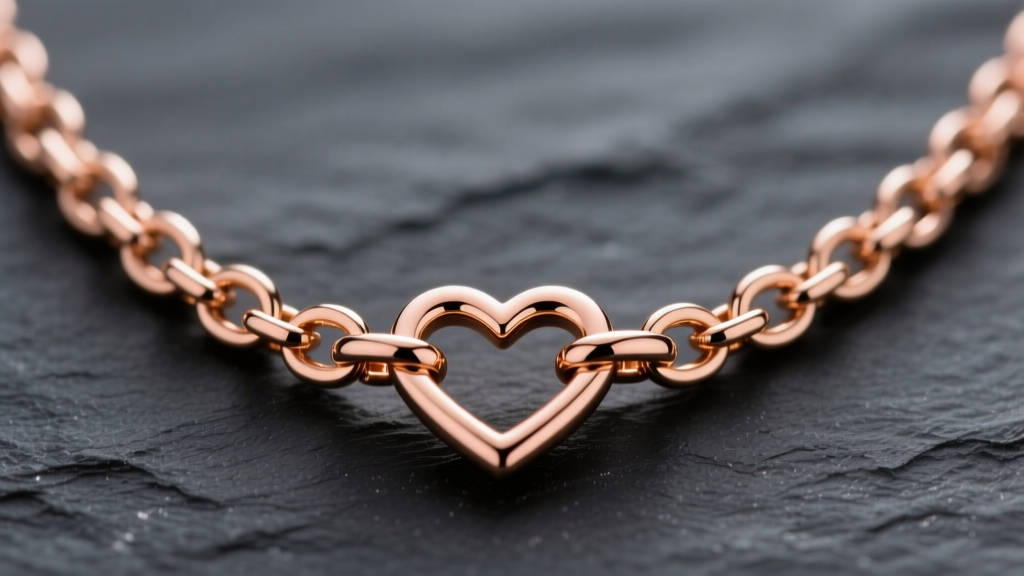
- Rose Gold: Alloyed with a high percentage of copper. The copper provides excellent durability but can cause greenish skin discoloration in individuals with highly acidic sweat.
- White Gold: Alloyed with nickel, palladium, or manganese, and plated with rhodium to achieve a bright white finish. A white gold love necklace will require rhodium re-plating every 1 to 2 years to prevent the underlying yellowish-grey alloy from showing through.
Chain Gauges and Clasp Mechanics
A pendant is only as secure as the chain holding it. When selecting a chain for a gold love necklace, gauge thickness and clasp type are frequent failure points.
Gauge Thickness: For a standard love pendant weighing between 3 to 8 grams, a chain gauge of 1.0mm to 1.5mm is ideal. Chains thinner than 0.9mm (like delicate cable chains) are prone to kinking and snapping if pulled. Box chains and rope chains offer superior tensile strength compared to standard cable or curb chains.
Clasp Types: Avoid spring-ring clasps for daily wear. The tiny internal spring mechanism is highly susceptible to corrosion from sweat and perfume, leading to sudden failure. Always opt for a solid lobster claw clasp or a secure magnetic safety clasp, ensuring the jump ring connecting the clasp to the chain is soldered shut.
Long-Term Care Framework
Even solid gold requires proper maintenance to retain its luster. The Jewelers of America recommends a simple, non-abrasive cleaning routine. Avoid harsh chemical dips or ultrasonic cleaners, especially if your love necklace features porous gemstones like pearls or opals.
- Soak the necklace in a bowl of warm water with a few drops of mild, phosphate-free dish soap for 15 minutes.
- Gently agitate the chain and pendant using a soft-bristled baby toothbrush to dislodge trapped lotions and dead skin cells from the crevices.
- Rinse thoroughly under lukewarm running water.
- Pat dry with a lint-free microfiber cloth before storing it in a soft pouch to prevent micro-scratches from other jewelry.
By understanding the material science behind the jewelry, you ensure that your gold love necklace remains a pristine, enduring symbol of affection for decades to come.


