Gold Necklace Black Designs: 2026 Trend Analysis
Explore the 2026 gold necklace black trend. Discover material guides, black rhodium vs. enamel, and styling tips for dark luxury jewelry.

The Rise of the Gold Necklace Black Aesthetic in 2026
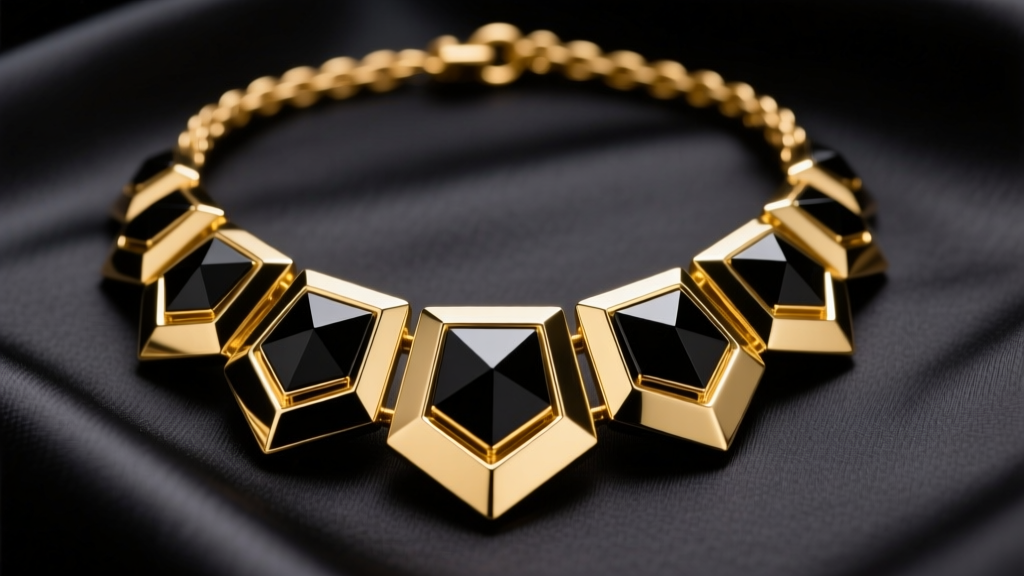
The jewelry landscape in 2026 has decisively pivoted toward what industry insiders are calling "dark luxury" or "shadow metallics." At the forefront of this movement is the highly searched gold necklace black aesthetic—a striking juxtaposition that pairs the traditional warmth and prestige of gold with moody, light-absorbing black elements. This is not merely a seasonal fad; it represents a fundamental shift in consumer preferences toward versatile, edgy, and gender-neutral jewelry that bridges the gap between brutalist art and classic elegance.
Historically, gold was kept in its purest, high-polish yellow form to signify wealth. Today, modern collectors and fashion houses are intentionally oxidizing, plating, and enameling gold to create depth and texture. According to trend forecasts by National Jeweler, the integration of blackened metals in fine jewelry has grown by over 34% in retail demand since 2024, signaling that the gold and black combination is now a permanent staple in contemporary fine jewelry boxes.
Material Breakdown: How Black Meets Gold
To truly understand the value and longevity of a black and gold necklace, one must look beneath the surface. The black elements are achieved through three primary metallurgical and decorative techniques, each with distinct wear profiles and price points.
Black Rhodium Plating vs. Blackened Gold Alloys
The most common method for achieving a black gold necklace is electroplating 14k or 18k gold with black rhodium. Rhodium is a platinum-group metal known for its exceptional hardness and reflectivity. When alloyed with dark metals like ruthenium or indium, it creates a deep, gunmetal-to-onyx finish. A standard luxury plating thickness ranges from 0.1 to 0.2 microns. While visually stunning, black rhodium is a surface treatment. It possesses a Vickers hardness of roughly 800-1000 HV, making it highly scratch-resistant, but it will eventually wear away on high-friction areas like the back of a pendant or the clasp, revealing the bright yellow or white gold beneath.
Conversely, true "blackened gold alloys" are exceptionally rare and usually reserved for haute joaillerie. This involves mixing pure 24k gold with base metals like cobalt or chromium in a controlled vacuum to alter the light refraction of the metal itself. These pieces command a massive premium, often starting at $8,000 for a simple pendant, due to the complex metallurgy required to prevent the alloy from becoming too brittle for chain links.
Black Enamel and Guilloché Techniques
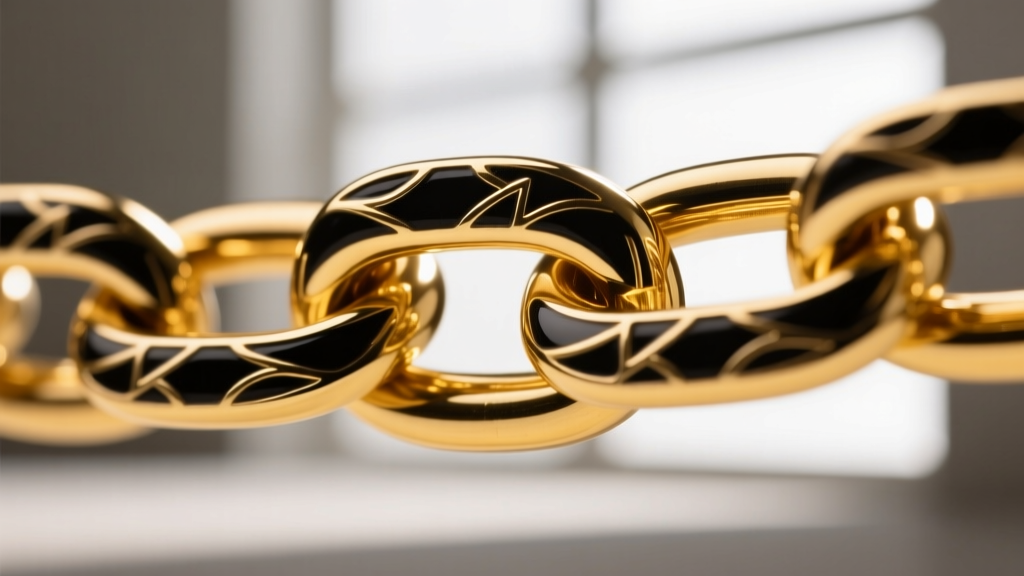
For those seeking permanence without the brittleness of black alloys, vitreous black enamel is the superior choice. Fired at temperatures exceeding 1,400°F, powdered glass fuses directly into carved channels within the gold (a technique known as champlevé). When paired with guilloché—a precise, intricate pattern engine-turned into the gold beneath the translucent black enamel—the resulting necklace captures and fractures light in a way that flat black rhodium simply cannot replicate.
Gemstone Pairings: Beyond Basic Onyx
While black onyx has been the default pairing for gold jewelry for decades, the 2026 gold necklace black trend heavily favors stones with higher refractive indices and superior durability. The Gemological Institute of America (GIA) notes a significant uptick in consumer education regarding treated versus natural black gemstones, pushing jewelers toward more transparent sourcing.
| Gemstone | Mohs Hardness | Origin / Treatment | Avg. Price (Per Carat) |
|---|---|---|---|
| Black Spinel | 8.0 | Natural, untreated | $20 - $50 |
| Black Diamond | 10.0 | Natural or irradiated | $1,500 - $3,000+ |
| Black Onyx | 7.0 | Dyed chalcedony | $2 - $10 |
| Black Tourmaline | 7.0 - 7.5 | Natural, heavily included | $10 - $30 |
For everyday wear, black spinel is the undisputed champion of the 2026 season. It offers the deep, opaque black of onyx but with a significantly higher scratch resistance, making it ideal for bezel-set pendants that rest against the sternum and are prone to impact.
Styling the Gold and Black Necklace for 2026
The styling rules for dark luxury have evolved. The objective is no longer to match metals perfectly, but to create intentional, high-contrast friction. Here is how style consultants are recommending clients wear their gold and black pieces this year.
Neckline Matching & Layering
A blackened gold pendant on a 20-inch chain acts as a visual anchor. When layering, mix the dark, light-absorbing properties of the black gold with high-polish 14k white gold or platinum chains. A 14-inch black spinel choker paired with an 18-inch black rhodium-plated geometric pendant creates a staggered, architectural silhouette that draws the eye vertically.

"The gold necklace black aesthetic thrives on negative space. When wearing a heavily oxidized or black-enameled gold piece, strip away the earrings and bracelets. Let the necklace be the sole focal point against a monochromatic, high-texture fabric like ribbed silk or heavy-gauge cashmere." — Elara Vance, Senior Jewelry Stylist
Skin Tone Considerations
Unlike bright yellow gold, which can sometimes clash with cool or olive undertones, blackened gold and black enamel act as a neutral frame. The dark metal reflects less ambient light onto the skin, preventing the "washed out" effect that some high-karat golds cause on very fair complexions. It is an exceptionally universally flattering combination.
Investment & Care: Maintaining Darkened Metals
Owning a black gold necklace requires a departure from standard jewelry care routines. The very chemicals that keep traditional gold shining can destroy a blackened finish.
- Avoid Ultrasonic Cleaners: The high-frequency vibrations and heated chemical baths used in ultrasonic cleaners will strip black rhodium plating in a matter of minutes. Always clean blackened gold with a soft, damp microfiber cloth and mild, non-detergent soap.
- Chemical Exposure: Chlorine in swimming pools and sulfur in hot springs will cause rapid, uneven degradation of both black rhodium and black enamel. Remove your necklace before any aquatic activities.
- Re-plating Costs: If your black rhodium necklace begins to show yellow gold on the high-contact edges, it can be re-plated by a master jeweler. Expect to pay between $65 and $150 for a professional re-dip, a process that typically needs to be repeated every 2 to 4 years depending on wear frequency.
- Storage Protocols: Store blackened gold separately from bright diamonds or sapphires. While black rhodium is hard, a diamond (Mohs 10) will easily scratch the plated surface if the pieces are tangled together in a soft pouch.
Final Verdict on the Dark Gold Movement
The gold necklace black trend of 2026 is a masterclass in modern jewelry design, proving that luxury does not have to be loud or traditionally bright to be impactful. Whether you opt for the permanent, glass-like finish of black guilloché enamel or the moody, architectural vibe of a black rhodium-plated chain, these pieces offer a sophisticated rebellion against conventional fine jewelry. By understanding the material science and committing to the proper care protocols, your dark luxury necklace will remain a striking, conversation-starting staple for decades to come.


