Stella and Dot Green Necklace Value: Is It Worth the Price?
Is a Stella and Dot green necklace worth the retail price? We break down materials, resale value, and longevity to help you budget smartly.

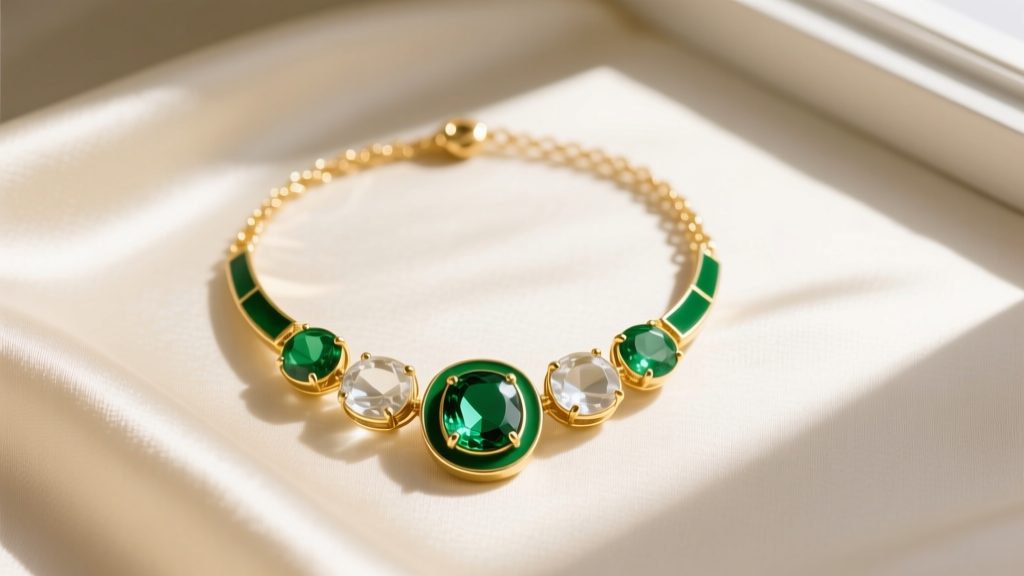
When evaluating the true cost-per-wear of fashion jewelry, few brands generate as much debate as direct-sales giants. If you have been searching for a stella and dot green necklace, you are likely drawn to the brand's signature statement pieces, which frequently feature vibrant jade, malachite-inspired resin, or rich green enamel set in gold-toned brass. But from a strict budget and value assessment perspective, how do these pieces hold up in the current 2026 market? Are you paying for lasting craftsmanship, or simply the overhead of a social-selling business model?
In this comprehensive guide, we break down the material reality, secondary market depreciation, and long-term durability of these popular necklaces. Whether you are eyeing a vintage piece on Poshmark or considering a purchase at a local trunk show, this assessment will help you decide where your jewelry budget is best spent.
The Material Reality: What Are You Actually Buying?
To accurately assess the value of any fashion necklace, we must first look past the marketing and examine the metallurgy and gemology. Stella & Dot is classified as premium fashion jewelry. The base metal for the vast majority of their gold-toned pieces is brass, which is then plated with a thin layer of 12k or 14k gold.
Unlike gold vermeil—which legally requires a sterling silver base and a gold plating thickness of at least 2.5 microns—standard fashion jewelry plating typically ranges from 0.5 to 1.0 microns. This means the gold layer is microscopic and will eventually wear away with friction and exposure to skin oils. According to the Federal Trade Commission Jewelry Guides, brands must accurately disclose plating and base metals, but the longevity of a 0.5-micron plate is inherently limited to a few years of regular wear.
When it comes to the "green" elements of a stella and dot green necklace, the brand historically utilizes a mix of materials:
- Dyed Jade or Serpentine: Many pieces marketed with a jade-like appearance are actually dyed serpentine or quartzite. The Gemological Institute of America (GIA) notes that dyeing is a common and accepted treatment for lower-grade jade, but it significantly lowers the intrinsic gemological value compared to untreated, natural Type A jade.
- Epoxy Resin and Enamel: For bolder, opaque green pendants, the brand frequently uses hand-poured epoxy resin or cold enamel over brass. While visually striking, these materials are essentially hardened plastics and colored glass powders, which carry virtually zero intrinsic resale value.
- Glass Stones: Faceted green gems in their lighter, more delicate chains are almost exclusively molded glass, designed to mimic peridot or emerald.
Retail vs. Resale: The Depreciation Curve
The most critical factor in a budget assessment is value retention. Because Stella & Dot operates on a direct-sales, commission-based model, retail prices must cover the margins for both the corporate office and the independent stylists. Consequently, the secondary market is heavily saturated with pre-owned pieces, leading to steep depreciation.
| Condition & Platform | Average Price Range (2026) | Value Retention vs. Retail | Buyer Risk Level |
|---|---|---|---|
| Brand New (Direct from Stylist) | $48.00 - $88.00 | 100% (Retail Baseline) | Low (Authenticity guaranteed) |
| Poshmark (Excellent Condition) | $18.00 - $28.00 | ~30% - 40% | Medium (Check photos for plating wear) |
| Mercari / eBay (Pre-owned) | $10.00 - $20.00 | ~15% - 25% | High (High risk of tarnish/clasp failure) |
| Estate / Thrift (Vintage S&D) | $5.00 - $12.00 | < 10% | High (Requires restoration/cleaning) |
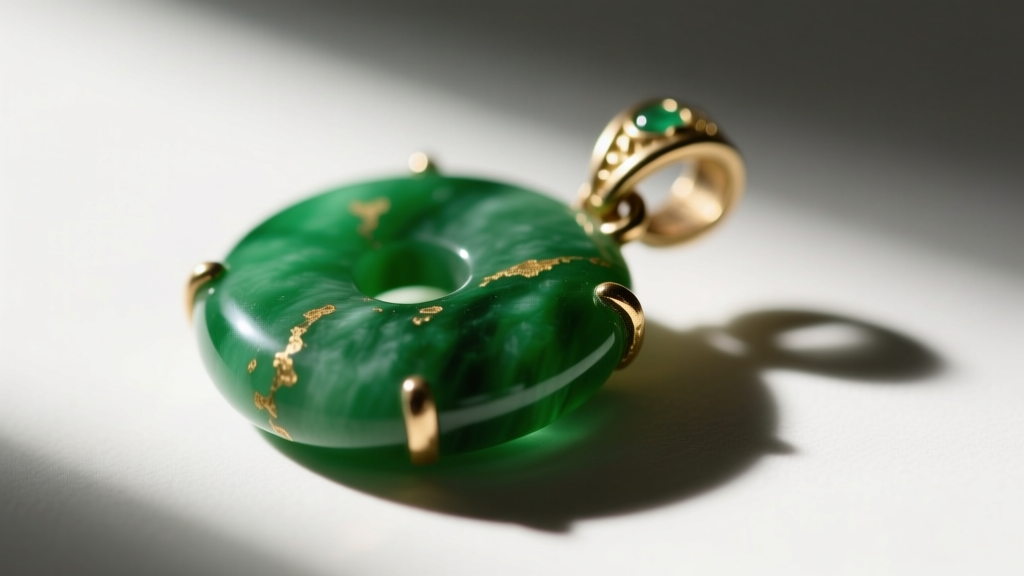
The Budget Takeaway: If you are buying a stella and dot green necklace purely for its aesthetic and plan to wear it for a season or two, purchasing on the secondary market is the undisputed smartest financial move. You are effectively letting the original buyer absorb the 70% depreciation hit. However, if you are looking for an heirloom piece or an asset that retains financial value, this brand does not fit the criteria.
Durability and Common Failure Modes
Fashion jewelry requires a realistic understanding of its lifespan. Based on long-term wear testing and secondary market condition reports, here are the most common failure modes associated with these specific necklaces:
1. Friction Wear on the Bale and Clasp
The bale (the loop connecting the pendant to the chain) and the lobster clasp are high-friction areas. On gold-plated brass pieces, the gold layer often rubs off within 12 to 18 months of daily wear, exposing the raw brass underneath. Once exposed, the brass will oxidize and turn your skin green due to a reaction with sweat and lotions.
2. Resin and Enamel Chipping
Green resin pendants are highly susceptible to impact damage. Dropping the necklace on a hard surface like marble or tile will frequently result in micro-chips along the edges of the bezel setting. Unlike solid gemstones, chipped resin cannot be polished or repaired; the piece is effectively ruined.
3. Chain Tangling and Kinking
Many of the brand's statement necklaces utilize delicate cable or box chains to offset the heavy pendants. This weight imbalance puts excessive strain on the thin chain links, leading to kinking and microscopic fractures near the jump rings.
Maintenance and Restoration Tactics
If you have acquired a pre-owned stella and dot green necklace and want to maximize its remaining lifespan, proper maintenance is non-negotiable. Never use ultrasonic cleaners or harsh chemical dips. The high-frequency vibrations will shatter cold enamel and separate glued-in glass stones, while chemical dips will strip the remaining 0.5-micron gold plating instantly.
Instead, use a dry, ultra-soft microfiber cloth to gently buff the metal after every wear to remove acidic skin oils. For the green glass or resin stones, a slightly damp cloth with a drop of mild dish soap is sufficient. Always store the necklace laid flat or hanging freely to prevent the brass chain from kinking.
Market Alternatives in the Same Price Bracket
If the material composition and steep depreciation of Stella & Dot give you pause, where else can you allocate a $50 to $80 jewelry budget in 2026? Here are three alternatives that offer different value propositions:
- Kendra Scott: Offers a similar price point and vibrant color palette (including their signature green drusy and glass stones). However, Kendra Scott utilizes a proprietary anti-tarnish coating on their brass that generally outlasts standard gold plating by 1 to 2 years.
- BaubleBar: Better suited for trend-driven, seasonal wear. Their green enamel and glass necklaces are priced slightly lower ($30-$50), making the eventual depreciation sting less. They are upfront about their pieces being "fun fashion jewelry" rather than long-term investments.
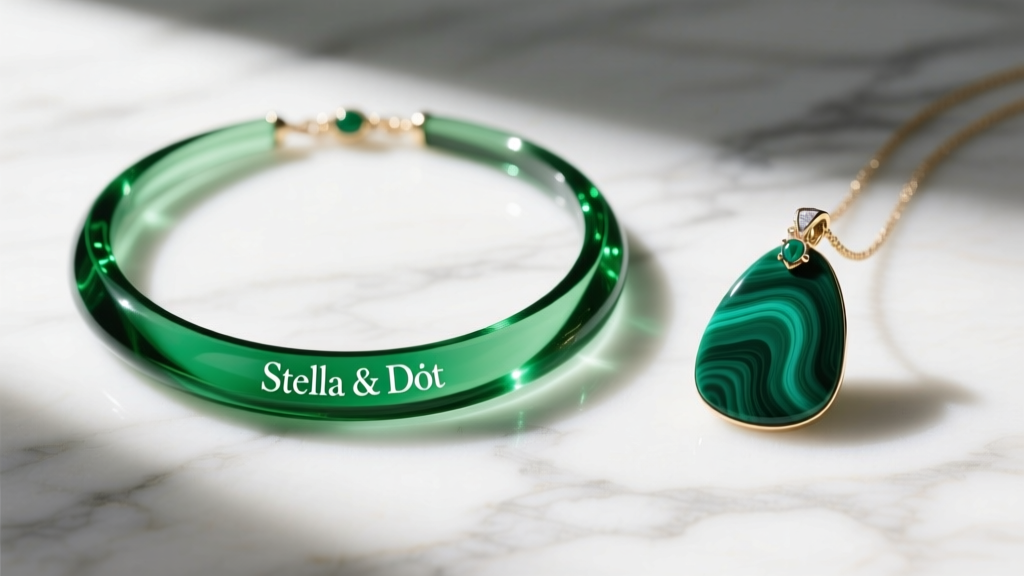
- Independent Artisans (Etsy): For $60-$90, you can bypass the direct-sales markup entirely and purchase a necklace featuring genuine, untreated malachite or chrysoprase set in solid sterling silver. While the design may lack the polished, mass-produced symmetry of a major brand, the intrinsic material value and longevity are vastly superior.
Final Verdict: How to Budget Smartly
Is a stella and dot green necklace worth the price? The answer depends entirely on your definition of value. If you value the social experience of trunk shows, the curated styling advice of an independent stylist, and the specific, recognizable aesthetic of the brand's designs, then the retail markup is simply the cost of that experience.
However, from a strict material and financial perspective, paying $68 for gold-plated brass and dyed serpentine is a poor allocation of a jewelry budget. The smartest, most financially savvy approach is to bypass retail entirely. Hunt for your desired green pendant on Poshmark, Mercari, or eBay, where you can acquire the exact same aesthetic for a fraction of the cost, allowing you to allocate the rest of your budget toward solid gold or sterling silver staples that will actually stand the test of time.


