Paperclip Link Necklace Trends: 2026 Styling & Layering
Discover why the paperclip link necklace dominates 2026 trends. Learn expert layering techniques, metal grades, and sizing for this versatile chain.

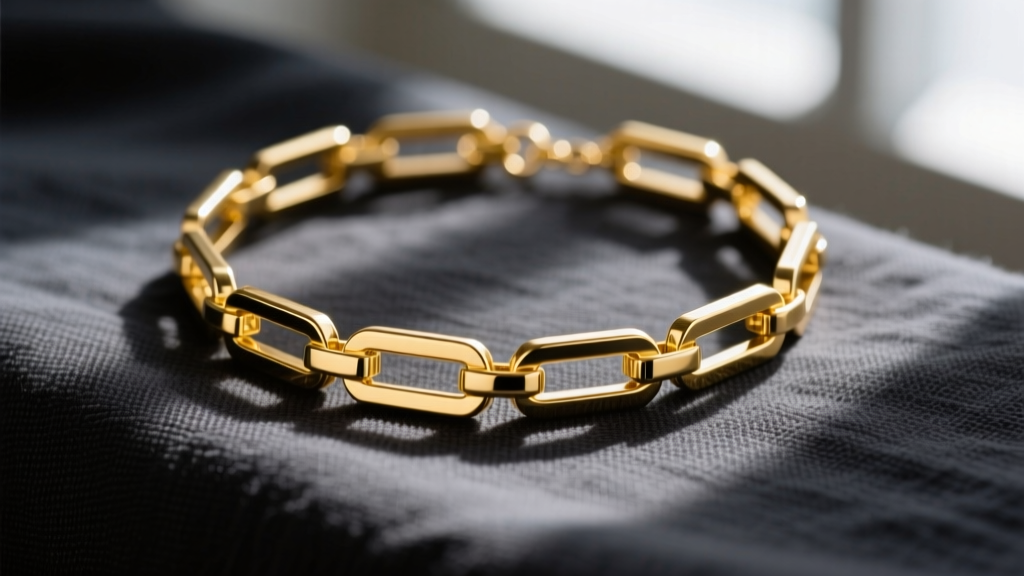
The Anatomy of a Paperclip Link Necklace
The paperclip link necklace has transcended its status as a fleeting social media trend to become a foundational pillar of modern jewelry wardrobes. As we navigate the style landscape of 2026, the elongated, rectangular links of the paperclip chain offer a masterclass in textured minimalism. Unlike traditional cable or curb chains, the paperclip silhouette introduces negative space and geometric rhythm, making it an unparalleled anchor for both standalone wear and complex layering stacks.
Link Dimensions and Gauge Specifications
At its core, the defining characteristic of a true paperclip chain is its link ratio. While standard oval links typically feature a 2:1 length-to-width ratio, authentic paperclip links stretch to a 3:1 or even 4:1 ratio. This elongation is what creates the signature staple aesthetic. When evaluating gauge and dimensions, precision matters heavily for both drape and durability.
- Delicate (1.5mm - 2.0mm width): Crafted from 20-gauge or 18-gauge wire. Best reserved for layering or holding lightweight solitaire pendants. Prone to kinking if slept in.
- Standard Everyday (3.0mm - 4.5mm width): The industry sweet spot, usually forged from 16-gauge to 14-gauge wire. Offers excellent structural integrity while maintaining a refined, gender-neutral profile.
- Statement (6.0mm+ width): Often utilizing hollow-core 12-gauge tubing to keep the piece lightweight. Ideal as a standalone focal piece over crewnecks or turtlenecks.
Why the Paperclip Chain Dominates 2026 Trends
The longevity of the paperclip chain in the mid-2020s is directly tied to the rise of modular jewelry. Consumers are no longer buying static pieces; they are investing in customizable foundations. The elongated links of a paperclip necklace easily accommodate charm clasps, sliding enhancers, and interchangeable pendant bails without the hardware catching on the links themselves—a common frustration with tighter weave chains like the Figaro or rope.
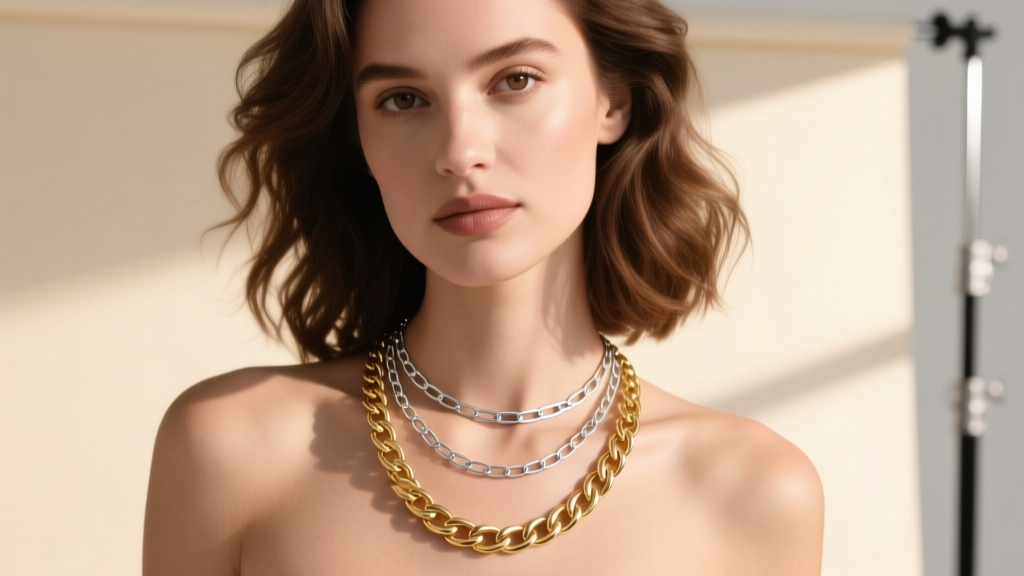
Furthermore, the mixed-metal movement of 2026 has heavily favored the paperclip silhouette. Because the links are distinctly separated, interleaving yellow gold and sterling silver paperclip chains creates a striking, high-contrast visual that doesn't look muddled. According to trend forecasts from the Jewelers Mutual jewelry blog, mixed-metal layering is a top consumer priority this year, and the paperclip chain's open architecture makes it the ideal vehicle for this aesthetic.
Material Grades: What to Buy and What to Avoid
When investing in a paperclip link necklace, understanding the metallurgy is non-negotiable. The open nature of the links means they experience friction at the connection points. Low-quality plating will rub off rapidly at these high-contact joints. According to the Gemological Institute of America (GIA), understanding the karatage and alloy composition is vital for chain durability, especially for links that bear the weight of charms.
| Material Grade | Base Metal | Plating Thickness | Price Range (18') | Expected Lifespan |
|---|---|---|---|---|
| Solid 14k Gold | None (Alloyed) | N/A | $450 - $850 | Lifetime |
| Gold Vermeil | Sterling Silver | 2.5+ microns | $120 - $280 | 3 - 7 Years |
| Gold Plated | Brass / Copper | < 0.5 microns | $35 - $90 | 6 - 12 Months |
| PVD Coated Steel | 316L Stainless | N/A (Ion bonded) | $80 - $150 | 10+ Years |
For everyday wear, solid 14k gold remains the benchmark. However, if you are operating on a tighter budget, PVD (Physical Vapor Deposition) coated 316L stainless steel has emerged in 2026 as a superior alternative to traditional gold-plated brass. PVD bonding creates a molecular link between the gold color and the steel, making it highly resistant to the friction wear that destroys standard plated paperclip chains.
The 2026 Layering Framework: Proportions and Clasps
Styling a paperclip chain requires an understanding of visual weight. Because the links are elongated, they naturally draw the eye horizontally and vertically. To prevent a cluttered neckline, we utilize the Rule of Thirds for necklace stacking.
The Three-Tier Stack Formula
- The Anchor (14 - 15 inches): A tight, woven chain (like a 2mm box chain or a herringbone) that sits flush against the collarbone. This provides a solid visual base.
- The Focal Paperclip (18 - 20 inches): Your primary 3.0mm or 4.0mm paperclip link necklace. This sits in the mid-chest area, allowing the negative space of the links to breathe and catch the light.
- The Pendant Drop (22 - 24 inches): A heavier, longer chain featuring a substantial pendant or locket that anchors the entire stack toward the sternum.
Pro Tip: Never use spring-ring clasps on paperclip chains heavier than 3.0mm. The elongated links can easily slip into the tiny gap of a spring-ring mechanism, causing the necklace to unfasten and drop. Always upgrade to a lobster clasp or a magnetic neodymium clasp for security.
Troubleshooting Common Paperclip Chain Issues
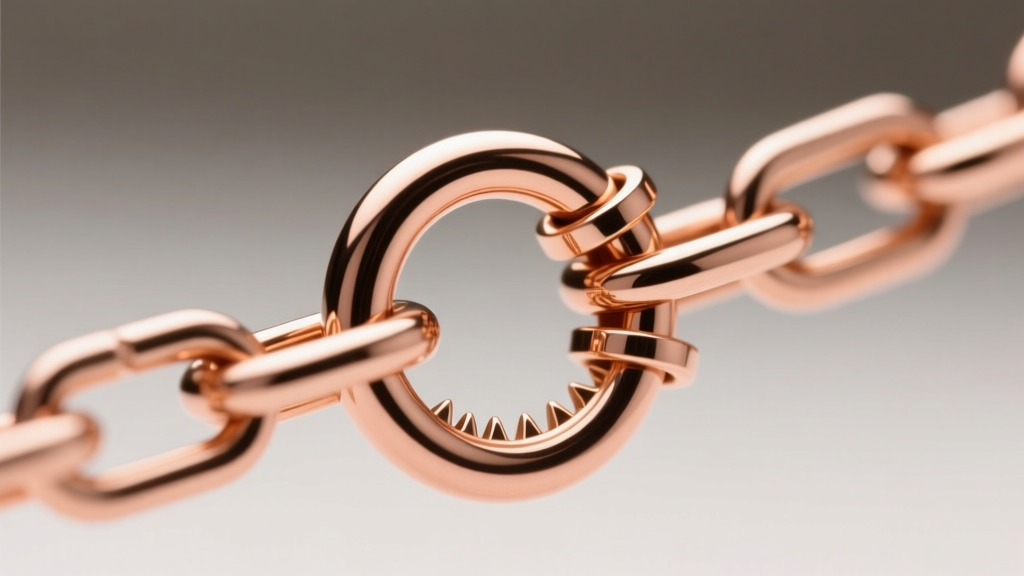
Despite their popularity, paperclip necklaces present specific engineering challenges. The most frequent consumer complaint is hair pulling. This occurs when the vertical links are not perfectly flush, or when the jump rings connecting the links are left unsoldered. Always inspect the connection points under a loupe or macro lens before purchasing. If you see a visible slit in the jump ring, the chain will inevitably snag on fine hair or delicate knitwear.
Another issue is link stretching. Hollow-core paperclip chains—which are popular for making large, 8mm+ statement pieces affordable—are highly susceptible to denting and stretching if pulled. Once a hollow rectangular link stretches, it compromises the structural integrity of the entire chain, leading to catastrophic failure at the clasp. For any chain exceeding 5mm in width, insist on semi-solid or solid-core construction, even if it means opting for a lower karat gold or sterling silver to manage the cost.
Final Verdict: Investment vs. Fast Fashion
The paperclip link necklace is not a passing fad; it is a permanent addition to the classic chain canon, sitting right alongside the cable and the curb. When shopping in 2026, prioritize the structural integrity of the links and the quality of the clasp over sheer size. A well-crafted, 16-gauge solid 14k gold paperclip chain with soldered jump rings and a secure lobster clasp will serve as the backbone of your jewelry collection for decades, effortlessly adapting to shifting trends through the simple addition of modular charms and strategic layering.


