Gold Necklace Simple Fixes: Troubleshooting Tangles and Chain Breaks
Troubleshoot common issues with your everyday chains. Learn expert fixes for tangles, breaks, and tarnish on a gold necklace simple design.

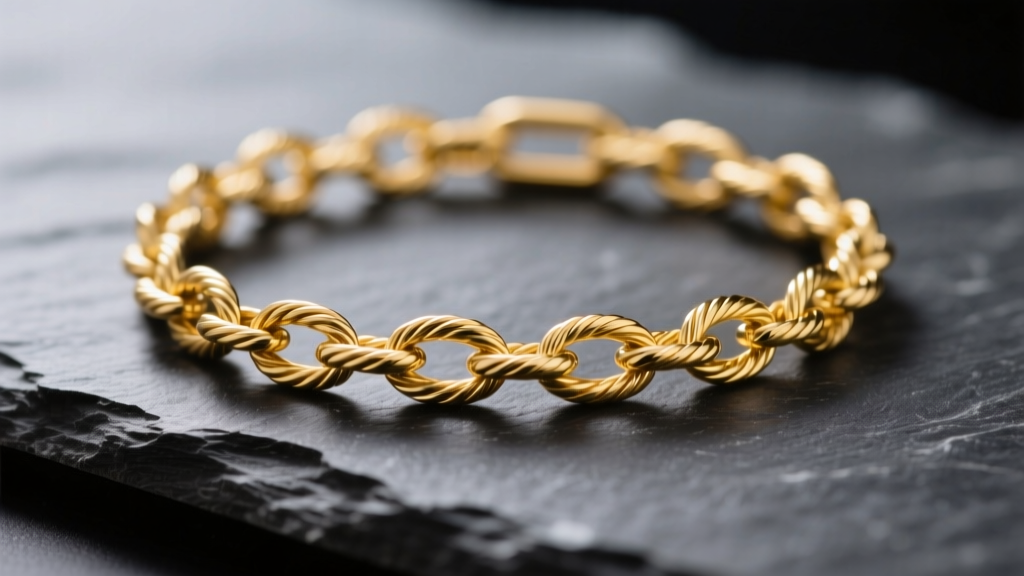
When selecting a gold necklace simple enough for 24/7 wear, most buyers focus on aesthetics, assuming that a minimalist design equates to a maintenance-free experience. However, the very simplicity of a delicate cable, box, or rope chain often masks underlying structural vulnerabilities. A chain that lacks complex, interlocking geometric weaves is highly susceptible to friction-based tangling, clasp fatigue, and alloy-specific tarnishing. Whether you are dealing with a stubborn knot in a 0.9mm 18k chain or diagnosing a recurring snap at the jump ring, troubleshooting these issues requires an understanding of jewelry metallurgy and mechanical stress points.
The Metallurgy of Minimalist Chains
To troubleshoot a failing chain, you must first understand its material composition. Pure 24k gold is far too soft for daily wear, which is why it is alloyed with metals like copper, silver, zinc, and nickel. According to the Gemological Institute of America (GIA), the karat weight directly dictates the chain’s tensile strength and Vickers hardness (HV).
- 18k Gold (75% pure): With a Vickers hardness of roughly 90-110 HV, 18k gold is highly malleable. While it offers a rich, warm color and excellent hypoallergenic properties, an 18k simple chain is prone to stretching and micro-deformations if subjected to sudden tensile loads (like a child pulling it or it catching on a heavy sweater).
- 14k Gold (58.5% pure): Boasting a hardness of 130-150 HV, 14k gold is the industry standard for durable, everyday chains. The higher copper and zinc content increases structural rigidity, making it highly resistant to stretching. However, this same copper content makes 14k gold more susceptible to surface oxidation and tarnish when exposed to environmental sulfur.
- 10k Gold (41.7% pure): The hardest and most durable of the standard alloys (160+ HV), but it lacks the depth of color and is highly prone to dullness and skin discoloration due to the high base-metal ratio.
If your simple gold chain is stretching out of shape, you likely own an 18k piece that is too delicate for your lifestyle. If it is snapping or kinking, the issue is usually mechanical rather than metallurgical.
Troubleshooting Tangles: The Friction Factor
Simple chains, particularly box and cable links, are notorious for tangling. This is not a defect; it is a matter of physics. The human neck generates heat and microscopic moisture, while body hair and clothing fibers create a high-friction environment. When a 0.8mm to 1.2mm chain shifts against the skin, individual links can act as microscopic hooks, catching on stray hairs or fabric loops and pulling adjacent links into a dense, friction-locked knot.
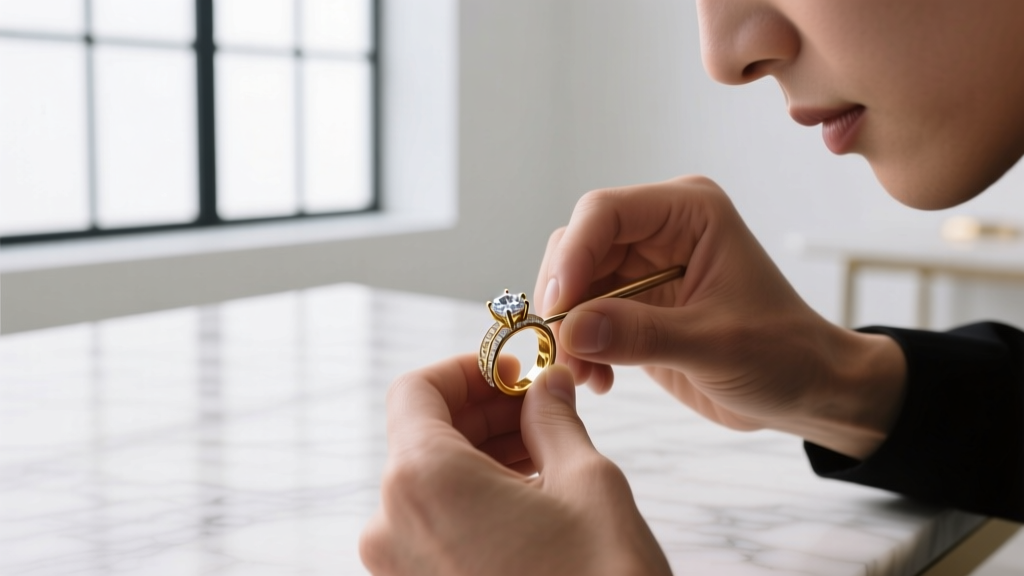
The Baby Powder and Needle Technique
When a simple gold chain knots, the natural instinct is to pull the ends. This increases the tension on the inner links, reducing the physical space between them and locking the knot tighter. To solve this, you must eliminate the friction coefficient.
- Isolate the Knot: Lay the necklace flat on a hard, non-porous surface like a glass or ceramic tray. Do not attempt to untangle it while it is draped over your fingers.
- Apply a Dry Lubricant: Dust the knot generously with talc-free baby powder or cornstarch. Avoid liquid oils (like baby oil or olive oil), as they will attract dust and create a sludge that is difficult to clean out of the microscopic link gaps.
- Use Precision Tools: Take two fine sewing needles or beading awls. Insert the tips into the center of the knot and gently wiggle them in opposite directions to create slack. Work from the outside of the knot inward, never pulling the chain ends.
- Post-Knot Cleaning: Once untangled, wash the chain in a bowl of warm water with three drops of mild, phosphate-free dish soap to remove the powder residue, then pat dry with a microfiber cloth.
Diagnosing Breaks: Clasps, Jump Rings, and Gauges
Statistically, over 80% of chain breakages do not occur in the middle of the chain; they happen at the connection points. If your gold necklace simple design keeps snapping, the culprit is almost certainly an unsoldered jump ring or a fatigued clasp spring.
The Jump Ring Vulnerability
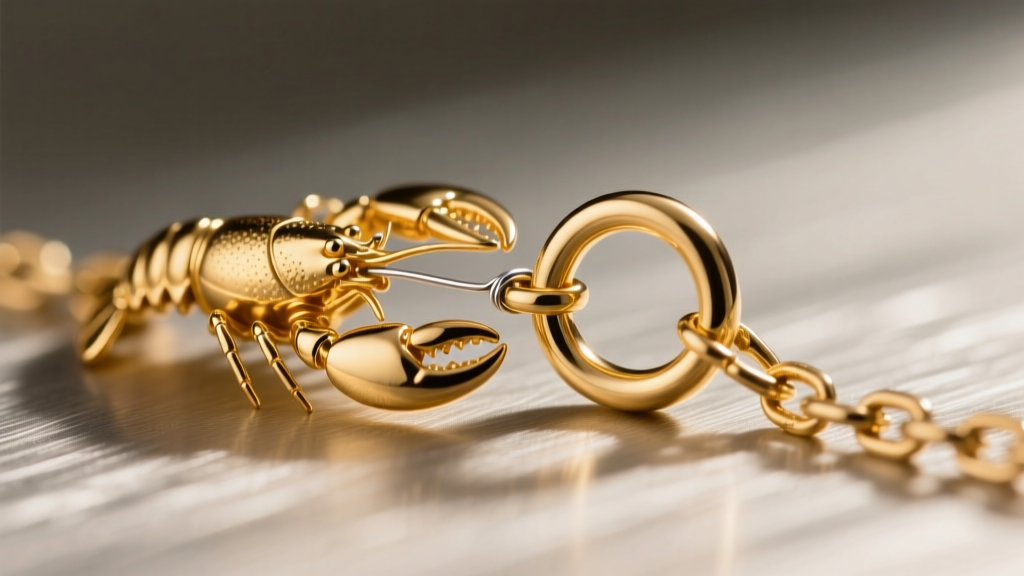
A jump ring is the small circular link that connects the chain to the clasp. In mass-produced jewelry, these are often “unsoldered,” meaning there is a microscopic slit where the two ends of the wire meet. When the chain is pulled at an angle, this slit can catch on clothing or hair and pry open, causing the clasp to detach or the end link to slip through. The Fix: Take the necklace to a local jeweler and ask them to “solder the jump rings.” Using a laser welder or micro-torch, they will fuse the gap shut with a matching gold alloy. This $15-$30 service increases the tensile strength of the connection point by over 400%.
Clasp Fatigue and Upgrades
Spring ring clasps (the small circular ones with a tiny lever) contain a microscopic steel spring. Over time, sweat and cosmetics degrade this spring, causing the clasp to fail to close completely. Lobster clasps are more secure but can also suffer from lever fatigue. If you frequently lose your necklace, upgrade to a magnetic neodymium clasp or a box lock clasp with a figure-eight safety latch, which rely on mechanical locking rather than spring tension.
Chain Link Vulnerability Matrix
Not all simple chains are built equally. The shape of the link dictates its structural integrity and repairability.
| Chain Style | Tangle Risk | Snag / Break Risk | Repair Difficulty |
|---|---|---|---|
| Cable (Oval Links) | High | Low (if soldered) | Easy (standard soldering) |
| Box (Square Links) | Medium | Medium (corners snag) | Difficult (requires laser welding) |
| Rope (Twisted Links) | Low | High (catches on fabric) | Very Difficult (complex weave) |
| Snake (Smooth Tube) | Very Low | High (kinks permanently) | Nearly Impossible (must be replaced) |
Surface Degradation: Tarnish and Micro-Scratches
While pure gold is inert, the alloys used in 10k and 14k gold necklaces are highly reactive. If your simple gold chain is developing a dull, bronze-like patina or leaving a dark smudge on your collarbone, you are experiencing copper oxidation. This is accelerated by exposure to sulfur compounds (found in hard water, certain lotions, and even the air in highly polluted cities), chlorine (from swimming pools), and acidic sweat.
According to Jewelers of America, chemical exposure is the leading cause of premature surface degradation in karat gold. To troubleshoot tarnish without stripping the gold’s natural luster, avoid harsh commercial silver dips, which contain thiourea and can cause micro-pitting in gold alloys. Instead, use a dedicated gold polishing cloth impregnated with jeweler’s rouge (iron oxide). For deep tarnish, an ultrasonic cleaner with a mild ammoniated solution will safely vibrate the oxidized particles out of the link crevices, provided the chain does not contain any porous gemstones like pearls or opals.
The Preventative Maintenance Framework
To ensure your minimalist chain survives years of daily wear, implement this structured maintenance routine:
- The “Last On, First Off” Rule: Always put your gold necklace on after applying perfumes, hairsprays, and lotions, and take it off before showering or applying skincare at night. The alcohol and emulsifiers in cosmetics break down the protective oils on the gold and accelerate alloy oxidation.
- Weekly Friction Checks: Once a week, run the chain through a soft microfiber cloth. If you feel any resistance, snags, or “clicks,” inspect that specific link under a magnifying glass. A bent link is a structural weak point that will eventually snap.
- Proper Storage Geometry: Never throw a simple chain into a jewelry box drawer. The lateral movement will guarantee a tangle. Store the necklace flat in a sealed polyethylene bag with the clasp left unfastened and hanging outside the ziplock seal. This prevents the clasp from catching on the links during storage while keeping the chain isolated from ambient sulfur.
- Annual Professional Inspection: Have a jeweler check the clasp tension and the integrity of the jump rings once a year. The Federal Trade Commission Jewelry Guides emphasize that proper disclosure of metal content and structural integrity is vital, but ongoing physical maintenance is the consumer’s responsibility to prevent catastrophic loss.
By understanding the mechanical and chemical realities of your jewelry, you can transform a fragile accessory into a resilient, lifelong staple. A gold necklace simple in design requires a sophisticated approach to care, but with the right troubleshooting techniques, it will remain a flawless focal point for decades.


