Gold Nugget Necklace Mens: Expert Cleaning & Care Guide
Learn how to clean, maintain, and protect your gold nugget necklace mens. Expert tips on ultrasonic safety, karat tarnish, and deep cleaning crevices.

The Unique Anatomy of Men's Nugget Chains
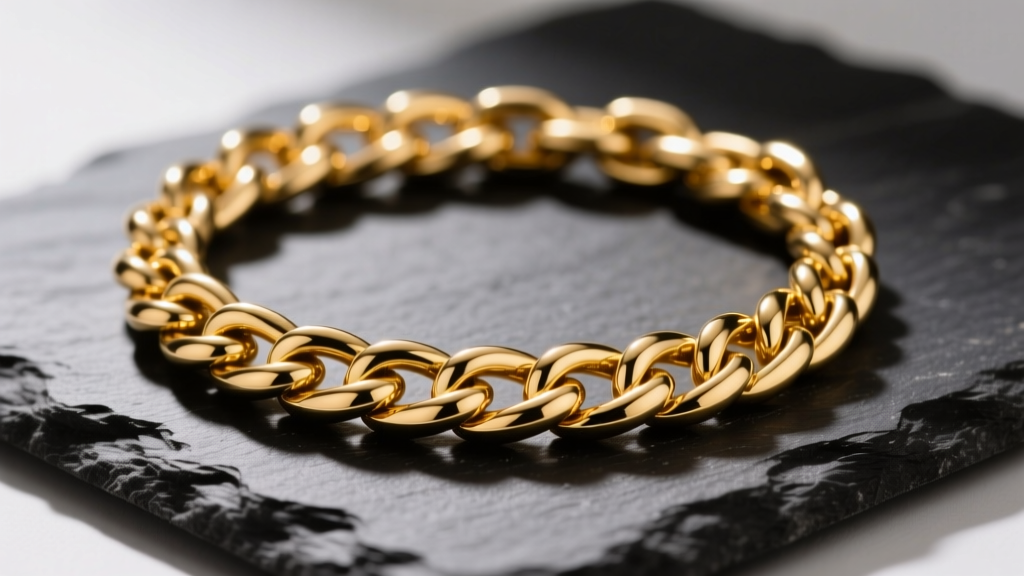
When investing in a gold nugget necklace mens, collectors and wearers must first understand the unique structural challenges this specific jewelry style presents. In the men's jewelry market, the term 'nugget' refers to two distinct categories: natural, raw placer gold nuggets that have been wire-wrapped or fitted with a bail, and cast or fabricated 'nugget-link' chains (often referred to as Miami nugget or nugget Cuban links) designed to mimic the rough, high-surface-area texture of raw gold. Both styles share a common vulnerability: their intricate, uneven topographies act as magnets for sebum, dead skin cells, environmental dust, and grooming products.
Unlike smooth, high-polish box chains or simple rope chains, the deep crevices and sharp, diamond-cut facets of a nugget chain obscure dirt buildup until it becomes severe. For raw natural nuggets, the presence of natural quartz inclusions and porous surfaces requires an entirely different, much gentler approach to maintenance. According to the Gemological Institute of America (GIA), understanding the specific alloy composition and physical texture of your gold is the first step in preventing long-term degradation and loss of luster.
Daily Wear & Preventative Maintenance Hazards
The longevity of your necklace depends heavily on environmental exposure. Gold itself is a noble metal and does not oxidize or rust, but the alloying metals used to strengthen it—such as copper, silver, and zinc—are highly reactive. To preserve the structural integrity and visual appeal of your necklace, avoid the following hazards:
- Chlorine and Bromine: Exposure to chlorinated pool water or harsh household bleach causes 'stress corrosion cracking' in the copper and silver alloys of 10k and 14k gold. Over time, this weakens the solder points on your links and clasps, leading to sudden chain failure.
- Mercury Exposure: Gold readily forms an amalgam with mercury. Even trace amounts from broken thermometers, certain artisanal mining environments, or specialized industrial settings will instantly turn your gold chain a dull, silvery-white color, requiring professional torch restoration.
- Acidic Sweat and Sebum: Heavy, acidic perspiration combined with the natural oils from your neck creates a corrosive film that settles deep into the nugget textures, accelerating the tarnishing of lower-karat alloys.
- Physical Snagging: The rough, protruding edges of nugget links easily catch on wool sweaters, towels, and seatbelts. This repetitive micro-pulling can distort the links and warp the jump rings over time.
Step-by-Step Deep Cleaning Protocol
To safely remove embedded grime without scratching the gold or damaging any natural inclusions, follow this meticulous, jeweler-approved cleaning protocol. This method is safe for both fabricated nugget chains and raw natural gold pendants.
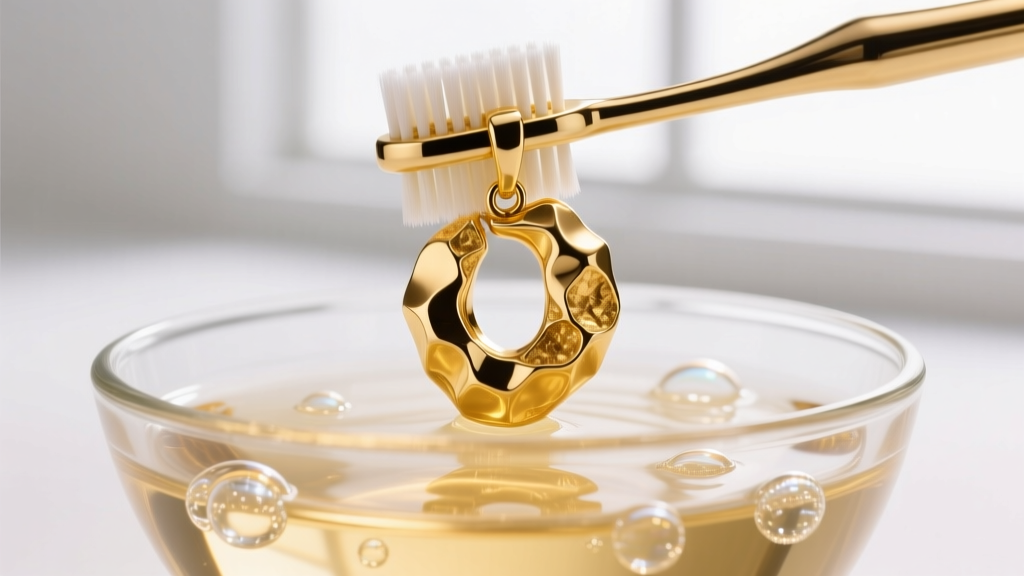
- Prepare the Solution: Fill a glass or ceramic bowl with lukewarm water. Avoid hot water, as extreme thermal shifts can fracture natural quartz inclusions found in raw nuggets. Add three to four drops of a mild, phosphate-free dish soap (such as original Dawn).
- The Soak: Submerge the necklace completely and let it soak for 15 to 20 minutes. This crucial step softens hardened sebum and cosmetic residues trapped in the deepest crevices of the nugget texture.
- Agitation: Using an extra-soft baby toothbrush (never a medium or hard bristle brush, which will leave micro-scratches on high-karat gold), gently sweep the bristles across the textured links. Brush in the direction of the chain's natural drape to avoid bending the links.
- The Rinse: Rinse the necklace under a gentle stream of lukewarm tap water. Ensure the drain is securely plugged or use a mesh strainer to prevent catastrophic loss.
- Drying: Pat the chain dry with a clean, lint-free microfiber cloth. Never use paper towels or tissue paper; they contain recycled wood fibers that are hard enough to scratch 18k and 22k gold. Allow the chain to air-dry completely on a towel before storing to prevent water spots.
Ultrasonic & Steam Cleaning: A Critical Warning
While ultrasonic cleaners are excellent for plain diamond solitaires, they pose a severe risk to certain types of nugget jewelry. The high-frequency cavitation bubbles can easily fracture natural quartz or calcite inclusions inside raw gold nuggets. Furthermore, if your fabricated nugget chain has any micro-fractures or weakened solder joints from years of wear, the intense vibrations of an ultrasonic machine can snap the chain entirely. Steam cleaners are equally risky for raw nuggets due to the sudden thermal shock. Stick to the manual soak-and-brush method for the safest results.
Karatage & Tarnish: What to Expect
The cleaning frequency and tarnish resistance of your gold nugget necklace mens are directly dictated by its karatage. The Federal Trade Commission (FTC) strictly regulates gold purity markings, and understanding your chain's specific alloy makeup will help you set realistic maintenance expectations.
| Karat | Purity | Tarnish Risk | Scratch Resistance | Cleaning Note |
|---|---|---|---|---|
| 10k | 41.7% | High | Excellent | Requires frequent polishing; prone to copper oxidation. |
| 14k | 58.3% | Medium | Very Good | Standard soap soak; ideal for daily wear nugget chains. |
| 18k | 75.0% | Low | Good | Avoid harsh abrasives; richer color but softer metal. |
| 22k | 91.6% | None | Poor | Microfiber wipe only; highly susceptible to denting. |
As the table illustrates, 10k and 14k gold contain higher percentages of copper and silver. When these alloys react with sulfur compounds in the air or on your skin, they form silver sulfide and copper oxide—the dark, tarnished film that often accumulates in the deep grooves of a nugget chain. If your 14k nugget chain develops a dark patina in its crevices, a brief soak in a specialized, non-toxic gold dip (thiourea-based) can dissolve the tarnish instantly, though this should be done sparingly to avoid stripping the metal's natural patina.
Proper Storage & Polishing Techniques
How you store your necklace when it is not on your neck is just as critical as how you clean it. Nugget chains, with their irregular, interlocking shapes, are notorious for tangling. When a heavy gold chain tangles, the friction required to pull the knots apart can cause severe surface scratching and link distortion.
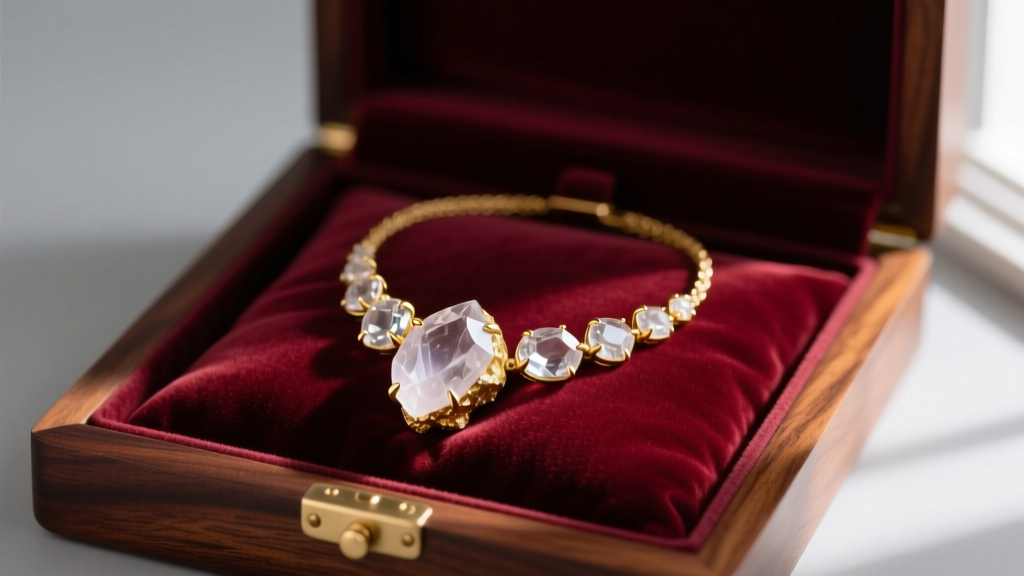
Expert Tip: Never store your nugget necklace in a communal jewelry box where it can rub against diamonds or sapphires. Diamonds rank a 10 on the Mohs hardness scale and will effortlessly gouge deep scratches into 18k or 22k gold. Always hang heavy nugget chains on a dedicated, padded jewelry stand or lay them flat in a dedicated, velvet-lined compartment.
When it comes to polishing, avoid using treated jeweler's rouge cloths on raw, natural gold nuggets. The abrasives in these cloths can strip away the natural, weathered rind (patina) that placer gold develops over thousands of years in riverbeds—a feature that significantly increases its value to mineral collectors. For cast nugget chains, however, a gentle rub with a Sunshine polishing cloth once a month will restore the brilliant, diamond-cut facets to a mirror finish.
Clasp, Jump Ring, and Professional Maintenance
The weakest point of any heavy men's gold chain is the clasp assembly. Most nugget chains utilize a lobster clasp, which contains an internal steel spring. This steel spring is highly susceptible to rust if exposed to saltwater or heavy sweat. Once a year, apply a microscopic drop of synthetic sewing machine oil to the clasp's hinge and lever to ensure smooth operation and prevent internal corrosion. If your chain is particularly heavy (over 50 grams), consider having a jeweler upgrade the standard lobster clasp to a solid gold box clasp with a figure-eight safety latch, which provides vastly superior tensile strength.
Finally, inspect the soldered jump rings connecting the clasp to the chain every six months. Look for any visible gaps or thinning of the metal. Because nugget chains carry substantial weight, gravity and the pendulum motion of walking place constant stress on these solder points. Taking your necklace to a reputable bench jeweler for an annual ultrasonic inspection and professional steam clean will ensure that your investment remains secure, brilliant, and structurally sound for decades to come.


