Gold Rolex Necklace: Materials, Links & Value Guide
Discover the material properties of a gold Rolex necklace. Learn about 18k Everose, President links, aftermarket customs, and how to verify authenticity.

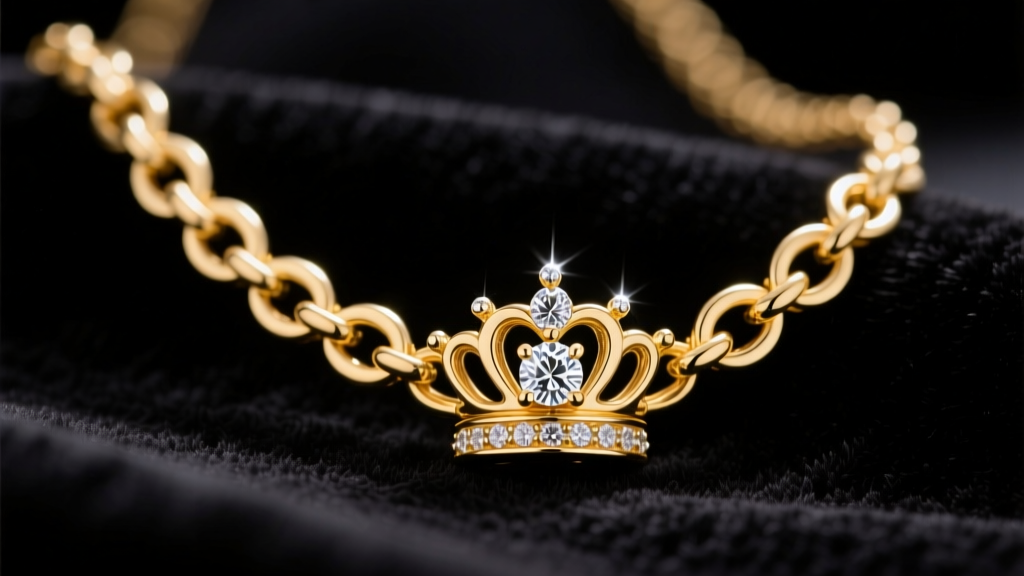
When collectors and luxury enthusiasts search for a gold rolex necklace, they are navigating one of the most misunderstood niches in the high-end jewelry market. The most critical piece of information to understand upfront is that Rolex does not manufacture, distribute, or sell necklaces. Any piece marketed as a "factory-made" Rolex necklace is either a misunderstanding of horological history or an outright counterfeit.
However, a thriving, highly specialized aftermarket exists. Expert jewelers and horological purists create these necklaces by upcycling genuine 18k gold Rolex watch bracelet links—often salvaged from damaged timepieces or sourced as OEM spare parts—or by pairing aftermarket 18k gold crown pendants with custom-cast chains that meticulously replicate Rolex link profiles. Understanding the metallurgy, structural engineering, and material properties of these pieces is essential for evaluating their true value, durability, and authenticity in 2026.
The Metallurgy of Rolex Gold: 18k Alloys Explained
Unlike standard jewelry chains that often rely on 14k gold for durability, genuine Rolex components are forged exclusively from 18k gold (75% pure gold). Rolex operates its own exclusive foundry in Geneva, allowing the brand to tightly control the alloy compositions for specific material properties. When evaluating a gold rolex necklace made from genuine links, you will encounter three primary alloys:
18k Yellow Gold
Rolex’s yellow gold is an alloy of 75% pure gold, mixed with precise ratios of copper and silver. This specific blend yields a Vickers hardness of approximately 140-160 HV, making it resistant to the deep dents that plague softer, higher-karat golds while retaining a warm, unmistakable luster. Over decades of wear, 18k yellow gold develops a rich patina that many collectors prize.
18k Everose Gold
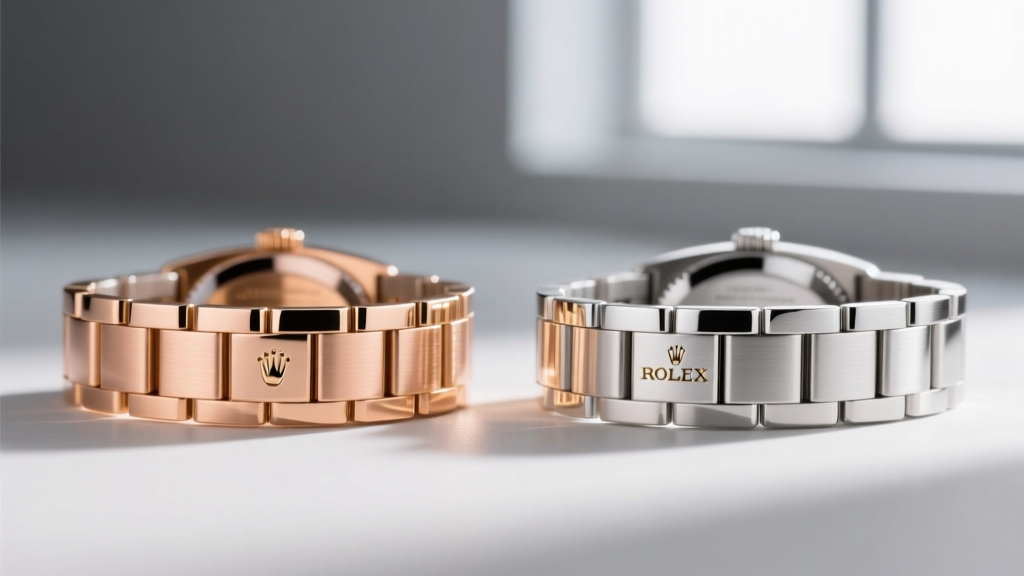
Introduced in 2005, Everose is Rolex’s proprietary rose gold alloy. Standard rose gold uses copper for its pink hue, but copper is prone to oxidation and fading when exposed to chlorine, sweat, and UV light. Rolex solved this by adding a proprietary percentage of platinum to the copper-gold mix. The platinum acts as a chemical stabilizer, ensuring the rose hue of an Everose link necklace remains permanent and will never fade, even with daily wear.
18k White Gold
Rolex white gold is alloyed with palladium rather than nickel, which eliminates the risk of nickel allergies—a common failure point in cheaper white gold jewelry. Furthermore, unlike standard white gold jewelry that requires periodic rhodium plating to maintain its bright white appearance, Rolex’s palladium-rich alloy is inherently white throughout its entire cross-section. If a link gets deeply scratched, the underlying metal remains white, eliminating the need for replating.
For a deeper understanding of how precious metal alloys behave in jewelry, the Gemological Institute of America (GIA) provides extensive data on gold purity and alloying mechanics that apply directly to these high-end custom pieces.
Link Profiles: Oyster, President, and Jubilee Chains
The drape, weight, and structural integrity of a gold rolex necklace depend entirely on the link profile used in its construction. Jewelers typically convert bracelets into necklaces by adding custom-machined 18k links that match the OEM specifications, or by combining multiple salvaged bracelets. Here is how the three main profiles compare in a necklace format:
| Link Profile | Structure | Drape & Weight | Durability & Failure Modes |
|---|---|---|---|
| President | Semi-circular 3-piece links | Fluid, heavy, sits flat against the collarbone. Typical weight: 90g-140g. | Prone to "stretch" over time if the internal pins wear down the link holes. Requires periodic pin replacement. |
| Oyster | Flat, broad 3-piece links | Rigid, sporty, slightly stiffer drape. Typical weight: 80g-120g. | Highly durable. The flat surface area is prone to surface micro-scratches but structurally resistant to stretching. |
| Jubilee | Complex 5-piece links | Extremely fluid, lightweight feel, high surface brilliance. Typical weight: 70g-110g. | The small center links accumulate dirt and grime rapidly. Pins are tiny and complex to repair if a link fails. |
The President link is the most highly sought-after for necklaces due to its association with the Day-Date and its luxurious, heavy drape. However, buyers must inspect the link joints closely; if a necklace is made from heavily worn vintage bracelet parts, the links may exhibit lateral wobble, indicating compromised structural integrity.
Authenticity: Verifying Genuine 18k Rolex Materials
Because the market is flooded with counterfeit "Rolex-style" Cuban links and gold-plated brass crown pendants, material verification is non-negotiable. When assessing a gold rolex necklace, rely on these specific authentication metrics rather than visual inspection alone.
Hallmarks and Stamps
Genuine Swiss 18k gold components will bear specific hallmarks, usually laser-etched or stamped in microscopic font on the end links or the clasp. Look for:
- Au750 or 750: The universal stamp for 18k gold (75% purity).
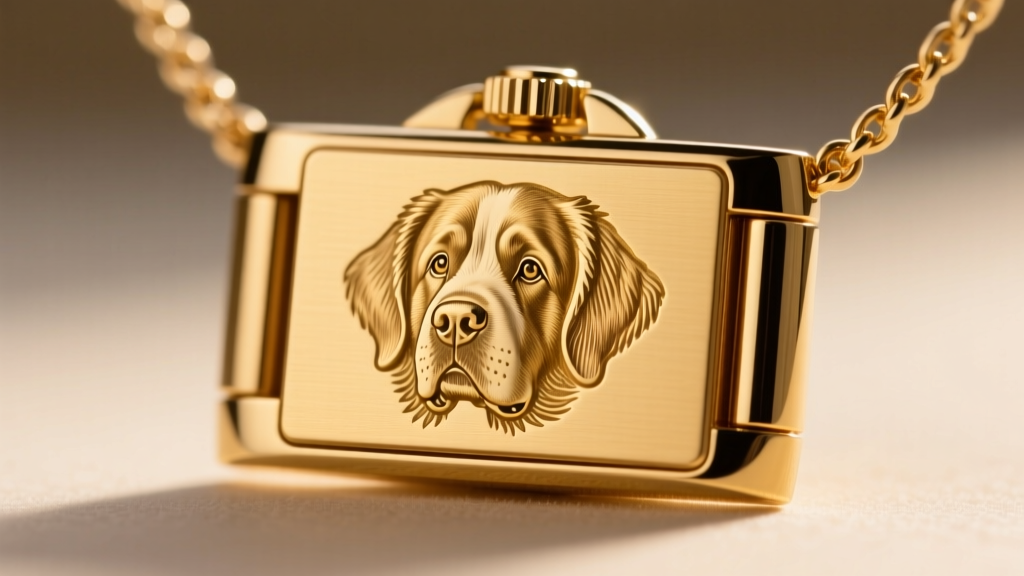
- The St. Bernard Dog Head: The modern Swiss hallmark for 18k gold, introduced in 1995. It is incredibly small and requires a jeweler's loupe to verify.
- The Scales (Balancier): Often found alongside the dog head, indicating the precise fineness of the gold.
XRF Testing and Specific Gravity
Visual hallmarks can be faked by counterfeiters who stamp brass chains with "Au750." The only definitive way to verify the material properties of an upcycled necklace is through X-Ray Fluorescence (XRF) testing. An XRF spectrometer will read the exact elemental breakdown of the metal, confirming the presence of palladium in white gold links or the specific copper-to-gold ratio in yellow gold. Additionally, a specific gravity water displacement test can confirm the density of the piece; 18k gold has a density of roughly 15.6 g/cm³, whereas gold-plated tungsten or brass will yield drastically different readings.
For authoritative guidelines on identifying precious metal hallmarks and testing methodologies, refer to the official Rolex materials archive and standard horological authentication practices.
Clasp Engineering and Sizing Considerations
A major challenge in creating a gold rolex necklace from watch bracelets is the clasp. Watch clasps are engineered to secure a 50-gram watch head, not to bear the dynamic tension of a 120-gram necklace swinging from the neck.
Master jewelers address this by discarding the standard Oysterclasp or concealed Crownclasp and engineering a custom 18k gold barrel clasp or a heavy-duty box clasp with dual safety catches. If a necklace retains the original watch clasp, it is a significant structural liability. The spring bars and folding mechanisms are not rated for the tensile stress of necklace wear, and a sudden snag could result in the clasp tearing open and the loss of the entire piece.
Expert Tip: Never wear a necklace converted from a vintage President bracelet while sleeping or exercising. The lateral forces applied to the neck during sleep can bend the soft 18k gold link pins, permanently warping the drape of the chain.
Market Value and Investment Perspective
In 2026, the value of a gold rolex necklace is calculated based on its intrinsic melt value plus a premium for the OEM links and craftsmanship. A genuine 18k yellow gold President necklace weighing 120 grams contains roughly 90 grams of pure gold. With gold prices fluctuating, the baseline melt value provides a hard floor for the piece's worth. However, the presence of verifiable, genuine Rolex end-links, bezels, or crown pendants can add a 20% to 40% collector's premium over standard custom 18k chains.
Conversely, aftermarket "Rolex-style" chains that merely mimic the link design but lack genuine components hold zero horological premium and are valued strictly as standard gold jewelry. Always demand a detailed invoice breaking down the gram weight, karat purity, and the origin of the links before making a purchase in this specialized market.


