Restoring a Vintage Grosse Germany Necklace: Expert Repair Guide
Learn how to authenticate, clean, and repair a vintage Grosse Germany necklace. Expert tips on rhinestone replacement, clasp fixes, and replating.

The Legacy of Grosse Germany: What You Are Actually Holding
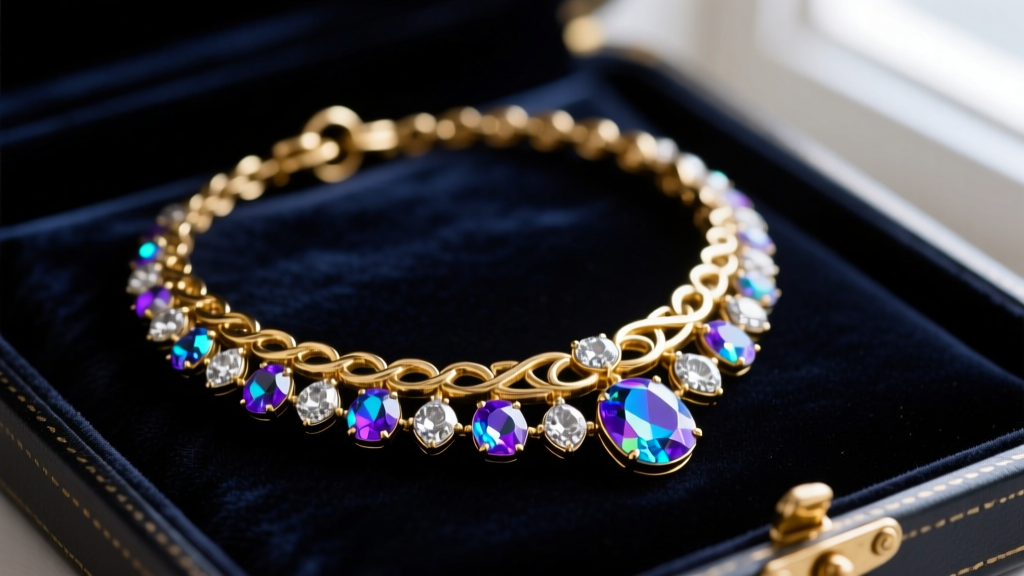
When you acquire a vintage Grosse Germany necklace, you are not just holding a piece of mid-century costume jewelry; you are holding a fragment of Pforzheim’s rich manufacturing heritage. Founded in 1938, Gebrüder Grosse became one of Germany’s premier jewelry houses, eventually securing the exclusive license to manufacture Christian Dior’s costume jewelry in 1955. Because these pieces were crafted with heavy gold electroplating over high-quality brass or pot metal bases, they have survived decades of wear. However, the passage of time introduces specific structural and cosmetic failures that require specialized troubleshooting. Standard modern jewelry repair techniques can easily destroy these vintage artifacts if the metallurgical realities of the 1950s and 1960s are ignored.
According to the archives at the Schmuckmuseum Pforzheim, German mid-century costume jewelry relied on precise mechanical linkages and hand-set foil-backed rhinestones. Understanding these original construction methods is the first step in successful restoration.
Authentication: Spotting a Genuine Grosse Germany Necklace
Before attempting any repairs, you must verify the piece's authenticity. The secondary market is flooded with modern reproductions. A genuine Grosse Germany necklace will feature specific hallmarks, usually stamped on the reverse of the clasp or on a dedicated hang-tag link.
- Standard Mark: "GROSSE GERMANY" or simply "Grosse" in a serif font.
- Dior Collaboration: "Chr. Dior © [Year] by Grosse" (e.g., ©1958). Note that the copyright symbol and date are critical indicators of authenticity.
- Patent Marks: Some early mechanical clasps feature "DRGM" (Deutsches Reichsgebrauchsmuster) or "DBGM" (Deutsches Bundesgebrauchsmuster) utility model stamps.
Troubleshooting Common Structural & Cosmetic Issues
1. Clasp Mechanism Failures (Tongue and Box)
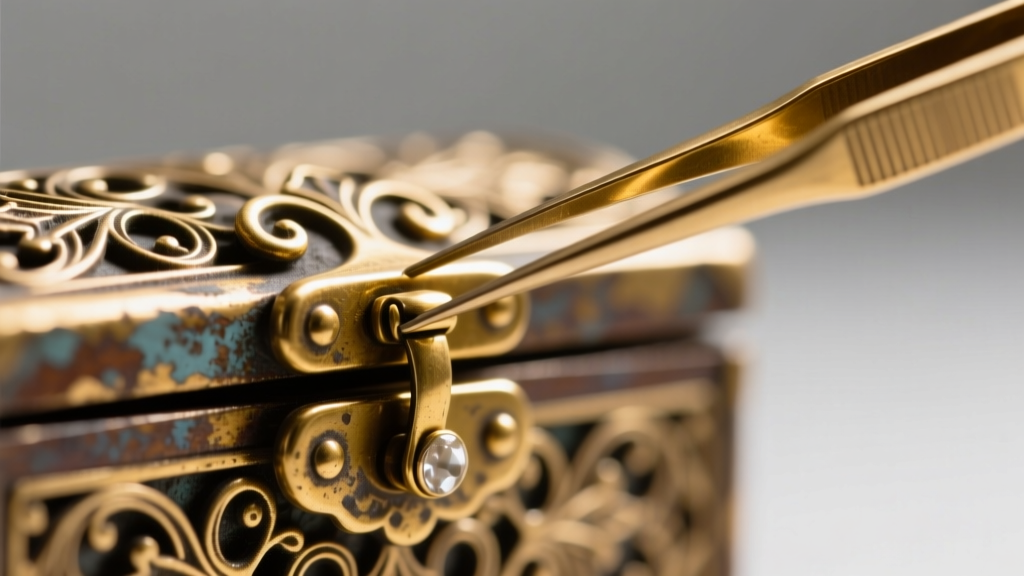
Vintage Grosse necklaces frequently utilize intricate tongue-and-groove box clasps, often accompanied by a figure-8 safety catch. Over decades, the internal metal tongue compresses, causing the clasp to pop open unexpectedly.
The Fix: Never use standard steel pliers to bend the tongue back into shape; this will crush the gold plating and expose the base metal. Instead, use nylon-jaw pliers to gently lift the internal tongue by 1 to 2 millimeters. If the figure-8 safety wire has snapped due to metal fatigue, do not attempt to solder it with a standard butane torch. The base metal is often a zinc-alloy pot metal that will melt at temperatures required for silver solder. Use a low-temperature tin-bismuth solder (melting point around 281°F / 138°C) and a specialized low-heat soldering iron.
2. Rhinestone Clouding and Foil Degradation
If the aurora borealis (AB) or clear chaton rhinestones on your Grosse Germany necklace appear gray, black, or "dead," the issue is rarely the glass itself. Mid-century stones relied on a delicate metallic foil backing to create refraction. When moisture penetrates the prong setting, the foil oxidizes and turns black.
The Fix: Unfortunately, oxidized foil cannot be cleaned. The stone must be replaced. Using a precision prong lifter, gently raise the four pot-metal prongs. Do not pry them straight up; roll them back at a 45-degree angle to prevent the brittle vintage metal from snapping. Clean the empty bezel with a dry cotton swab to remove any green copper verdigris before seating the replacement stone.
3. Gold Plating Wear and Base Metal Exposure
Grosse Germany utilized heavy gold electroplating, sometimes up to 3 or 4 microns thick, which is vastly superior to modern "flash" plating. However, friction points near the clasp and pendant bales eventually wear through to the brass or nickel-silver base.
The Fix: Avoid abrasive polishing cloths, which will strip the remaining gold. For localized wear, professional replating is required. The piece must be chemically stripped, given a copper flash layer to ensure adhesion, and then plated in 22k or 24k gold to match the distinct warm, yellow hue characteristic of 1960s German manufacturing.
Restoration Data Table: Cost & Risk Assessment
| Issue | DIY Feasibility | Estimated Pro Cost (USD) | Risk Level |
|---|---|---|---|
| Clasp Tongue Tensioning | High | $45 - $75 | Low |
| Figure-8 Safety Wire Replacement | Medium (Requires low-temp solder) | $80 - $120 | High (Melting base metal) |
| Foil-Back Rhinestone Replacement | Medium | $25 per stone | Medium (Prong breakage) |
| Full Chemical Replating | None (Professional only) | $150 - $300+ | High (Loss of original patina) |
Step-by-Step Cleaning Protocol for Vintage Grosse Pieces
The most common mistake collectors make is using commercial silver dips or ultrasonic cleaners. Chemical dips (like Tarn-X) contain thiourea, which will instantly strip vintage gold electroplate and leave the underlying brass permanently stained. Ultrasonic vibrations will shatter the adhesive holding the rhinestone foil backing in place.
- Dry Brush: Use a clean, ultra-soft makeup brush to dislodge dry skin cells and cosmetic powders from the link crevices.
- Solution Prep: Mix distilled water with a single drop of non-detergent, phosphate-free soap (like Castile soap). Tap water contains chlorine and minerals that can spot the gold.
- Targeted Swabbing: Dip a cotton swab into the solution, squeezing out 90% of the moisture. Gently roll the swab over the gold links. Never submerge the necklace.
- Stone Cleaning: Use a separate, dry microfiber cloth to gently buff the face of the rhinestones. Avoid the prong edges where moisture can seep underneath.
- Drying: Allow the piece to air dry on a paper towel in a low-humidity room for at least two hours before storing.
Sourcing Replacement Parts for Mid-Century German Jewelry
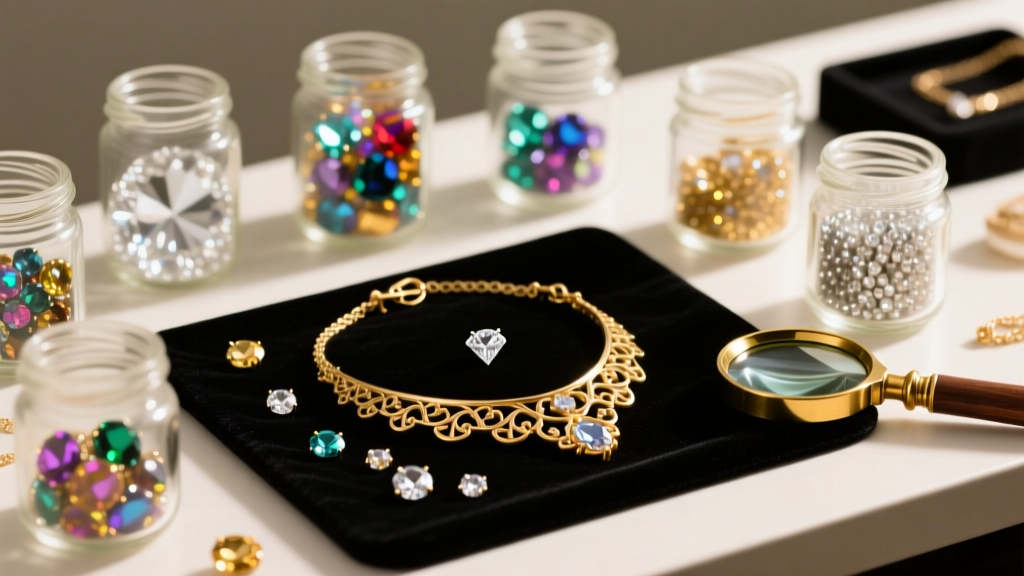
If your Grosse Germany necklace requires a new rhinestone, sourcing the correct replacement is vital for maintaining the piece's value and aesthetic integrity. Modern Swarovski or Preciosa stones have a different refraction index and cut geometry than those produced in the 1950s and 60s.
For authentic restorations, seek out "New Old Stock" (NOS) vintage chaton stones from specialized estate jewelry suppliers. If you must use modern stones, opt for pointed-back chatons rather than flat-backed, and ensure the color designation matches mid-century nomenclature (e.g., "Light Siam" or "Chrysolite"). The Victoria and Albert Museum notes that the specific cut and foil color of mid-century Dior and Grosse stones were heavily guarded trade secrets, making exact modern replication nearly impossible without vintage donor stones.
Final Thoughts on Preserving Pforzheim Heritage
Troubleshooting a vintage Grosse Germany necklace requires a shift in mindset from modern jewelry repair to horological-style conservation. By respecting the original metallurgy, avoiding harsh chemical interventions, and utilizing low-heat, high-precision techniques, you can ensure these masterpieces of German costume jewelry continue to be worn and admired for generations to come. Always document your repairs and keep any original broken components with the piece's provenance paperwork to maintain its historical integrity for future collectors.


