How to Source an Authentic Necklace From USA in 2026
Learn how to find, verify, and buy an authentic handcrafted necklace from USA. Explore FTC rules, domestic gems, and top artisan hubs.

The Renaissance of American-Made Jewelry
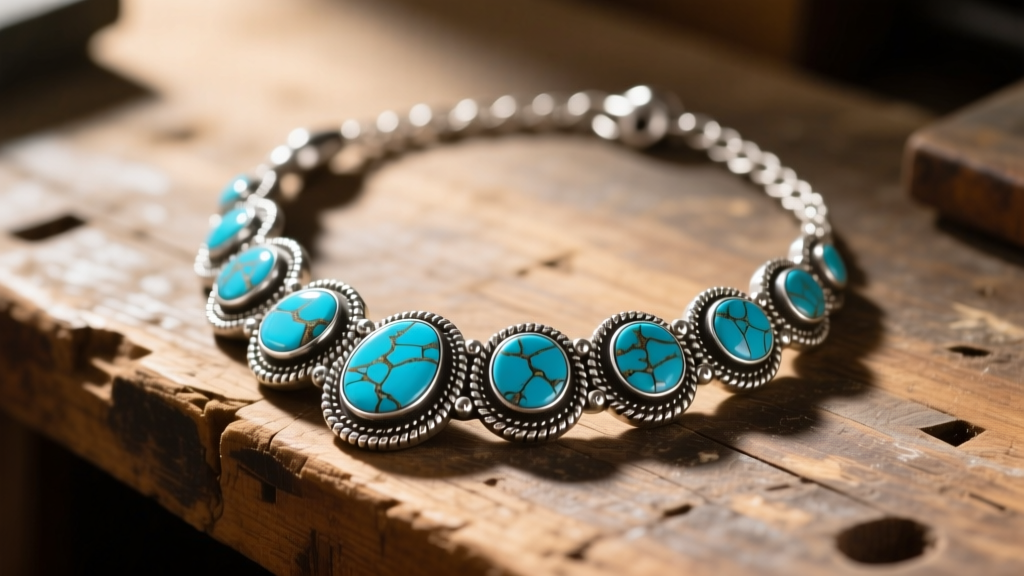
Finding a genuine, handcrafted necklace from USA artisans is about more than just supporting local businesses; it is an investment in heritage, ethical labor, and exceptional metallurgical standards. In 2026, the demand for transparent supply chains has pushed domestic jewelry making into the spotlight. However, the market is also flooded with imported pieces masquerading as American-made. Whether you are looking for a rugged Native American turquoise pendant or a delicate, recycled-gold chain forged in the Pacific Northwest, understanding the landscape of domestic jewelry is crucial for any beginner.
This guide will walk you through the legal definitions, geographic hubs, and material realities of sourcing authentic American necklaces, ensuring your next purchase is genuinely homegrown.
Decoding the "Made in the USA" Label
Before you purchase any jewelry marketed as domestic, you must understand the legal parameters. The Federal Trade Commission (FTC) strictly regulates the "Made in USA" label. For a necklace to legally bear this mark without qualification, the FTC mandates that "all or virtually all" of the product must be made in the United States.
"All or virtually all means that all significant parts and processing that go into the product must be of U.S. origin. The product should contain no, or negligible, foreign content." — FTC Guidelines
This means that if a brand imports cast pendant components from overseas and simply attaches a domestically sourced chain in a US workshop, they cannot legally label the final piece as "Made in USA." They may use terms like "Assembled in USA," but the distinction is vital for buyers seeking true domestic craftsmanship. Always look for brands that explicitly state their casting, stone-setting, and finishing processes occur within US borders.
Key American Jewelry Hubs to Know
The United States has distinct regional jewelry traditions, each offering unique styles, materials, and historical significance. Knowing these hubs helps you target your search for the perfect necklace.
The Southwest: Native American Silver and Turquoise
States like New Mexico, Arizona, and Nevada are the epicenters of Native American jewelry. The Navajo, Zuni, and Hopi tribes have mastered sterling silver overlay and intricate stone inlay. When buying a squash blossom or turquoise pendant from this region, authenticity is protected by the Indian Arts and Crafts Act of 1990, which makes it illegal to offer or display for sale any art or craft product in a manner that falsely suggests it is Indian-produced. Expect to pay between $250 and $800 for authentic, heavy-gauge sterling silver turquoise necklaces from verified tribal artisans.
Providence, Rhode Island: The Manufacturing Capital
Historically known as the jewelry capital of the US, Providence remains a hub for independent casters, chain-makers, and enamelists. While mass manufacturing has declined, a vibrant community of studio jewelers and micro-manufacturers keeps the city's legacy alive. This is an excellent region to source custom gold chains and precision-machined pendants.
The Pacific Northwest: Eco-Conscious and Organic Designs
Jewelers in Oregon and Washington are pioneers in sustainable jewelry. If you are looking for a necklace crafted from recycled precious metals and ethically sourced, traceable gemstones, Pacific Northwest studios are at the forefront of the eco-jewelry movement.
Domestic Gemstones and Metals: What to Look For
A truly authentic necklace from USA makers often features domestically mined gemstones and refined metals. Familiarizing yourself with these materials will elevate your buying expertise.
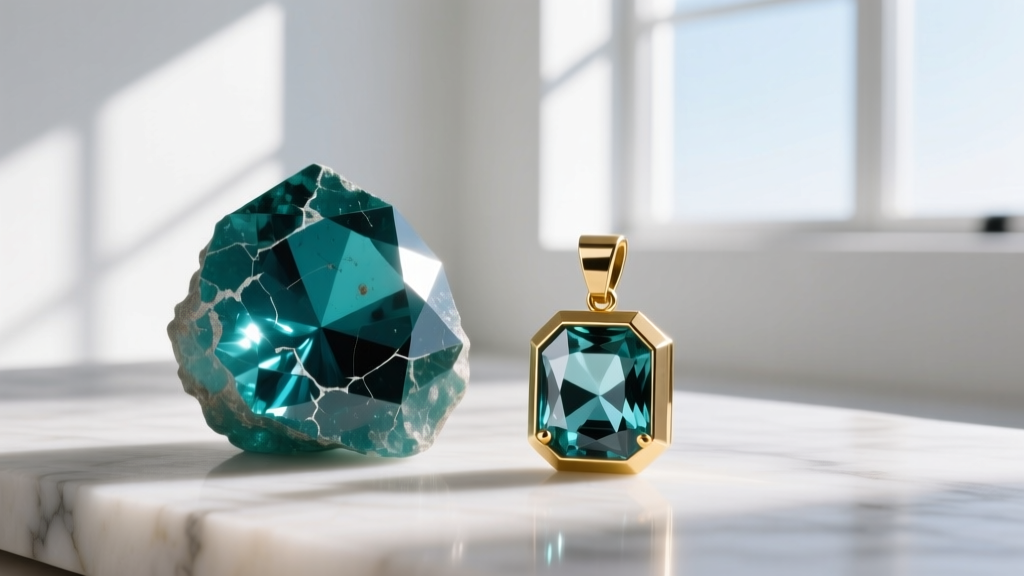
- Montana Sapphires: Mined primarily in the Rock Creek and Missouri River deposits, these sapphires are famous for their teal, mint, and cornflower blue hues. They are highly traceable and typically cost between $400 and $1,200 per carat depending on color saturation and heat treatment.
- Nevada and Arizona Turquoise: Mines like Sleeping Beauty (AZ) and Royston (NV) produce some of the world's most coveted turquoise. Because many of these mines are now closed, authentic, untreated domestic turquoise commands a premium price.
- Recycled US Gold and Silver: Refineries like Hoover & Strong (based in Richmond, VA) supply domestic jewelers with 100% recycled, SCS-certified precious metals. Asking your jeweler if they use a domestic, certified recycler is a great way to verify their supply chain.
Comparison Chart: Verifying Origin Claims
Marketing language can be deceptive. Use this table to decode the tags and descriptions on your potential necklace purchase.
| Label / Claim | What It Actually Means | Beginner Verdict |
|---|---|---|
| Made in USA | All or virtually all parts and labor are domestic (FTC regulated). | The Gold Standard. Look for maker's marks to back this up. |
| Assembled in USA | Foreign components are put together in a US workshop. | Acceptable for some chains, but not true artisan craftsmanship. |
| Designed in USA | The CAD file or sketch was made in the US; manufacturing is overseas. | Red flag if sold as 'American-made'. Often mass-produced abroad. |
| Handcrafted in [US City] | Usually implies genuine local labor, but not legally regulated like the FTC mark. | Verify by checking the artisan's studio photos and process videos. |
5 Red Flags When Shopping for US-Made Necklaces
Even well-intentioned buyers can be tricked by clever e-commerce branding. Watch out for these warning signs when shopping online:
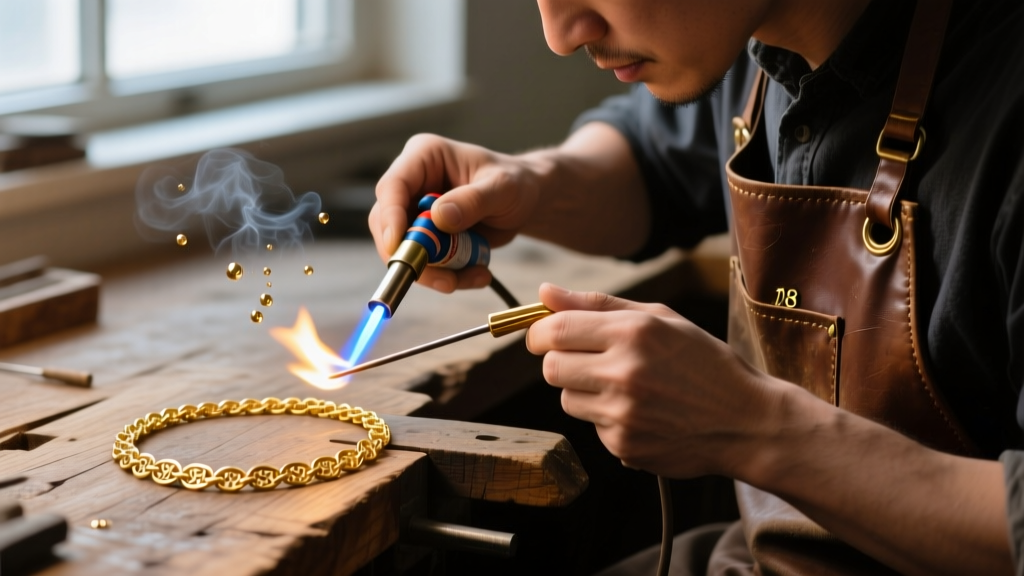
- Vague Studio Photography: If the brand only uses stock photos or highly stylized lifestyle shots without showing the actual workbench, tools, or artisan hands, they may be drop-shipping from overseas.
- Missing Maker's Marks: Authentic American jewelers stamp their work with a registered maker's mark and a quality stamp (e.g., 14K, 925). If the pendant clasp or bail is blank, proceed with caution.
- Unrealistic Pricing: A solid 14k gold chain necklace weighing 10 grams cannot be sold for $150 if it is handcrafted in the US. The scrap value of the gold alone exceeds that price, meaning the piece is likely imported or heavily plated.
- "American Style" Phrasing: Terms like "Southwest Style" or "Native Inspired" are often used by foreign manufacturers to skirt the Indian Arts and Crafts Act while selling imitation turquoise and silver.
- No Hallmarking Documentation: High-end domestic pieces using Montana sapphires or recycled gold usually come with a certificate of origin or a detailed receipt outlining the stone's mine source.
Caring for Domestically Sourced Materials
American-made necklaces often utilize unique, untreated materials that require specific care routines to maintain their luster.
Untreated Turquoise Care
Domestic turquoise from Nevada or Arizona is often left untreated or lightly stabilized. It is highly porous. Never wear a turquoise necklace in a swimming pool, as chlorine will permanently alter the stone's color. Clean it only with a soft, damp cloth and store it in a breathable cloth bag, away from direct sunlight which can dry out the stone and cause cracking.
Maintaining High-Karat US Gold
If you purchase an 18k or 22k gold chain from a US artisan, remember that higher karat gold is softer than 14k. Remove the necklace before lifting weights or doing manual labor to prevent the links from stretching or warping. Polish it gently with a specialized jeweler's cloth rather than using harsh chemical dips that can strip the metal's natural patina.
Final Thoughts on Sourcing
Choosing a necklace from USA artisans is a rewarding process that connects you directly to the rich, diverse heritage of American metalworking and lapidary arts. By understanding FTC regulations, recognizing regional hubs, and demanding transparency in materials, you ensure that your jewelry box is filled with pieces that are not only beautiful but ethically and authentically American. Take the time to research the maker, ask questions about their supply chain, and invest in craftsmanship that will last generations.


