Gold Shamrock Necklace Value: 2026 Pricing & Buyer Guide
Discover the true value of a gold shamrock necklace in 2026. Compare 10k, 14k, and 18k pricing, evaluate enamel quality, and avoid overpaying.

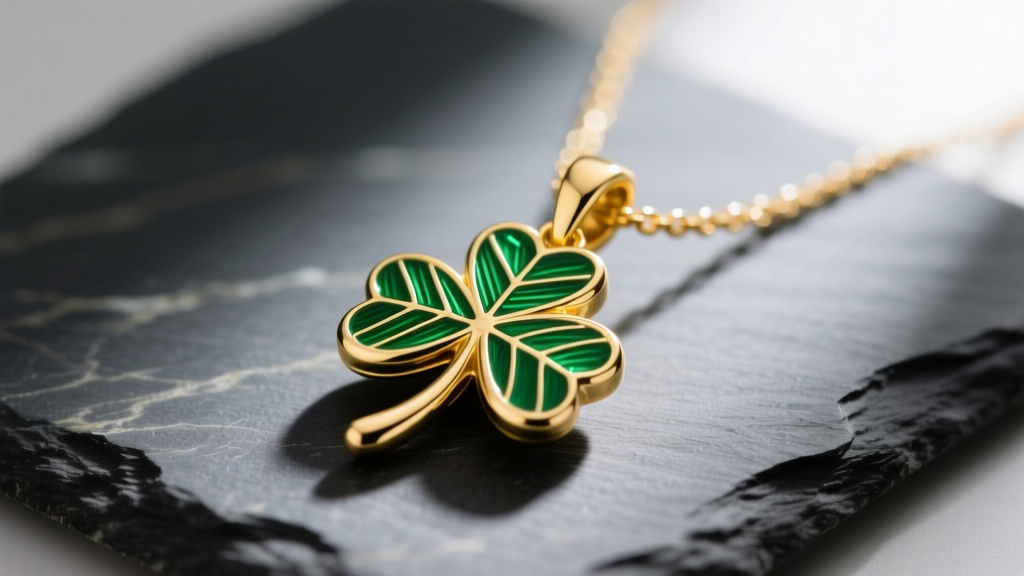
The Anatomy of a Gold Shamrock Necklace's Price Tag
When evaluating a gold shamrock necklace, buyers often conflate sentimental value with intrinsic market value. As we navigate the 2026 precious metals market, with gold spot prices experiencing sustained elevation, understanding the precise breakdown of your jewelry's worth is critical. A shamrock pendant is not merely a stamped piece of metal; its value is dictated by a complex matrix of karat purity, manufacturing technique, enamel quality, and hardware integrity.
Whether you are purchasing a new piece from a heritage Irish jeweler or appraising a vintage estate find, the margin between a $50 trinket and a $1,500 heirloom lies in the microscopic details. This guide deconstructs the true cost of gold shamrock necklaces, providing you with the technical frameworks necessary to assess value accurately and avoid overpaying for inferior metallurgy.
Material Breakdown: Solid Gold vs. Vermeil vs. Plated
The most common point of financial deception in the jewelry market is the obfuscation of gold application. According to the Federal Trade Commission (FTC) Jewelry Guides, specific legal thresholds dictate what can be marketed as solid, vermeil, or plated. Understanding these distinctions is the first step in your budget assessment.
Solid Gold: The entire piece is an alloy of pure gold and strengthening metals (like copper, silver, or zinc). It holds intrinsic melt value and can be polished indefinitely without revealing a base metal.
Gold Vermeil: By FTC definition, vermeil must feature a sterling silver (.925) base and be plated with a minimum of 2.5 microns of gold (usually 14k or 18k). It offers a luxury look at a fraction of the cost but will eventually require re-plating.
Gold Plated / Gold Filled: Plated jewelry uses a cheap base metal (brass or copper) with a microscopic gold flash (often less than 0.5 microns). Gold filled items have a thicker mechanical bond of gold (at least 5% of the total weight), but the core remains brass.
| Material Classification | Karat / Purity | Base Metal | Gold Thickness | 2026 Avg. Retail Price |
|---|---|---|---|---|
| Solid Gold | 10k (41.7%) | N/A (Solid Alloy) | Solid | $180 - $320 |
| Solid Gold | 14k (58.3%) | N/A (Solid Alloy) | Solid | $350 - $750 |
| Solid Gold | 18k (75.0%) | N/A (Solid Alloy) | Solid | $650 - $1,400+ |
| Gold Vermeil | 14k or 18k | Sterling Silver | 2.5+ microns | $85 - $180 |
| Gold Plated | 14k or 18k | Brass / Copper | <0.5 microns | $25 - $60 |
Karat Weight Impact on Intricate Shamrock Designs
The shamrock motif inherently features delicate elements: three distinct lobes, intricate interior cutouts, and a slender stem. This design geometry makes the choice of karat weight a matter of structural engineering, not just color preference. The Gemological Institute of America (GIA) notes that as gold purity increases, so does its malleability and susceptibility to deformation.
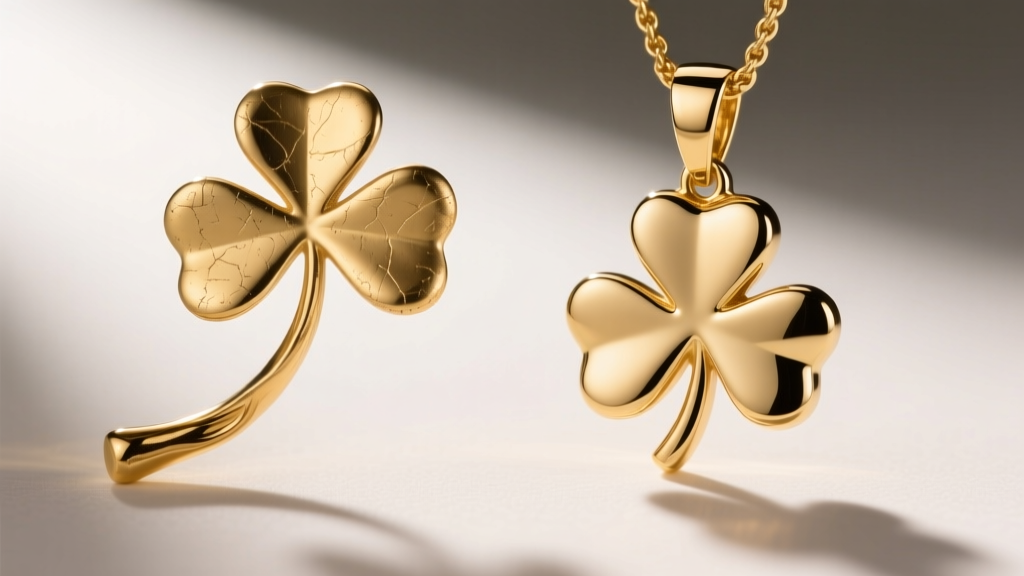
18k Gold (75% Pure): While 18k offers a rich, buttery yellow hue, it has a lower Vickers hardness. If a shamrock pendant is die-struck or cast with a very thin stem in 18k gold, it is highly prone to bending if snagged on clothing. It is best suited for solid, chunky shamrock designs without elongated stems.
14k Gold (58.3% Pure): This is the undisputed sweet spot for value and durability. The higher copper and silver alloy content provides the tensile strength necessary to maintain the crisp edges of filigree shamrock leaves and resist stem warping. It retains excellent color while maximizing your budget.
10k Gold (41.7% Pure): The most budget-friendly solid option. It is incredibly durable and highly resistant to scratching, but it contains more alloy metals, which can sometimes trigger contact dermatitis in wearers with nickel or copper sensitivities. It also possesses a slightly paler yellow tone.
The Enamel Factor: Guilloché vs. Cold Enamel
Many gold shamrock necklaces incorporate green enamel to accentuate the leaves. The method of enamel application drastically alters the necklace's long-term value and appraisal price.
- Cold Enamel (Epoxy Resin): Common in pieces under $200. This is essentially a painted resin that air-dries. It is prone to chipping, scratching, and will inevitably yellow or cloud when exposed to UV light and skin oils over a 3-to-5-year period.
- Vitreous / Guilloché Enamel: Found in high-end and vintage pieces ($500+). This is finely ground glass that is kiln-fired at over 1,400°F, fusing it permanently to the gold substrate. Guilloché involves engraving a geometric pattern into the gold before applying translucent green glass, creating a mesmerizing, light-catching depth that resin cannot replicate. Vitreous enamel will outlast the wearer and is a major value multiplier for appraisers.
Chain Selection: Hidden Costs and Durability Traps
A pendant is only as valuable as the chain that secures it. When budgeting for a gold shamrock necklace, buyers often allocate 80% of their funds to the pendant and settle for a substandard chain, leading to catastrophic loss.
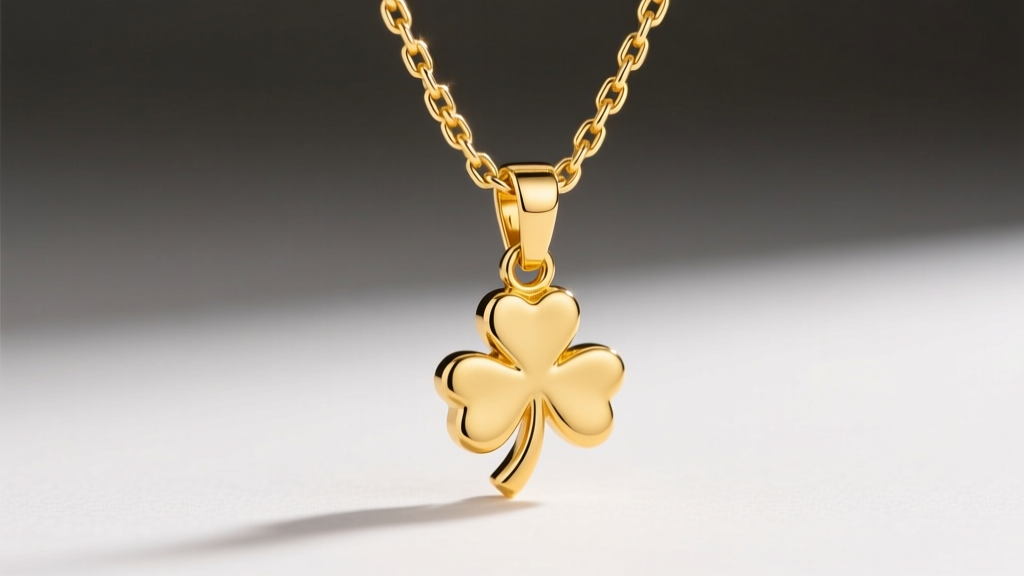
The Hollow Chain Trap: Many budget-friendly gold chains are "hollow" or "semi-solid" to reduce gram weight and cost. A hollow rope chain might look thick but will crush irreparably if subjected to just a few pounds of tension. For a solid gold shamrock pendant (which typically weighs between 2 and 5 grams), you need a solid chain. A 1.2mm to 1.5mm solid box chain or a solid cable chain offers the best balance of visual delicacy and tensile strength.
Clasp Mechanics: Never accept a spring-ring clasp on a solid gold necklace. The internal steel spring is prone to failure, and the solder joint on the tiny ring is a structural weak point. Insist on a lobster clasp, which features a more robust internal mechanism and a thicker metal housing, ensuring your investment remains secure around your neck.
How to Calculate Melt Value vs. Retail Replacement
If you are purchasing a pre-owned gold shamrock necklace or pawning one, you must understand the difference between intrinsic melt value and retail replacement value. Pawn shops and gold buyers will only pay for the melt value, ignoring the craftsmanship of the shamrock design.
The Melt Value Formula:
(Weight in Grams ÷ 31.1035) × Karat Decimal × Current Spot Price per Ounce = Base Melt Value.
For example, if you have a 5-gram 14k gold shamrock pendant (no stones, no enamel) and the spot price of gold is $2,300 per ounce:
(5 ÷ 31.1035) × 0.583 × $2,300 = $215.85.
A retail jeweler, however, will price that same pendant between $450 and $700 to account for the lost-wax casting labor, polishing, brand markup, and overhead. When buying second-hand, a fair market price usually sits at 20% to 40% above the raw melt value, assuming the piece is in excellent condition with intact enamel and a secure bail.
Authenticating Vintage and Heritage Pieces
The highest tier of gold shamrock necklace value belongs to vintage pieces bearing official assay marks. If you are evaluating an antique piece, look closely at the bail or the back of the pendant for hallmarks. Pieces originating from Ireland will often bear the marks of the Dublin Assay Office.
Authentic vintage Irish gold will feature the Hibernia mark (indicating it passed the assay), the Crowned Harp (indicating 22k or 18k purity, depending on the era), and a Date Letter indicating the exact year of manufacture. A gold shamrock necklace verified by the Dublin Assay Office from the mid-20th century carries a significant numismatic and historical premium, often appraising for 200% to 300% above its raw gold weight. Always use a jeweler's loupe (10x magnification) to inspect these microscopic stamps, as modern laser-etched reproductions lack the deep, struck impression of traditional antique hallmarks.


