The Gold Unicorn Necklace: 2026 Material & Plating Guide
Discover how to choose a gold unicorn necklace in 2026. Compare solid gold, vermeil, and gold-filled properties for lasting detail and wear.

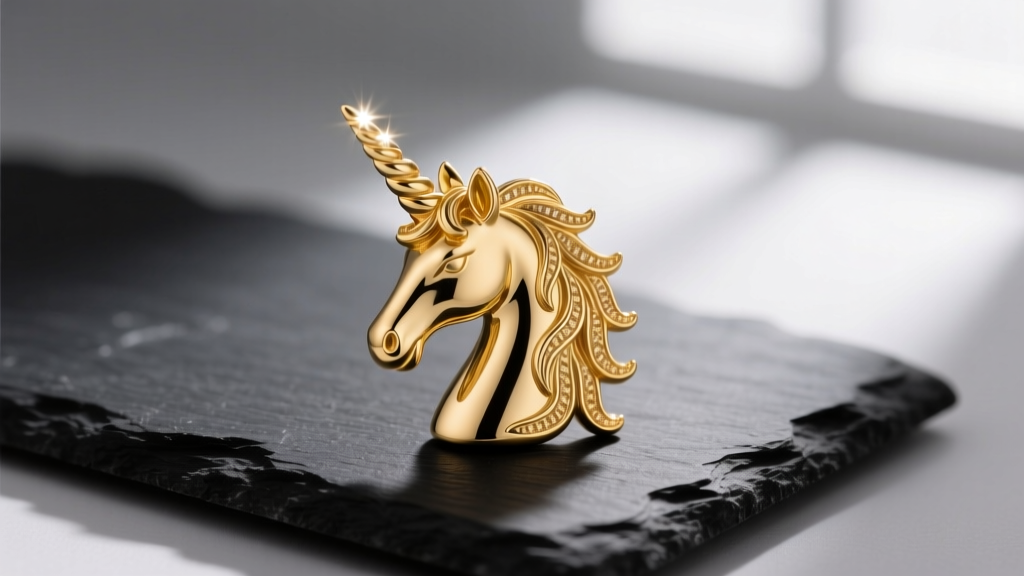
The Anatomy of a Gold Unicorn Pendant
The gold unicorn necklace has evolved from a fleeting novelty trend into a staple of modern mythological jewelry. However, the intricate anatomy of a unicorn—specifically the spiraled alicorn (horn), flowing mane, and tapered snout—demands precise metallurgical choices. A poorly chosen alloy or thin plating will result in lost details, bent horns, and rapid tarnishing. In 2026, as consumers demand higher transparency in jewelry manufacturing, understanding the material properties of your pendant is no longer optional; it is essential for protecting your investment.
Most high-end unicorn pendants are created via lost-wax casting. A master model is 3D printed in high-resolution castable resin, encased in investment plaster, and burned out. When molten gold is poured into the cavity, its fluidity and cooling rate dictate how well it captures the spiraled ridges of the horn. The alloy composition directly impacts this fluidity, making the choice of metal a critical factor in the final aesthetic and structural integrity of the piece.
Solid Gold: 14K vs. 18K Metallurgical Breakdown
When investing in a solid gold unicorn necklace, you are primarily choosing between 14-karat and 18-karat alloys. According to the Gemological Institute of America (GIA), the karatage dictates the ratio of pure gold to alloy metals like copper, silver, and zinc, which fundamentally alters the metal's physical properties.
18K Gold (75% Pure)
18K gold offers a richer, deeper yellow hue and is highly resistant to tarnish due to its high pure gold content. However, it is a relatively soft metal, registering between 90 and 110 on the Vickers hardness scale (HV). For a unicorn pendant with a long, protruding horn, 18K gold is more susceptible to bending or snapping upon impact.
14K Gold (58.5% Pure)
14K gold is alloyed with a higher percentage of copper and silver, increasing its hardness to approximately 120-140 HV. This makes 14K gold structurally superior for intricate pendants with fragile extremities. The added copper also improves the molten metal's flow during casting, ensuring that the finest details of the unicorn's mane are sharply defined rather than rounded or blurred.
Gold Vermeil vs. Standard Plating: The 2026 Standards
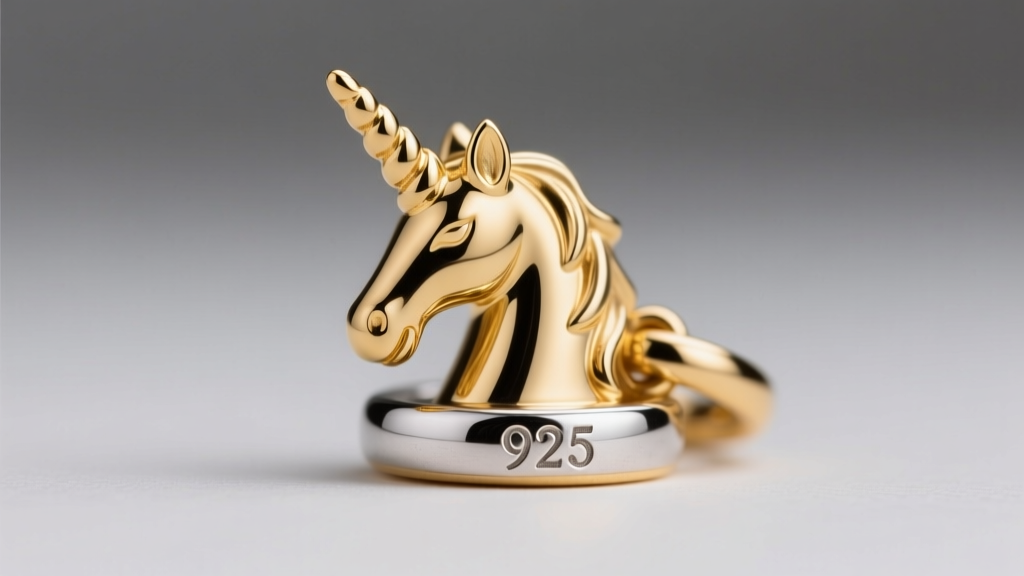
If solid gold is outside your budget, gold vermeil is the only acceptable alternative for high-detail mythological pendants. The Federal Trade Commission (FTC) strictly mandates that gold vermeil must consist of a sterling silver (925) base coated with at least 2.5 microns of 10K or higher gold.
In 2026, premium jewelers are pushing this standard to 3.0 or even 4.0 microns for high-wear items. Because a unicorn pendant often rests against the sternum and is subject to friction from clothing, a thicker micron count ensures the intricate facial features do not wear down to the base metal within a year. Standard gold-plated jewelry, which typically uses a brass or copper base with a flash plating of less than 0.5 microns, should be avoided. Once the plating wears off the brass base, the copper reacts with skin acids, causing discoloration and potential contact dermatitis.
Alternative Alloys: Rose and White Gold Properties
The color of the gold drastically changes the visual weight of the unicorn motif. Rose gold and white gold introduce different alloy metals that affect both durability and skin sensitivity.
- Rose Gold: Achieved by increasing the copper content (often up to 22.25% in 18K rose gold). While it provides a beautiful warm contrast, individuals with high skin acidity may notice the copper oxidizing slightly over time, requiring more frequent polishing.
- White Gold: Traditionally alloyed with nickel to achieve a silver color, then plated with rhodium. Due to rising nickel allergy awareness, top-tier 2026 collections are shifting to palladium-alloyed white gold. Palladium is hypoallergenic and provides a naturally whiter base, reducing the frequency of required rhodium re-plating.
2026 Material Comparison Matrix
| Material Type | Base Metal | Gold Thickness / Purity | Durability & Detail Retention | Estimated Price Range (2026) |
|---|---|---|---|---|
| 14K Solid Gold | N/A (Homogeneous) | 58.5% Pure Gold | Excellent; highest structural integrity for thin horns | $350 - $800 |
| 18K Solid Gold | N/A (Homogeneous) | 75.0% Pure Gold | Good; superior color, but prone to bending on impact | $500 - $1,200 |
| Gold Vermeil | 925 Sterling Silver | 2.5 - 4.0 Microns | Very Good; excellent detail, requires gentle care | $85 - $180 |
| Gold-Filled | Jeweler's Brass | 1/20th Weight (5%) | Poor for pendants; limits intricate 3D casting capabilities | $40 - $90 |
| Flash Plated | Brass or Zinc Alloy | < 0.5 Microns | Extremely Poor; detail loss and tarnishing within months | $15 - $35 |
Chain Gauge and Hardware Considerations
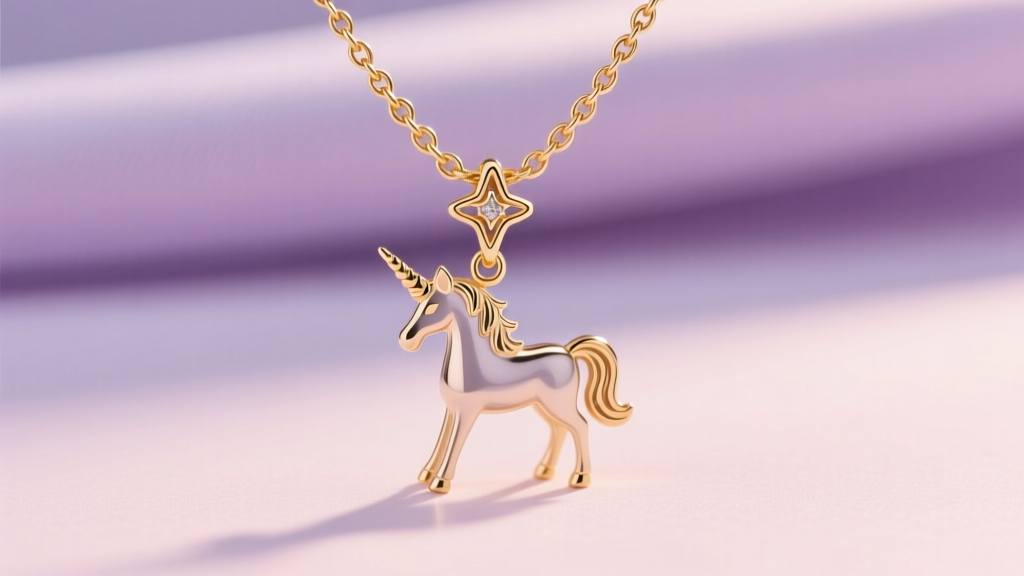
A meticulously cast solid gold unicorn pendant typically weighs between 4 and 8 grams. Suspending this weight requires careful attention to chain gauge and bail hardware. A hollow chain or a delicate 0.8mm thread chain will quickly warp or snap under the pendant's dynamic movement.
For optimal support, select a 1.2mm to 1.5mm solid cable or curb chain. The bail—the loop connecting the pendant to the chain—must have an inner diameter of at least 2.5mm to accommodate the chain without causing friction wear. Inspect the bail for a seamless solder joint; open-loop bails will eventually pull apart under the weight of a solid gold pendant.
Hallmarks and Authenticity Verification
When purchasing a gold unicorn necklace, always verify the hallmarks stamped on the back of the pendant or the inside of the bail. In the United States, you will typically see 14K or 18K. In European markets, look for the millesimal fineness stamps: 585 for 14K gold and 750 for 18K gold. For vermeil pieces, the 925 stamp must be visible on the base metal, often accompanied by a maker's mark. According to the World Gold Council, the presence of a registered maker's mark alongside the purity stamp is a strong indicator of a reputable manufacturer who stands behind their alloy compositions.
Care, Tarnish Prevention, and Polishing
Master Jeweler's Warning: Never place a detailed unicorn pendant in an ultrasonic cleaner. The high-frequency vibrations can easily snap the delicate tip of the alicorn or loosen micro-pavé gemstones often used for the unicorn's eyes. Furthermore, rotary tumblers with steel shot will blur the fine lines of the mane and facial features.
To maintain the sharp relief of the casting, clean your necklace using a few drops of mild, phosphate-free dish soap in lukewarm water. Use a soft baby toothbrush to gently agitate the crevices of the mane and the spirals of the horn. Rinse thoroughly and pat dry with a lint-free microfiber cloth. For solid gold pieces, a final pass with a treated rouge cloth will restore the high-polish finish without removing microscopic layers of metal.
Final Verdict: Investing in the Right Alloy
Choosing the right gold unicorn necklace requires looking past the surface shine and evaluating the structural realities of the design. For heirloom-quality pieces meant to withstand daily wear, 14K solid gold remains the undisputed champion, offering the perfect balance of rich color and Vickers hardness necessary to protect intricate protrusions. If budget constraints dictate a plated option, strictly adhere to FTC vermeil standards, ensuring a sterling silver base and a minimum of 2.5 microns of gold. By prioritizing metallurgical integrity over fast-fashion plating, you ensure your mythological pendant remains as sharp and captivating as the day it was cast.


