Choosing the Right Gold Urn Necklace for Ashes: A Material Guide
Compare 10k, 14k, and 18k gold for your urn necklace. Learn how karat weight affects durability, sealing, and long-term ash preservation.

The Engineering of Remembrance: Why Gold Karat Matters
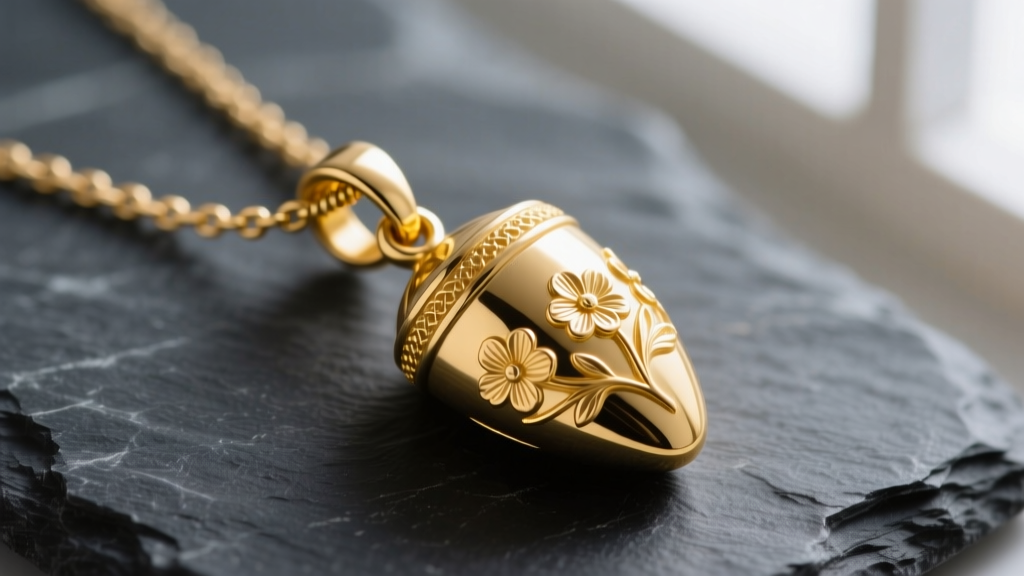
Cremation jewelry represents a profound intersection of emotional remembrance and precision micro-engineering. When selecting a gold urn necklace for ashes, the aesthetic appeal and sentimental value are only half the equation. The physical and metallurgical properties of the gold alloy dictate the pendant's structural integrity, thread longevity, and sealing reliability. Unlike standard decorative pendants that remain static, an urn pendant is a dynamic vessel. It requires a threaded bail, a screw-in base plug, or a secure gasket system to access the interior chamber. This mechanical necessity means the gold must be hard enough to hold precisely machined micro-threads without stripping, yet malleable enough to form a tight, moisture-proof seal. Understanding these material properties is critical for ensuring your loved one's ashes remain safe, secure, and undisturbed for generations.
Solid Gold Alloys: 10k vs. 14k vs. 18k for Ash Preservation
Pure gold (24k) is far too soft for mechanical applications; its Vickers hardness is roughly 25 HV, meaning threads would deform and strip after just two or three openings. Therefore, all functional gold urn necklaces are crafted from gold alloys, mixed with metals like copper, silver, and zinc to increase tensile strength. According to the Gemological Institute of America (GIA), the karat weight directly determines the alloy's hardness and suitability for cremation jewelry.
10k Gold: Maximum Durability, Minimum Purity
Comprising 41.7% pure gold, 10k gold is the hardest alloy commonly used in jewelry, boasting a Vickers hardness of approximately 140-150 HV. For an urn necklace, this extreme durability means the internal M3 or M4 micro-threads are highly resistant to cross-threading and stripping, even with frequent opening and closing. However, the higher copper and zinc content gives 10k gold a slightly paler yellow hue and, in rare cases, can cause skin reactivity for individuals with severe metal sensitivities. It is an excellent choice for heavy, active wearers who prioritize structural security over premium luster.
14k Gold: The Industry Standard for Cremation Pendants
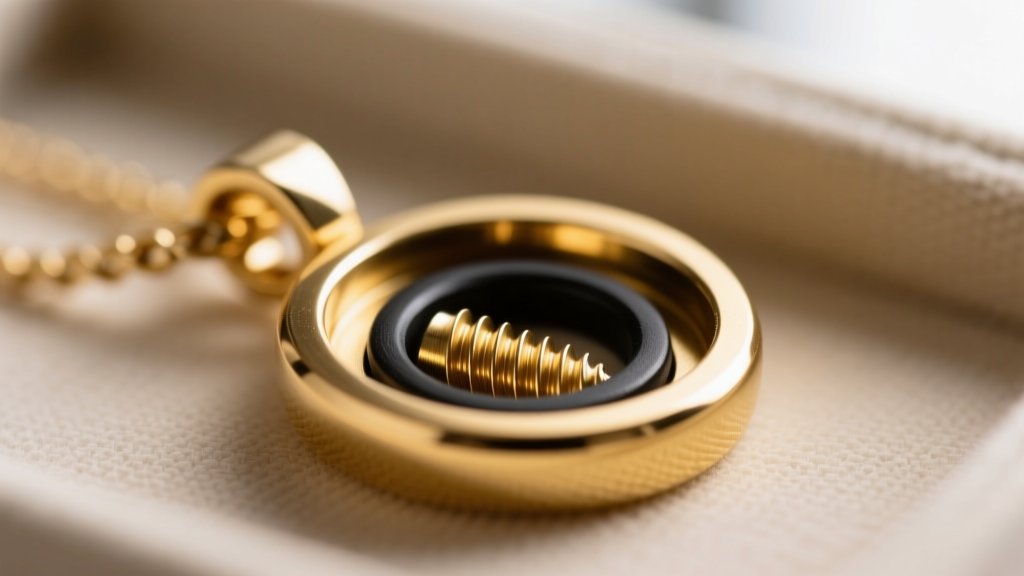
At 58.3% pure gold, 14k gold (often stamped as 585) is the undisputed industry standard for high-quality cremation jewelry. With a Vickers hardness of around 120-125 HV, it offers the perfect mechanical compromise. It is hard enough to maintain crisp, durable threading for the screw-top bail, yet retains the rich, warm luster and hypoallergenic properties associated with fine jewelry. Most premium solid gold urn necklaces are cast in 14k because it bonds reliably with jewelry adhesives and withstands the torque required to compress internal rubber O-rings.
18k Gold: Luxury with Structural Compromises
Containing 75% pure gold, 18k gold (stamped 750) offers a deeply saturated, luxurious color and exceptional hypoallergenic safety. However, its Vickers hardness drops to roughly 90-100 HV. While suitable for a permanently sealed urn pendant, 18k gold threads are vulnerable to stripping if the user over-tightens the bail or forces a cross-threaded plug. If you choose an 18k gold urn necklace for ashes, it is highly recommended to use a non-permanent seal like PTFE (Teflon) tape rather than relying on brute force to tighten the threads.
Gold Alternatives: Why Plated and Filled Urns Fail
When shopping for a gold urn necklace for ashes, you will encounter significantly cheaper options labeled as gold-plated, gold-filled, or vermeil (gold over sterling silver). From a material science perspective, these are fundamentally unsuited for permanent ash preservation. Base metals like brass or copper, which form the core of plated urns, are highly susceptible to oxidation and galvanic corrosion. Over time, moisture from the air or skin can penetrate microscopic pores in the plating, causing the core metal to degrade. This corrosion compromises the structural integrity of the threads and can introduce moisture into the ash chamber, ruining the cremains. Furthermore, cyanoacrylate adhesives and UV resins do not bond reliably to porous gold plating. For a vessel meant to last a lifetime, solid gold is the only chemically stable option.
Material Comparison Chart: Gold Karats for Urn Necklaces
| Gold Karat | Purity % | Vickers Hardness (HV) | Thread Durability | Avg. Price Range (3g-6g) | Best Use Case |
|---|---|---|---|---|---|
| 10k Solid | 41.7% | ~140-150 | Excellent | $250 - $450 | Active wear, frequent access |
| 14k Solid | 58.3% | ~120-125 | Very Good | $450 - $900 | Lifetime wear, optimal balance |
| 18k Solid | 75.0% | ~90-100 | Fair (Handle with care) | $800 - $1,500+ | Sensitive skin, permanent seal |
| 24k Solid | 99.9% | ~25-30 | Poor (Do not use) | N/A | Not suitable for threaded urns |
The Mechanics of Sealing: Adhesives and Gold Alloys
Securing the ashes inside the pendant requires a reliable seal. Jewelers typically use cyanoacrylate (CA) glue, UV-curing resins, or mechanical O-rings. Gold is a noble, inert metal, which makes it naturally resistant to chemical bonding. To ensure a permanent adhesive seal on a 14k or 18k gold urn necklace, the internal threads must be lightly scuffed with a 600-grit abrasive pad to create a microscopic mechanical tooth. Once scuffed and cleaned with isopropyl alcohol, a jeweler-grade UV resin can be applied and cured with a 365nm UV light, creating a moisture-proof barrier that will not degrade over time. For those who may need to access the ashes in the future, wrapping the male threads with a single layer of PTFE plumber's tape provides a secure, water-resistant friction seal without permanent adhesives.
Sizing, Bails, and Chain Pairing for Heavy Gold Urns
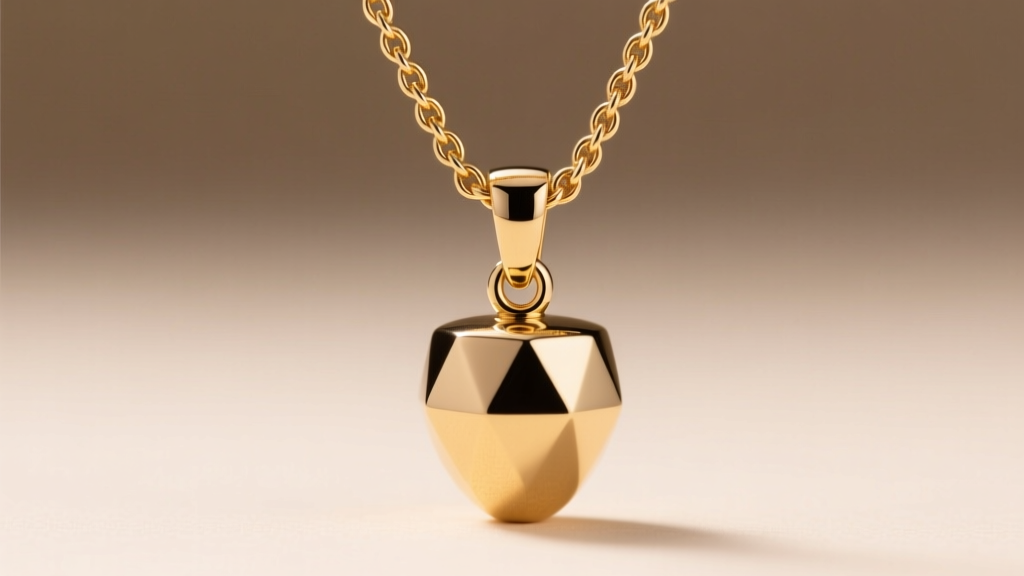
A common failure point in cremation jewelry is the chain. Solid gold is exceptionally dense; a modestly sized 14k gold urn pendant (roughly 1.5 cubic centimeters) will weigh between 5 and 9 grams. Standard 0.8mm or 1.0mm fashion chains will quickly suffer from link fatigue, particularly at the clasp and the bail jump ring, leading to catastrophic failure and the loss of the pendant. To properly support a solid gold urn necklace for ashes, you must pair it with a chain that matches its mass. We recommend a minimum gauge of 1.2mm to 1.5mm in a structurally interlocking style, such as a rope, box, or wheat chain. These styles distribute the pendant's weight evenly across multiple links, preventing localized stress and ensuring the urn remains safely around your neck.
Hallmarking and Authenticity Verification
Because of the high cost of solid gold, the market is unfortunately flooded with misrepresented cremation pendants. According to Jewelers of America, all solid gold jewelry sold in the US must be accurately hallmarked. When inspecting a gold urn necklace, look for the karat stamp (e.g., 14K, 14KT, or 585) located on the exterior base of the plug or the side of the bail. If the pendant is entirely unmarked, or stamped with vague terms like 'gold-clad,' 'HGE' (Heavy Gold Electroplate), or 'gold shell,' it is not solid gold and should not be trusted for long-term ash preservation. Always request a certificate of authenticity or a metallurgical assay report from the retailer for high-ticket solid gold urn pieces.
Troubleshooting Common Urn Necklace Failures
- Bail Won't Unscrew: Never use excessive force, which can snap the bail. Apply a micro-drop of penetrating oil to the seam, let it sit for 15 minutes, and use rubber-tipped jewelry pliers for grip.
- Ashes Leaking or Moisture Ingress: Clean the threads thoroughly with 99% isopropyl alcohol. Apply a fresh layer of jeweler's UV resin to the male threads, reassemble, and cure under a 365nm UV lamp for 60 seconds.
- Chain Kinking or Snapping: Immediately remove the pendant. Upgrade to a 1.5mm solid 14k wheat chain, and ensure the jump ring connecting the bail to the chain is soldered shut.
Final Verdict: Selecting Your Gold Urn Necklace
Choosing the right gold urn necklace for ashes requires looking past the surface shine and evaluating the metallurgical reality of the piece. For the vast majority of buyers, a 14k solid gold urn pendant offers the perfect synthesis of rich color, skin-safe properties, and the mechanical hardness required to maintain secure threading over decades of wear. By pairing your 14k or 10k urn with a heavy-gauge chain and utilizing proper sealing techniques, you ensure that your wearable memorial remains a safe, beautiful, and enduring tribute.
Expert Maintenance Tip: Even with a permanent adhesive seal, inspect the bail and chain jump rings of your solid gold urn necklace every six months. Have a professional jeweler check the structural integrity of the solder joints to prevent accidental loss.


