The Ultimate Buying Guide to Choosing a Beaded Tassel Necklace
Discover what to look for when buying a beaded tassel necklace. Learn about bead grades, tassel materials, hardware durability, and pricing.

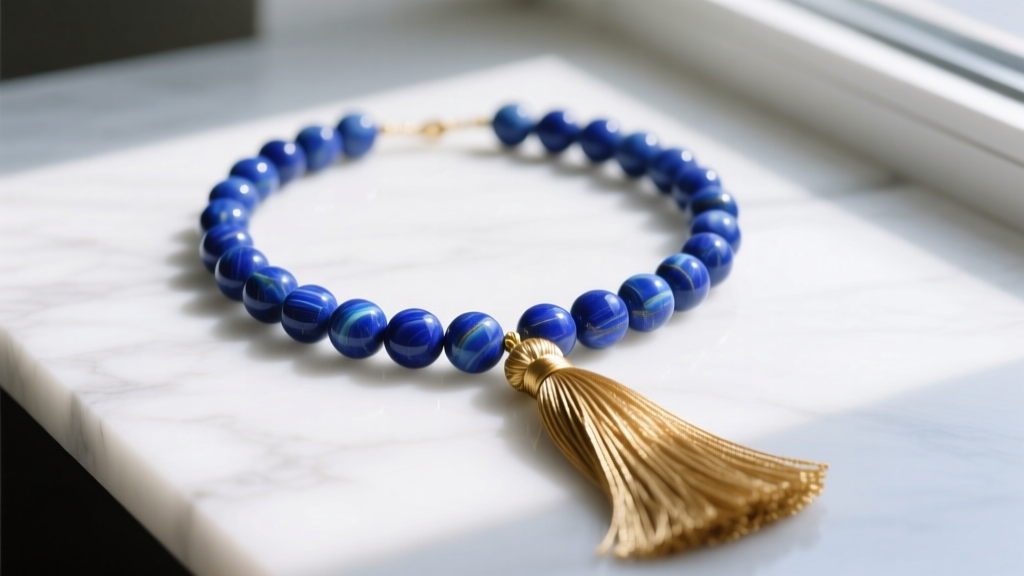
The beaded tassel necklace is a masterclass in kinetic jewelry design. It combines the structured elegance of a beaded strand with the fluid, dynamic movement of a tassel drop. However, the market is saturated with poorly constructed pieces that suffer from snapped wires, fraying threads, and misshapen tassels after just a few wears. As we navigate the 2026 jewelry landscape, consumers are increasingly prioritizing artisanal craftsmanship and material longevity over fast-fashion novelty. Whether you are eyeing a heavy gemstone piece for evening wear or a lightweight glass option for daily layering, understanding the structural anatomy of a beaded tassel necklace is critical. This comprehensive buying guide will equip you with the exact specifications, material grades, and hardware benchmarks needed to make an informed, lasting investment.
The Anatomy of a High-Quality Beaded Tassel Necklace
A well-crafted beaded tassel necklace relies on three distinct structural zones: the primary bead strand, the transitional hardware (often a bead cone or tassel cap), and the tassel drop itself. The failure of the necklace almost always occurs at the transition point where the rigid beaded strand meets the flexible tassel. In inferior pieces, the stringing material is simply tied off and glued inside a cap. In high-end artisan pieces, the stringing wire is looped through a heavy-duty jump ring, crimped, and then the tassel is mechanically bound or secured with a two-part jeweler's epoxy. When inspecting a piece, always look for a metal tassel cap or bead cone that completely hides the knot or crimp, ensuring the stringing material is protected from skin oils and friction.
Bead Materials: Gemstone vs. Glass vs. Acrylic
The beads dictate the necklace's weight, drape, and price point. More importantly, the Mohs hardness scale of the bead material determines how well it will resist scratching and chipping against the tassel cap. According to the Gemological Institute of America (GIA), natural gemstones vary wildly in hardness, which directly impacts their durability in high-friction zones like the bottom of a necklace strand.
Evaluating Drill Hole Quality
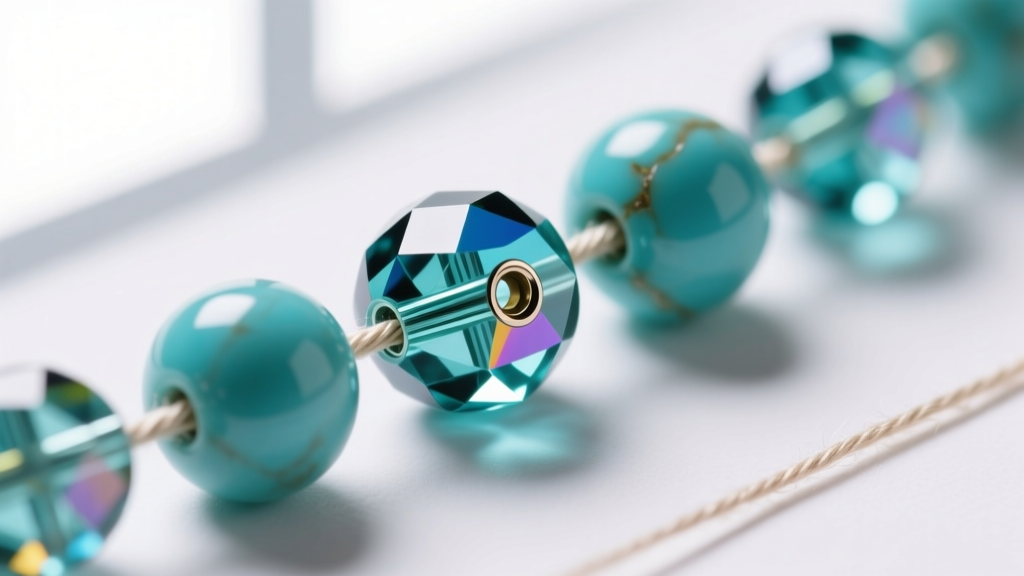
Regardless of the material, the drill hole is the ultimate tell of quality. High-grade beads feature laser-drilled, perfectly centered holes with smooth, polished edges. Lower-tier beads often have off-center, cone-shaped holes with jagged edges that act like tiny saw blades, slowly cutting through the stringing wire over time. Standard bead hole sizes range from 0.8mm to 1.0mm. If you are buying a piece with large 10mm+ stone beads, ensure the holes are at least 1.2mm to accommodate a heavier gauge stringing wire without creating excessive friction.
| Material | Mohs Hardness | Weight & Drape | Price Range | Best Use Case |
|---|---|---|---|---|
| Natural Gemstone (e.g., Quartz, Agate) | 6.5 - 7.0 | Heavy, structured | $85 - $350+ | Heirloom pieces, formal evening wear |
| Czech or Murano Glass | 5.5 - 6.0 | Medium, fluid | $40 - $150 | Everyday wear, vibrant color layering |
| Acrylic / Resin | 3.0 | Lightweight, bouncy | $15 - $50 | Statement festival wear, seasonal trends |
Tassel Construction: Thread Types and Cap Security
The tassel is the focal point of the necklace, and its material drastically alters the piece's maintenance requirements and aesthetic. There are three primary thread types used in modern tassel jewelry:
- Mulberry Silk: The gold standard for luxury tassels. Silk offers an unparalleled luminous sheen and fluid movement. However, it is highly susceptible to water damage, perfume stains, and tangling. Silk tassels must be stored hanging or laid perfectly flat.
- Mercerized Cotton: Offers a matte finish and exceptional durability. Cotton tassels can be gently hand-washed and are highly resistant to tangling, making them ideal for heavy, everyday gemstone beaded tassel necklaces.
- Metallic Thread (Lurex/Polyester Blend): Provides a stiff, glittering structure. While visually striking, metallic threads can easily catch on knitwear and lace. Avoid metallic tassels if you plan to wear the necklace over textured winter fabrics.
The Adhesive Factor: How is the thread bound to the cap? Mass-market pieces often use cyanoacrylate (super glue), which becomes brittle over time and shatters when the tassel is bumped. Artisan jewelers use flexible, two-part epoxies like E6000 or G-S Hypo Cement, which maintain a flexible bond that moves with the tassel rather than cracking under stress.
Hardware and Stringing: The Hidden Failure Points
The stringing material is the backbone of any beaded necklace. For a beaded tassel necklace, the tension at the bottom of the U-curve is immense, especially when leaning forward. Traditional nylon or silk threads are entirely inappropriate for heavy gemstone beads; they stretch, degrade from skin acidity, and eventually snap.
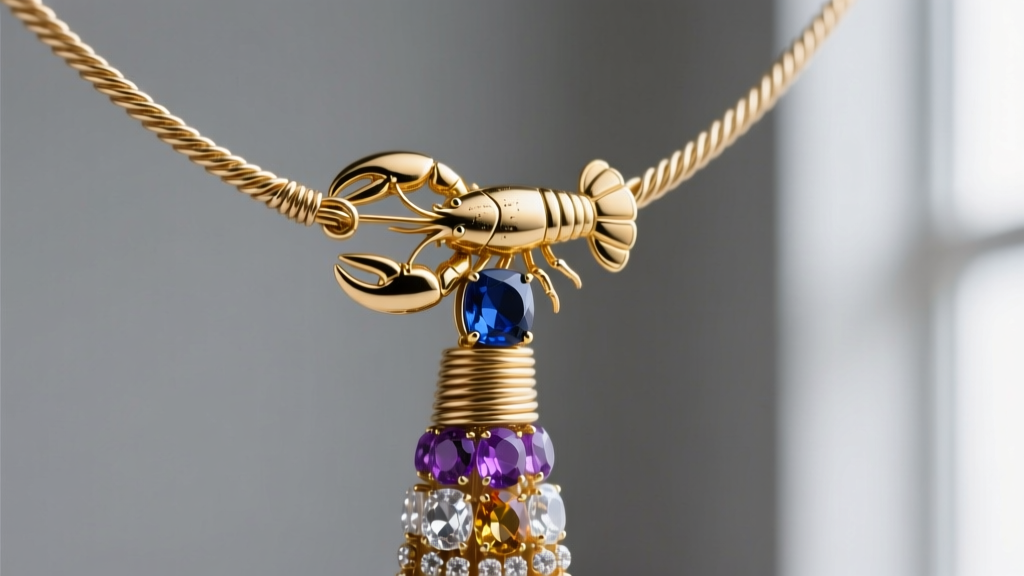
The industry standard for high-quality beaded jewelry is multi-strand stainless steel wire coated in nylon, commonly known by the brand name SoftFlex. According to Soft Flex Company's wire guide, a 49-strand wire with a 0.019-inch diameter provides the perfect balance of flexibility and tensile strength for 6mm to 8mm glass and semi-precious stone beads. If the necklace features heavy 10mm+ jasper or agate beads, the designer must upgrade to a 0.024-inch diameter wire to prevent kinking and structural failure.
Furthermore, inspect the crimp beads. These tiny metal tubes secure the wire to the clasp and tassel cap. High-end pieces use sterling silver or 14k gold-filled crimp beads that compress cleanly. Base metal crimp beads tend to split or crumble when squeezed with crimping pliers, leading to catastrophic wire slippage.
Sizing, Proportions, and Neckline Pairing
When buying a beaded tassel necklace, you must calculate the total drop length, not just the bead strand length. A standard 18-inch princess-length bead strand paired with a 4-inch tassel results in a 22-inch total drop, pushing the piece into the matinee category. This longer drop will rest on the lower sternum, making it ideal for V-neck blouses, wrap dresses, and deep scoop necklines. If you intend to wear the necklace with high-necked blouses or crew necks, look for a shorter 16-inch bead strand with a compact 2-inch tassel to keep the focal point resting on the collarbone.
Pricing Tiers: What Should You Actually Pay?
Understanding the cost breakdown prevents overpaying for poorly constructed pieces. In the 2026 market, pricing generally falls into three distinct tiers:
Fast Fashion ($15 - $35): Acrylic or dyed howlite beads strung on nylon thread, secured with base-metal caps and super glue. Expect a lifespan of 6 to 12 months with regular wear.
Artisan / Small Batch ($60 - $180): Genuine Czech glass or stabilized turquoise, strung on 49-strand coated steel wire, finished with 14k gold-filled hardware and silk or cotton tassels. This is the sweet spot for quality and design.
Fine Jewelry ($250 - $800+): Precious gemstone beads (e.g., emerald, sapphire, high-grade lapis), solid 14k or 18k gold hardware, and hand-knotted silk between each bead to prevent total loss if the wire fails.
Care and Maintenance to Prevent Tassel Fraying
To maximize the lifespan of your beaded tassel necklace, proper storage is non-negotiable. Never toss the necklace into a jewelry box where the tassel can be crushed; this will permanently kink silk and metallic threads. Instead, hang the necklace on a padded hook. If a silk or cotton tassel becomes wrinkled, do not iron it. Use a handheld garment steamer held six inches away from the threads, gently brushing the tassel downward with your fingers as the steam relaxes the fibers. Finally, always remove the necklace before applying lotions or perfumes, as the alcohol and oils will rapidly degrade the tassel cap adhesive and dull the polish of porous gemstone beads like turquoise and opal.


