2026 Gift Guide: Choosing the Perfect Golden Heart Necklace
Discover the ultimate 2026 gift guide for the golden heart necklace. Learn about karat weights, chain gauges, and occasion matching for the perfect gift.

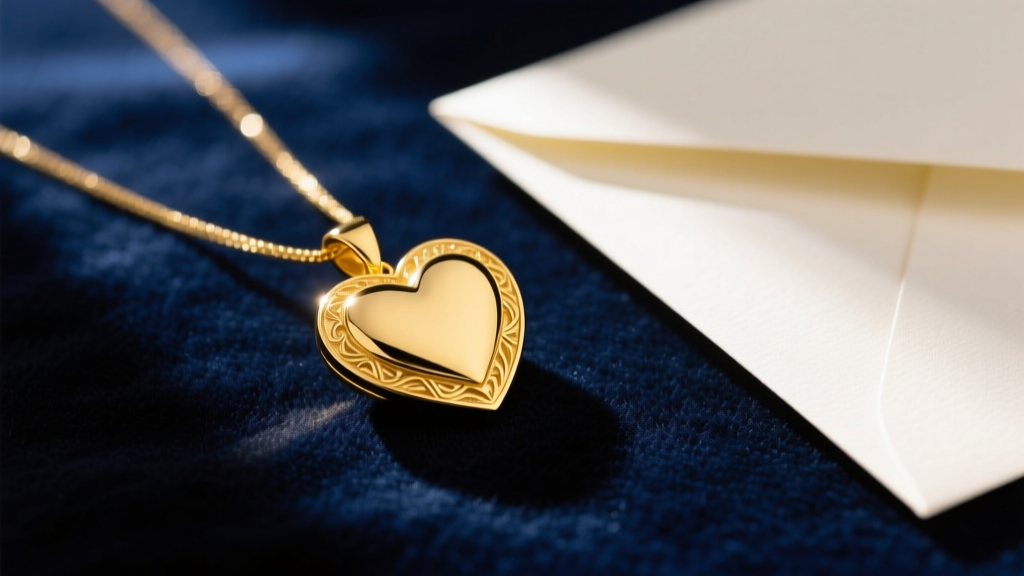
Gifting jewelry is an exercise in emotional translation, and few motifs communicate affection as universally as the heart. However, the modern jewelry market has evolved far beyond the generic, mass-produced pendants of the past. In 2026, gifting a golden heart necklace requires a nuanced understanding of metallurgy, chain mechanics, and contemporary silhouette trends. Whether you are marking a milestone anniversary, a graduation, or a significant birthday, selecting the right piece means balancing aesthetic beauty with structural longevity. This comprehensive guide will walk you through the exact specifications, material grades, and styling frameworks needed to choose a golden heart necklace that will be cherished for decades.
Decoding Gold Purity: What Karat is Best for Daily Wear?
The foundation of any fine jewelry gift is its metal purity. According to the Gemological Institute of America (GIA), pure 24-karat gold is too soft for daily-wear pendants, as it will easily warp and scratch. Therefore, gold is alloyed with metals like copper, silver, and zinc to increase durability and alter color. Understanding these karat designations is critical when matching the necklace to the recipient's lifestyle.
14K Gold: The Everyday Workhorse
Comprising 58.5% pure gold, 14K gold is the undisputed champion of daily wear. It offers a warm, buttery yellow hue while maintaining enough structural integrity to resist denting if the pendant is accidentally knocked against a hard surface. Pricing Range: $150 to $350 for a solid, small-to-medium heart pendant. This is the ideal choice for graduates, young professionals, or anyone with an active lifestyle who refuses to take their jewelry off at the gym.
18K Gold: The Luxury Standard
With 75% pure gold content, 18K gold boasts a significantly richer, deeper yellow color and is highly hypoallergenic. However, it is notably softer than 14K. An 18K golden heart necklace is a superlative gift for milestones like a 10th anniversary or a major promotion, where the piece might be worn primarily in professional or evening settings rather than during manual tasks. Pricing Range: $350 to $800+ depending on weight and diamond accents.
Expert Insight: If the recipient has a known nickel allergy, always opt for 18K gold or ensure the 14K piece is explicitly certified nickel-free, as some lower-grade white and yellow gold alloys use nickel as a hardening agent.
Matching the Golden Heart Necklace to the Occasion
The sentiment behind the gift should dictate the design of the pendant. A minimalist outline speaks to a different aesthetic than a heavy, vintage-inspired locket. Use this matrix to align your purchase with the specific occasion.
| Occasion | Ideal Heart Style | Chain Recommendation | Estimated Budget |
|---|---|---|---|
| Anniversary / Romance | 18K solid heart with micro-pave diamond bezel | 1.0mm Box Chain (18 inches) | $600 - $1,200 |
| Graduation / Milestone | 14K minimalist open-heart outline | 1.2mm Cable Chain (16-18 inches) | $180 - $300 |
| Mother's Day | Interlocking hearts or birthstone-inlaid locket | 1.5mm Rope Chain (20 inches) | $250 - $500 |
| Valentine's Day | Hammered or textured asymmetrical heart | 1.2mm Paperclip Chain (16 inches) | $200 - $450 |
Chain Mechanics: Gauge, Bail, and Clasp Failures
A common mistake gift-givers make is selecting a beautiful pendant and pairing it with an inadequate chain. The structural relationship between the pendant's bail (the loop it hangs from), the chain gauge, and the clasp is vital for preventing loss.
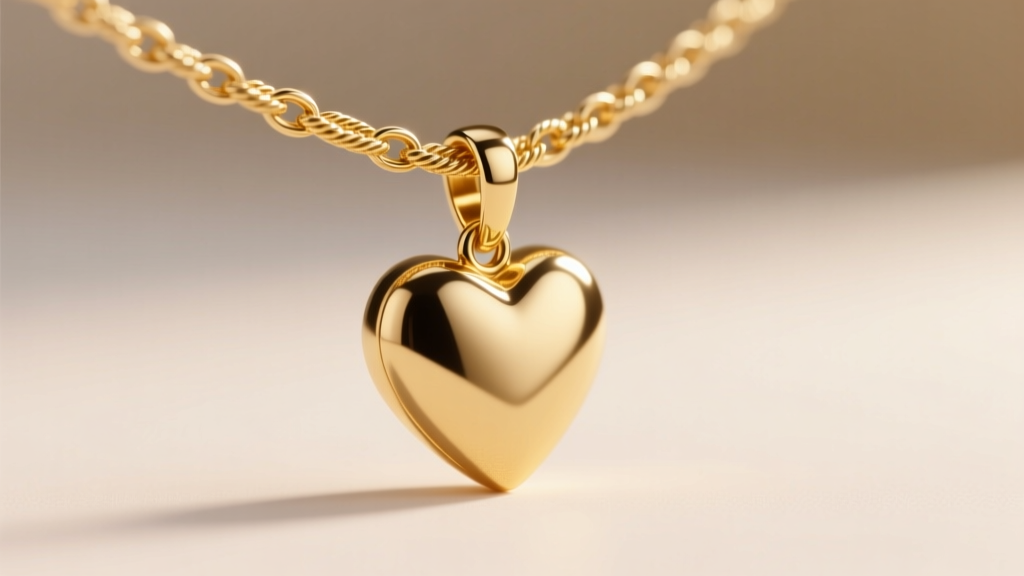
Gauge and Weight Distribution
Chain gauge refers to the thickness of the wire. A delicate 0.8mm chain is visually elegant but structurally compromised; it will snap under the pendulum motion of a solid gold heart weighing more than 2 grams.
- 0.8mm - 1.0mm: Only suitable for lightweight, hollow, or thin open-outline hearts (under 1.5g).
- 1.2mm - 1.5mm: The sweet spot for standard solid gold hearts (2g to 5g). Box and rope chains in this gauge offer excellent tensile strength.
- 1.8mm+: Reserved for heavy lockets or oversized statement hearts (6g+).
The Clasp Conundrum
Never pair a heavy gold pendant with a standard 5mm spring ring clasp. The tension spring inside a small spring ring is notoriously weak and prone to snapping when subjected to the downward pull of a heavy pendant. Instead, look for chains equipped with a 10mm or 12mm lobster clasp. For recipients with dexterity issues or long nails, a magnetic neodymium clasp is a highly practical, modern upgrade that provides a secure lock without the frustration of tiny levers.
2026 Trend Alert: Textured, Asymmetrical, and Mixed-Metal Hearts
If you want your gift to feel distinctly contemporary, look beyond the perfectly symmetrical, high-polish heart. The 2026 jewelry landscape heavily favors organic imperfection and mixed metallurgy. Hammered Finishes: A golden heart necklace with a hand-hammered texture catches the light dynamically, hiding micro-scratches far better than a mirror polish. Asymmetry and Negative Space: Designers are currently utilizing off-center bail placements and irregular heart silhouettes that mimic antique, hand-cut wax molds. Mixed Metals: A 14K yellow gold heart featuring an inlay of 14K white gold or oxidized silver creates a striking, two-tone piece that effortlessly bridges the gap between the wearer's other silver and gold jewelry.
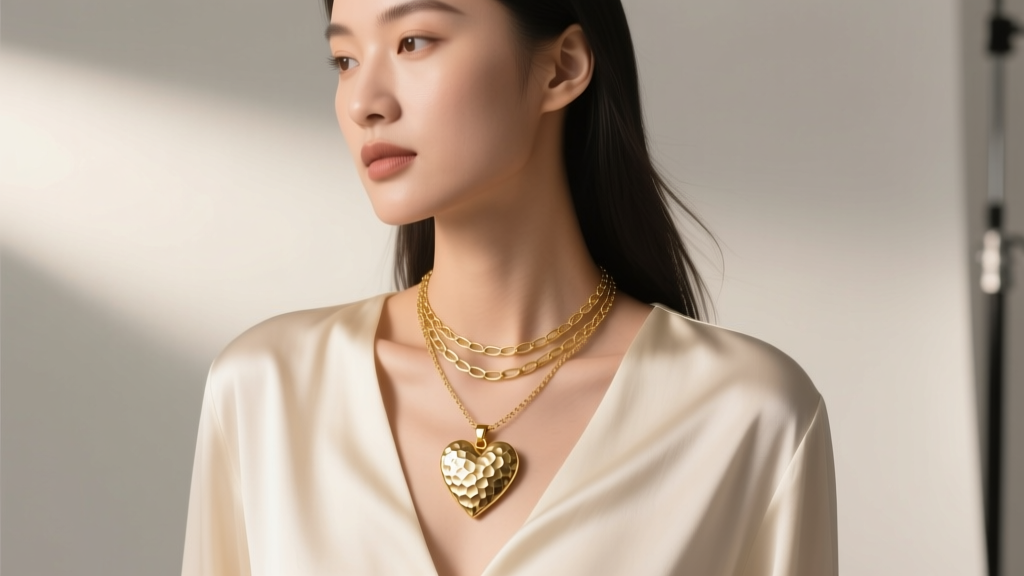
Sizing the Drop: Length and Neckline Pairing
The chain length dictates where the heart rests on the body, which in turn determines how often the piece will be worn. As noted in Blue Nile's educational guides, matching the chain length to the recipient's typical wardrobe is a hallmark of a thoughtful gift.
- 16 Inches (Choker/Collarbone): Rests high on the collarbone. Ideal for crew necks, off-the-shoulder tops, and summer dresses. Best for smaller, delicate hearts.
- 18 Inches (Princess): The most versatile and universally flattering length. The heart will rest just below the collarbone, perfectly framing the face and pairing flawlessly with V-necks, scoop necks, and button-down shirts.
- 20 to 24 Inches (Matinee): Drops to the center of the chest. This length is best suited for heavier, larger hearts or lockets, and is often worn over high-neck sweaters, turtlenecks, or as part of a bohemian layered stack.
Expert Care Tips to Maintain the Golden Luster
To ensure your gift remains pristine, include a brief care note. Gold alloys, particularly those with higher copper content (like rose gold or certain yellow gold mixes), can tarnish slightly when exposed to sulfur, lotions, and chlorine. Advise the recipient to remove the necklace before swimming in chlorinated pools, as chlorine can chemically react with the alloys, causing microscopic stress fractures in the chain links over time. For routine cleaning, a simple soak in warm water with a few drops of mild, phosphate-free dish soap, followed by a gentle brushing with a baby-soft toothbrush, will restore the golden heart's brilliance without the need for harsh chemical dips.
By paying close attention to karat purity, chain mechanics, and modern design trends, your golden heart necklace will transcend being a mere accessory and become a deeply personal, structurally sound heirloom that the recipient will proudly wear every day.


