Graduation Necklace with Candy: 2026 Budget & Value Guide
Assessing the true value of a graduation necklace with candy charms or candy-colored gems. Compare materials, pricing, and longevity for 2026 grads.


The "Candy" Conundrum: Charms vs. Candy-Colored Gems
When shoppers search for a graduation necklace with candy motifs, they are generally navigating two distinct jewelry categories. The first involves literal candy-shaped charms—think enameled gummy bears, candy hearts, or lollipops—symbolizing the "sweet" success of earning a diploma. The second category features "candy-colored" gemstones, such as pastel sapphires, mint tourmalines, and vibrant spinels, representing a bright, multifaceted future. As a domain expert evaluating jewelry investments, I approach both categories through a strict lens of material integrity, manufacturing quality, and long-term value. A graduation gift should ideally last well beyond the ceremony, yet the market is flooded with overpriced, poorly constructed novelty pieces. This guide breaks down exactly what you should pay, what materials to demand, and how to avoid common structural failures in candy-themed and candy-colored graduation necklaces.
Material Breakdown & Value Assessment
The price of a candy-themed pendant or a pastel gemstone necklace can range from $25 to over $1,500. The disparity lies entirely in the base metals, plating thickness, and gemstone origins. Below is a structural value assessment of the most common configurations you will encounter in the 2026 market.
| Material Configuration | Construction Method | Avg. Price Range | Value Rating | Longevity |
|---|---|---|---|---|
| Brass Base + Epoxy Resin | Die-cast, hand-painted | $25 - $45 | Poor | 6-12 Months |
| 925 Sterling Silver + Cold Enamel | Cast, kiln-fired or UV-cured | $60 - $120 | Good | 3-5 Years |
| 14k Gold Vermeil (2.5μm) | Thick electroplating over silver | $130 - $220 | Very Good | 5-10 Years |
| Solid 10k/14k Gold + Lab Sapphires | Cast, bezel or prong set | $350 - $650 | Excellent | Lifetime / Heirloom |
The Enamel Trap: Why Cheap Candy Charms Fail
If your graduation necklace features a candy-shaped charm, the vibrancy of the piece relies entirely on enamel. This is where budget brands cut corners, leading to rapid degradation. Low-tier manufacturers use basic epoxy resin to fill the recessed areas of a cast metal charm. While initially glossy and bright, standard epoxy is highly susceptible to UV degradation and chemical breakdown from skin oils and perfumes. Within six months of daily wear, cheap epoxy will yellow, shrink, and eventually pop out of the metal bezel.
To ensure genuine value, you must look for pieces utilizing vitreous enamel (crushed glass fired at high temperatures, fusing permanently to the metal) or high-grade jeweler's cold enamel (a specialized, UV-inhibited aerospace-grade resin). When evaluating a product description, if the brand simply lists "painted" or "epoxy" without specifying UV-resistance or vitreous firing, keep your wallet closed. A high-quality 925 sterling silver candy heart with vitreous enamel should cost between $80 and $110, offering a permanent, glass-like finish that will not yellow over time.
Vermeil vs. Flash Plating: The Gold Illusion
Many graduates desire the look of gold without the solid gold price tag, making gold-plated candy charms incredibly popular. However, the terminology used by marketers is often deliberately misleading. According to the Federal Trade Commission (FTC) Jewelry Guides, the term "vermeil" is strictly regulated. To be legally sold as vermeil, a piece must have a sterling silver base and be plated with at least 2.5 microns of 10k, 14k, or 18k gold.
Conversely, "gold-plated" or "gold-dipped" items often feature a brass base with a "flash" plating of just 0.1 to 0.5 microns of gold. A flash-plated candy gummy bear necklace might look identical to a vermeil piece in a display case, but the friction of a collarbone will wear through 0.1 microns of gold in a matter of weeks, exposing the brass underneath and causing rapid tarnishing and skin discoloration. Always verify the micron thickness. A genuine 14k vermeil graduation pendant is a phenomenal value proposition, offering the rich luster of solid gold for roughly 20% of the cost, provided the 2.5-micron threshold is met.
Candy-Colored Gems: Natural vs. Lab-Created Value
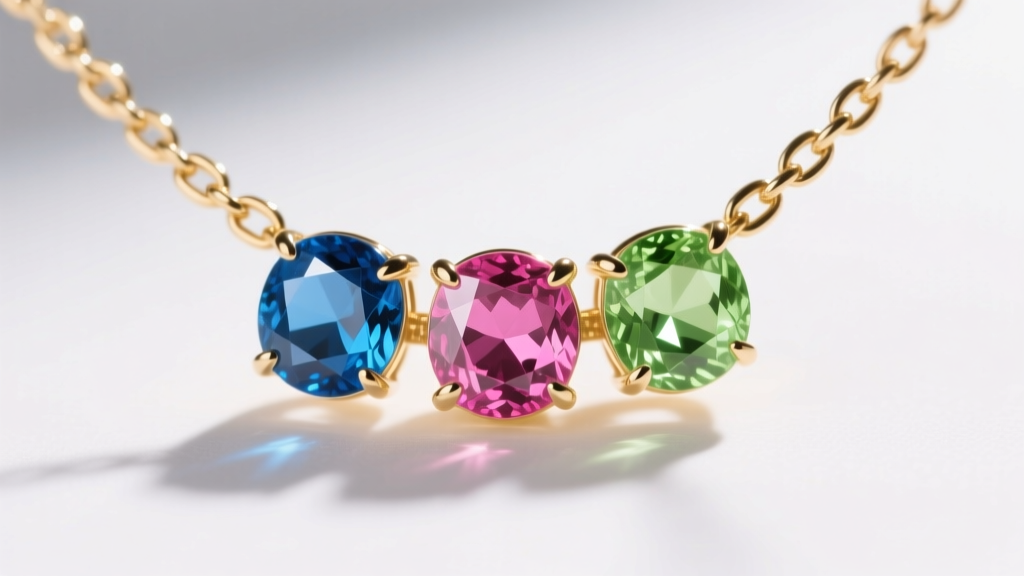
If your interpretation of a candy necklace leans toward gemstones, pastel and vibrant "candy-colored" stones are a massive trend for graduation gifts. Natural pastel sapphires (peach, mint, and soft pink) and vibrant Paraíba tourmalines are exceptionally rare. A natural, untreated 1-carat peach sapphire can easily command $800 to $1,500, making a multi-stone candy-colored pendant prohibitively expensive for most graduation budgets.
The intelligent value play in 2026 is opting for lab-created sapphires and spinels. As detailed by the Gemological Institute of America (GIA), lab-grown sapphires share the exact same chemical, physical, and optical properties as their mined counterparts. Created via the Czochralski or flux-growth methods, these stones offer flawless clarity and saturated "candy" hues at a fraction of the cost—typically $30 to $80 per carat. A solid 10k gold pendant featuring three lab-grown candy-colored sapphires (mint, peach, and lavender) in secure bezel settings can be sourced for $350 to $450. This provides an authentic, durable gemstone heirloom without the inflated scarcity premium of mined stones.
Chain Mechanics: Don't Ruin the Pendant
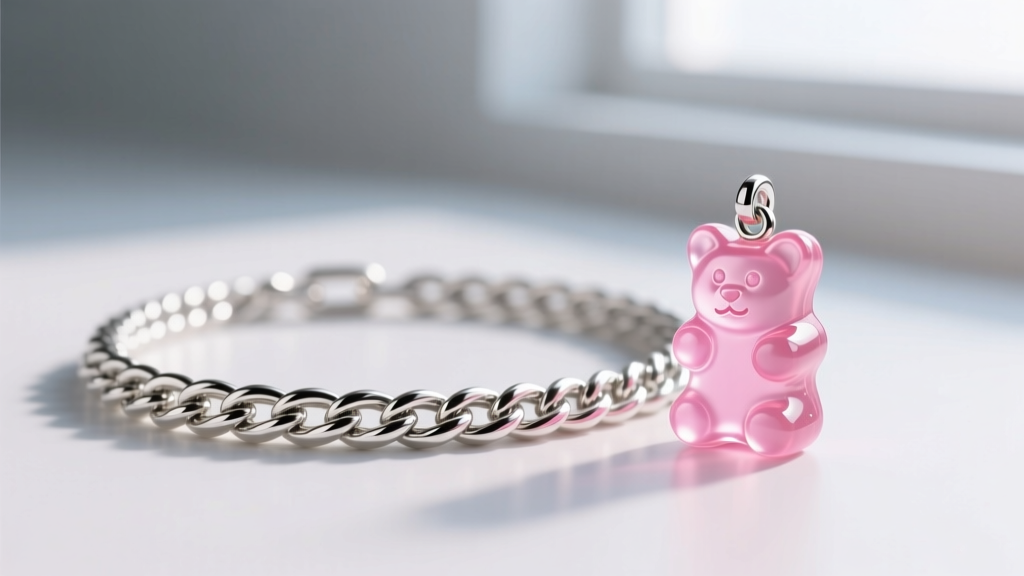
A critical, often overlooked aspect of value assessment is the chain. Candy-shaped charms, particularly those cast in solid 925 sterling silver or featuring thick enamel work, are surprisingly dense. A solid silver gummy bear or a 15mm candy heart pendant typically weighs between 4 and 8 grams. Retailers frequently pair these heavy pendants with delicate 0.5mm or 0.6mm cable chains to save on manufacturing costs.
This is a structural failure waiting to happen. The dynamic load of a heavy pendant swinging against the chest will quickly stretch and snap a sub-0.7mm chain. When budgeting for your graduation necklace, ensure the chain is a 1.0mm to 1.2mm rope, box, or wheat chain. These weaves distribute tension evenly across multiple interlocking links, providing the necessary tensile strength to support a heavy novelty charm safely. If a retailer refuses to disclose the chain gauge or offers only a flimsy cable chain, factor in an additional $40 to $60 to purchase a structurally sound replacement chain.
Final Verdict: Maximizing Your Graduation Budget
A graduation necklace with candy elements is a deeply sentimental gift, but sentiment should not excuse poor craftsmanship. For a budget under $100, demand 925 sterling silver with UV-stable cold enamel and a 1.0mm chain. If your budget extends to $200, 14k gold vermeil (minimum 2.5 microns) offers the best aesthetic return on investment. For those spending $400+, bypass natural pastel gems entirely and invest in solid 10k or 14k gold settings paired with precision-cut, lab-grown candy-colored sapphires. By scrutinizing the metallurgy, enamel composition, and chain gauge, you ensure the necklace remains a vibrant, intact reminder of their sweet success for decades to come.
Expert Tip: Always inspect the bail (the loop connecting the charm to the chain). On heavy candy charms, a soldered, solid bail is mandatory. Avoid open "jump ring" bails, which can easily bend and drop the pendant.


