Name Plate Necklace Silver: Troubleshooting Tarnish and Bending
Is your name plate necklace silver tarnished or bent? Discover expert troubleshooting tips to clean, repair, and prevent damage to sterling silver nameplates.

The Reality of Wearing Silver Nameplates
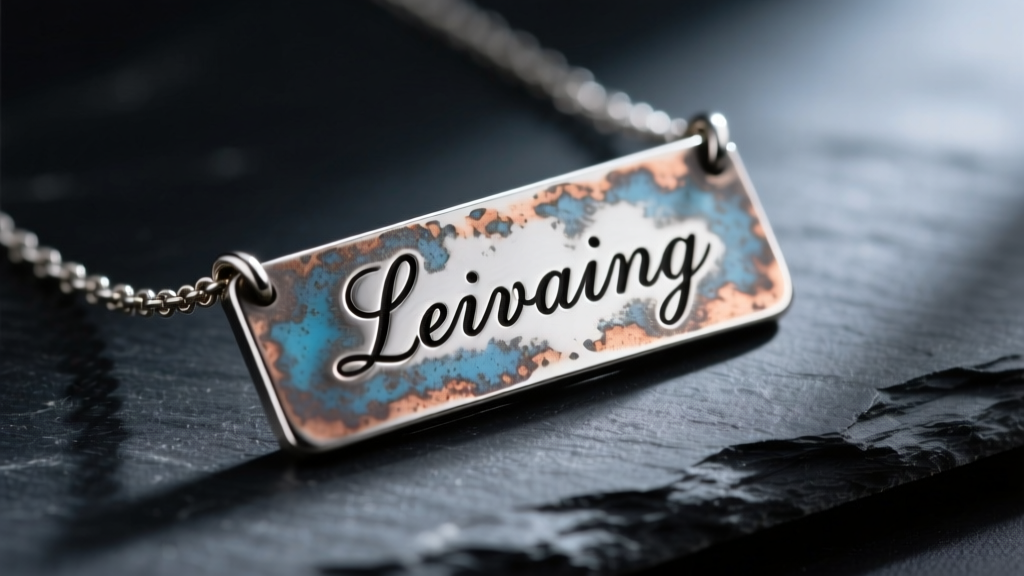
The iconic name plate necklace silver design has remained a staple in personalized jewelry since the 1980s, surging back into mainstream fashion as a definitive Y2K revival piece. However, the delicate script fonts and thin metal profiles that make these necklaces visually striking also make them highly susceptible to structural and chemical damage. Unlike solid gold or platinum, silver is a reactive, relatively soft transition metal. When you invest in a customized sterling silver piece, you are not just buying jewelry; you are adopting a maintenance routine.
At Jewel Style Radar, we frequently receive questions from readers frustrated by warped lettering, stubborn black oxidation, and chains that constantly tangle with the nameplate. This comprehensive troubleshooting guide addresses the most common failure modes of silver nameplate necklaces and provides professional-grade solutions to restore and protect your piece.
Decoding the Tarnish: Why Your Silver Oxidizes
Pure silver (999 fine silver) is highly resistant to tarnish, but it is too soft to hold the intricate stamped or laser-cut details of a nameplate. Therefore, jewelers use Sterling Silver (925), an alloy consisting of 92.5% silver and 7.5% copper. It is this copper content that reacts with sulfur compounds in the air, cosmetics, and human sweat to form silver sulfide—the dark, dull layer we recognize as tarnish.
The Electrochemical Cleaning Method (No Scrubbing)
Never use toothpaste, baking soda pastes, or abrasive polishing cloths on a name plate necklace silver piece. The script fonts feature micro-crevices that trap abrasive particles, leading to permanent micro-scratches that accelerate future tarnishing. Instead, use a safe electrochemical reduction process that reverses the oxidation without removing any base metal.
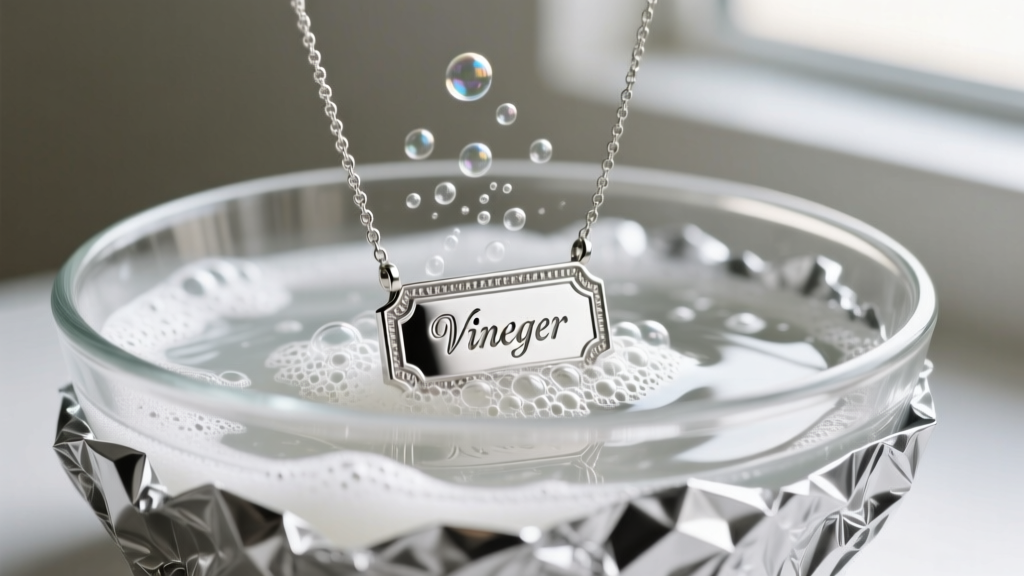
- Line a glass or ceramic bowl with aluminum foil (shiny side up).
- Place your tarnished necklace on the foil, ensuring the silver touches the aluminum.
- Sprinkle 2 tablespoons of baking soda and 1 tablespoon of sea salt over the jewelry.
- Pour boiling water into the bowl until the necklace is fully submerged. You will see immediate bubbling as the sulfur transfers from the silver to the aluminum.
- Leave for 3 to 5 minutes, then remove with wooden tongs, rinse in distilled water, and pat dry with a microfiber cloth.
Structural Troubleshooting: Fixing Bent and Snapped Plates
Because nameplates are typically die-struck or laser-cut from sheet metal ranging from 0.8mm to 1.2mm in thickness, they lack the structural rigidity of a cast pendant. The most common point of failure is the lettering itself bending, or the jump rings connecting the plate to the chain snapping under lateral stress.
Flattening a Warped Nameplate
If your necklace has been crushed in a drawer or bent during wear, do not attempt to bend it back into shape with your bare fingers. Finger pressure creates uneven stress points that can cause the silver to work-harden and eventually fracture along the curves of the script letters.
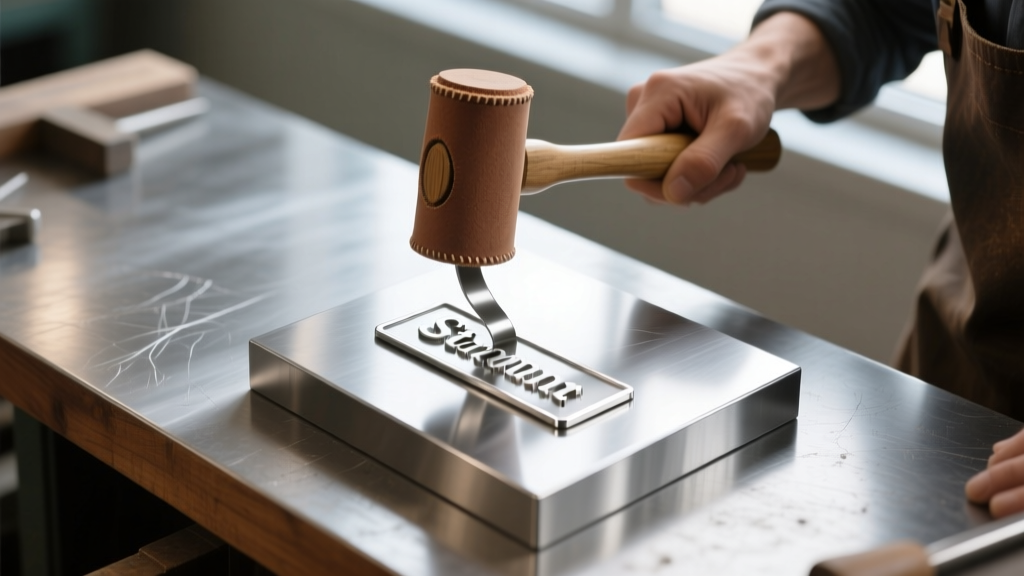
"To safely flatten a warped silver nameplate, place it face-down on a polished steel bench block. Using a rawhide or nylon-jaw mallet, gently tap the metal from the center outward. The rawhide transfers force without marring the silver finish or stretching the metal lattice." — Master Jeweler Bench Notes
Reattaching Severed Jump Rings
The small loops (jump rings) at the edges of the nameplate endure constant friction. If one snaps, a jeweler must solder it. According to the Jewelers of America, traditional torch soldering can sometimes scorch the thin silver plate or melt delicate laser-cut edges. Request laser welding for your repair, which uses a highly focused beam to fuse the silver jump ring without exposing the entire nameplate to extreme heat.
The Sliding and Tangling Dilemma
A frequent complaint with the name plate necklace silver style is the "flip"—where the nameplate slides around the neck and rests upside down against the clasp, or the chain threads itself through the loops of the cursive letters. This is largely a physics issue dictated by the chain profile and the weight distribution of the plate.
| Chain Type | Friction Coefficient | Tangling Risk | Best For |
|---|---|---|---|
| Cable Chain | Low | High | Lightweight, short nameplates (under 4 letters) |
| Box Chain | High | Low | Heavy, long nameplates (5+ letters) to prevent sliding |
| Rope Chain | Medium | Medium | Textured look, but can catch on sharp laser-cut edges |
| Snake Chain | Very High | Very Low | Keeps plate centered, but prone to kinking if bent |
Pro-Tip: If your chain is too slippery and the plate keeps flipping, thread a small, clear silicone O-ring (available at hardware stores) onto the chain on either side of the nameplate's jump rings. This acts as a friction stopper, keeping the plate centered on your collarbone without altering the jewelry permanently.
Preventing the "Green Neck" Reaction
Skin discoloration is not an indicator of "fake" silver; it is a chemical reaction between the copper in the 925 alloy and the acidity (pH) of your skin, lotions, or perfumes, resulting in copper chloride. The GIA Gem Encyclopedia notes that individuals with highly acidic skin chemistry will experience this more frequently.
Upgrade to Argentium Silver
If you are commissioning a custom name plate necklace silver piece, ask your jeweler to use Argentium Silver (usually 935 or 960 grade). Argentium replaces a portion of the copper with germanium. This creates a transparent, self-healing germanium dioxide layer on the surface that drastically slows tarnishing and virtually eliminates the green skin reaction, all while maintaining the bright white luster of pure silver.
The Rhodium Plating Solution
For existing necklaces, applying a micron-thick layer of rhodium plating via electroplating creates an inert, hypoallergenic barrier between the copper alloy and your skin. Note that rhodium will eventually wear off at the high-friction points (like the jump rings), requiring re-plating every 12 to 18 months depending on wear frequency.
Long-Term Storage and Maintenance Protocol
How you store your nameplate necklace when it is not on your neck dictates its lifespan. Never toss it loosely into a jewelry box where the chain can act as a micro-saw against the soft silver lettering.
- Isolate: Store the necklace in an individual, airtight polyethylene zip-lock bag.
- Neutralize: Include a 3M anti-tarnish strip or a piece of activated charcoal in the bag to absorb ambient sulfur gases.
- Flatten: Lay the necklace completely flat. Hanging a delicate nameplate on a standard jewelry tree can cause gravitational warping over time, especially if the chain is heavy.
By understanding the metallurgy of sterling silver and employing these professional troubleshooting techniques, your personalized nameplate will remain a pristine, readable, and structurally sound heirloom for decades.


