Grandkids Necklace Troubleshooting: Fixing Clasps, Tangles & Fading
Troubleshoot common grandkids necklace issues. Expert fixes for tangled chains, broken clasps, fading engravings, and metal allergies to protect your keepsake.

The Sentimental Anchor: Why Grandkids Necklaces Need Special Care
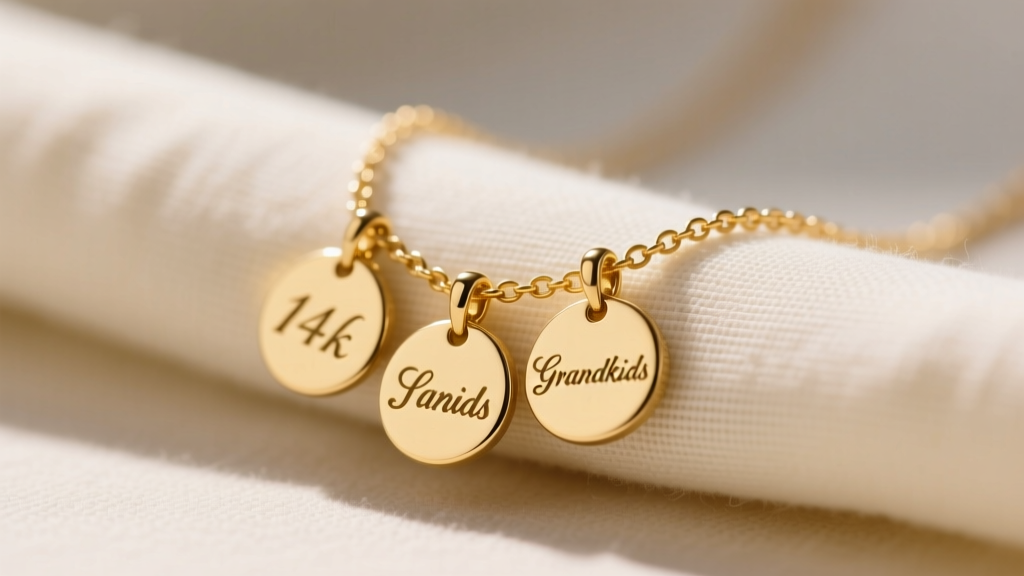
A custom grandkids necklace is more than just an accessory; it is a wearable family tree. Whether it features delicate nameplates, interlocking birthstone rings, or a subtle initial pendant, these pieces carry immense emotional weight. However, the very nature of custom jewelry—often involving ultra-fine chains, multiple soldered jump rings, and mixed metal alloys—makes them uniquely susceptible to mechanical failure and cosmetic degradation. According to repair data from the Jewelers of America, custom nameplate and multi-pendant necklaces account for a disproportionate number of bench repair visits due to chain tangling, clasp fatigue, and engraving wear. This guide provides actionable, expert-level troubleshooting to diagnose, fix, and prevent the most common issues plaguing your precious keepsake.
Diagnosing Chain Tangles and Knots
The most frequent complaint with any delicate grandkids necklace is severe tangling. This is rarely a matter of bad luck; it is a matter of chain geometry. Most custom necklaces utilize 0.8mm to 1.0mm cable or box chains to maintain a dainty aesthetic. When the aspect ratio (the inner diameter of the link compared to the wire thickness) is too high, adjacent links can easily slip inside one another, creating friction-locked knots.
The Baby Powder Troubleshooting Method
When a micro-knot forms, pulling the chain will only tighten the work-hardened metal, risking a snapped link. Instead, lay the necklace on a flat, dark surface. Apply a small pinch of talc-free baby powder or cornstarch directly to the knot. The powder acts as a dry lubricant, reducing the friction coefficient between the metal links. Using two fine sewing needles or straight pins, gently work the center link of the knot outward. The powder allows the metal to glide rather than bind.
Prevention Through Storage
To prevent future tangling, never store a grandkids necklace in a loose pile. Thread the chain through a plastic drinking straw before clasping it, or hang it on a velvet-lined jewelry stand with individual pegs spaced at least four inches apart to prevent swinging chains from intertwining.
Fixing Failing Clasps and Jump Rings
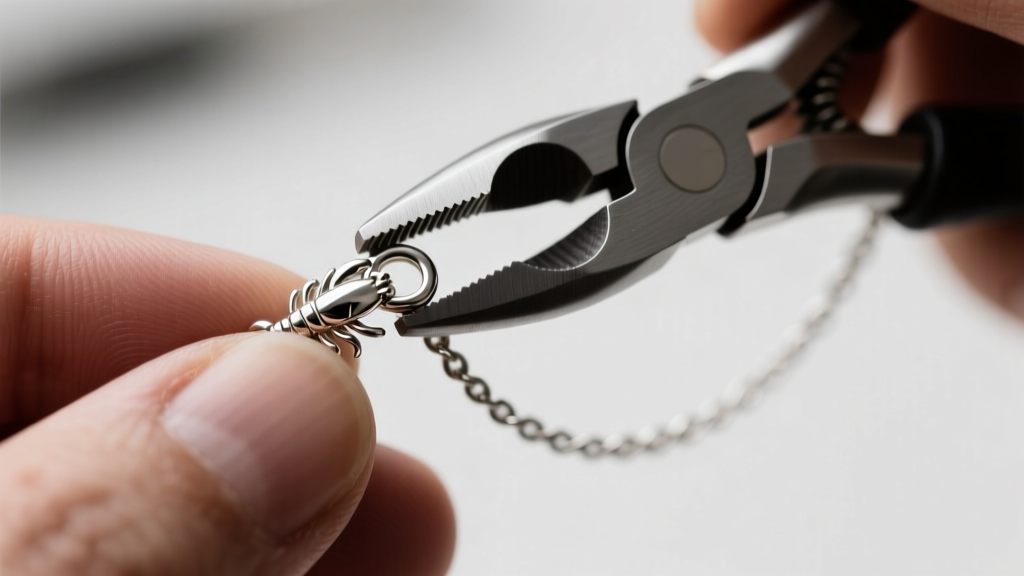
The clasp assembly is the primary structural weak point. Many mass-market custom necklaces ship with 4mm hollow spring ring clasps. These are notorious for failing because the internal steel spring can corrode from skin acids, or the tiny metal lever can bend, leaving the clasp permanently open.
Upgrading to a Solid Lobster Clasp
If your spring ring is failing, take the necklace to a local bench jeweler and request an upgrade to a solid 5mm or 7mm lobster clasp. Lobster clasps feature a heavier internal spring mechanism and a solid cast body that resists bending. Expect to pay between $15 and $30 for this upgrade, including the soldering of the new jump ring.
The Jump Ring Vulnerability
The jump ring connecting the pendant to the chain is another critical failure point. If the jump ring is merely butted closed (where the two ends of the wire meet but are not fused), repetitive pulling can cause the gap to spread, allowing the pendant to slide off. A proper repair involves laser soldering the jump ring shut, creating a seamless, continuous circle of metal that cannot be pulled apart without breaking the wire itself.
Restoring Faded Engravings and Tarnished Metals
Over time, the names or dates stamped into your grandkids necklace can lose their contrast, while the surrounding metal tarnishes or dulls. Understanding the difference between laser engraving and diamond stamping is crucial for proper maintenance.
| Metal Type | Tarnish Risk | Safe Cleaning Method | Engraving Durability |
|---|---|---|---|
| Sterling Silver (925) | High (Reacts to sulfur) | Mild dish soap and warm water; soft microfiber cloth | High (if diamond stamped) |
| Argentium Silver | Very Low (Contains germanium) | Simple wipe down; no chemical dips required | High |
| Gold Plated (Brass base) | Medium (Base metal can oxidize) | Damp cloth only; avoid all abrasives | Low (Plating wears off over time) |
| Solid 14k Gold | None | Ultrasonic cleaner (if no fragile gemstones) | Extremely High |
Protecting the Engraving During Cleaning
Many grandkids necklaces feature diamond-stamped lettering that is filled with black enamel or oxidation to create contrast. If you use a commercial silver dip or an abrasive polishing cloth, you will strip this dark fill, rendering the names nearly invisible against the shiny metal. To clean tarnished silver without ruining the engraving, use a cotton swab dipped in a mild solution of warm water and phosphate-free dish soap. Gently trace the letters, avoiding aggressive rubbing. For a professional fix, a jeweler can re-apply a black antiquing solution and lightly polish the surface to restore the crisp contrast.
Solving Skin Sensitivities and Allergic Reactions
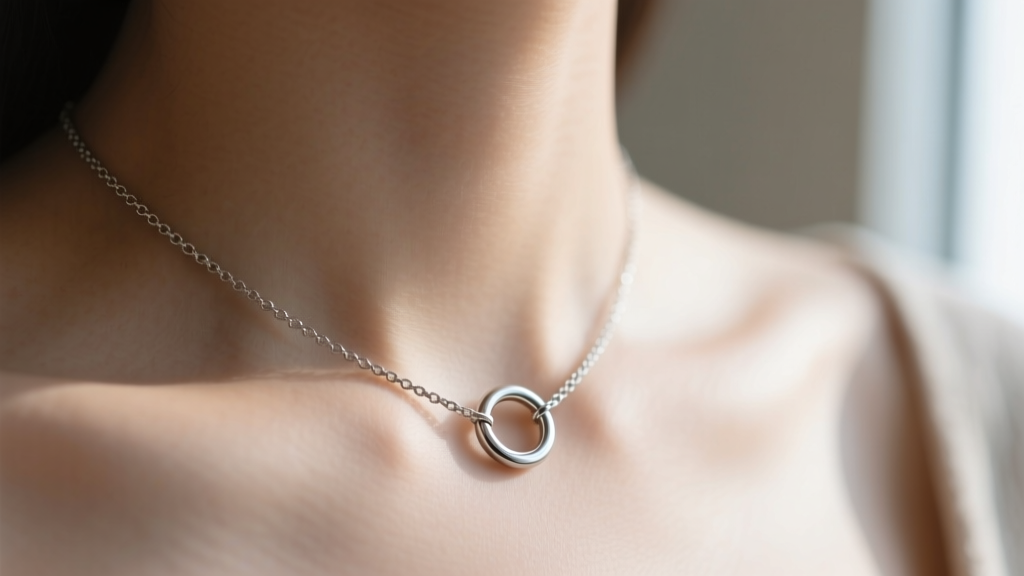
If the skin beneath your grandkids necklace becomes red, itchy, or flaky, you are likely experiencing allergic contact dermatitis. The Gemological Institute of America (GIA) notes that nickel is the most common jewelry allergen, frequently hidden in the alloys of white gold, sterling silver solder, and cheap brass base metals used in gold-plated items.
Identifying and Eliminating the Allergen
If your necklace is gold-plated, the microscopic pores in the plating may be allowing nickel from the base metal to leach onto your skin. The immediate troubleshooting fix is to coat the back of the pendant and the clasp with a thin layer of clear, hypoallergenic nail polish or a specialized jewelry shield product to create a physical barrier. However, this is a temporary patch.
Long-Term Material Swaps
For a permanent solution, consider having the custom nameplates re-cast or transferred onto a hypoallergenic chain. Grade 23 Titanium (Ti-6Al-4V ELI) and 316L surgical stainless steel are entirely nickel-free and highly resistant to corrosion. Alternatively, upgrading to solid 14k or 18k yellow gold eliminates the risk, as yellow gold alloys typically use copper and silver rather than nickel.
Adjusting Length for Layering or Growth
A grandkids necklace is often purchased at a standard 16-inch or 18-inch length. However, as fashion trends shift toward layered looks, or if the necklace is passed down to a younger family member with a different neck circumference, the length may no longer be ideal.
The Extender Chain Solution
Rather than cutting and re-soldering the original chain—which alters its structural integrity and can leave visible solder marks—add a 2-inch or 3-inch extender chain. A bench jeweler can attach a small 3mm lobster clasp to one end of your existing necklace and a series of open jump rings to the other. This allows you to adjust the drop length dynamically, making it perfect for wearing over different necklines or layering with longer pendant necklaces without compromising the original custom piece.
Final Maintenance Checklist
To ensure your grandkids necklace remains a pristine heirloom, implement this bi-annual maintenance routine:
- Inspect the Jump Rings: Use a jeweler's loupe or a strong magnifying glass to check the gap on the pendant's jump ring. If it has shifted, take it in for laser soldering immediately.
- Test the Clasp Spring: Press the clasp lever. It should snap back with a firm, audible click. If it feels sluggish, the internal spring is failing and requires replacement.
- Check Prongs and Bezels: If your necklace includes birthstone gems, gently run a piece of silk fabric over the settings. If the fabric snags, a prong is lifted and needs to be burnished down to prevent stone loss.
By understanding the mechanical and chemical vulnerabilities of custom jewelry, you can troubleshoot issues before they result in irreversible damage, ensuring your sentimental keepsake remains safe, beautiful, and ready to be passed down to the next generation.


