Gutta Pusalu Necklace Trends 2026: Styling & Buying Guide
Discover 2026 trends for the gutta pusalu necklace. Explore modern styling, pearl grading, gold purity tips, and pricing for this heritage piece.

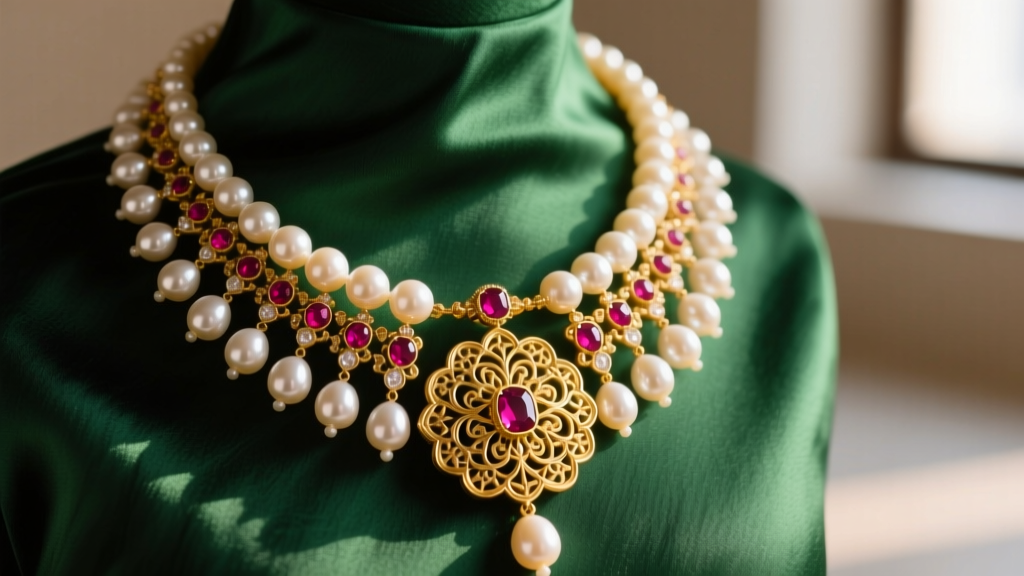
The gutta pusalu necklace is a masterpiece of South Indian heritage jewelry, historically patronized by the Nizams of Hyderabad and deeply rooted in the artisanal traditions of Andhra Pradesh and Telangana. Translating literally to 'cluster of pearls' in Telugu, this intricate design relies on the meticulous wire-wrapping of pearls into floral or geometric motifs. As we move through 2026, the gutta pusalu has transcended its traditional bridal boundaries, emerging as a highly sought-after statement piece in the global fusion and Indo-western fashion scenes. This comprehensive style and trend analysis breaks down the anatomy, modern adaptations, material grades, and expert styling techniques for the gutta pusalu necklace.
The Anatomy of a Traditional Gutta Pusalu
To truly appreciate the craftsmanship and evaluate the pricing of a gutta pusalu necklace, one must understand its three foundational components. Unlike standard pearl strands, this style is an exercise in structural goldsmithing and gem-setting.
The Gutta (Pearl Clusters)
The defining feature of this necklace is the gutta. Artisans use ultra-fine gold wire to bind small pearls (typically 3mm to 5mm in diameter) into tight, three-dimensional clusters resembling jasmine buds or lotus petals. In 2026, master jewelers are increasingly using 18-karat gold for this specific wire-work. While traditional pieces used 22-karat gold, the softer alloy is prone to metal fatigue, leading to cluster unraveling over time. The shift to 18k ensures the structural integrity of the clusters without compromising the rich yellow hue.
The Pusalu (Pearl Strands)
The clusters are typically suspended from or interspersed with pusalu—the main pearl strands. Historically, these were unpolished or lightly polished natural Basra pearls. Today, high-luster AAA-grade freshwater pearls or cultured Akoya pearls are frequently used to achieve a more uniform, reflective surface that photographs beautifully under modern event lighting.
The Padakkam (Central Pendant)
Most traditional gutta pusalu designs feature a central pendant, often depicting temple motifs, peacocks, or the goddess Lakshmi, accented with cabochon rubies and emeralds. This pendant acts as the visual anchor and dictates the overall weight and drape of the necklace.
2026 Trend Analysis: Heritage Meets Minimalism
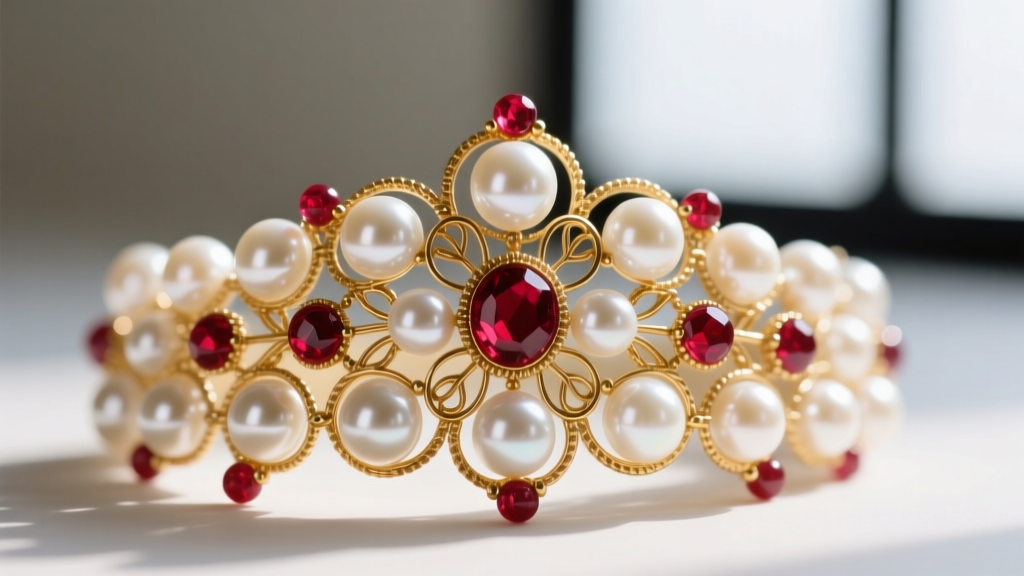
The most significant shift in the gutta pusalu necklace market this year is the pivot from heavy, multi-layered bridal sets to streamlined, single-layer chokers and collar-length pieces. Designers are responding to the demand for 'heirloom minimalism'—jewelry that carries historical weight but fits seamlessly into a modern wardrobe.
| Feature | Traditional Bridal Design | Contemporary 2026 Fusion Design |
|---|---|---|
| Gold Purity | 22k (91.6%) Yellow Gold | 18k (75%) Yellow or Matte Rose Gold |
| Pearl Type | Uncut Natural Basra or Keshi | AAA Round Freshwater or Baroque |
| Average Weight | 80 - 150 grams | 25 - 45 grams |
| Price Range (USD) | $6,000 - $18,000+ | $1,500 - $4,500 |
| Primary Use Case | Wedding Ceremonies, Poojas | Cocktails, Galas, Indo-Western Fusion |
According to trend forecasts from the Gemological Institute of America (GIA), consumer preference for cultured freshwater pearls has surged due to their exceptional nacre thickness and affordability, allowing designers to experiment with larger, more avant-garde cluster shapes without the prohibitive costs of natural saltwater pearls.
Material Grades & Pricing Framework
When shopping for a gutta pusalu necklace, understanding material grades is critical to avoid overpaying for misrepresented gems.
Pearl Grading Specifics
The value of the pearls in a gutta pusalu is determined by luster, surface cleanliness, and nacre quality. For the central strands, insist on AA+ or AAA grades. AAA pearls exhibit a sharp, mirror-like reflection and are 95% free of surface blemishes. For the gutta (clusters), jewelers often use A or AA grade pearls (2mm-4mm) because the tight clustering naturally obscures minor surface imperfections, allowing you to save on cost without sacrificing visual impact.
Gold Alloys and Hallmarking
Always verify the BIS (Bureau of Indian Standards) hallmark or international equivalent. If a piece is marketed as 22k gold, ensure the main chain and pendant body carry the 916 stamp. However, as noted, the delicate wire wrapping the pearls should ideally be 18k (750 stamp) or even 14k to prevent the pearls from slipping out of their settings during wear.

Styling the Gutta Pusalu for Modern Necklines
The versatility of the modern gutta pusalu necklace lies in its ability to elevate both traditional silks and Western evening wear. Here is a practical framework for pairing this heritage piece with contemporary necklines:
- The Sweetheart Neckline: Opt for a collar-length gutta pusalu (14-15 inches) that sits snugly above the bust line. The floral clusters will mirror the curved edges of the sweetheart cut, creating a harmonious, romantic silhouette perfect for reception gowns.
- Deep V-Neck or Plunge: Choose a Y-style gutta pusalu with a pronounced, elongated central pendant. The vertical drop elongates the torso and draws the eye downward, balancing the daring nature of a deep V-neck blouse or dress.
- Off-the-Shoulder / Bardot: A multi-layered, lightweight choker version works best here. Because the collarbone is fully exposed, the intricate gold wire-work and ruby accents of the gutta will pop against bare skin without competing with fabric textures.
- Indo-Western Cape Sarees: Pair a single, heavy-strand gutta pusalu with a sleeveless cape saree. Let the necklace be the sole focal point, skipping heavy earrings in favor of simple pearl studs to maintain a sleek, uncluttered aesthetic.
Expert Care & Maintenance Protocols
The longevity of a gutta pusalu necklace depends entirely on how it is stored and cleaned. The organic nature of pearls makes them highly susceptible to environmental damage.
Expert Warning: Never place a gutta pusalu necklace in an ultrasonic cleaner. The high-frequency vibrations will shatter the delicate pearls and snap the fine gold wires holding the clusters together. Furthermore, avoid steam cleaning, as heat can dehydrate the pearls, causing them to crack or lose their natural luster.
To maintain the luster of your piece, follow the guidelines recommended by jewelry insurance and care experts at Jewelers Mutual. After every wear, gently wipe the pearls and gold clusters with a soft, lint-free microfiber cloth slightly dampened with distilled water. This removes skin oils, perfumes, and sweat that can degrade the nacre over time.
Storage is equally vital. Never hang a gutta pusalu necklace on a jewelry stand. The weight of the gold and pearls will stretch the silk or nylon stringing thread, leading to gaps and eventual breakage. Instead, lay the necklace flat in a lined jewelry box, separated from harder gemstones like diamonds or sapphires that can easily scratch the pearl surface. Include a small silica gel packet in the box to control humidity, ensuring the organic gems remain pristine for generations.
By understanding the structural nuances, material grades, and modern styling applications of the gutta pusalu necklace, you can confidently invest in a piece that honors South Indian artistry while remaining fiercely relevant in 2026 and beyond.


