Hailey Bieber Necklace Guide: Budget & Value Assessment 2026
Analyze the true cost of the Hailey Bieber necklace aesthetic. We compare high-end originals to budget dupes, assessing gold thickness and long-term value.

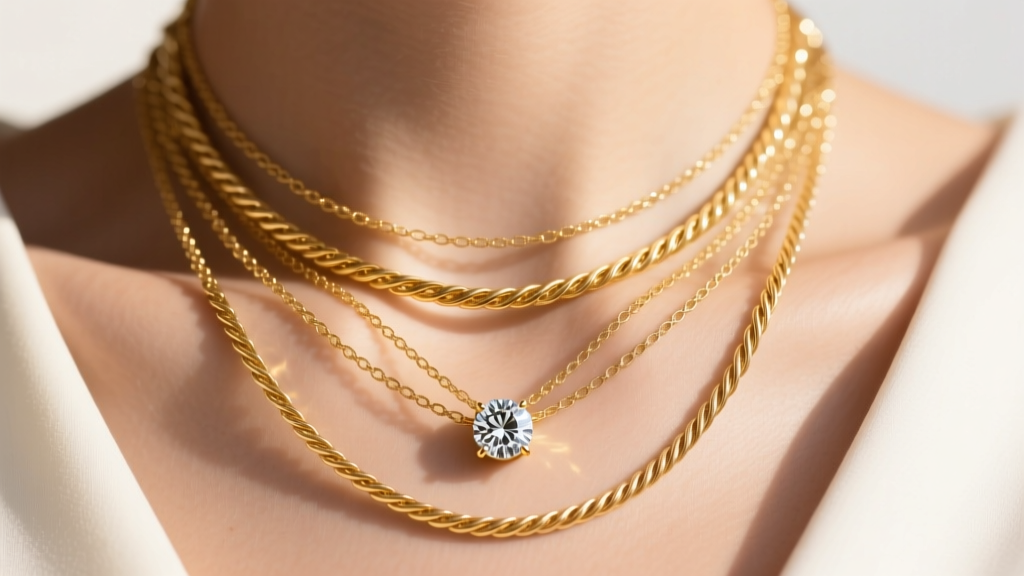
The Anatomy of the Signature Stack
When evaluating the ubiquitous hailey bieber necklace aesthetic, we are not just looking at a single piece of jewelry; we are analyzing a masterclass in minimalist layering. Bieber’s signature neck stack typically relies on a precise combination of delicate chain gauges, bezel-set solitaire diamonds, and occasional pearl or initial accents. However, the pieces she actually wears—often sourced from high-end jewelers like Anita Ko, Tiffany & Co., and custom private designers—carry a massive luxury premium. For the savvy jewelry consumer in 2026, the goal is not necessarily to replicate the exact brand names, but to replicate the exact specifications that make the aesthetic work, while rigorously assessing where your budget delivers genuine value versus where it is wasted on brand markups.
Chain Gauges and Link Structures
The foundation of this specific minimalist look relies heavily on chain proportionality. The most frequently spotted chain style in this aesthetic is the standard cable chain, specifically measuring between 1.2mm and 1.5mm in width. This gauge is critical: anything thinner (like a 0.9mm thread chain) lacks the structural integrity to hold a pendant without tangling or snapping, while anything thicker (like a 2.5mm rope chain) shifts the visual weight away from the 'delicate' aesthetic toward a heavier, streetwear-adjacent look. The 1.5mm cable chain catches the light beautifully due to its uniform, rounded links, providing a subtle shimmer that doesn't overpower the neckline.
High-End vs. Accessible: A Value Breakdown
To properly assess the budget and value of achieving this look, we must segment the market into three distinct tiers. This framework helps you decide whether you are paying for raw materials, brand prestige, or temporary trend participation.
| Tier | Brand Examples | Material Specs | Price Range | Long-Term Value |
|---|---|---|---|---|
| Luxury Authentic | Anita Ko, Tiffany & Co. | 18k Solid Gold, Natural VVS Diamonds | $3,500 - $15,000+ | Low (High brand markup, poor resale) |
| Smart Investment | Catbird, Mejuri, Custom | 14k Solid Gold, Lab-Grown Diamonds | $450 - $1,200 | High (Intrinsic gold value, durable) |
| Trend Chaser | Gorjana, Hey Harper | Gold Vermeil / Plated, CZ Stones | $60 - $180 | Zero (Disposable, degrades in 1-2 years) |
As the table illustrates, the 'Smart Investment' tier offers the optimal intersection of aesthetics and financial prudence. By shifting from 18k to 14k gold, you actually gain durability—14k gold is alloyed with more copper and zinc, making it significantly more resistant to the micro-scratches and bending that plague softer 18k chains.
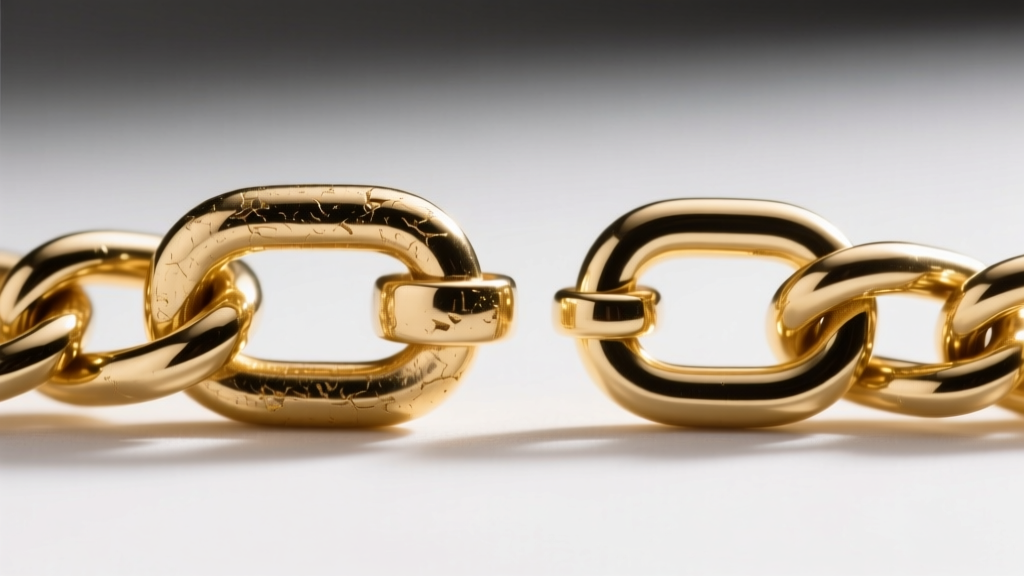
Material Science: Where Budget Buys Fail
The most common mistake consumers make when attempting to replicate a celebrity jewelry stack on a budget is misunderstanding the difference between gold plating, gold vermeil, and solid gold. This is where the 'hailey bieber necklace' dupes often fail the value test.
The Vermeil Threshold and Plating Realities
According to the Federal Trade Commission (FTC) Jewelry Guides, for a piece to be legally marketed as 'gold vermeil' in the United States, it must consist of a sterling silver base that is plated with gold of at least 10k fineness, and the gold layer must be a minimum of 2.5 microns thick. Many fast-fashion and Instagram-native jewelry brands bypass this by selling 'gold plated' or 'dipped' pieces. These items often feature a brass or copper base with a 'flash plating' of gold that is merely 0.1 to 0.5 microns thick.
Why does this matter for your budget? Human sweat has a pH level between 4 and 6, and when combined with the acidic compounds in perfumes and lotions, it creates an electrochemical reaction that rapidly eats through flash plating. A $45 plated chain will likely expose its brass undercarriage within three to six months of daily wear, turning your skin green and forcing a replacement. A $120 piece made of true 2.5-micron vermeil over sterling silver will last significantly longer, but a $350 solid 14k gold chain will outlive you, making its cost-per-wear practically zero over a decade.
The Lab-Grown Diamond Advantage
The focal point of the Bieber stack is often a bezel-set solitaire diamond pendant, typically ranging from 0.25 to 0.50 carats. In the luxury tier, a 0.30ct natural diamond pendant can easily exceed $2,500. However, from a pure optical and physical standpoint, there is zero justification for this premium in a fashion-forward necklace stack. The Gemological Institute of America (GIA) confirms that lab-grown diamonds share the exact same chemical, physical, and optical properties as natural diamonds, including a refractive index of 2.42 and a Mohs hardness of 10.
By opting for a VVS1 clarity, lab-grown diamond pendant set in solid 14k gold, you can acquire a visually identical piece for under $600. The 'value' of a natural diamond in a delicate necklace pendant is largely tied to resale, but fine jewelry inherently suffers from steep retail markups that are never fully recouped upon resale. Therefore, allocating your budget toward the metal (solid gold) rather than the stone's origin (natural vs. lab) is the most financially sound strategy for this specific aesthetic.
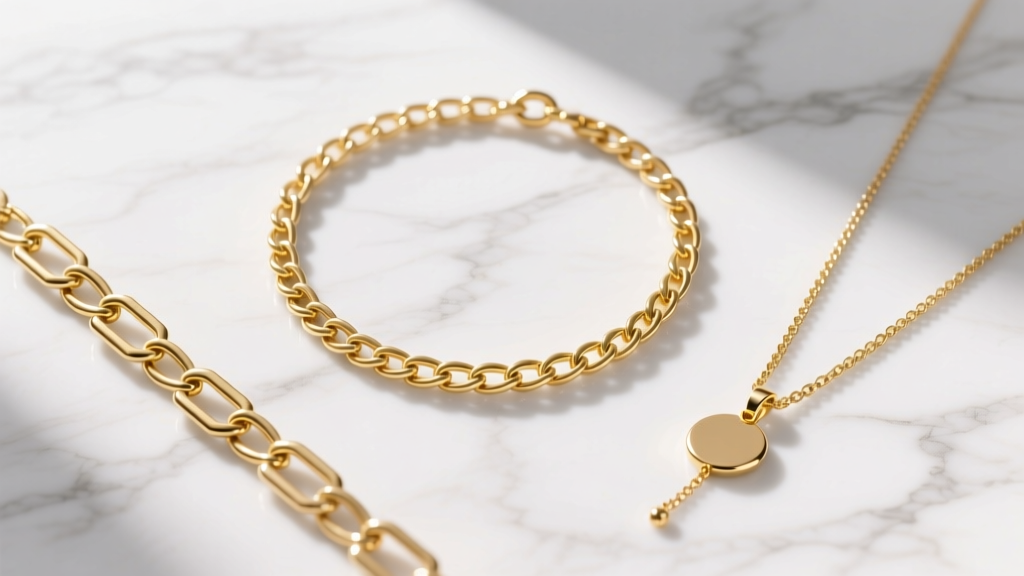
The 2-Inch Layering Framework
Achieving the look is only half the battle; executing the layering correctly is what separates a messy tangle from a curated stack. The secret to the minimalist layered look is strict adherence to the '2-Inch Drop Rule.' When layering three necklaces, each subsequent chain must be exactly two inches longer than the one above it to prevent the clasps and pendants from overlapping and catching on one another.
- Layer 1 (The Anchor): A 14-inch or 15-inch choker. This should be a simple, unadorned chain. A 1.5mm cable or a 2mm herringbone works best here to frame the collarbone.
- Layer 2 (The Bridge): A 16-inch or 17-inch chain. This is where you can introduce texture, such as a 3mm paperclip chain or a chain with a small, non-dominant charm like a 4mm pearl.
- Layer 3 (The Focal Point): An 18-inch or 20-inch chain. This holds the primary pendant—usually the bezel-set solitaire diamond or a subtle initial medallion. The longer length ensures the pendant rests securely on the sternum, drawing the eye downward and elongating the neck.
Furthermore, pay close attention to the clasps. Budget brands often use tiny 4mm spring-ring clasps on all their chains to save money. For chains holding pendants or thicker links, you must insist on lobster clasps. Spring rings have a high failure rate because the internal tension spring degrades quickly, leading to lost pendants. A solid 14k lobster clasp is a non-negotiable indicator of a brand that values structural longevity over marginal manufacturing savings.
Final Verdict: Allocating Your Jewelry Budget
Replicating the iconic minimalist stack does not require a celebrity's bank account, but it does require a strategic approach to material science. If you are assessing the value of a hailey bieber necklace dupe or inspired piece, ignore the brand name on the packaging. Instead, demand transparency regarding the gold thickness (vermeil vs. flash plate), the base metal (sterling silver vs. brass), and the stone origin. By investing your budget into solid 14k gold chains and utilizing lab-grown diamonds for the pendants, you secure a stack that is visually indistinguishable from the high-end originals, structurally capable of surviving daily wear, and financially sensible for the modern jewelry collector.


