What Is a Hair Necklace? A Beginner's Guide to Hairwork & Tie Chains
Discover the fascinating world of the hair necklace. Learn about Victorian hairwork, modern hair tie chains, materials, and expert care tips.

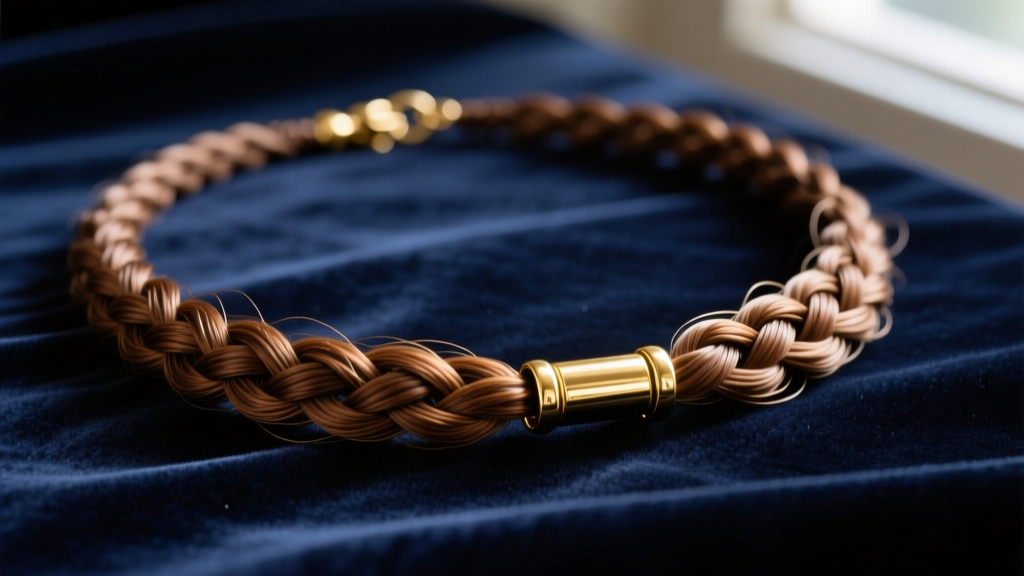
When you first encounter the term hair necklace, it is easy to feel a bit confused. Are we talking about a necklace made out of actual hair? Or a necklace designed to hold your hair ties? The fascinating truth is that the phrase encompasses both. In the jewelry world, a "hair necklace" bridges two entirely different eras and purposes: the deeply sentimental, woven hairwork jewelry of the Victorian era, and the highly functional, modern hair tie holder chains that have taken the fashion world by storm.
For beginners, navigating this dual-meaning category requires a basic understanding of jewelry history, material science, and modern functional design. Whether you are an antique collector looking to authenticate a 19th-century mourning piece, or a busy professional seeking a chic way to keep your silk scrunchies from slipping off your wrist, this comprehensive guide will break down everything you need to know about the hair necklace.
The Dual Meaning of the Hair Necklace
To shop intelligently and care for your pieces properly, you must first identify which type of hair necklace you are dealing with. The term is generally split into three distinct subcategories: historical human hairwork, modern functional hair tie chains, and equestrian horsehair jewelry.
1. The Historical Art of Hairwork Jewelry
During the mid-19th century, particularly between 1850 and 1880, hairwork jewelry peaked in popularity. Driven by the Victorian era's complex mourning rituals and a deep culture of sentimentality, artisans wove human hair into intricate necklaces, watch chains, and brooches. According to the Victoria and Albert Museum, hair was considered a deeply personal relic that did not decay, making it the ultimate symbol of enduring love and remembrance.
These necklaces were not simply glued together. Artisans used specialized weaving tables featuring a central aperture. The hair was divided into strands, attached to weighted bobbins, and braided over a mold. Once the intricate "Prince of Wales" feather weave or flat braid was complete, the piece was boiled to set the shape, dried, and sealed with gum arabic or natural wax before being fitted with gold-filled barrel clasps.
2. The Modern Hair Tie Holder Necklace
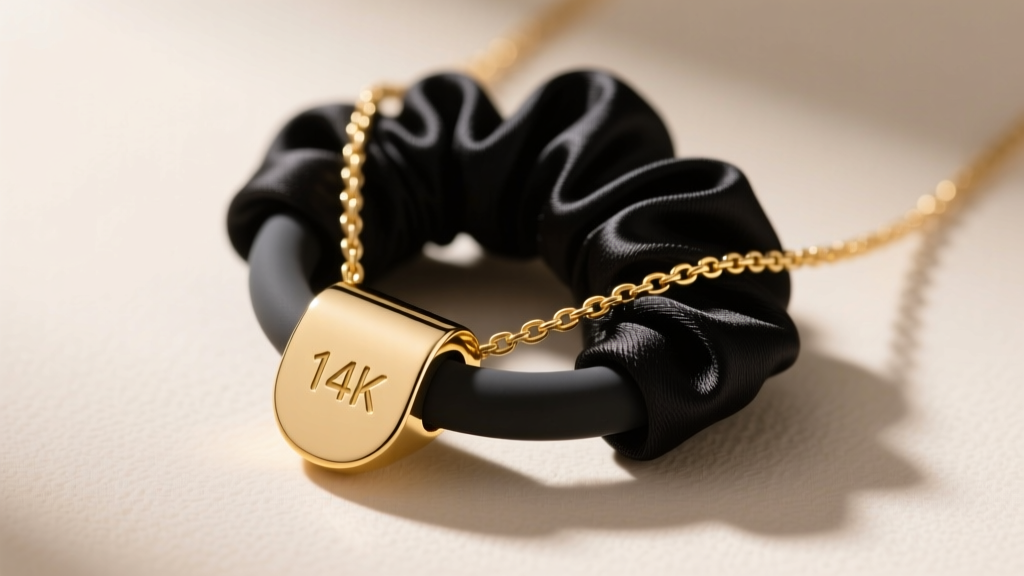
Fast forward to the 2020s, and the hair necklace has been reimagined as a triumph of functional fashion. A modern hair tie necklace is a delicate chain—usually a 1.5mm to 2.5mm rope or cable chain—that features a specialized pendant or clasp designed to grip elastic hair ties. This solves the universal problem of losing hair elastics or stretching them out on your wrist.
The best modern iterations utilize 1/20 14k gold-filled wire rather than standard gold plating. Because hair ties create constant friction against the metal, standard plating (which is only a microscopic layer of gold) will rub off within weeks. Gold-filled metal, which contains 100 times more gold alloy, withstands the daily abrasion of elastic bands. The gripping mechanism usually features a silicone-lined barrel or a magnetic breakaway pendant with a Shore A 40 durometer silicone insert, providing enough tackiness to hold heavy velvet scrunchies without tearing delicate silk elastics.
3. Equestrian Horsehair Jewelry
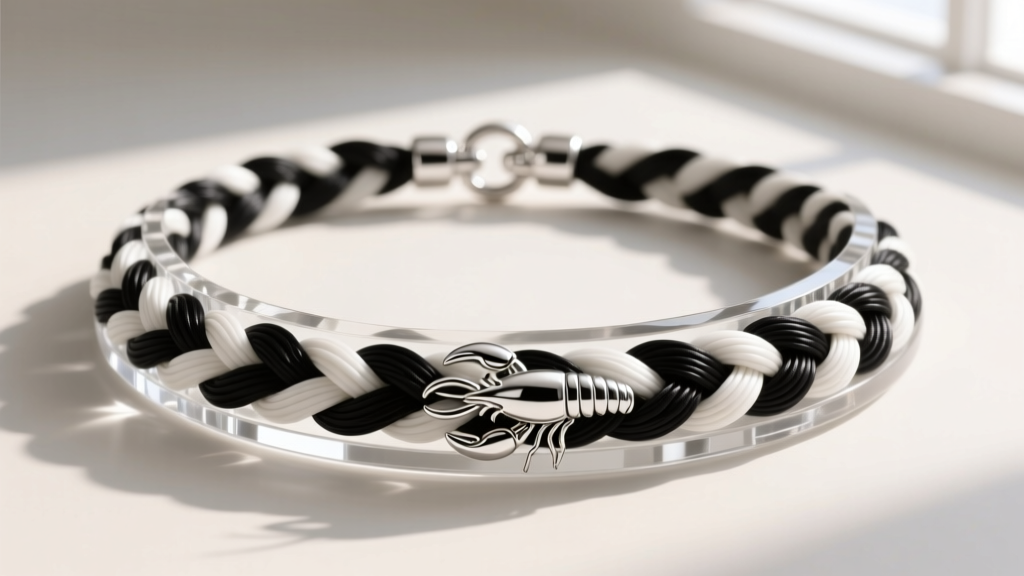
The third category is deeply sentimental but distinct from Victorian mourning jewelry. Equestrian hair necklaces are woven from the tail or mane hair of a beloved horse. Because horsehair is significantly thicker and more durable than human hair, these necklaces often feature bold, 12-strand round braids. To protect the hair from environmental damage and fraying, modern equestrian jewelers typically encase the braided hair in a clear, UV-resistant jewelry-grade epoxy resin, finishing the ends with sterling silver or stainless steel end-caps.
Material Breakdown and Comparison Chart
Understanding the materials used in your hair necklace is critical for determining its value, durability, and care requirements. Below is a structured comparison to help you identify the piece you are looking at or planning to buy.
| Feature | Victorian Hairwork | Modern Hair Tie Chain | Equestrian Horsehair |
|---|---|---|---|
| Primary Material | Human hair, gum arabic, wax | 14k Gold-filled, Sterling Silver, Silicone | Horsehair, UV-Resin, Steel/Silver |
| Clasp / Finding | Antique gold-filled barrel push-clasp | Magnetic breakaway or silicone-lined slide | Lobster clasp with epoxy-sealed end-caps |
| Price Range | $150 - $800+ (Antique Market) | $35 - $85 (Direct-to-Consumer Brands) | $75 - $250 (Custom Artisans) |
| Durability | Fragile; susceptible to moisture & oils | High; designed for daily friction | Very High; resin prevents fraying |
| Best For | Collectors, historians, antique lovers | Daily wear, athletes, professionals | Equestrians, pet memorials |
How to Style and Wear Your Hair Necklace
Styling a hair necklace depends entirely on which category your piece falls into. Here is how to integrate them into your daily wardrobe:
- For Modern Hair Tie Chains: Treat this as your everyday "baseline" chain. A 16-inch 14k gold-filled rope chain with a minimalist magnetic hair-tie clasp pairs beautifully with a simple pendant layering chain. When you need to tie your hair up, simply slide your elastic into the silicone grip. It transitions seamlessly from a boardroom meeting to a post-work gym session.
- For Victorian Hairwork: These pieces are fragile and should be treated as high-end vintage accessories. Wear a woven brown or blonde hair necklace over a high-necked Victorian-style blouse or a dark, moody turtleneck. Keep the piece on the outside of your clothing to prevent the natural oils from your skin from degrading the historic seals.
- For Equestrian Resin Pieces: The thick, braided resin tubes make a bold statement. They look best worn as a standalone choker (14 to 15 inches) over casual wear like denim jackets or linen tops, allowing the intricate black-and-white hair patterns to stand out against contrasting fabrics.
Care and Maintenance Guide
Because the materials in a hair necklace are so vastly different from standard gemstone or solid metal jewelry, standard ultrasonic cleaners and harsh chemical dips are strictly forbidden. The Gemological Institute of America (GIA) frequently notes that organic materials require specialized, gentle care to prevent irreversible degradation. Follow these specific protocols based on your necklace type:
- Cleaning Historical Hairwork: Never submerge Victorian hair jewelry in water. Moisture will dissolve the gum arabic and cause the hair to swell and unravel. Instead, use a clean, dry camel-hair makeup brush to gently dust the crevices of the braid. If the piece has lost its luster, a very light, careful wipe with a microfiber cloth lightly misted with distilled water is the maximum moisture it should endure.
- Maintaining Hair Tie Silicone Grips: Over time, the silicone insert in a modern hair tie necklace will accumulate lint, skin oils, and hair product residue, causing it to lose its grip. Once a week, take an isopropyl alcohol wipe and thoroughly clean the inside of the silicone barrel or pendant. This restores the tackiness of the Shore A silicone and ensures your silk scrunchies stay securely in place.
- Polishing Equestrian Resin: While the horsehair inside is protected, the exterior epoxy resin can develop micro-scratches from daily wear. Use a specialized plastic polish (like Novus Plastic Clean & Shine) and a soft cotton cloth to buff out superficial scratches. Avoid ammonia-based glass cleaners, which can cause the resin to cloud and yellow over time.
Where to Buy Authentic Pieces
If you are hunting for an authentic Victorian hair necklace, your best avenues are reputable antique jewelry dealers, estate sales, and specialized auction houses. Always ask for high-resolution macro photos of the clasp and the weave to ensure the hair has not been replaced with synthetic fibers, a common issue in "revival" pieces from the 1920s.
For modern hair tie holder necklaces, look for independent jewelers and direct-to-consumer brands that explicitly state their use of 1/20 14k gold-filled materials and replaceable silicone inserts. Avoid cheap brass alloys plated in gold, as the friction from hair elastics will expose the base metal within a month, potentially causing skin irritation. By understanding the rich history and modern utility of the hair necklace, you can confidently select a piece that perfectly aligns with your lifestyle, aesthetic, and appreciation for jewelry craftsmanship.


