Beginner's Guide to Buying a 0.5 ct Diamond Necklace
Discover everything you need to know before buying a 0.5 ct diamond necklace. Learn about the 4Cs, ideal chain lengths, settings, and 2026 pricing.

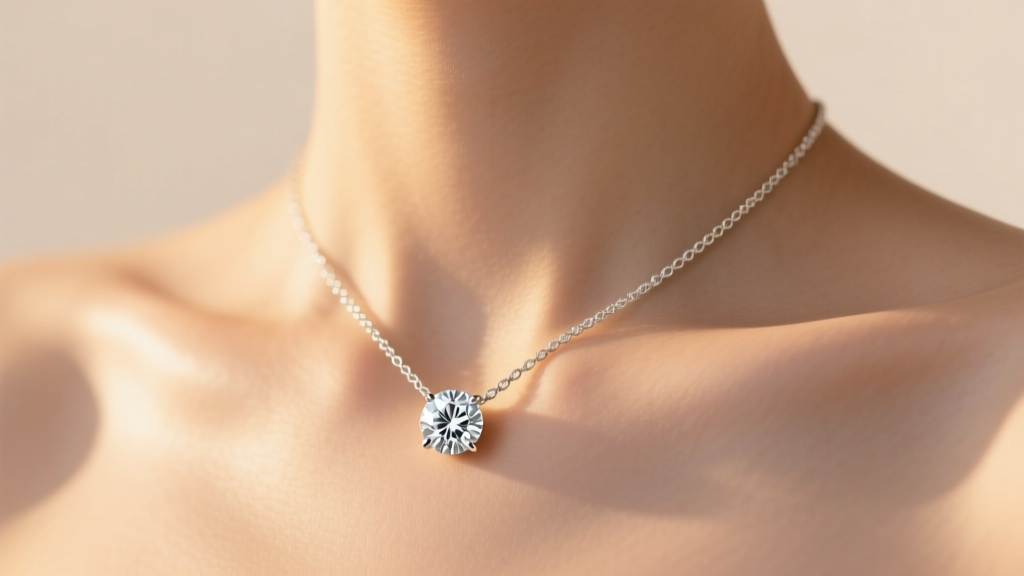
Entering the world of fine jewelry can feel overwhelming, especially when navigating the complexities of diamond grading, metal purity, and chain mechanics. However, the 0.5 ct diamond necklace remains the undisputed champion of accessible luxury. It is the perfect entry point for beginners, offering substantial sparkle without the intimidating price tag of larger carat weights. Whether you are purchasing your first fine jewelry piece or buying a milestone gift, understanding the anatomy of a half-carat pendant is crucial to making a smart investment.
Why the Half-Carat is the Goldilocks Size
A well-proportioned 0.50 carat round brilliant diamond measures approximately 5.1mm to 5.2mm in diameter. This specific millimeter spread is widely considered the 'Goldilocks' size in the jewelry industry. It is large enough to catch the light and draw the eye from across a room, yet subtle enough for daily, effortless wear. Unlike a 1.00 ct stone, which can sometimes feel too heavy or formal for a casual t-shirt and jeans, a 0.5 ct diamond necklace transitions seamlessly from the boardroom to a weekend brunch. Furthermore, this size serves as an excellent anchor piece for the popular 2026 layering trend, allowing you to stack it with shorter gold chokers or longer lariat chains without creating visual clutter.
Decoding the 4Cs for a Pendant
When shopping for a GIA-certified diamond, you will encounter the 4Cs: Cut, Color, Clarity, and Carat. Because a pendant sits further from the eye than an engagement ring, your grading strategy should shift to maximize value.
Cut: The Non-Negotiable Factor
Cut is the only 'C' you should never compromise on. The cut dictates how light enters the stone, bounces off the internal pavilion facets, and returns to your eye as brilliance and fire. For a 0.5 ct round brilliant, always insist on a GIA 'Excellent' or AGS 'Ideal' cut grade. A poorly cut 0.5 ct diamond might carry its weight in a deep pavilion, causing it to face up small (closer to 4.8mm) and appear lifeless. A superior cut ensures the stone faces up large and sparkles brilliantly, even in dim lighting.
Color: Matching Your Metal
Diamond color is graded on a scale from D (colorless) to Z (light yellow). Because a pendant rests against the skin and is framed by metal, you can safely step down the color scale to save money without sacrificing visual beauty.
- White Gold or Platinum: Opt for G or H color. These 'near-colorless' grades face up completely white when set in white metals.
- Yellow or Rose Gold: You can comfortably drop to I or J color. The warm reflections from the metal will mask any faint yellowish tint in the diamond.
Clarity: The 'Eye-Clean' Sweet Spot
Clarity refers to the internal inclusions and external blemishes of a stone. While a flawless (FL) diamond sounds appealing, it is a poor use of funds for a pendant. The sweet spot for a half-carat stone is VS2 or SI1. At these grades, inclusions are microscopic and entirely invisible to the naked eye, especially from the typical viewing distance of a necklace. Always review high-resolution 360-degree videos from retailers like James Allen to ensure the specific SI1 stone is 'eye-clean' and lacks dark, centrally located carbon spots.
Choosing the Right Setting and Metal
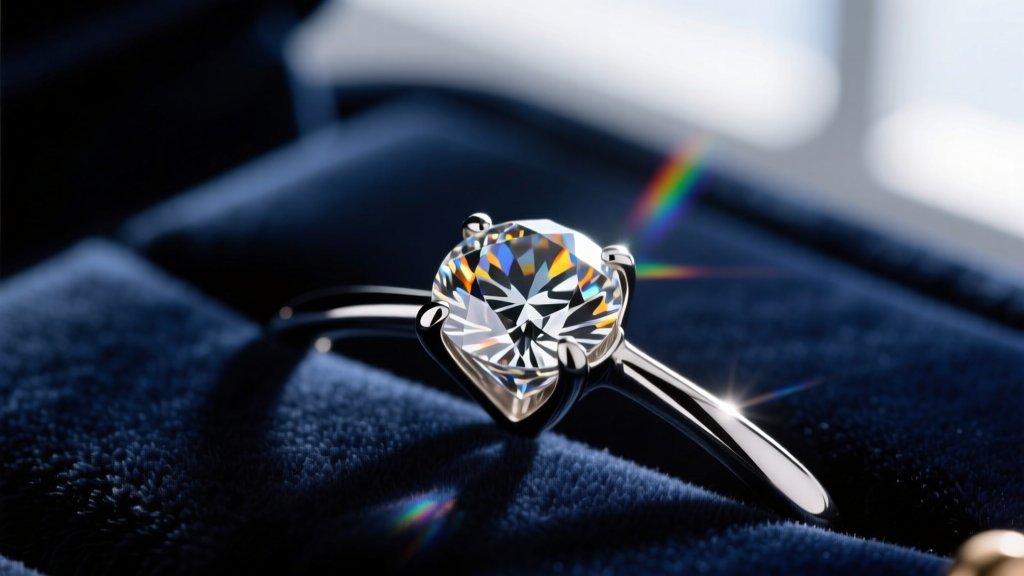
The setting protects your diamond and dictates the overall aesthetic of the necklace. The two most common settings for a 0.5 ct diamond necklace are the prong and the bezel.
Prong vs. Bezel Settings
The Martini (3-Prong) or 4-Prong Basket: Prong settings use minimal metal, allowing maximum light to enter the diamond from all angles. This maximizes brilliance. However, prongs can occasionally snag on delicate knit sweaters or hair.
The Bezel Setting: A bezel encircles the diamond in a custom-fitted metal rim. It offers superior protection against impacts and snagging, making it ideal for active lifestyles. The trade-off is a slight reduction in light entry and a modern, sleek aesthetic that some traditionalists may not prefer.
Metal Purity: 14k vs. 18k
For everyday chains and pendants, 14k gold is generally recommended over 18k gold. 14k gold contains 58.5% pure gold, alloyed with stronger metals like copper, zinc, or nickel. This makes the delicate chain links and prongs significantly more resistant to bending, stretching, and wear over time. 18k gold, while richer in color, is softer and more prone to mechanical failure on very thin chains.
Chain Styles and Lengths: A Structural Guide
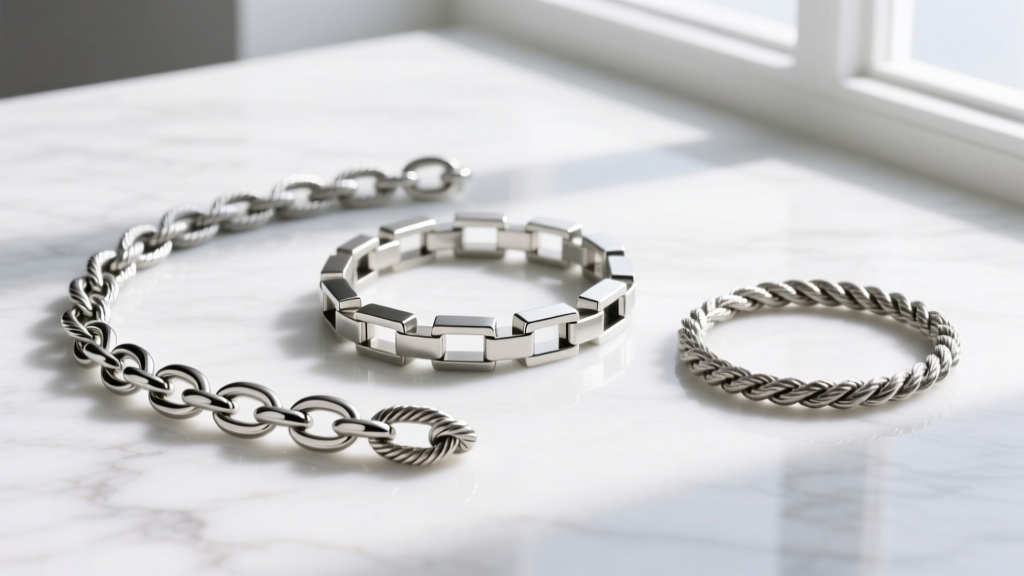
The chain is the unsung hero of the necklace. A weak chain will snap, while the wrong style can distract from the diamond. Here is a breakdown of the most reliable chain links for a half-carat pendant.
| Chain Style | Durability | Best For |
|---|---|---|
| Cable Chain | High | Classic, minimalist looks. Easy to repair if broken. |
| Box Chain | Medium | Modern aesthetics. Prone to kinking if pulled forcefully. |
| Rope Chain | Very High | Adding extra sparkle. Highly resistant to tangling and breaking. |
| Wheat Chain | High | Textured, vintage-inspired looks. Very fluid and drapes beautifully. |
For a 0.5 ct pendant, a chain width between 0.9mm and 1.2mm is ideal. Anything thinner risks snapping under the weight of the pendant; anything thicker will visually overpower the 5.1mm diamond.
Standard Lengths and Neckline Pairing
- 16 Inches (Choker/Collarbone): Sits high on the collarbone. Perfect for V-necks, scoop necks, and off-the-shoulder tops.
- 18 Inches (Princess Length): Falls just below the collarbone. The most versatile, universal length that works with almost every neckline, including crew necks.
- 20 Inches (Matinee Length): Rests on the upper chest. Ideal for layering over turtlenecks or wearing with business attire and blazers.
2026 Pricing Expectations: Natural vs. Lab-Grown
The diamond market has evolved significantly, and buyers now have a distinct choice between earth-mined and lab-grown diamonds. Both are optically, chemically, and physically identical, but their pricing structures in 2026 are vastly different.
For a Natural 0.5 ct Diamond (G Color, VS2 Clarity, Excellent Cut), expect to pay between $1,100 and $1,500 for the loose stone. Once set in a 14k gold pendant with an 18-inch chain, the total retail price typically ranges from $1,600 to $2,200.
For a Lab-Grown 0.5 ct Diamond with the exact same specifications, the loose stone costs between $250 and $400. The complete, finished necklace will generally retail between $600 and $900. Lab-grown diamonds offer incredible value, allowing beginners to maximize their budget or allocate funds toward a higher-quality chain or a more intricate setting.
Expert Tip: Never buy a diamond pendant without an independent grading report. For natural diamonds, insist on GIA. For lab-grown diamonds, IGI or GCAL reports provide the most reliable and consistent grading standards.
Final Checklist Before You Checkout
Before finalizing your purchase, run through this quick quality-assurance checklist to ensure you are getting a piece that will last a lifetime:
- Verify the Report: Ensure the diamond's laser inscription on the girdle matches the grading report number.
- Check the Bail: The bail (the loop connecting the pendant to the chain) should be soldered shut or feature a secure hidden hinge. Avoid flimsy, unsoldered jump rings.
- Review the Return Policy: Only buy from jewelers offering a minimum 14-day, no-questions-asked return window so you can inspect the sparkle in your home lighting.
- Ask About Warranties: Look for retailers that offer complimentary annual prong-tightening and ultrasonic cleaning to maintain the structural integrity of the setting.
By prioritizing an excellent cut, choosing a durable 14k chain, and understanding the modern pricing landscape, you can confidently select a 0.5 ct diamond necklace that offers unparalleled brilliance and timeless versatility.