The Ultimate Hand Holding Necklace Buying Guide (2026)
Discover how to choose the perfect hand holding necklace. Compare custom 3D casts, interlocking motifs, metal grades, and chain pairings in our 2026 guide.

Decoding the Hand Holding Necklace Trend
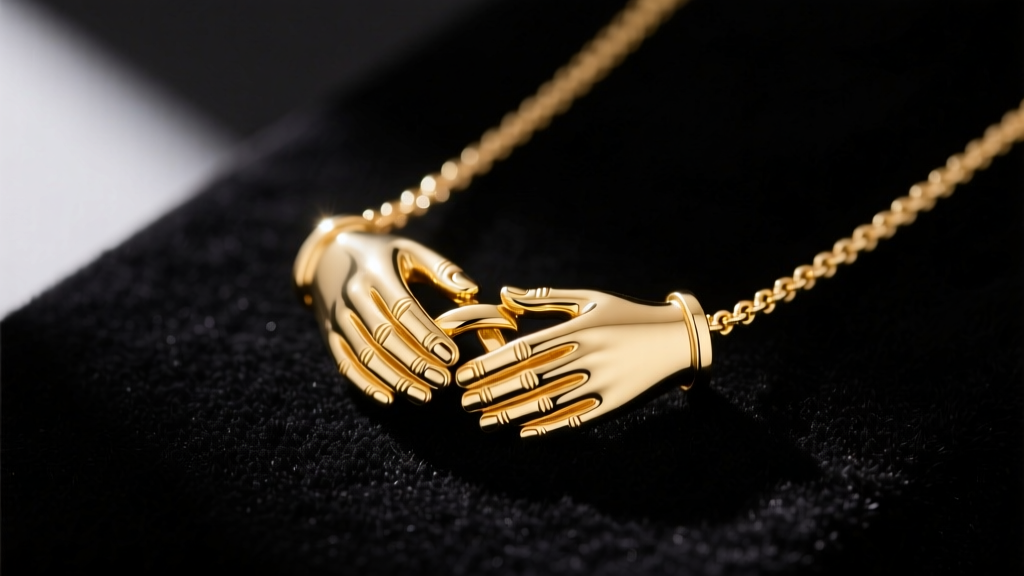
The hand holding necklace has evolved from a simple sentimental token into a highly sophisticated category of fine jewelry. Whether you are looking for an interlocking hands motif symbolizing connection and unity, or a hyper-realistic custom 3D-scanned cast of a loved one's hand gripping a gemstone, the market in 2026 offers unprecedented customization. However, the structural complexity of hand-shaped pendants introduces unique challenges regarding weight distribution, metal porosity, and chain tension. This comprehensive buying guide will walk you through the exact metallurgical standards, casting techniques, and structural requirements you need to evaluate before making a purchase.
Two Distinct Categories: Motif vs. Anatomical Cast
When shopping for a hand holding necklace, you will encounter two fundamentally different design approaches. Understanding the distinction is critical for setting your budget and expectations.
1. The Interlocking Hands Motif
This is a stylized, sculptural interpretation of two hands clasping or holding. Often used in friendship, couple, or Claddagh-inspired jewelry, these pendants are typically mass-produced or semi-custom using traditional rubber mold casting. They are lightweight (usually 2 to 5 grams) and focus on symbolic geometry rather than anatomical accuracy.
2. The Custom Anatomical Hand Cast
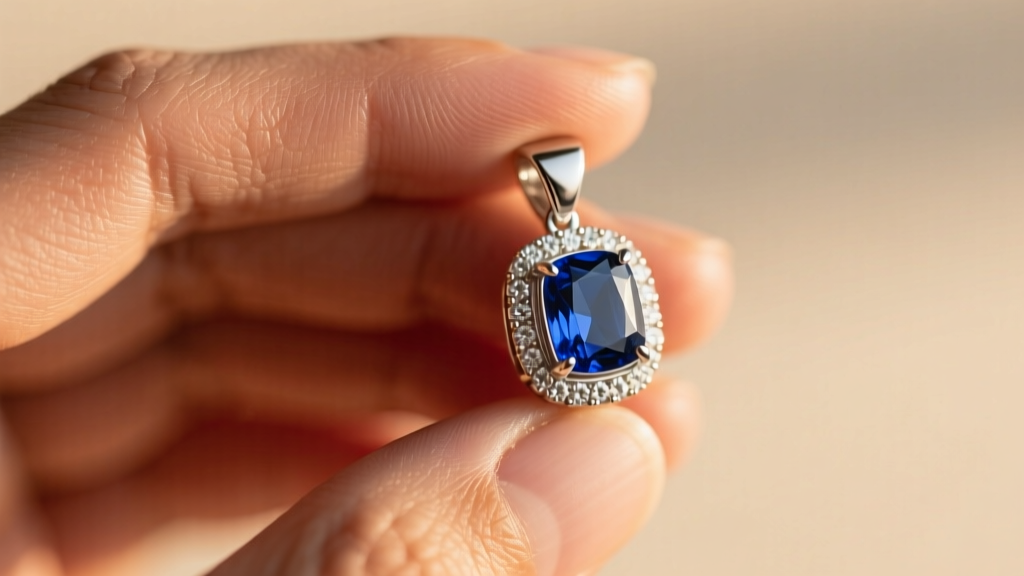
Leveraging 2026's advanced photogrammetry and 3D scanning technology, jewelers can now create exact 1:1 scale replicas of a specific person's hand. These pendants often depict a hand gently holding a chain, a pearl, or a custom-cut gemstone. Because they capture micro-details like skin pores, knuckle wrinkles, and nail beds, they require high-resolution printing and premium metals to prevent detail loss during the casting process.
Material Grades & Detail Retention
The human hand is full of micro-textures. If you choose the wrong metal for a custom hand holding necklace, the casting process will blur these details. According to metallurgical standards outlined by the Jewelers of America, different alloys flow into microscopic mold crevices with varying degrees of success.
| Metal Grade | Detail Retention | Weight / Density | Best Use Case |
|---|---|---|---|
| 950 Platinum | Exceptional (Highest) | Very Heavy (21.45 g/cm³) | Heirloom custom casts holding heavy gems |
| 18k Yellow Gold | Excellent | Heavy (15.6 g/cm³) | Stylized motifs and premium custom casts |
| 14k White Gold | Very Good | Moderate (13.5 g/cm³) | Everyday wear interlocking hand motifs |
| 925 Sterling Silver | Good (Prone to blur) | Light (10.4 g/cm³) | Budget-friendly stylized motifs only |
Expert Insight: Avoid sterling silver for hyper-realistic custom hand casts. Silver has a higher shrinkage rate during the cooling phase of lost-wax casting, which can soften the appearance of fingerprints and knuckle creases. For anatomical accuracy, 18k gold or platinum is mandatory.
Chain Pairing: Gauges, Bails, and Clasp Security
A hand holding necklace is inherently top-heavy. The fingers and the object being 'held' create a pendulum effect that puts immense stress on the chain and the bail (the loop connecting the pendant to the chain). A standard 1.0mm cable chain will inevitably snap under the dynamic weight of a 10-gram custom hand pendant.
The Ideal Chain Specifications
- Gauge Thickness: Minimum 1.5mm for stylized motifs; 2.0mm to 2.5mm for custom anatomical casts.
- Chain Style: Opt for a Wheat or Curb chain. These styles feature interlocking links that distribute tensile stress evenly, unlike snake chains which are prone to kinking and snapping under pendulum weight.
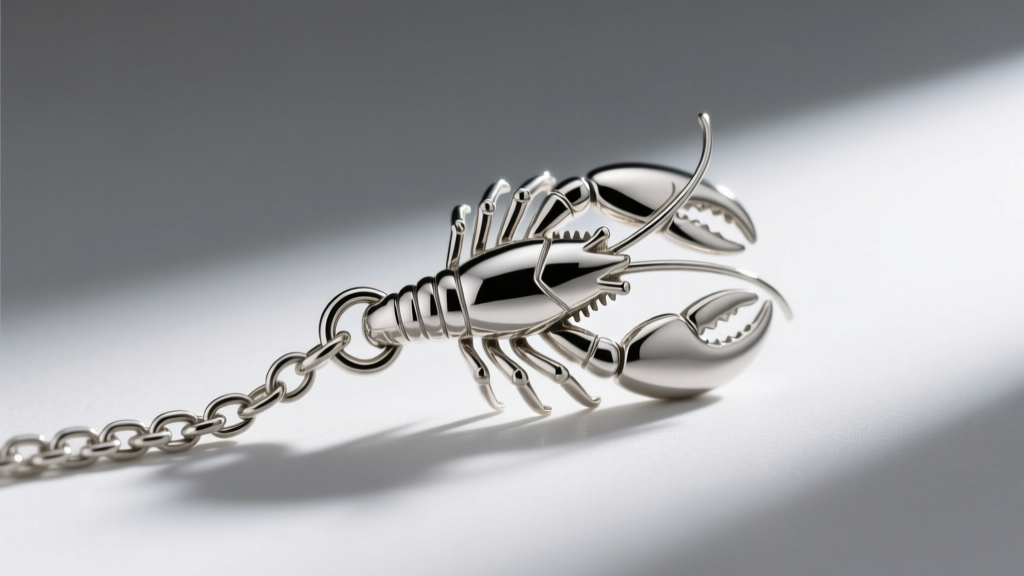
- Clasp Mechanism: Never use a spring ring clasp for a hand pendant. You must use a solid cast lobster clasp or a locking box clasp to prevent accidental unhooking.
The 2026 Custom 3D Scanning Process
If you are commissioning a bespoke anatomical hand holding necklace, the creation process has shifted dramatically. Traditional alginate molding (where the subject dips their hand into a bucket of cold slime) is being replaced by non-contact structured light 3D scanning.
"Structured light scanning captures the exact topography of the hand in under three seconds, eliminating the micro-movements that cause distortion in traditional alginate molds. This results in a digital mesh that is accurate to 0.05 millimeters." — Journal of Advanced Jewelry Manufacturing, 2025.
Red Flags When Commissioning a Custom Cast
Not all custom jewelers possess the technical expertise to execute a flawless hand holding necklace. Watch out for these warning signs:
- Over-Smoothing in the CAD Preview: If the 3D render looks like a mannequin hand with no visible pores or wrinkles, the jeweler is using automated mesh-smoothing algorithms to hide scanning errors.
- Hollowing the Model: To save on gold costs, some jewelers will hollow out the palm of the hand pendant. This creates a weak point that can easily crush or dent if bumped against a hard surface.
- Integrated Bails: The bail should be cast as a solid, integrated part of the wrist or arm, not soldered on as an afterthought. Solder joints on heavy pendants are primary failure points.
Pricing Expectations & Value Assessment
Understanding the pricing structure will help you identify fair market value and avoid overpriced novelty items.
- Mass-Produced Interlocking Motifs (Sterling Silver / Gold Vermeil): $45 – $120. Look for thick vermeil plating (minimum 2.5 microns) to prevent the underlying brass or silver from oxidizing through the gold layer.
- Fine Jewelry Interlocking Motifs (Solid 14k/18k Gold): $250 – $800. Pricing scales linearly with the gram weight of the gold and the complexity of the diamond pave if the hands are holding a gemstone cluster.
- Custom 3D-Scanned Anatomical Hand Casts: $800 – $2,500+. This price reflects the 3D scanning fee, CAD modeling labor, support structure generation for the 3D wax printer, and the raw precious metal weight. Platinum casts holding GIA-certified diamonds will push the price well past the $3,000 mark.
Final Verdict: Choosing Your Hand Holding Necklace
The perfect hand holding necklace balances deep personal symbolism with uncompromising structural integrity. If you are purchasing a stylized motif for daily wear, prioritize a solid 14k gold construction on a 1.5mm wheat chain for a balance of durability and comfort. If you are investing in a custom anatomical cast to capture a fleeting moment in time, demand 18k gold or platinum, insist on structured-light 3D scanning, and ensure the jeweler provides a solid, integrated bail. By focusing on these precise metallurgical and mechanical details, your necklace will remain a flawless, wearable archive of connection for generations to come.


