Styling the Harajuku Lovers Necklace in 2026: Y2K Kawaii Trends
Discover how the iconic Harajuku Lovers necklace is evolving in 2026. Explore material upgrades, kawaii styling tips, and the Y2K jewelry revival.

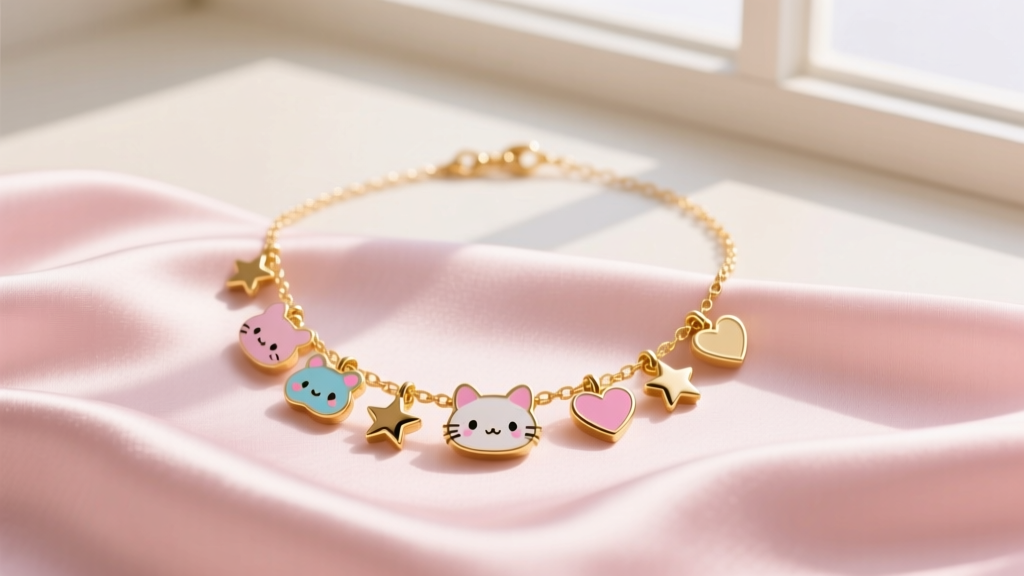
The 2026 Y2K Revival: Archival Kawaii Meets Modern Streetwear
When Gwen Stefani launched her fragrance and apparel line in 2004, the accompanying merchandise became a cultural touchstone for millennials. Today, the harajuku lovers necklace has transcended its origins as a mall-kiosk accessory to become a highly sought-after archival piece in the 2026 Y2K streetwear renaissance. The modern kawaii-core aesthetic no longer relies on the cheap, mass-produced trinkets of the early 2000s. Instead, contemporary jewelers and vintage archivists are reimagining the iconic five-girl charm motifs with luxury-grade materials, bridging the gap between nostalgic pop culture and high-end streetwear.
In 2026, the intersection of Opium-core silhouettes and Fairy Kei influences has created a unique styling environment. The harajuku lovers necklace is now being layered over distressed knitwear, paired with oversized leather outerwear, and treated with the same sartorial reverence as archival Vivienne Westwood or Chrome Hearts pieces. According to Business of Fashion luxury archives, the demand for authenticated 2004-2008 Y2K pop-culture jewelry has surged by 310% on secondary market platforms like Grailed and Depop over the last eighteen months, driven by Gen Z collectors who view these pieces as wearable art rather than mere nostalgia.
Material Evolution: From Flash-Plated Zinc to 18k Vermeil
The most significant shift in the 2026 harajuku lovers necklace market is the dramatic upgrade in metallurgy and enamel work. Original mid-2000s pieces were typically cast from zinc alloy, flash-plated with a microscopic layer of nickel or low-karat gold, and finished with soft, easily chipped cold enamel. Modern interpretations and high-end vintage restorations utilize vastly superior techniques.
| Feature | Original 2005 Mall Merch | 2026 Artisan / Archival Standard |
|---|---|---|
| Base Metal | Zinc Alloy / Brass | 925 Sterling Silver / 316L Surgical Steel |
| Plating | Flash Gold (0.1 microns) | 18k Gold Vermeil (2.5+ microns) |
| Enamel Type | Cold Epoxy Resin (Paint) | Cloisonné or Vitreous Enamel |
| Chain Style | 18-gauge thin cable, prone to snapping | 14-gauge rolo or 16-gauge paperclip chain |
| Clasp Hardware | Lobster claw with thin jump rings | Custom spring ring with soldered jump rings |
The shift to 18k gold vermeil is particularly important. As defined by the GIA Gem Encyclopedia and FTC guidelines, true vermeil requires a sterling silver base plated with at least 2.5 microns of 10k, 14k, or 18k gold. This thickness ensures that the vibrant yellow or rose gold finish on the kawaii charms will not wear off after a few months of daily wear, a common failure mode of the original 2000s merchandise.
Anatomy of a Modern Harajuku Lovers Necklace
To authenticate a vintage piece or commission a modern homage, understanding the precise anatomy of the necklace is crucial. The charm dimensions, chain gauges, and enamel applications dictate both the drape of the necklace and its longevity.
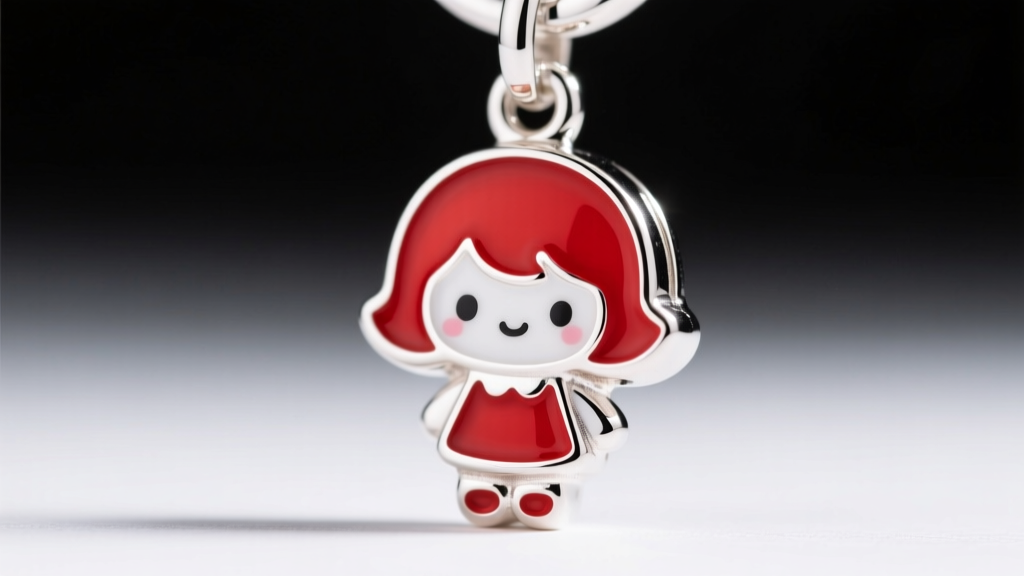
Chain Gauges and Clasp Hardware
The original necklaces often utilized flimsy 20-gauge to 22-gauge chains that would easily kink or break under the weight of the metal charms. In 2026, the standard for a premium harajuku lovers necklace is a 14-gauge (1.6mm) to 16-gauge (1.3mm) rolo or curb chain. This provides enough structural integrity to support charms weighing between 8 and 15 grams each without stretching the links. Furthermore, modern pieces feature soldered jump rings connecting the charms to the chain, preventing the charms from slipping off and getting lost—a notorious issue with the factory-pressed split rings of the past.
Charm Dimensions and Enamel Techniques
The iconic charms (representing Love, Angel, Music, Baby, and G) typically measure between 18mm and 25mm in height. While vintage pieces used cold enamel—a liquid epoxy resin poured into metal recesses and cured at room temperature—modern high-end versions use cloisonné. Cloisonné involves packing finely ground glass powder into the metal bezels and firing it in a kiln at over 1400°F. The result is a glass-like finish that is highly resistant to scratching, UV fading, and the yellowing that plagues 20-year-old epoxy resin.
Styling the Kawaii-Core Aesthetic in 2026
Styling a harajuku lovers necklace in 2026 requires a nuanced understanding of proportion and contrast. The current trend heavily favors juxtaposing the hyper-feminine, playful nature of the kawaii charms with darker, grungier, or highly structured garments.
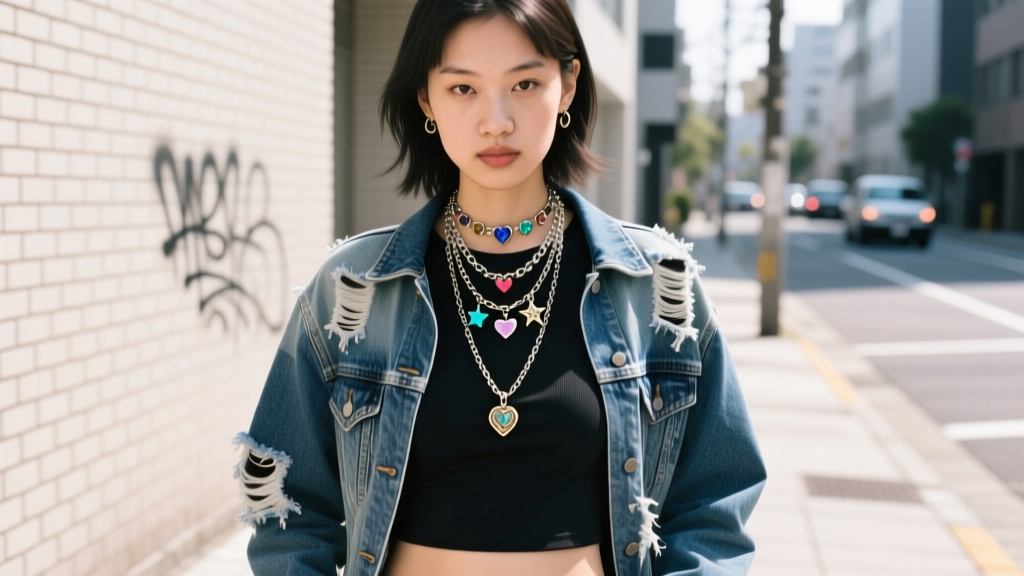
'The key to wearing Y2K archival jewelry today is irony and contrast. You do not wear a Harajuku Lovers piece with a matching pastel tracksuit anymore; you wear it over a faded band tee or under a sharp, oversized blazer to let the charm act as a subversive focal point.' — Mina Sato, Tokyo-based Streetwear Archivist
Neckline Pairings and Layering Frameworks
- The Baby Tee Anchor: Pair a 16-inch harajuku lovers necklace with a tight, cropped baby tee featuring a subtle graphic. The 16-inch length ensures the charms rest perfectly on the collarbone, framing the neckline without getting lost in the fabric.
- The Opium-Core Layer: For a darker aesthetic, layer the 18-inch kawaii charm necklace over a 20-inch oxidized sterling silver Cuban link chain. The contrast between the bright, playful enamel charms and the heavy, blackened silver chain creates a striking visual tension that defines the 2026 neo-goth kawaii movement.
- The Oversized Knit Drape: When wearing chunky, distressed mohair or wool sweaters, opt for a 22-inch or 24-inch chain length. This allows the charms to rest over the bulk of the knitwear, acting as a pendant rather than a choker.
Sourcing, Authentication, and Care
Finding an authentic vintage harajuku lovers necklace requires diligence. According to historical brand documentation, the original merchandise was heavily bootlegged even during its initial retail run. When shopping on platforms like Depop or eBay, always request macro photos of the hallmark stamps. Authentic 2004-2006 pieces will often feature a faint 'SANRIO' or specific licensing stamp on the back of the charms, alongside a slightly oxidized base metal where the plating has worn thin.
If you are investing in a modern, artisan-crafted homage or a pristine vintage piece, proper maintenance is non-negotiable. Never use ultrasonic jewelry cleaners on enamel charms; the high-frequency vibrations can cause micro-fractures in both cold epoxy and vitreous enamel. Instead, clean your necklace using a soft-bristled baby toothbrush, lukewarm water, and a pH-neutral dish soap. Dry immediately with a microfiber cloth to prevent water spots on the gold vermeil. Store the necklace flat in an anti-tarnish pouch, ensuring the charms do not overlap, as the metal edges can scratch the enamel faces over time. By treating these pieces with the care reserved for fine jewelry, the harajuku lovers necklace will remain a staple of the Y2K archive wardrobe for decades to come.


