Hashirama Senju Necklace Materials: Wood, Resin & Metal
Compare wood, resin, and metal materials for your Hashirama Senju necklace. Discover durability, skin safety, and crafting grades for anime jewelry.

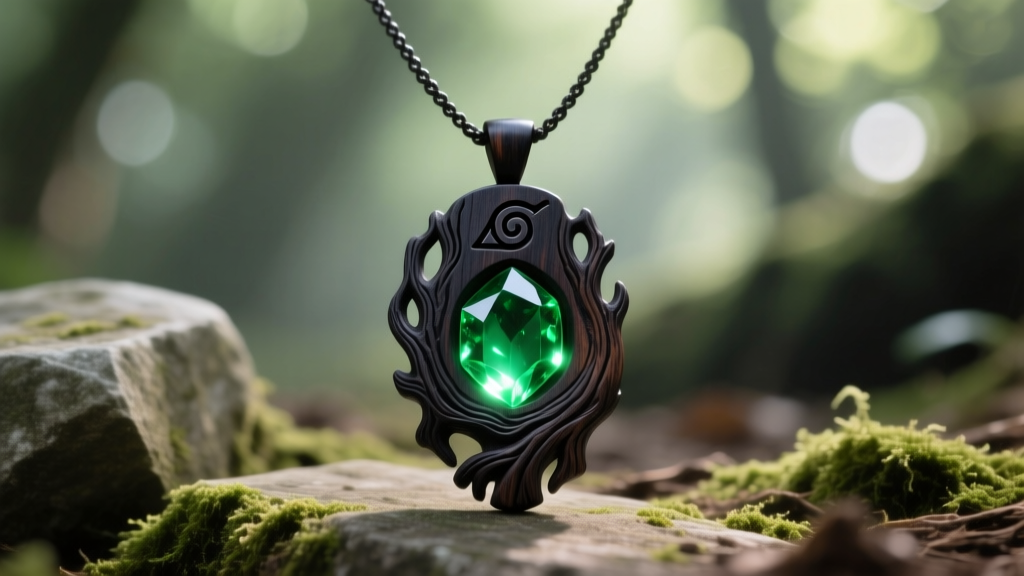
The Material Science Behind the First Hokage's Aesthetic
Hashirama Senju, the legendary First Hokage, remains one of the most iconic figures in anime history, celebrated for his mastery of Wood Release (Mokuton) and his deep connection to the legendary crystal necklace. As we move through 2026, the demand for high-quality, screen-accurate anime jewelry has evolved far beyond cheap, mass-produced convention souvenirs. Today's collectors and cosplayers demand pieces that reflect the elemental nature of the character. Crafting or sourcing the ultimate Hashirama Senju necklace requires a nuanced understanding of material properties, specifically how natural woods, synthetic resins, and metallurgical alloys interact with human skin and environmental factors.
Whether you are commissioning a custom piece from an artisan or evaluating a premium replica, understanding the physical properties of the materials used is critical. A necklace that looks perfect on display can quickly degrade, warp, or cause contact dermatitis if the wrong material grades are selected. This guide breaks down the exact material specifications you need to look for when evaluating Wood Release-inspired pendants, crystal replicas, and the structural chains that hold them together.
The Core Pendant: Natural Wood vs. Cast Resins
The defining characteristic of Hashirama's aesthetic is his Wood Release Kekkei Genkai. Artisans typically interpret this through either carved natural wood or wood-toned epoxy resins. Both materials offer distinct advantages and severe failure modes if not properly treated.
Natural Wood: Sandalwood and Rosewood
High-end artisan necklaces frequently utilize Dalbergia latifolia (Indonesian Rosewood) or Santalum album (Sandalwood). Rosewood is prized for its deep, dark grain and exceptional density, boasting a Janka hardness rating of approximately 2,440 lbf, making it highly resistant to denting from daily wear. Sandalwood, while softer, is chosen for its natural aromatic oils, which mimic the 'living' nature of Mokuton.
Failure Modes: Natural wood is hygroscopic. If a wooden pendant is moved from a high-humidity environment to an air-conditioned, dry room, the rapid loss of moisture content (MC) can cause micro-fissures and catastrophic splitting. To prevent this, premium wood pendants must be sealed with a penetrating carnauba wax or a specialized tung oil finish, rather than surface-level polyurethane, which can chip and peel against the skin.
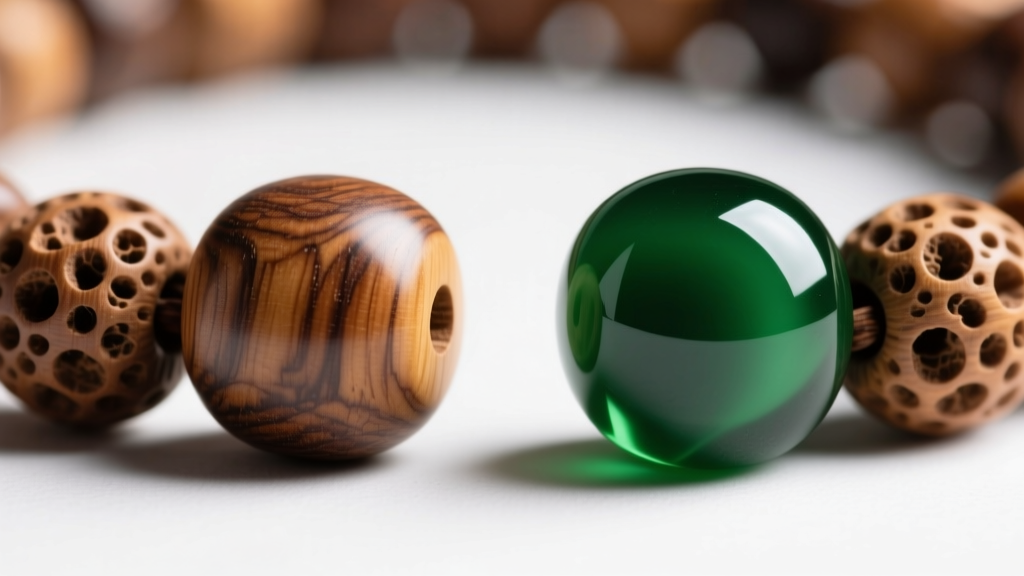
Epoxy Resin and Polyurethane Alternatives
For designs requiring intricate, gravity-defying 'wood' structures or embedded elements, jewelers turn to cast resins. Modern UV-cured epoxy resins can perfectly mimic the chatoyancy and grain of burl wood while offering total waterproofing. However, not all resins are created equal. When evaluating a resin Hashirama Senju necklace, inquire about the presence of HALS (Hindered Amine Light Stabilizers). Without these UV inhibitors, clear or lightly tinted resins will succumb to photo-oxidation, developing a permanent yellowish-brown tint (measured by the Yellowing Index, or YI) within six months of sun exposure.
The Crystal Element: Quartz vs. Acrylic Replicas
Hashirama's lore is deeply intertwined with the crystal necklace he passed down to Tsunade, and eventually Naruto. Replicating this iconic green gemstone requires balancing visual accuracy with physical weight and durability. According to the Gemological Institute of America (GIA), natural quartz varieties like Green Aventurine or Prasiolite are the standard for premium replicas, but synthetic alternatives dominate the mid-tier market.
| Material | Mohs Hardness | Specific Gravity (Weight) | UV Stability | Avg. Price Range (USD) |
|---|---|---|---|---|
| Natural Green Aventurine | 7.0 | 2.65 (Heavy) | Excellent | $45 - $120 |
| Synthetic Cubic Zirconia (Green) | 8.0 - 8.5 | 5.60 (Very Heavy) | Excellent | $25 - $60 |
| Cast Polyurethane Resin | 2.5 - 3.0 | 1.10 (Lightweight) | Poor (Yellows) | $10 - $25 |
| Turned Acrylic (Lucite) | 3.0 | 1.18 (Lightweight) | Good (If UV graded) | $15 - $35 |
While natural Aventurine provides an authentic, cold-to-the-touch thermal signature and beautiful natural inclusions, its Mohs hardness of 7 means it can still chip if dropped on a hard surface. Acrylic and polyurethane replicas solve the weight issue—making them ideal for heavy cosplay rigs—but they are highly susceptible to micro-scratches from everyday dust (which contains silica, Mohs 7). If you opt for an acrylic crystal pendant, it must be polished periodically with a specialized plastic buffing compound to maintain its optical clarity.
Chain Metallurgy: Surviving Daily Wear and Sweat
The most common point of failure in anime-inspired jewelry is not the pendant, but the chain and clasp hardware. The human body produces slightly acidic sweat containing chlorides, which rapidly corrodes inferior base metals. When sourcing a Hashirama Senju necklace for daily wear or active convention use, the metallurgical grade of the chain is non-negotiable.
The Danger of Zinc Alloys and Pot Metal
Budget replicas frequently use cast zinc alloys (often marketed vaguely as 'Tibetan Silver' or 'Antique Bronze'). These alloys contain high levels of copper and nickel. When exposed to sweat, the copper oxidizes, leaving a green stain on the skin, while the nickel triggers allergic contact dermatitis in approximately 15% of the population. Furthermore, the internal springs in zinc alloy lobster clasps are prone to fatigue and snapping under the dynamic load of a heavy wooden or stone pendant.
The Standard: 316L Surgical Stainless Steel
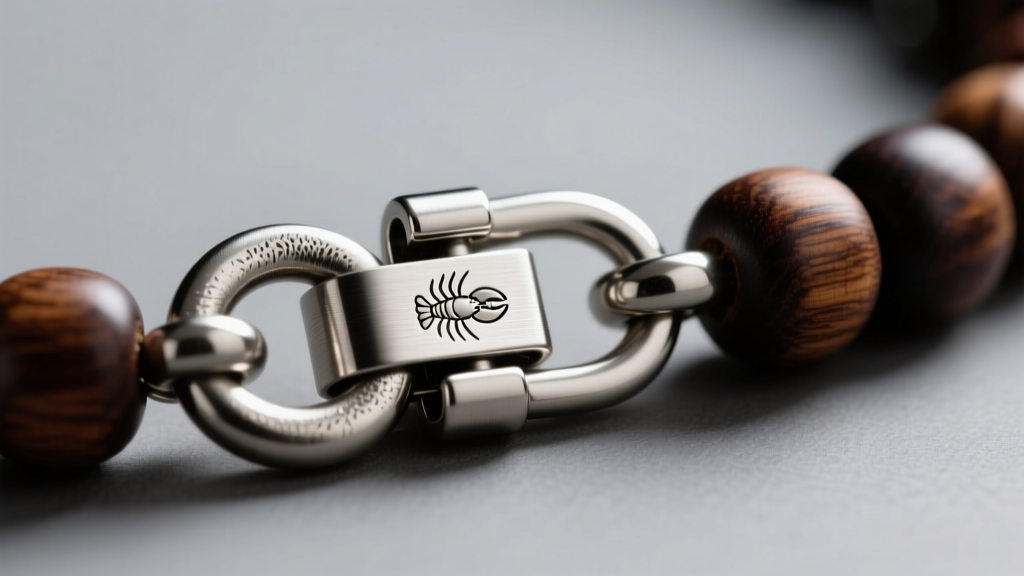
For premium pieces, 316L surgical stainless steel is the absolute minimum acceptable standard. As noted by jewelry insurance and care experts at Jewelers Mutual, the 'L' stands for low carbon, but the critical element is the addition of 2-3% molybdenum. This molybdenum content specifically prevents pitting corrosion from chlorides found in human sweat and ocean water. A 316L steel chain paired with a secure, spring-loaded stainless steel lobster clasp ensures that your heavy Mokuton-inspired pendant remains safely attached, even during active movement.
Long-Term Maintenance and Care Framework
Preserving the integrity of a mixed-material necklace requires a segmented care approach. You cannot simply throw a piece combining natural wood, resin, and steel into an ultrasonic cleaner.
- Wood Elements: Wipe with a dry microfiber cloth. Reapply a light coat of food-grade mineral oil or specialized wood wax every 6 to 12 months to prevent desiccation and cracking. Never submerge wood in water.
- Resin and Acrylic Crystals: Clean only with lukewarm water and a mild, non-abrasive dish soap. Avoid alcohol-based cleaners or glass cleaners (like Windex), as the solvents will cause acrylic to craze and cloud permanently.
- 316L Steel Hardware: Can be safely cleaned with a soft toothbrush and mild soapy water. If the steel loses its luster, a gentle polish with a jeweler's rouge cloth will restore the brushed or mirror finish without removing the protective chromium oxide layer.
Final Verdict: Building the Ultimate Piece
The perfect Hashirama Senju necklace is a masterclass in material synergy. By combining a stabilized, wax-sealed Rosewood pendant for authentic Mokuton aesthetics, a UV-stabilized epoxy or natural Aventurine crystal for the iconic lore element, and a 316L surgical steel chain for structural integrity, you create a piece of jewelry that transcends mere costume. It becomes a durable, skin-safe, and historically accurate artifact that honors the First Hokage while standing up to the rigorous demands of modern daily wear and high-level cosplay.


