Hatchet Man Necklace Materials: Silver vs Steel vs Pewter Guide
Compare pewter, stainless steel, sterling silver, and gold for your hatchet man necklace. Discover durability, pricing, and chain pairing tips.

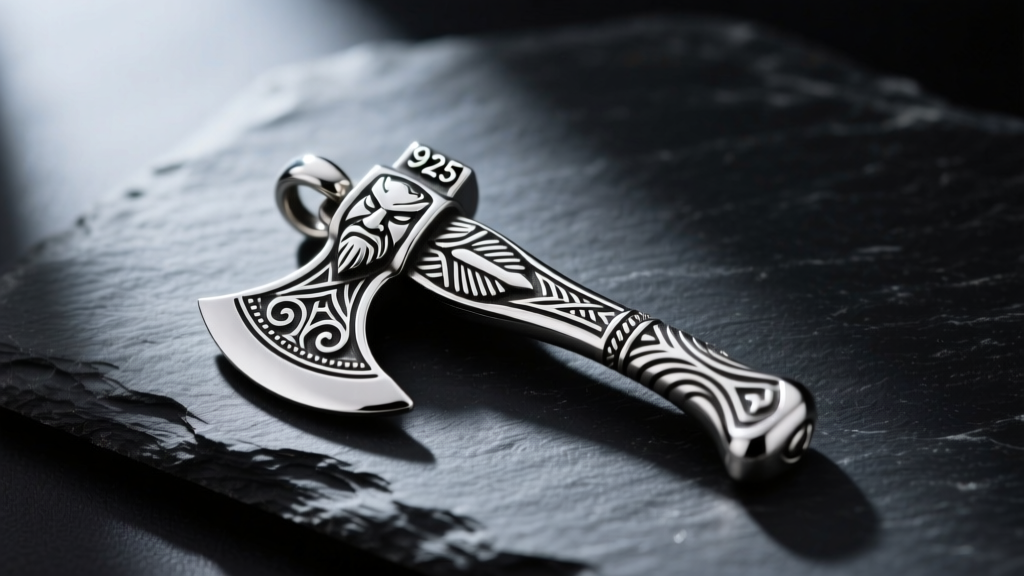
The Anatomy of a Hatchet Man Pendant
The Hatchet Man is far more than a piece of novelty jewelry; it is a deeply ingrained cultural symbol for the Juggalo community and fans of Insane Clown Posse. Because this pendant represents identity and loyalty, it is typically worn daily, subjected to sweat, outdoor festivals, and physical activity. As of 2026, the market is flooded with hatchet man necklaces ranging from $15 pot-metal knockoffs to $2,000 custom diamond-set solid gold pieces. Choosing the right material is critical. A pendant that bends, snaps at the bail, or turns your chest green defeats the purpose of wearing a symbol of resilience. This guide breaks down the metallurgical properties, casting methods, and real-world durability of the four most common metals used for hatchet man pendants: pewter, stainless steel, sterling silver, and solid gold.
Material Breakdown: From Budget to Premium
Pewter and White Metal Alloys (The Budget Tier)
Pewter is traditionally the entry-level metal for novelty pendants. Modern, high-quality pewter is primarily tin (85-99%), alloyed with copper and antimony for hardness. However, many cheap hatchet man necklaces sold at gas stations or unofficial merch tents are made from "pot metal" or zinc alloys disguised as pewter. These inferior alloys are brittle. The most common failure mode for cheap pewter pendants is the bail (the loop connecting the pendant to the chain) snapping under the weight of a heavy chain or during physical movement. Furthermore, low-grade zinc alloys will cause contact dermatitis and leave a grayish-black smudge on the skin due to rapid oxidation and nickel contamination. If you must buy pewter, look for a "Lead-Free Britannia Pewter" stamp, which ensures a safe, highly detailed casting that won't poison your skin, though it will still remain soft and prone to bending on the Mohs hardness scale.
316L Surgical Stainless Steel (The Workhorse)
For daily abuse, 316L marine-grade stainless steel is the undisputed champion of the mid-tier market. Unlike standard 304 stainless steel, 316L contains molybdenum, which drastically increases its resistance to chlorides and industrial solvents. In practical terms, this means your hatchet man necklace will not rust or pit when exposed to heavy sweat at a summer music festival or accidental chlorine exposure. Steel pendants are typically die-cast or CNC-machined, resulting in sharp, aggressive lines on the hatchet blade and the figure's facial features. The primary drawback of steel is its hardness; while it will never bend or break, it cannot be easily resized or repaired by a local jeweler if the bail somehow fails. It is also heavier than silver, giving the pendant a substantial, premium feel on the chest without the premium price tag.
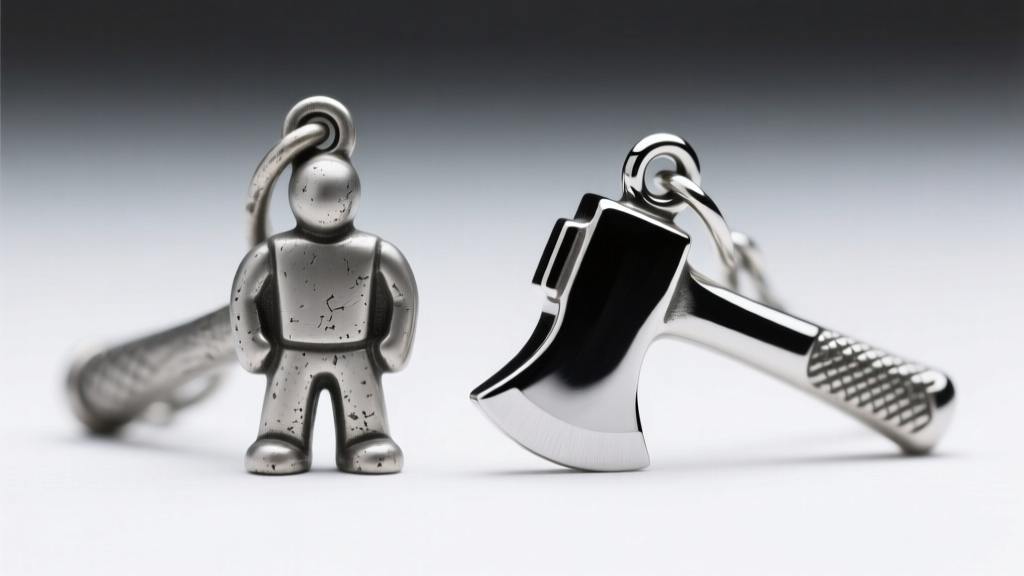
925 Sterling Silver (The Collector’s Choice)
Sterling silver (92.5% pure silver, 7.5% copper) is the standard for high-end, officially licensed hatchet man jewelry. Because silver has a lower melting point and excellent flow characteristics, jewelers use the lost-wax casting method to create silver pendants. This allows for extreme detail—deep undercuts in the hatchet handle, textured clothing folds, and oxidized shading that makes the design pop. According to the Gemological Institute of America (GIA), the copper added to sterling silver provides necessary structural integrity, but it also makes the metal susceptible to tarnishing (silver sulfide formation) when exposed to sulfur in the air and human sweat. Many 2026 silver hatchet man pendants are plated with a micro-layer of rhodium to delay tarnishing, but purists often prefer the raw, un-plated silver so it can develop a personalized patina over years of wear.
Solid Gold and Gold Vermeil (The Premium Flex)
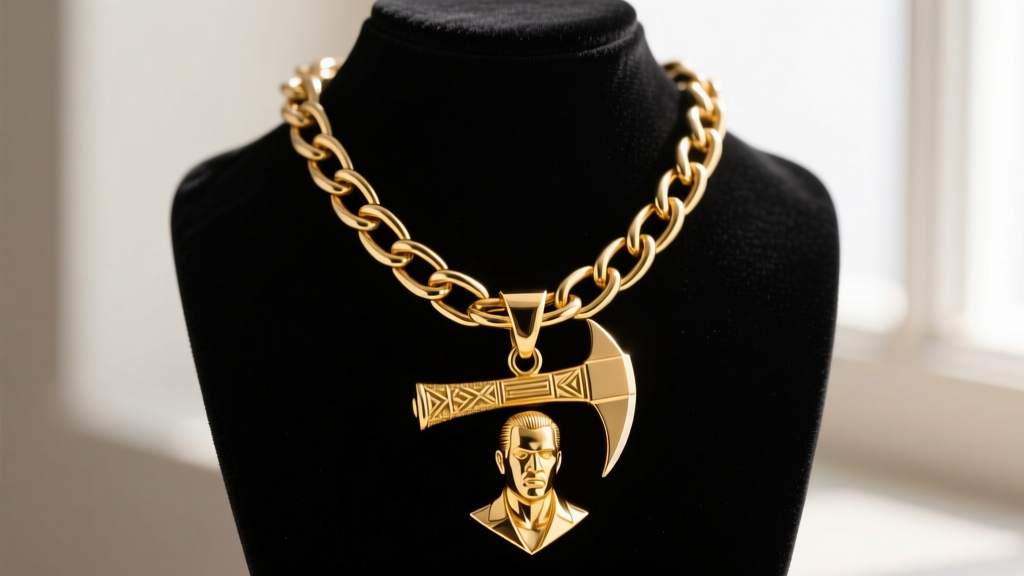
For milestone celebrations or high-end collectors, solid 10k or 14k gold hatchet man pendants offer unmatched prestige. 10k gold (41.7% pure gold) is highly durable and resistant to scratching, making it ideal for a heavy, oversized pendant that might swing and strike against zippers or buttons. 14k gold offers a richer yellow hue but is slightly softer. Avoid gold vermeil (silver plated with a thin layer of gold) for a pendant of this size; the friction from the chain rubbing against the bail will wear through the gold plating within months, exposing the silver underneath and creating a two-tone, patchy appearance.
Comparative Data: Durability, Tarnish, and Pricing
When shopping for a hatchet man necklace, use this matrix to align your budget with your lifestyle requirements.
| Material | Mohs Hardness | Tarnish / Rust Resistance | Avg Price Range (1.5" Pendant) | Best Chain Pairing |
|---|---|---|---|---|
| Zinc Alloy / Cheap Pewter | 1.5 - 2.0 | Poor (Oxidizes, turns skin green) | $12 - $25 | Lightweight Cotton Cord |
| Britannia Pewter | 2.5 - 3.0 | Moderate (Dulls over time) | $30 - $55 | Thin Leather Cord (2mm) |
| 316L Stainless Steel | 5.5 - 6.0 | Excellent (Sweat/Water proof) | $45 - $90 | Steel Rope Chain (3mm) |
| 925 Sterling Silver | 2.5 - 3.0 | Poor (Tarnishes, requires polishing) | $120 - $350 | Silver Cuban Link (4mm) |
| Solid 14k Yellow Gold | 3.5 - 4.0 | Excellent (Will not tarnish) | $800 - $2,500+ | Solid Gold Rope Chain |
Chain Pairings and Bail Hardware Sizing
A heavy hatchet man pendant will destroy a weak chain. The physics of a top-heavy pendant swinging on a thin chain creates immense shear stress on the chain's clasp and the pendant's bail. If you are buying a solid steel or silver pendant that weighs over 20 grams, you must pair it with a chain that has a minimum thickness of 3.0mm. Rope chains and Cuban (curb) links are the best choices because their interlocking links distribute weight evenly and resist kinking.
Pay close attention to the bail interior diameter. Many mass-produced hatchet man pendants feature a "pinch bail" or a very small soldered loop meant for thin 1.5mm box chains. If you intend to wear the pendant on a thick, masculine rope chain, you must verify that the bail has an interior clearance of at least 4.5mm. Otherwise, you will need to take the piece to a jeweler to have the bail sawed off and a heavy-duty, soldered jump-ring bail installed—a modification that typically costs between $25 and $40.
Maintenance and Troubleshooting Common Failures
Even the best metals require specific maintenance protocols to keep the intricate details of the hatchet blade and the figure's face looking sharp.
- Sterling Silver Tarnish Removal: Do not use abrasive silver dips, as they will strip the intentional black oxidation (antiquing) from the crevices of the pendant, leaving it looking flat and washed out. Instead, use a polishing cloth on the raised surfaces only. For heavy, all-over tarnish, the electrochemical aluminum foil bath method is highly effective and safe for gemstone inlays.
- Stainless Steel Cleaning: Steel is virtually indestructible regarding chemicals. You can clean a grimy steel hatchet man pendant with warm water, dish soap, and a soft-bristled toothbrush. For a mirror finish restoration, a jeweler's rouge cloth will remove micro-scratches.
- Bail Snapping (Pewter/Zinc): If a cheap pewter bail snaps, superglue will not hold it. The shear strength of cyanoacrylate is too low for neck jewelry. The only permanent fix is to drill a micro-hole through the top of the pendant and wire-wrap a new sterling silver or steel bail using 20-gauge dead-soft wire.
Final Verdict: Choosing Your Metal
If you are buying a hatchet man necklace for a teenager or as a temporary festival accessory, a high-quality Britannia pewter piece on a leather cord is sufficient. For the dedicated fan who wants a piece of jewelry that will survive daily wear, showers, and mosh pits without rusting or turning the skin green, 316L surgical stainless steel is the most pragmatic investment. However, for the serious collector who values heirloom quality, deep casting details, and the intrinsic value of precious metals, a 925 sterling silver or solid 14k gold hatchet man pendant, paired with a heavy-duty rope chain, remains the ultimate standard.


