A Beginner's Guide to the Hawaii Flower Necklace
Discover how to choose, style, and care for your first Hawaii flower necklace. Learn about plumeria motifs, metal grades, and tropical jewelry care.

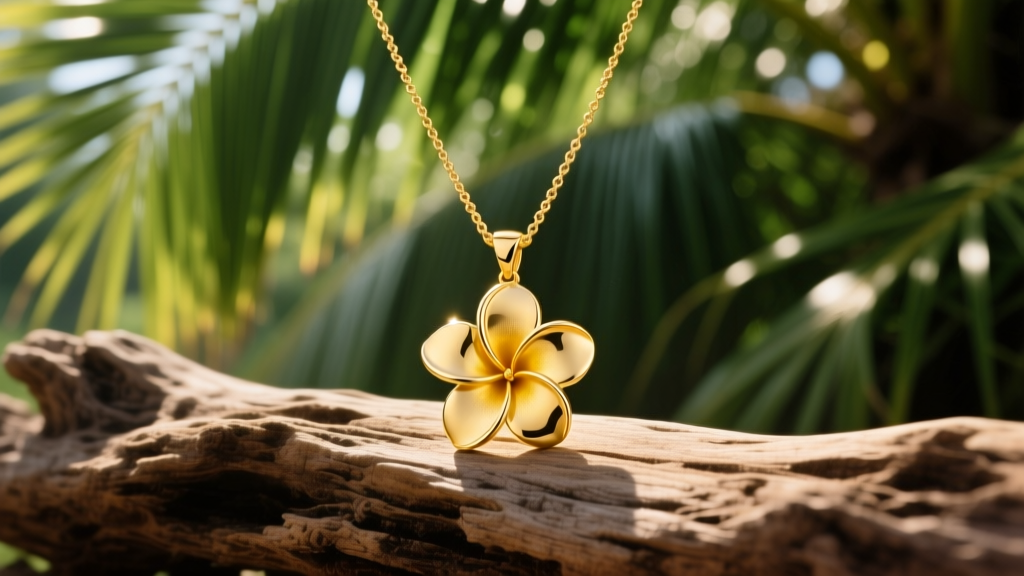
When you think of island-inspired jewelry, the mind immediately drifts to the iconic Hawaii flower necklace. Far from being a simple vacation souvenir, these botanical pendants and lei-style chains are deeply rooted in Polynesian culture, representing the Aloha spirit, hospitality, and a profound connection to nature. For beginners stepping into the world of botanical jewelry, navigating the sheer volume of options—from tourist-shop trinkets to heirloom-quality pieces—can be overwhelming.
Whether you are purchasing your first piece to commemorate a tropical getaway or looking to incorporate island aesthetics into your everyday wardrobe, understanding the nuances of floral symbolism, metal durability, and craftsmanship is essential. This guide will walk you through everything you need to know to select a high-quality Hawaii flower necklace that will last a lifetime.
The Language of Lei: Understanding Floral Symbolism
In Hawaiian culture, flowers are never just decorative; they carry deep spiritual and emotional meanings. According to the Hawaii Tourism Authority, the tradition of gifting floral leis is a gesture of aloha, respect, and affection. When choosing a Hawaii flower necklace, selecting the right bloom allows you to wear a piece of this cultural narrative.
Plumeria (Frangipani)
The plumeria is arguably the most recognizable motif in Hawaiian jewelry. With its five distinct, swirling petals, it symbolizes positivity, new beginnings, and grace. In traditional culture, the plumeria is also used to indicate a person's romantic availability: worn behind the right ear, the wearer is single; behind the left, they are taken. A plumeria pendant is the perfect entry-level piece for those seeking a versatile, everyday necklace.
Hibiscus (Pua Aloalo)
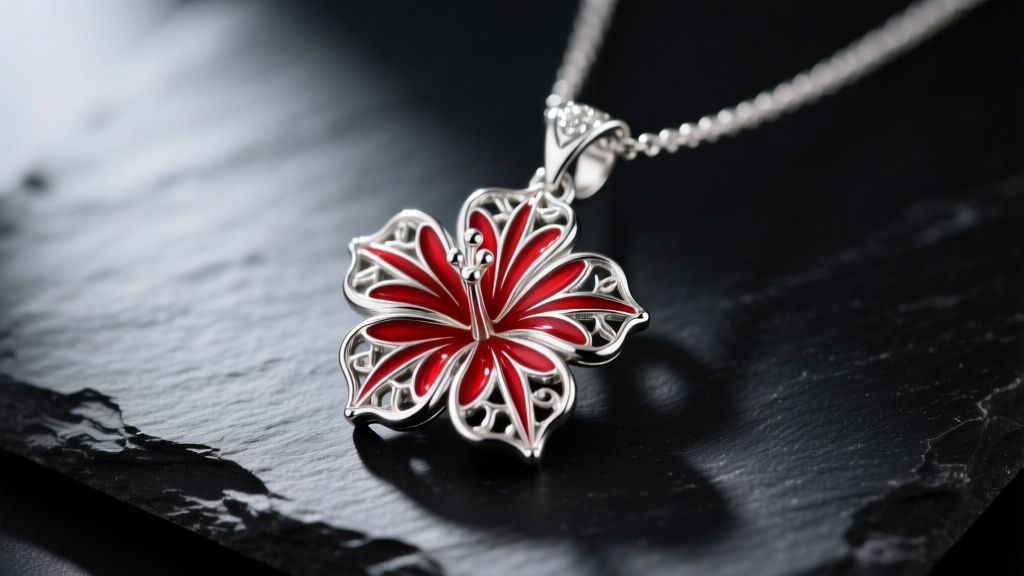
The yellow hibiscus is the official state flower of Hawaii, though you will find hibiscus pendants crafted in vibrant reds, pinks, and oranges. The hibiscus represents delicate beauty, hospitality, and the fleeting nature of life, as the blossom typically only lasts for a single day. Hibiscus pendants tend to be slightly larger and more intricate, making them ideal statement pieces.
Orchid (Okika)
While not native to the islands, orchids have been cultivated in Hawaii for over a century and are a staple in modern lei-making. In jewelry, the orchid motif symbolizes luxury, strength, and rare beauty. Orchid pendants often feature more angular, geometric petal designs compared to the soft curves of the plumeria.
Navigating Metal Grades for Tropical Climates
The biggest mistake beginners make when buying a Hawaii flower necklace is ignoring the metal composition. Island climates are characterized by high humidity and salt air, both of which accelerate oxidation and tarnishing in lower-grade metals. If you live near the coast or plan to wear your necklace in tropical environments, your choice of alloy is critical.
| Metal Grade | Price Range | Humidity & Tarnish Resistance | Best For |
|---|---|---|---|
| Solid 14k Gold | $350 - $900+ | Excellent (Will not tarnish) | Heirloom pieces, daily wear, swimming |
| Argentium 925 Silver | $90 - $250 | Very High (Germanium alloy prevents oxidation) | Everyday wear, budget-conscious buyers |
| Standard 925 Sterling | $60 - $180 | Moderate (Requires frequent polishing) | Occasional wear, dry climates |
| Gold-Filled (1/20 14k) | $45 - $120 | High (Thick gold layer protects brass core) | Travel jewelry, layered styling |
For silver lovers, we highly recommend seeking out Argentium Silver. Unlike traditional sterling silver, which contains 7.5% copper (the culprit behind black tarnish), Argentium replaces some of that copper with germanium. As noted by the Gemological Institute of America (GIA), this elemental shift creates a transparent oxide layer that drastically slows down tarnishing, making it a superior choice for tropical-themed jewelry.
Enamel and Inlay: Spotting Quality Craftsmanship
Many Hawaii flower necklaces incorporate color to bring the botanical motifs to life. The method used to apply this color is the primary differentiator between a $15 tourist trap and a $150 artisan-crafted pendant.
- Cold Enamel (Epoxy Resin): Common in mid-range jewelry. It is painted or dropped into the metal recesses and cured at room temperature. High-quality cold enamel is durable and vibrant, but cheap versions will yellow or peel after a year of UV exposure.
- Vitreous Enamel: The hallmark of luxury. This is finely ground glass fused to the metal in a kiln at over 1400°F. It will never fade, yellow, or scratch easily. If a piece features vitreous enamel, the jeweler will explicitly advertise it.
- Mother-of-Pearl Inlay: A traditional Hawaiian technique where carved shell is set into the metal petals. Look for flush settings where the shell is perfectly level with the metal bezel to prevent snagging on clothing.
Sizing and Chain Pairing for Floral Pendants
A beautiful pendant can be ruined by an inadequate chain. Floral pendants, particularly hibiscus and orchid designs, are often top-heavy due to their wide, asymmetrical petal structures.
Choosing the Right Gauge
For a standard 12mm to 18mm plumeria or hibiscus pendant, avoid delicate 0.8mm chains. The weight of the pendant will cause thin chains to stretch, kink, or eventually snap at the clasp. Instead, opt for a 1.2mm to 1.5mm box chain or a 1.5mm rope chain. These weaves provide the structural integrity needed to support the pendant while remaining flexible enough to drape elegantly across the collarbone.
Clasp Mechanics
Ensure your necklace features a lobster clasp rather than a spring-ring clasp. Lobster clasps offer a more secure lock and are significantly easier to manipulate, which is crucial when dealing with the slightly heavier chains required for island-style pendants.
Essential Care Routine for Island-Inspired Jewelry
Proper maintenance ensures your Hawaii flower necklace retains its luster and structural integrity. The Jewelers of America emphasizes that environmental factors like sunscreen, salt water, and chlorine are highly corrosive to both metals and enamel finishes.
Step-by-Step Cleaning Guide
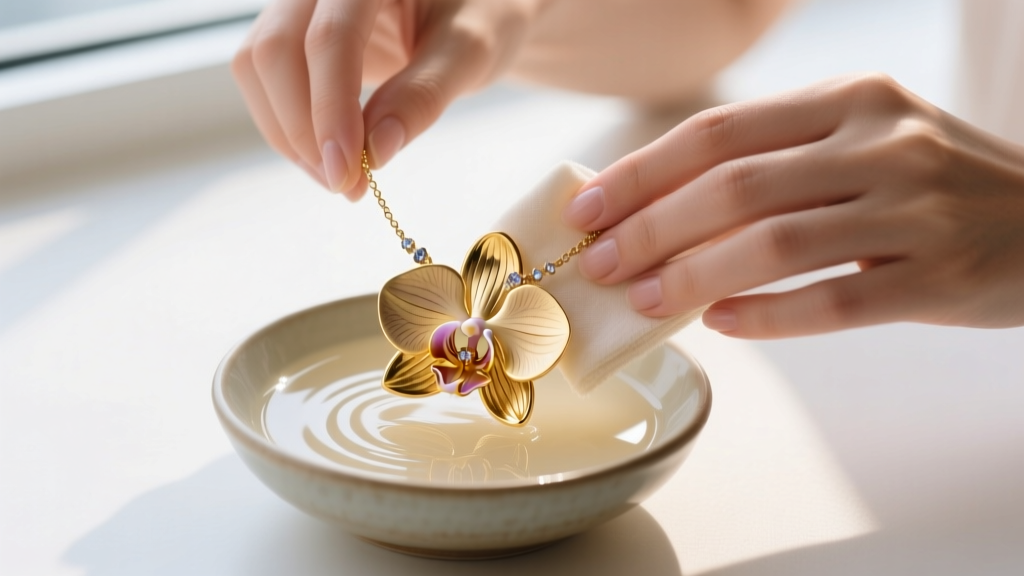
- Prepare a Gentle Bath: Mix a few drops of phosphate-free dish soap into a bowl of lukewarm water. Never use hot water, as extreme temperature shifts can cause enamel or shell inlays to crack or detach from the metal setting.
- Soft Agitation: Submerge the necklace for 3 to 5 minutes. Use a baby-soft toothbrush to gently sweep away debris from the crevices of the flower petals. Do not scrub aggressively over enamel sections.
- Rinse and Dry: Rinse thoroughly under distilled or filtered water to avoid hard water spots. Pat dry with a lint-free microfiber cloth. Never air-dry, as water spots will linger on the polished metal.
- Storage: Store your necklace in an airtight ziplock bag with an anti-tarnish silica strip. Keep it laid flat; hanging heavy floral pendants for long periods can cause the chain links to permanently elongate.
Final Thoughts on Your First Purchase
Investing in a Hawaii flower necklace is about more than just acquiring a beautiful accessory; it is about embracing a rich cultural heritage and a reminder of nature's resilience. By prioritizing high-grade metals like Argentium silver or solid 14k gold, scrutinizing the enamel application, and pairing your pendant with a structurally sound chain, you ensure that your botanical jewelry remains a vibrant, wearable piece of the islands for decades to come. Take your time, research the artisan, and choose a bloom that speaks to your personal journey.


