Hawaii Necklace Flower Trends: 2026 Plumeria & Orchid Styles
Discover 2026 hawaii necklace flower trends. Explore fine jewelry plumeria, hibiscus, and orchid pendants, material grades, and styling tips.

The Evolution of the Hawaii Necklace Flower in Fine Jewelry
The traditional hawaii necklace flower motif has undergone a massive renaissance in the fine jewelry sector. Historically relegated to mass-produced tourist souvenirs crafted from stamped brass or cold-painted alloys, tropical floral pendants have been reclaimed by high-end designers and contemporary Hawaiian artisans. As we navigate the 2026 jewelry landscape, the demand for botanically accurate, meticulously crafted floral necklaces has surged. Consumers are no longer looking for cheap trinkets; they are investing in heirloom-quality pieces featuring vitreous enamel, 18k gold, and ethically sourced mother-of-pearl inlays.
According to recent market analyses featured in Vogue Jewelry Trends, nature-inspired motifs remain dominant, but the modern buyer demands structural integrity and material transparency. This guide breaks down the specific flower species dominating the market, the metallurgy behind them, and how to style these pieces with precision.
2026 Trend Forecast: Which Floral Motifs Are Dominating?
Not all tropical flowers are treated equally in the jewelry workshop. The structural geometry of the bloom dictates the casting method, the enamel application, and the final price point. Here is the breakdown of the top three floral silhouettes defining this year's collections.
Plumeria (Melia): The Minimalist Standard
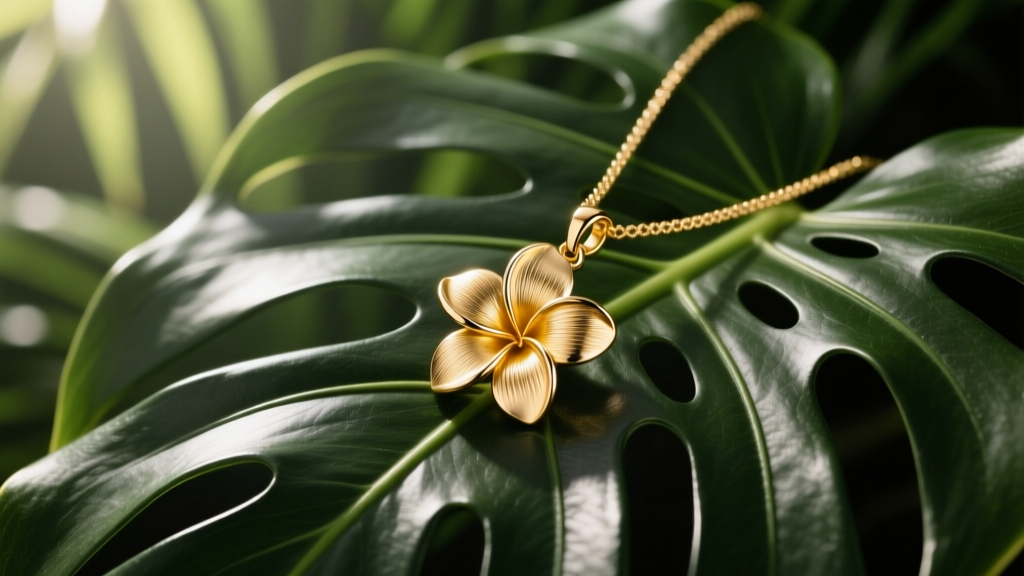
The plumeria remains the undisputed icon of Hawaiian jewelry. However, a critical piece of industry knowledge dictates modern design: the iconic five-petal plumeria design was heavily copyrighted by the late Philip Rickard. To navigate intellectual property restrictions while maintaining authenticity, 2026 collections heavily feature four-petal plumeria variations or highly stylized, abstract geometric interpretations.
Top-tier artisans are moving away from high-polish finishes, opting instead for sandblasted or brushed textures on 14k and 18k yellow gold. This matte finish mimics the soft, velvety texture of the actual flower petals and hides micro-scratches far better than traditional mirror polishes. Standard pendant sizes range from 12mm for delicate layering to 25mm for statement solitaire pieces.
Hibiscus: Bold Enamel & Inlay Techniques
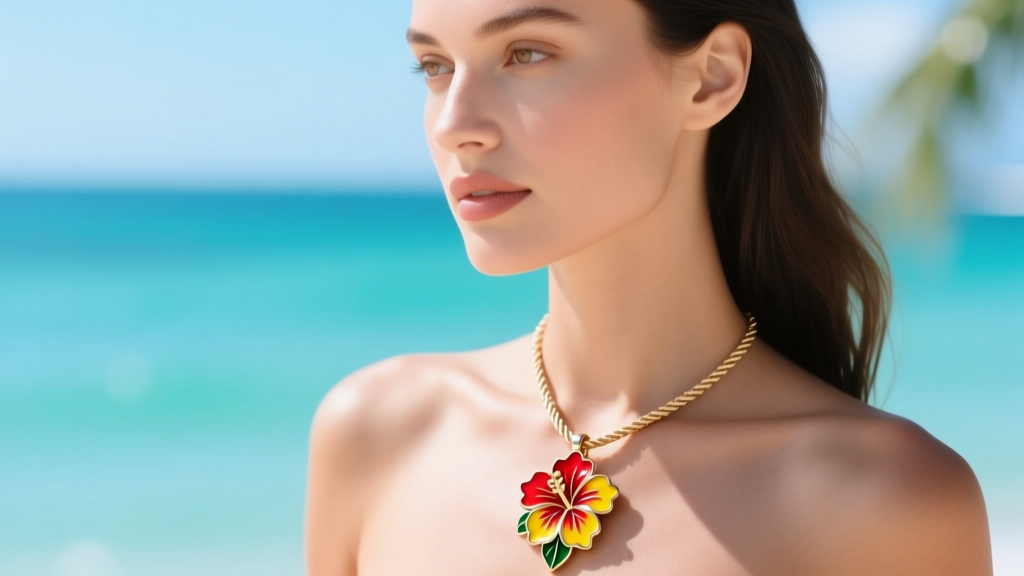
The hibiscus flower presents a unique engineering challenge due to its wide, overlapping petals and prominent central stamen. In 2026, the focus is on guilloché vitreous enamel. Unlike cheap cold epoxy resins that yellow and chip within months, vitreous enamel is essentially crushed glass fused to a metal base (usually copper or 18k gold) in a kiln at approximately 1400°F (760°C). The GIA Gem Encyclopedia notes that properly fired vitreous enamel possesses a Mohs hardness of around 3.5 to 4, making it highly resistant to UV fading and chemical degradation from perfumes or lotions.
Orchid & Pikake: The Delicate Layering Pieces
Orchids (specifically the Vanda and Dendrobium varieties) are inherently three-dimensional and fragile. To capture their intricate ruffled edges without creating a heavy, unwearable pendant, jewelers are utilizing electroforming. This process builds up a microscopically thin layer of copper or gold over a wax model, resulting in a lightweight, hollow-backed 3D orchid pendant that offers massive visual impact (often 30mm across) while weighing less than 4 grams.
Material & Craftsmanship Guide: Beyond Basic Souvenirs
When investing in a hawaii necklace flower pendant, understanding the material composition is non-negotiable. The table below outlines the primary materials used in contemporary fine tropical jewelry, their durability profiles, and current market pricing.
| Material / Technique | Best Flower Motif | Durability & Maintenance | 2026 Price Range |
|---|---|---|---|
| Solid 14k Yellow Gold | Plumeria, Pikake | Highly durable; requires occasional ultrasonic cleaning. Will not tarnish. | $450 - $1,200 |
| Vitreous Enamel on 18k Gold | Hibiscus, Orchid | Excellent UV resistance; brittle upon hard impact. Avoid dropping on tile. | $1,500 - $3,800 |
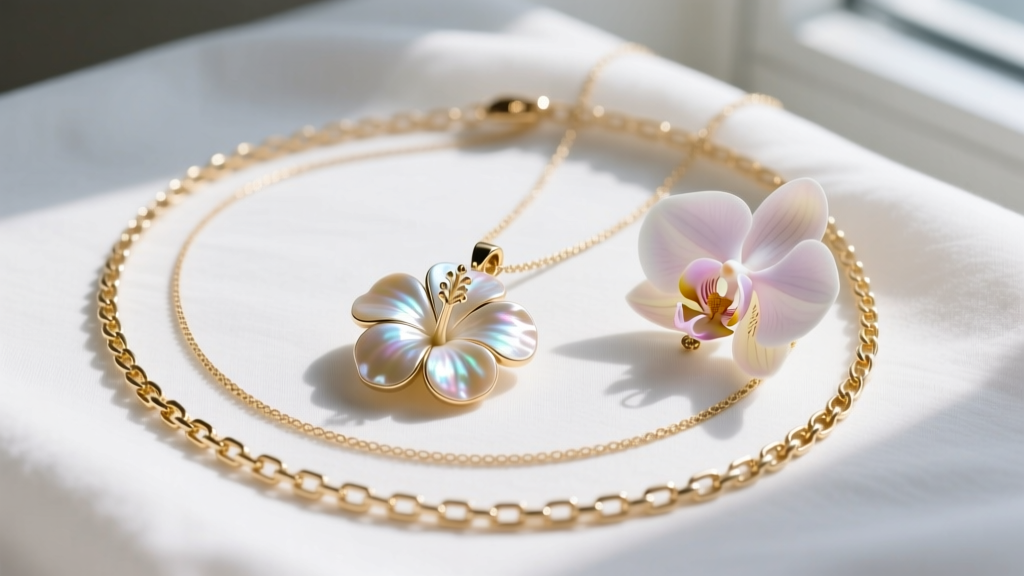
| Mother-of-Pearl (MOP) Inlay | Hibiscus, Plumeria | Moderate scratch resistance (Mohs 2.5-4.5). Keep away from harsh acids. | $600 - $1,800 |
| Oxidized Sterling Silver (925) | Orchid, Fern pairings | Prone to sulfur tarnish; requires regular polishing with a jeweler's cloth. | $150 - $400 |
Styling & Layering Frameworks for Floral Pendants
A standalone floral pendant is beautiful, but the 2026 styling ethos revolves around the 'Cascade Method'—layering multiple chains of varying gauges and lengths to create a cohesive, organic look that mimics the lushness of a tropical canopy.
- The Base Layer (16 inches): Use a 0.9mm to 1.1mm solid cable chain in 14k gold. This sits high on the collarbone and provides a subtle metallic foundation without competing with the pendants.
- The Focal Point (18 inches): Anchor this layer with your primary hawaii necklace flower pendant (e.g., a 15mm brushed gold plumeria). A 1.2mm box chain is ideal here, offering enough tensile strength to support a 5-gram pendant while maintaining a modern, geometric aesthetic.
- The Statement Drop (22 to 24 inches): Finish with a longer 1.5mm rope chain featuring a larger, 25mm electroformed orchid or a mother-of-pearl inlay hibiscus. The rope chain's twisted links catch the light, drawing the eye downward and elongating the neckline.
'The secret to layering tropical motifs without looking costumey is to mix textures. Pair a high-polish gold chain with a matte-finish or enamel pendant. The contrast in light reflection is what elevates the look from souvenir to high fashion.' — Contemporary Jewelry Stylist, 2026
Pricing Tiers & Where to Invest
The market for Hawaiian floral jewelry is distinctly segmented. Understanding these tiers will help you allocate your budget effectively based on your lifestyle and wear-frequency.
Entry-Level Heritage ($150 - $450)
At this tier, you are primarily looking at sterling silver or 10k gold pieces with cold enamel or basic shell inlays. These are excellent for everyday, casual wear and beach vacations where the risk of loss or damage is higher. Look for brands that offer rhodium-plating on their silver to delay tarnishing.
The Artisan Mid-Tier ($500 - $1,500)
This is the sweet spot for most buyers. Here, you will find solid 14k gold plumeria and pikake pendants, as well as high-quality laser-cut mother-of-pearl inlays set in gold bezels. The craftsmanship at this level usually includes hand-engraved detailing on the bail (the loop that connects the pendant to the chain) and secure, laser-welded jump rings.
Luxury Heirloom ($1,800 - $5,000+)
Luxury pieces feature 18k gold, kiln-fired vitreous enamel, and occasionally diamond accents (often melee diamonds set into the center of an orchid or hibiscus). These pieces are crafted by master jewelers in Honolulu and Maui, often requiring weeks of bench time. They are investment-grade wearable art, meant to be passed down through generations.
Authenticating Quality: What to Look For
When shopping for a premium hawaii necklace flower piece, inspect the bail and the underside of the pendant. High-end artisans will often leave the back of the pendant open (a 'pierced' back) to allow light to pass through mother-of-pearl inlays, enhancing their natural iridescence. Furthermore, check the hallmark: genuine Hawaiian heirloom and fine contemporary pieces will be stamped with '14K' or '18K' alongside the maker's mark. Avoid pieces where the floral detailing looks soft or melted; this indicates poor casting quality or the use of low-grade base metals that cannot hold crisp, intricate molds. By prioritizing material integrity and botanical accuracy, your floral pendant will remain a timeless staple in your wardrobe for decades to come.


