The 2026 Gift Guide: Choosing a Hawaiian Beads Necklace
Discover how to choose an authentic Hawaiian beads necklace for any occasion. Our 2026 gift guide covers materials, meaning, and care.

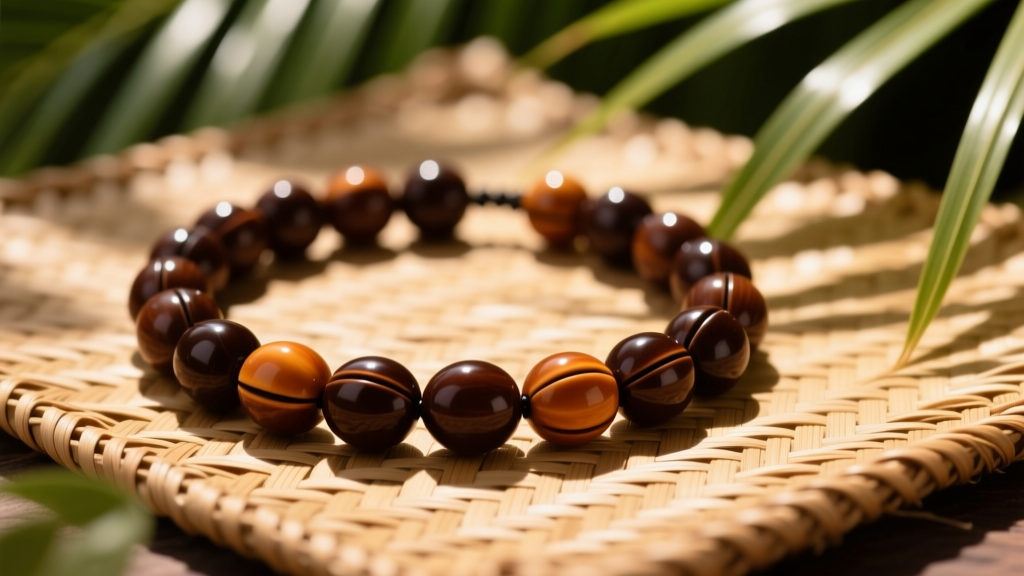
Gifting island beadwork requires navigating the delicate line between cultural appreciation and tourist commodification. While mass-produced plastic leis flood airport gift shops, an authentic Hawaiian beads necklace is a profound cultural artifact, steeped in Polynesian history and natural craftsmanship. As we move through 2026, conscious consumers are increasingly rejecting synthetic fast-fashion jewelry in favor of pieces with verifiable origins, sustainable materials, and deep symbolic resonance.
Whether you are marking a major life milestone, offering a gesture of reconciliation, or celebrating a connection to the islands, understanding the botanical and geological roots of these necklaces is essential. This guide will equip you with the material knowledge, occasion-matching frameworks, and authenticity tests needed to select a piece that honors Hawaiian heritage.
The Cultural Weight of Island Beadwork
Before selecting a gift, it is crucial to understand what these materials represent. According to the Bernice Pauahi Bishop Museum, Hawaii's premier natural and cultural history institution, early Polynesian voyagers utilized every part of their environment for survival and adornment. The most iconic material, the Kukui nut, comes from the candlenut tree (Aleurites moluccanus), which is the official state tree of Hawaii. Historically, the oil was used for light, and the polished nuts were strung to denote royalty, spiritual protection, and enlightenment.
When you gift a genuine Hawaiian beads necklace, you are not merely giving an accessory; you are offering a talisman of protection (ti'ki or bone carvings), a symbol of eternal flow (ocean shells), or a wish for clarity and wisdom (Kukui). Recognizing these meanings transforms your gift from a simple trinket into a deeply intentional gesture.
Material Breakdown: What to Source in 2026
The market is saturated with resin imitations. To ensure your gift carries genuine weight, focus on these four primary authentic materials. Below is a comparative framework to help you match the material to your recipient's lifestyle and your budget.
| Material | Source / Botanical Name | Price Range (USD) | Symbolic Meaning | Durability & Care |
|---|---|---|---|---|
| Kukui Nut | Aleurites moluccanus (Candlenut) | $45 - $150 | Enlightenment, Protection, Peace | High (Requires annual oiling) |
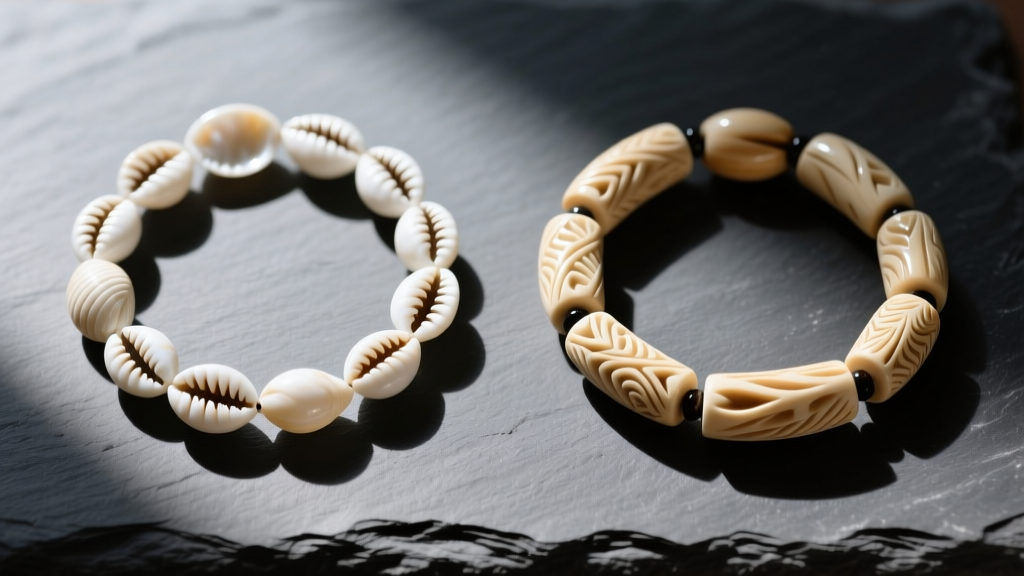
| Puka Shell | Conus miliaris (Cone Snail) | $150 - $600+ | Ocean connection, Eternal flow | Medium (Porous, avoid chemicals) |
| Carved Bone | Bovine bone or antique whale ivory | $80 - $300 | Strength, Navigation, Ancestry | Very High (Avoid extreme heat) |
| Heishi Shell | Pupu, Pearl shell, or Coral | $60 - $250 | Purity, Harmony, Daily grounding | High (Polished, water-resistant) |
Occasion Matching: When to Gift Island Beadwork
Matching the specific material to the life event ensures your gift resonates on a personal and cultural level. Here is how to align your selection with the recipient's milestone.
Graduations and Academic Milestones
For high school or university graduations, the Kukui nut necklace is the undisputed standard. Because the nut was historically used to provide light, it symbolizes the 'light of knowledge' and the enlightenment that comes with education. Opt for a strand of highly polished, dark brown or black Kukui nuts, ideally finished with a traditional sliding knot rather than a metal clasp, to maintain the organic integrity of the piece.
Weddings and Anniversaries
For romantic milestones, look toward the ocean. A high-grade Puka shell necklace represents the enduring, rhythmic nature of the tides. True Puka (which means 'hole' in Hawaiian) refers specifically to the naturally occurring hole in the center of a cone snail shell, smoothed by the ocean's tumbling action. Beware of cheap imitations where holes are drilled into flat shell chips. Authentic Puka beads are slightly asymmetrical, convex on one side, and concave on the other, commanding a premium price but offering unmatched organic beauty for a spouse or partner.
Apologies and Reconciliations
In Hawaiian culture, the practice of ho'oponopono involves reconciliation and making things right. The Hawaii Tourism Authority notes that offering a lei or a handcrafted necklace is a traditional physical manifestation of an apology and a desire to restore harmony. A strand of smooth, white Heishi shell beads or a carved bone pendant representing a fish hook (Makau) can serve as a powerful, respectful peace offering, symbolizing a wish to safely navigate through turbulent relational waters.
Sizing, Lengths, and the Traditional Knot
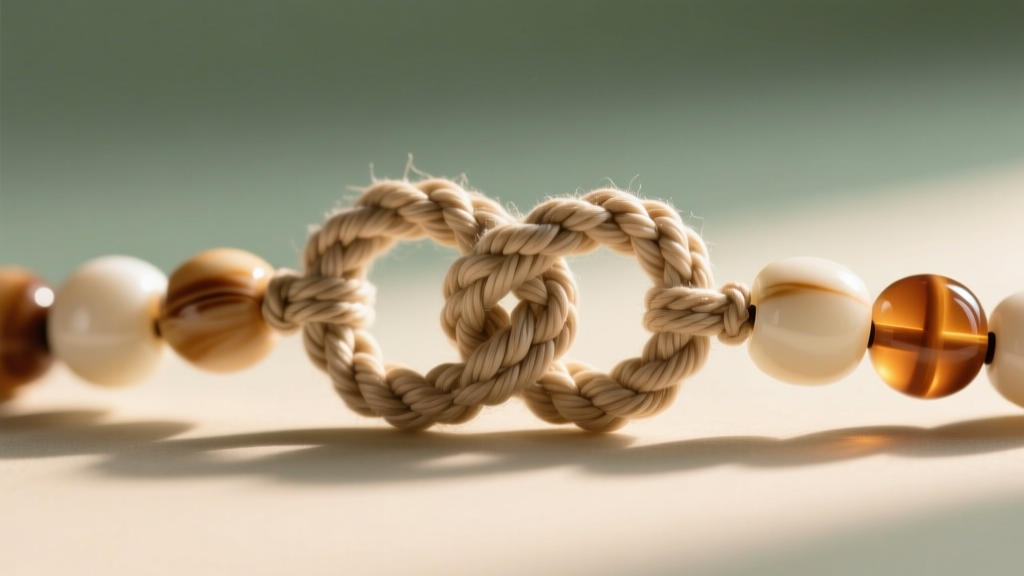
Unlike Western jewelry that relies on sterling silver lobster clasps or jump rings, authentic Hawaiian beadwork prioritizes natural fibers. The most culturally accurate and practical closure for a Hawaiian beads necklace is the sliding macramé knot (often called a square knot or cobra knot adjustment).
- The Adjustable Advantage: A sliding knot allows the necklace to adjust seamlessly from a 16-inch choker length to a 24-inch matinee length. This makes gifting incredibly safe, as you do not need to know the recipient's exact neck circumference.
- Cord Material: Ensure the cord is made of waxed cotton, hemp, or traditional olonā fiber (if you can source it from master weavers). Avoid nylon, which can melt and fray over time when exposed to tropical heat and friction.
- Weight Distribution: For heavier materials like large Kukui nuts or carved bone, the cord should be at least 1.5mm to 2mm thick to prevent snapping under the bead's natural weight.
Authenticity Check: Avoiding Tourist Trap Fakes
The influx of synthetic resins and molded plastics means buyers must be vigilant. Use these expert verification techniques before purchasing a Hawaiian beads necklace:
- The Temperature Test: Natural materials like shell, bone, and dense wood/nuts feel distinctly cool to the touch when first picked up, taking a few seconds to warm to your skin. Plastic and resin beads will immediately feel room-temperature or slightly warm.
- The Visual Inspection (Puka): Examine the edges of the shell beads. Genuine ocean-tumbled Puka shells have smooth, rounded, almost matte edges around the center hole. Machine-drilled shell chips will show sharp, angular drill marks and uniform, flat shapes.
- The Hot Pin Test (Use with Caution): If you already own the piece and want to verify it, heat a sewing needle until red hot and touch it to an inconspicuous area of a bead. Natural shell or bone will emit a faint smell similar to burning hair and will not melt. Plastic or resin will immediately melt, stick to the pin, and smell like harsh chemicals.
Care and Maintenance for Natural Beads
To ensure your gift lasts for generations, include a care instruction card. Natural Hawaiian beads are organic and react to their environment.
Expert Care Tip: Never clean Kukui nuts or carved bone with commercial jewelry dips, alcohol, or ultrasonic cleaners. These will strip the natural oils, leading to severe cracking and a dull, grayish patina.
Instead, advise the recipient to gently wipe the beads with a soft, dry microfiber cloth after wear to remove skin oils and sweat. Once a year, or when the beads begin to look dry, they should be lightly rubbed with pure macadamia nut oil or food-grade mineral oil. Allow the oil to absorb for 24 hours before buffing off the excess. Furthermore, while shells come from the ocean, modern chlorinated pools and harsh saltwater environments can degrade the polish of Heishi and Puka shells over time; they should be removed before swimming.
Final Thoughts on Intentional Gifting
Selecting a Hawaiian beads necklace in 2026 is an exercise in mindfulness. By prioritizing authentic, ethically sourced materials like genuine Kukui, ocean-tumbled Puka, and hand-carved bone, you elevate your gift from a simple accessory to a wearable piece of Pacific history. When matched correctly to the recipient's life milestone and cared for with respect, these natural strands become enduring heirlooms that carry the spirit of the islands wherever they are worn.


