Hawaiian Necklace for Men: 2026 Budget & Value Guide
Discover how to evaluate a Hawaiian necklace for men. Compare 2026 pricing, material grades, and authentic heirloom value versus tourist-trap replicas.

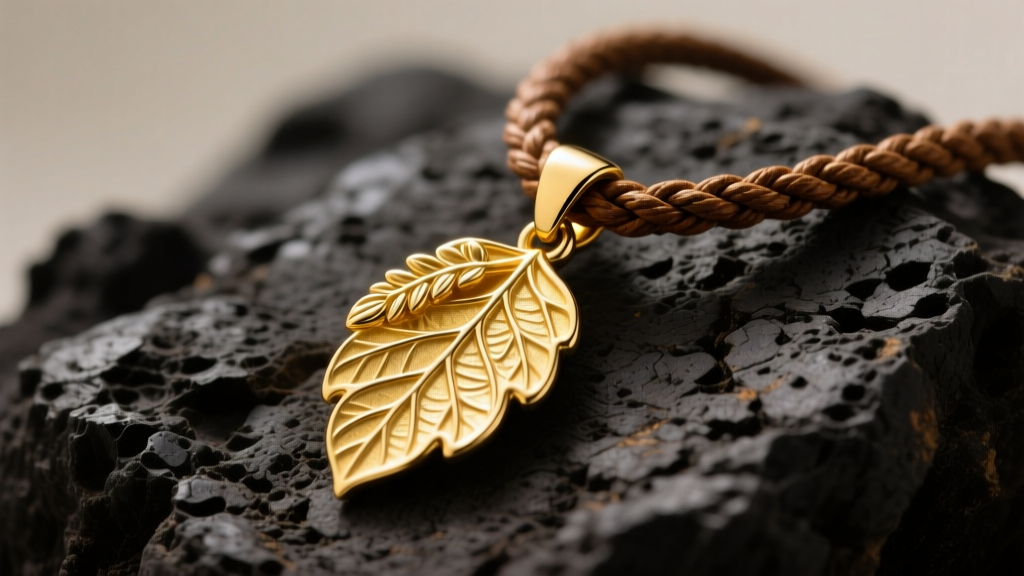
When shopping for a Hawaiian necklace for men, the line between a genuine cultural heirloom and a mass-produced tourist trap is often blurred by deceptive marketing and confusing price tags. In 2026, with gold spot prices fluctuating and the market flooded with overseas replicas, understanding the true value of Hawaiian jewelry is critical. Whether you are looking for a traditional Maile leaf pendant, a Makau (fishhook), or a Honu (turtle) motif, assessing the budget and intrinsic value requires a deep dive into material grades, structural integrity, and craftsmanship origin.
This guide strips away the marketing fluff to provide a rigorous, data-driven assessment of what you should actually pay for authentic men's Hawaiian necklaces, how to spot structural failure points, and which materials offer the best long-term value retention.
The Tourist Trap vs. Heirloom Divide
The most common mistake buyers make when purchasing a Hawaiian necklace for men is assuming that a high price tag or a storefront in Waikiki guarantees authenticity. The Federal Trade Commission (FTC) maintains strict guidelines regarding 'Made in USA' and regional origin claims, but the jewelry market often exploits loopholes with terms like 'Hawaiian Style' or 'Island Design.'
True Hawaiian heirloom jewelry is characterized by deep, hand-cut engraving and vitreous glass enamel. Mass-produced replicas are typically cast from molds with shallow, machine-stamped patterns and painted with cold epoxy resin. From a value perspective, a genuine hand-engraved 14k gold pendant retains intrinsic metal value and artisan premium, whereas a stamped replica holds virtually zero resale value the moment it leaves the shop.
Material Economics: 14k Gold, Silver, and Enamel
To accurately assess your budget, you must understand why specific materials dominate the Hawaiian jewelry space. While 18k and 24k gold are prized in other jewelry sectors, 14k gold (58.5% pure gold) is the undisputed standard for authentic Hawaiian heirloom pieces.
Why 14k Gold is the Value Sweet Spot
Hawaiian motifs require deep, scrollwork engraving. Higher karat golds (like 18k or 22k) are too soft; the metal will warp under the engraver's tool, and the prongs or structural elements will bend during daily wear. 14k gold provides the necessary tensile strength to hold sharp, intricate engraving lines and withstand the extreme heat required for traditional enamel firing.
The Enamel Trap: Vitreous vs. Epoxy
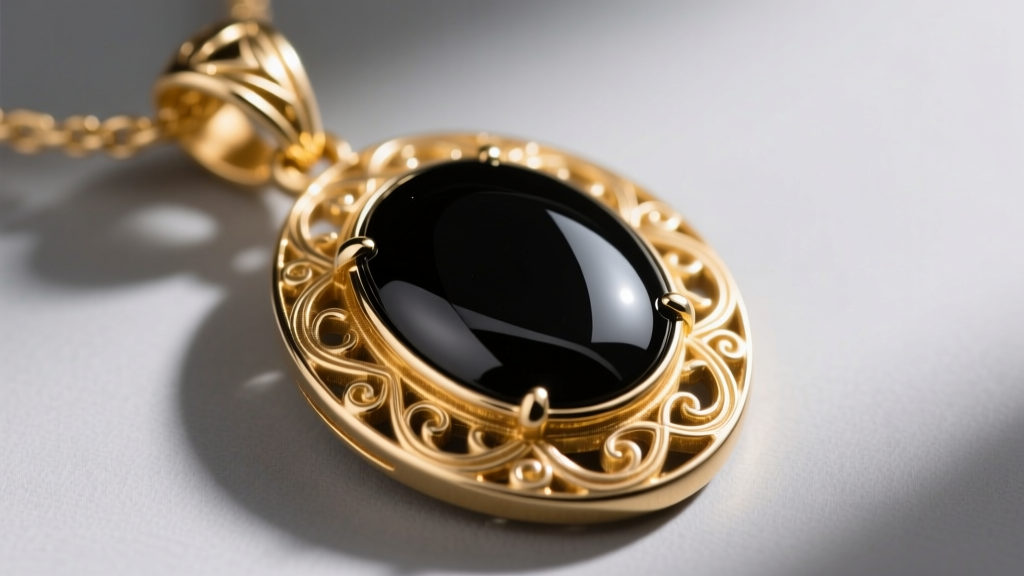
The black or gold lettering and fills on Hawaiian pendants are a major value indicator. Authentic pieces use vitreous glass enamel, which is fired in a kiln at approximately 1400°F, fusing the glass to the gold at a molecular level. Replicas use 'cold enamel' (epoxy resin), which is merely painted into the grooves and baked at low heat. Epoxy will yellow, crack, and peel within 2 to 4 years, especially when exposed to UV light and salt water, completely destroying the piece's aesthetic and monetary value.
2026 Pricing Matrix: What Should You Actually Pay?
Budgeting for a Hawaiian necklace for men requires separating the raw melt value of the gold from the artisan craftsmanship premium. Below is a 2026 value assessment matrix based on current precious metal markets and average artisan labor rates in Hawaii.
| Material & Motif | Avg. Weight (Grams) | Estimated Melt Value | Fair Retail Price Range (2026) | Value Retention |
|---|---|---|---|---|
| 14k Solid Gold Makau (Fishhook) | 8g - 12g | $380 - $550 | $850 - $1,400 | High |
| 14k Solid Gold Maile Leaf (Medium) | 10g - 15g | $470 - $700 | $1,100 - $1,900 | High |
| 14k Solid Gold Honu (Turtle) | 6g - 10g | $280 - $470 | $700 - $1,200 | High |
| Sterling Silver w/ Gold Vermeil | 12g - 18g | $15 - $25 | $150 - $350 | Low (Plating wears off) |
| Base Metal 'Hawaiian Style' Replica | Unknown | $0 | $40 - $120 | Zero |
Note: If a solid 14k gold Hawaiian pendant is priced near or below its calculated melt value, it is almost certainly hollow-cast (electroformed) or gold-plated over a base metal core. Hollow-cast pendants dent easily and cannot be repaired by a jeweler if crushed.
Chain Mechanics: Supporting Heavy Pendants
A critical, often overlooked aspect of budgeting for a men's Hawaiian necklace is the chain. A solid 14k gold Makau or Maile leaf pendant is dense and heavy, frequently weighing between 10 and 15 grams. Pairing a heavy pendant with an inadequate chain is a guaranteed path to structural failure and lost jewelry.
Chain Thickness and Style Recommendations
- Avoid Box Chains and Thin Cables: Anything under 2.5mm will suffer from link distortion under the dynamic load of a heavy pendant.
- The 3.5mm to 5mm Rope Chain: This is the gold standard for men's Hawaiian pendants. The twisted links distribute weight evenly and resist snapping.
- The 4mm Miami Cuban Link: Offers excellent structural integrity and a masculine aesthetic that complements bold Hawaiian motifs.
The Jump Ring Vulnerability
The most common failure point on any necklace is the jump ring connecting the pendant to the chain. On authentic heirloom pieces, the jump ring should be soldered closed or feature a heavy-gauge split ring. If you are buying a custom piece, allocate an extra $30-$50 in your budget to have a local jeweler laser-weld or solder the jump ring shut. This single step prevents the loss of a $1,500 pendant.
Motif Breakdown: Cultural Weight and Craftsmanship Cost
The specific motif you choose also impacts the budget, as certain designs require significantly more labor to engrave and enamel.
The Maile Leaf
The Maile leaf is a symbol of peace, respect, and honor. Because the leaf features intricate, overlapping veins and scrollwork, it requires a master engraver up to three hours of hand-cutting per piece. Consequently, Maile leaf pendants command a 15% to 20% labor premium over simpler, geometric designs.
The Makau (Fishhook)
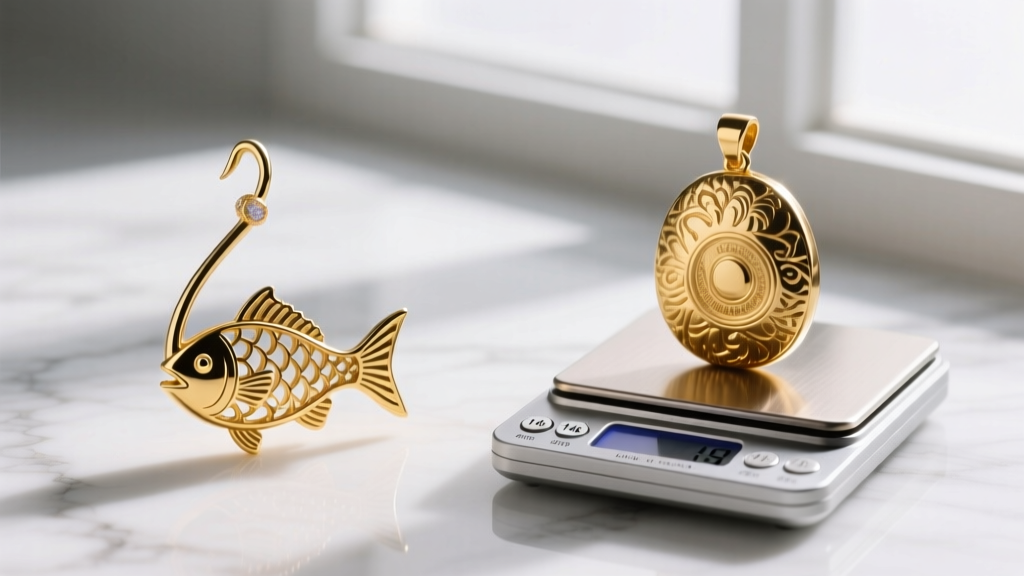
Representing safe passage over water and strength, the Makau is highly popular among men. While the outer shape is simpler, high-end Makau pendants feature intricate rope-texture carving along the shaft and inlaid gemstones (like black onyx or mother-of-pearl). Gemstone inlay adds $100 to $250 to the base price but significantly elevates the heirloom value.
Verifying Authenticity and Value Retention
Before finalizing your purchase, run the piece through this quick E-E-A-T (Expertise, Experience, Authoritativeness, and Trustworthiness) verification checklist to ensure your budget is being allocated to genuine craftsmanship:
- Check the Hallmark: Look for '14k' or '585' stamped on the pendant bail. Authentic pieces will also often feature the maker's mark or an 'H' indicating Hawaii.
- The Tap Test: Gently tap the pendant with a metal tool. Solid gold produces a dense, dull 'clink.' Hollow-cast or plated base metals will produce a high-pitched, tinny 'ping.'
- Inspect the Enamel: Use a jeweler's loupe. Vitreous glass enamel will have microscopic bubbles and a distinct glass-like luster. Epoxy resin will look perfectly flat, plasticky, and may show brush strokes.
- Weigh It: Ask the jeweler to weigh the pendant on a digital gram scale. Compare the weight to the pricing matrix above. A 15mm Makau weighing only 2 grams is definitively hollow or plated.
Investing in a genuine Hawaiian necklace for men is not just about acquiring a piece of jewelry; it is about securing a durable, culturally significant asset. By prioritizing 14k solid gold, vitreous enamel, and appropriate chain mechanics, you ensure that your investment withstands both the elements and the test of time, ultimately proving its value for generations.


