Heart Brighton Necklace: Material Properties Guide
Discover the exact metals, plating thickness, and enamel properties of the heart Brighton necklace. Learn how to prevent tarnish and extend its lifespan.

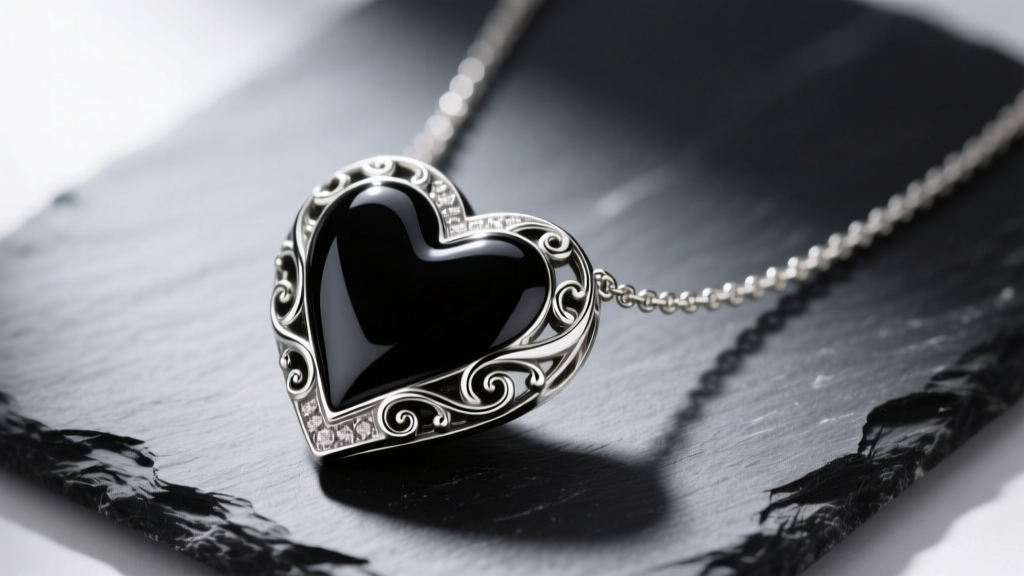
The Anatomy of a Heart Brighton Necklace
Brighton Collectibles has carved out a distinct niche in the bridge jewelry market, renowned for its romantic motifs, heavy weighting, and intricate detailing. When examining a signature heart Brighton necklace—such as those from the popular "Heart to Heart" or "Queen of Hearts" collections—it is essential to look beyond the aesthetic and understand the metallurgical and material properties that dictate its longevity. Unlike fine jewelry houses that rely exclusively on solid precious metals, Brighton operates in a space that strategically blends high-quality base metals, precious metal plating, and synthetic accents. Understanding these material choices is the key to managing your expectations regarding wear, tarnish resistance, and overall lifespan.
According to the Gemological Institute of America (GIA), the distinction between solid precious metals and plated alternatives fundamentally alters how a piece interacts with environmental factors like humidity, skin pH, and friction. This guide deconstructs the exact materials used in Brighton's heart pendants and chains, providing you with actionable insights for long-term care.
Base Metals vs. Plating: What Lies Beneath
The foundational structure of most standard Brighton necklaces is a high-quality brass alloy. Typically composed of copper and zinc (often a CuZn39Pb2 or similar lead-free jewelry brass), this base metal is chosen for its exceptional casting properties. Brass allows for the deep, elaborate scrollwork, filigree, and three-dimensional heart shapes that define the brand's aesthetic. It also provides a satisfying, heavy drape that mimics the specific gravity of solid silver, giving the jewelry a premium, substantial feel on the neck.
Silver Plating and Anti-Tarnish E-Coating
Once the brass base is cast and polished, it undergoes an electroplating process. Brighton typically applies a layer of sterling silver or pure silver plating. The thickness of this plating generally ranges from 2 to 5 microns, which is significantly thicker than the 0.5-micron flash plating found in fast-fashion jewelry, but still fundamentally a surface layer rather than a solid core.
To combat the natural oxidation of both the underlying brass and the silver plating, Brighton applies a proprietary anti-tarnish lacquer or e-coating. This clear polymer barrier seals the metal from oxygen and sulfur in the air. However, this e-coating is a sacrificial layer; it will eventually wear away through friction and exposure to cosmetics, exposing the silver beneath to tarnishing agents.
Material Comparison: Plated Brass vs. Solid Sterling
| Property | Brighton Silver-Plated Brass | Solid 925 Sterling Silver |
|---|---|---|
| Core Material | Copper-Zinc Brass Alloy | 92.5% Silver, 7.5% Copper |
| Plating Thickness | 2.0 - 5.0 Microns | N/A (Solid throughout) |
| Tarnish Resistance | High (while e-coating remains intact) | Low (requires regular polishing) |
| Scratch Recovery | Poor (deep scratches expose brass base) | Excellent (can be buffed and polished) |
| Typical Price Range | $120 - $250 | $250 - $600+ |
The Role of Enamel and Resin Accents
A defining characteristic of many heart Brighton necklace designs is the use of vibrant, opaque color accents. It is crucial to understand that these are rarely kiln-fired vitreous enamel, which requires heating glass powder to over 1400°F. Instead, Brighton utilizes cold enamel, which is technically a high-grade, two-part epoxy resin.
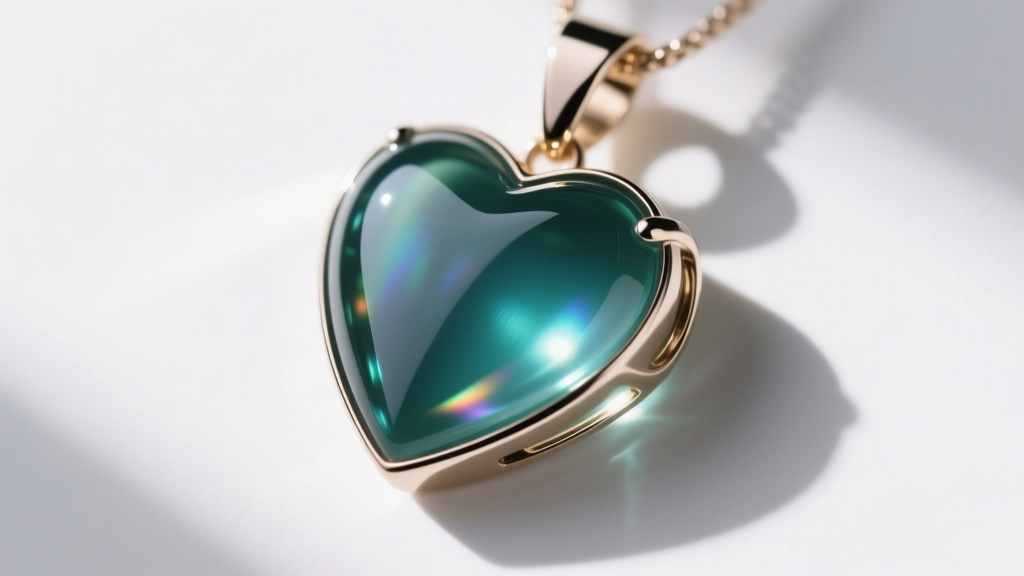
Epoxy resin is chosen for its versatility, allowing for a broader spectrum of colors and the ability to cure at room temperature without risking damage to heat-sensitive base metals or plating. However, from a material science perspective, epoxy resin has distinct vulnerabilities. It is highly susceptible to UV degradation, which can cause lighter colors (like white or pale pink) to yellow over time. Furthermore, resin is softer than metal, making it prone to micro-scratches if stored improperly alongside harder gemstones or metal chains.
Gold-Plated Variations and Karat Weight
For those opting for a gold-toned heart Brighton necklace, the brand typically utilizes 14k or 18k gold plating over the brass base. The karat weight of the plating affects both the color and the wear resistance. 14k gold plating contains a higher percentage of alloy metals (like copper and silver), resulting in a slightly paler, harder surface that resists micro-abrasions better. Conversely, 18k gold plating offers a richer, deeper yellow hue due to its higher pure gold content, but it is inherently softer and may show wear patterns more quickly in high-friction areas.
Common Failure Modes and Wear Points
To maximize the lifespan of your necklace, you must understand where the materials are most likely to fail. Based on long-term wear analysis, here are the primary vulnerability points:
- Bail and Jump Ring Friction: The bail (the loop connecting the heart pendant to the chain) and the jump rings experience constant metal-on-metal friction. This is usually the first area where the anti-tarnish e-coating and silver plating rub through, exposing the brass base, which can then oxidize and leave a greenish tint on the skin.
- Clasp Spring Rusting: The internal spring mechanism inside standard lobster clasps is often made of carbon steel. If exposed to moisture, sweat, or ultrasonic cleaners, this hidden spring can rust, causing the clasp to seize or snap.
- Resin Delamination: Exposure to harsh chemicals, such as acetone, alcohol-based perfumes, or chlorinated pool water, can break down the chemical bond between the epoxy resin and the metal cavity, causing the colored accents to pop out.
Actionable Care and Maintenance Protocol
Proper maintenance of bridge jewelry requires a different approach than caring for solid fine jewelry. The Jewelers of America recommends gentle, non-abrasive cleaning methods for plated items to preserve the delicate surface layers.
- Daily Wipe-Down: After wearing, gently wipe the necklace with a clean, dry microfiber cloth to remove skin oils and acidic sweat that can degrade the e-coating.
- Deep Cleaning (Monthly): Mix a few drops of mild, phosphate-free dish soap into a bowl of lukewarm distilled water. Dip a soft-bristled baby toothbrush into the solution and gently agitate the scrollwork. Rinse quickly under a light stream of distilled water and pat completely dry with a lint-free cloth.
- Avoid Polishing Cloths: Never use treated silver polishing cloths (like Sunshine cloths) on Brighton jewelry. The micro-abrasives and chemical tarnish removers in these cloths will strip the anti-tarnish e-coating and accelerate the removal of the silver plating.
- Strictly No Ultrasonics: Ultrasonic cleaners use high-frequency sound waves that will shatter the epoxy resin accents and strip the plating from the brass base.
Expert Storage Tip: Always store your heart Brighton necklace in its original anti-tarnish pouch or a sealed ziplock bag with a silica gel packet. Controlling the ambient humidity is the single most effective way to preserve the integrity of the e-coating and prevent the underlying brass from oxidizing.
Conclusion: Evaluating the Material Value
A heart Brighton necklace represents a specific tier of jewelry: it is not a solid precious metal heirloom meant to be melted down or passed through generations without maintenance, but rather a highly engineered piece of premium fashion jewelry. The use of a heavy brass base provides excellent structural integrity and a luxurious drape, while the thick micron plating and protective e-coating offer substantial longevity if cared for correctly. By understanding the specific properties of the plated brass, epoxy resins, and anti-tarnish barriers, you can make an informed purchasing decision and implement a care routine that keeps the intricate heart motifs gleaming for years to come.


